- English
- French
- German
- Portuguese
- Spanish
- Russian
- Japanese
- Korean
- Arabic
- Greek
- German
- Turkish
- Italian
- Danish
- Romanian
- Indonesian
- Czech
- Afrikaans
- Swedish
- Polish
- Basque
- Catalan
- Esperanto
- Hindi
- Lao
- Albanian
- Amharic
- Armenian
- Azerbaijani
- Belarusian
- Bengali
- Bosnian
- Bulgarian
- Cebuano
- Chichewa
- Corsican
- Croatian
- Dutch
- Estonian
- Filipino
- Finnish
- Frisian
- Galician
- Georgian
- Gujarati
- Haitian
- Hausa
- Hawaiian
- Hebrew
- Hmong
- Hungarian
- Icelandic
- Igbo
- Javanese
- Kannada
- Kazakh
- Khmer
- Kurdish
- Kyrgyz
- Latin
- Latvian
- Lithuanian
- Luxembou..
- Macedonian
- Malagasy
- Malay
- Malayalam
- Maltese
- Maori
- Marathi
- Mongolian
- Burmese
- Nepali
- Norwegian
- Pashto
- Persian
- Punjabi
- Serbian
- Sesotho
- Sinhala
- Slovak
- Slovenian
- Somali
- Samoan
- Scots Gaelic
- Shona
- Sindhi
- Sundanese
- Swahili
- Tajik
- Tamil
- Telugu
- Thai
- Ukrainian
- Urdu
- Uzbek
- Vietnamese
- Welsh
- Xhosa
- Yiddish
- Yoruba
- Zulu
How is a pull box different from a junction box?
Electrical enclosures like pull boxes and junction boxes play a critical role in safeguarding and organizing wiring systems across industrial and commercial environments. Procurement managers, engineers, and OEM clients increasingly demand reliable and compliant solutions that ensure operational safety and efficiency. This guide aims to demystify the distinctions between these two essential enclosures, empowering global B2B buyers to choose the right products tailored to project specifications and regulatory standards. By understanding their unique roles, materials, and compliance requirements, decision-makers can optimize sourcing strategies and mitigate project risks in sectors ranging from automotive to energy infrastructure.
The fundamental difference lies in their intended purpose: pull boxes serve as access points for pulling and routing cables through conduit systems, whereas junction boxes act as connection hubs where multiple wires terminate and splice together. While both protect electrical components from environmental hazards, their sizing requirements, installation positions, and compliance standards differ significantly under National Electrical Code (NEC) guidelines. Selecting the wrong enclosure type can compromise installation efficiency, violate code requirements, and increase long-term maintenance costs—making this distinction vital for procurement professionals managing complex electrical projects.
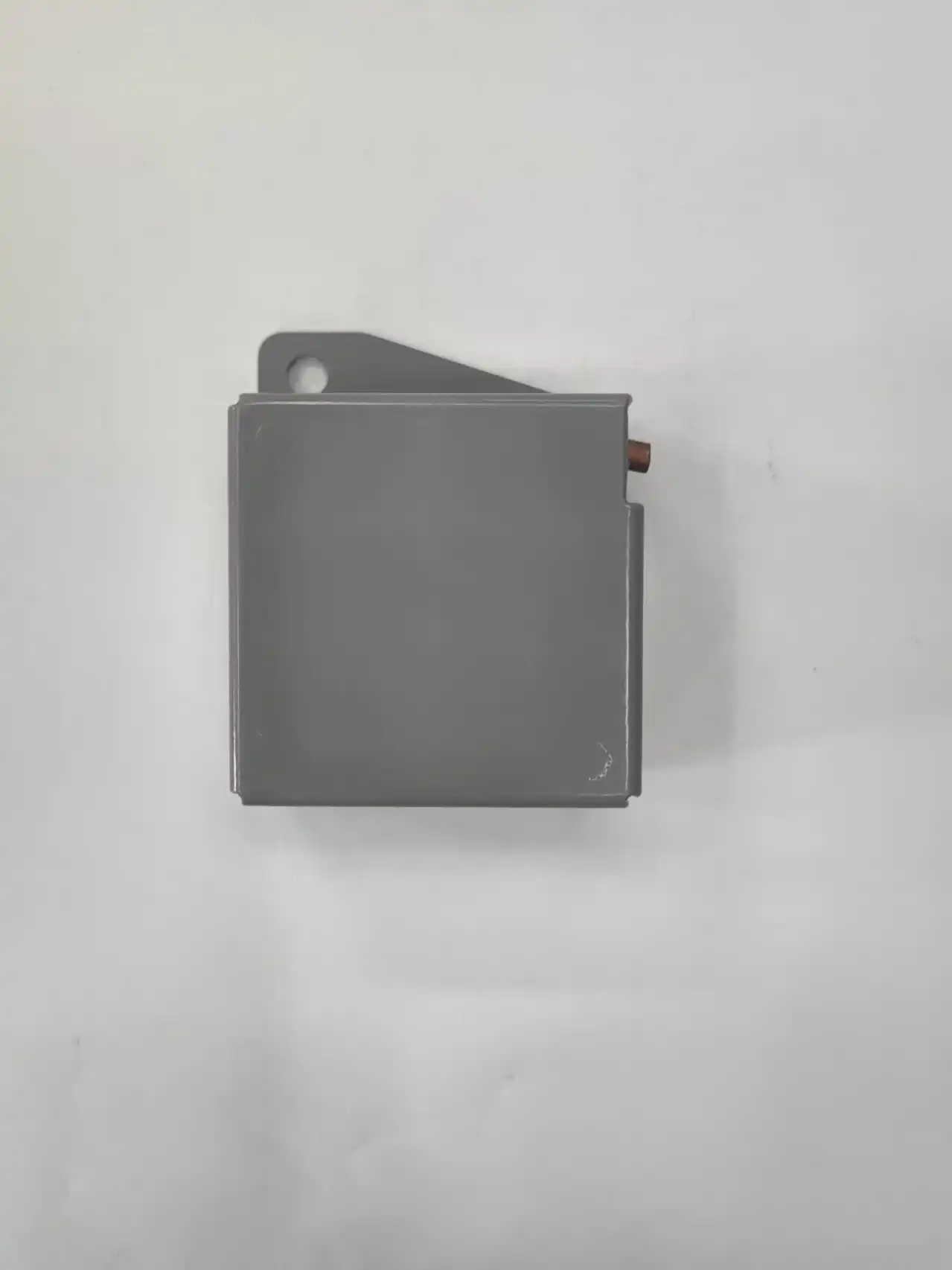
Understanding the Basics: What Are Pull Boxes and Junction Boxes
Defining Pull Boxes in Electrical Systems
Pull boxes are mostly used to make it easier to manage cables and pull wires over long distances or complicated paths. This is especially helpful in large setups like factories or building projects. These enclosures serve as access points in the middle of long conduit runs, letting electricians pull wire without going over the maximum tension limits. The design has covers that can be taken off and large interiors that were calculated according to NEC Article 314.28, which says that the minimum dimensions must be based on the largest conduit size that can fit into the enclosure. In factories that make cars, where big equipment needs a lot of power distribution, putting pull boxes in the right place keeps wires from getting damaged during installation and makes it easier to make changes to the system in the future.
Understanding Junction Box Applications
Junction boxes are made to connect, protect, and organise wire splices. They are often used to safely send power and messages throughout factories and business buildings. These small cases hold wire nuts, terminal blocks, or splicing tools that connect wires from different circuits or send them to more than one place. The main job is to make sure that electrical connections that could cause heat or sparks are made in a safe, code-compliant way. Junction boxes are very important for industries that make parts for alarm systems because they keep sensor wires, control signals, and power sources organised and easy to get to for maintenance and troubleshooting.
Complementary Roles in Industrial Settings
By making these basic definitions clearer, procurement professionals can better match the products they choose to the needs of the application and the complexity of the system. Pull boxes are placed at regular intervals along conduit runs, and junction boxes show up at the ends of circuits where they split or combine. Both enclosure types are compatible with most industrial electrical installations. Engineers can make better layouts that balance the costs of installation with the needs of long-term accessibility when they understand how these two factors work together. Optimised enclosure placement strategies that take into account both current production needs and plans for future growth are especially helpful in manufacturing settings that make parts for building equipment or general industrial machinery.
Core Differences Between Pull Boxes and Junction Boxes
Size and Design Distinctions
The main differences between these enclosures are how they were made, what they are meant to do, and how well they meet electricity rules. Pull boxes have bigger sizes that are figured out using special formulas. For straight pulls, the minimum length must be eight times the trade diameter of the largest raceway, and for angle pulls, it must be six times the sum of the other raceway diameters. This generous size gives you enough room to work with cables without going over the limits for bend radius. Junction boxes are designed to have small footprints that are just big enough for wire connections and necessary working spaces. Typical footprint sizes range from 4x4 inches for home use to special sizes for industrial three-phase power distribution systems.
Functional Purpose Variations
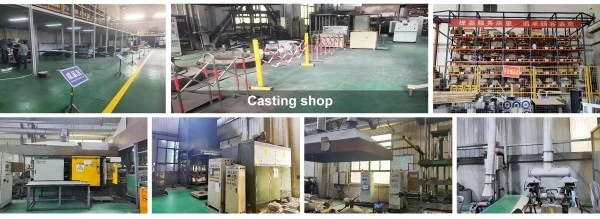
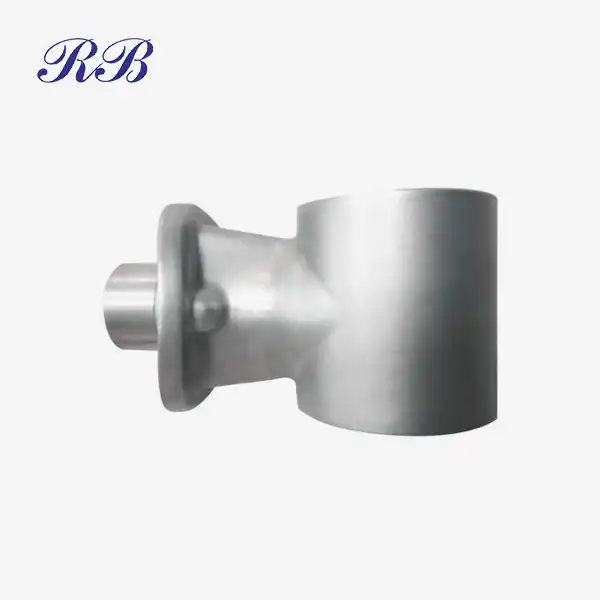
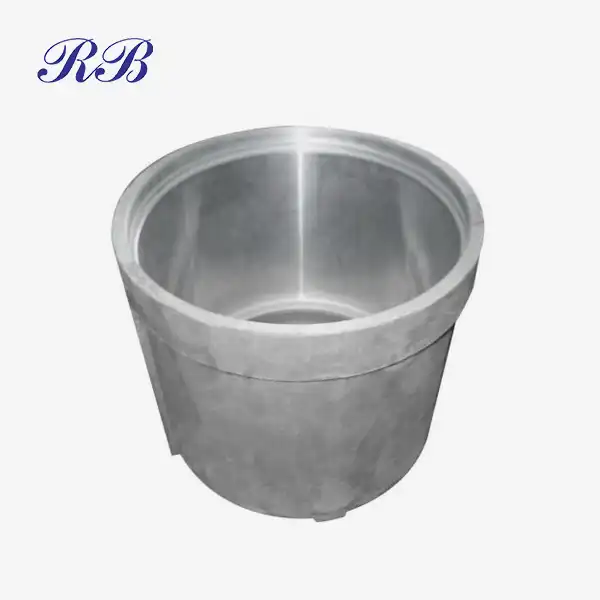
Different materials are used to meet the longevity and code needs of different settings. For example, some materials are resistant to corrosion or fire. Pull boxes that are outside or in places that are likely to rust are usually made of die-cast aluminium or stainless steel. Junction boxes inside may be made of galvanised steel or PVC, depending on the conditions inside. Precision-cast containers made by Rongbao Enterprise can be used for both purposes, and they can be treated and coated in special ways to make them work better in the harsh conditions found in energy sector sites. Our gravity casting and low-pressure die casting methods make structures that are stronger and more consistent in wall thickness than normal manufactured options.
Code Compliance Considerations
Figuring out when to use pull boxes vs. junction boxes affects how hard the installation is, how you plan for maintenance, and, in the end, how well you follow the rules set by standards like NEC and IEC, which affect how things are bought around the world. Article 314 of the NEC talks about how to figure out the right size, how to ground the cage, and how to support it in different ways for each type. When purchasing IATF16949-certified car supply chains, purchasing managers need to make sure that the enclosure specifications meet both electricity codes and quality control standards specific to the industry. NEC 314.29 says that junction boxes with wire splices must be accessible, but pull boxes without splices can be hidden above ceilings or inside walls, which can change how they are placed during the planning process of a building.
Technical Dimensions and Specifications to Consider
Calculating Appropriate Pull Box Dimensions
When choosing the right container, you need to pay close attention to its size, material, and how it will be installed. To keep damage to a minimum during wire installation, pull boxes need to be measured to make sure they have enough space for the cable fill and pull radius. When conductors enter and exit from opposite walls, the NEC says that the minimum distance between entries must be eight times the trade size of the largest raceway. When conductors do angle pulls or U-pulls, there must be at least six times the width of the track between each entry and the wall on the other side. There must also be extra space between entries that are next to each other. When technical engineers specify enclosures for installing power equipment, they need to make sure they do these calculations correctly so that changes have to be made in the field, which can slow down projects and cost more money.
Junction Box Sizing Requirements
The size of a junction box is based on how much space it needs for wire connections and how safe it needs to be from environmental hazards. The way that NEC Article 314.16 says to figure out the volume takes into account the number of conductors, the amount of device fill, and the needs for equipment grounding conductors. Each size of wire has a corresponding cubic inch number, and the total volume of the box must be greater than the sum of all the parts. When looking for valve assembly makers or compressor systems, people who work in procurement should know that junction boxes that are too small cause overcrowding, which damages wire insulation, makes it hard for heat to escape, and increases the number of failures during quality checks.
Material Selection Impact on Performance
Choosing a material like steel, aluminium, PVC, or fibreglass has a direct effect on performance factors like how well it resists corrosion, how well it holds up in fire, and how well it works in different industrial settings. Rongbao Enterprise's high-pressure die casting processes make cast aluminium enclosures that are naturally resistant to corrosion and have great strength-to-weight ratios. This makes them perfect for use outside in wind power installations or oil and gas equipment environments. When installing big machinery where there is a chance of damage, steel shelters are better at withstanding impacts. When choosing enclosures for mission-critical aerospace parts or nuclear power plant applications, procurement professionals must also look at how easy they are to install, how easy they are to access for future maintenance, and how much they will cost over their entire life.

Case Studies: Effective Use of Pull Boxes and Junction Boxes in B2B Projects
Industrial Facility Cable Management Success
Examples of real-world projects show how and why it's important to correctly specify these enclosures. In one case study, the installation of pull boxes in a large facility that makes car parts made wire handling safer and more efficient along long wiring runs that connect robotic assembly stations. The engineering team placed eight-inch by eight-inch cast aluminium pull boxes in a planned way every seventy-five feet along a 400-foot pipe run that carried three-phase power and control wires. This method kept the pulling tension below what the manufacturer recommended, kept the insulation on the conductors from getting damaged, and made it possible to add circuits when the production line grew in the future. The project saved a lot of labour compared to earlier installations that used fewer entry points that were placed badly and needed expensive wire replacements after installation damage.
Commercial Building Junction Box Optimization
In a business office block, junction boxes are used to make it easy to connect wires quickly and get to them for repair. The electrical contractor asked for weatherproof junction boxes with cover plates that could be taken off at each floor level within vertical service shafts. These boxes would combine branch circuit connections that serve office desks. This centralised method made troubleshooting easier and cut down on the average time it took to fix things during tenant improvement projects. During acceptance inspections, quality engineers made sure that all junction boxes had the right wire fill ratios and working clearances. This made sure that they were in line with local electrical codes and kept insurance liability concerns to a minimum.
Lessons Learned and Best Practices
These case studies provide actionable insights and best practices that procurement managers and engineers can apply to future projects, along with lessons learned on cost savings and installation efficiencies. Both examples show how important it is to specify the enclosure early on in the design process. This lets you get a good idea of how much it will cost and stops you from making value-engineering trade-offs that hurt the long-term reliability of the system. People who work in procurement and are in charge of multi-site deployments should choose preferred suppliers who can deliver consistent quality across all project phases and provide technical documentation that makes inspection and compliance verification easier.
Conclusion
The functional differences, code compliance, and application usefulness of pull boxes and junction boxes go beyond simple size differences. Pull boxes make it easier to install cables because they have large openings that let you work with the wires, and junction boxes keep electrical connections safe and compact. When specifying enclosures for a wide range of industrial uses, from making cars to building energy infrastructure, procurement professionals need to be aware of these differences. The right choice affects how quickly and easily the system can be installed, how easy it is to maintain, and how reliable it will be in the long run. This is why informed enclosure specification is so important for a successful electrical project. Understanding NEC standards, the performance traits of materials, and the skills of suppliers helps decision-makers come up with the best buying strategies that balance the costs of the original purchase with the value over the product's lifetime.
FAQ
1. Can I Use a Junction Box as a Pull Box?
It is technically possible to use a junction box as a pull box in some cases, but it is against the rules if the enclosure measurements are smaller than the minimum sizes required by the NEC for the fitted conduit. Junction boxes don't have enough room inside for proper cable management, which could damage the insulation during wire pulling operations. This difference is important for electrical checks, where covers that aren't the right size can fail and require expensive repairs. To make sure that the enclosures provided meet the right standards, the procurement specs should make it clear what they will be used for.
2. How Do Environmental Factors Affect Enclosure Selection?
Extremes of temperature and moisture, chemical exposure, and the chance of physical impact all have a big effect on the choice of material and the closing requirements that must be met. For outdoor setups, you need weatherproof enclosures with gasket seals and coatings that don't rust. For indoor uses in climate-controlled rooms, you can use regular painted steel construction. Industries that work with harmful materials need special materials like fiberglass-reinforced containers or stainless steel. Rongbao Enterprise makes enclosures with special surface treatments that can handle the harsh conditions found in oil and gas equipment or marine uses. This means that the enclosures last longer and need less upkeep.
Partner with Rongbao Enterprise for Custom Electrical Enclosure Solutions
Getting an electrical enclosure can be hard, so you need a manufacturing partner with both technical know-how and proven production skills. Rongbao Enterprise brings twenty years of experience in precision casting to every project. They help global B2B buyers by providing custom enclosure solutions that meet strict requirements and international standards. We can make a wide range of products using high-pressure die casting, gravity casting, and precise machining. This means that we can make casings for everything from alarm device parts to heavy industrial equipment installs. We offer consistent quality because we are certified by ISO9001:2015, ISO14001, and ISO45001, and we follow strict inspection protocols from checking the raw materials to testing the finished product.
Our plant in Xi'an, China, can make 50,000 pieces a year, which is enough for both small-scale prototypes and large-scale production runs. We offer full turnkey services that include making moulds, castings, finishing the outside, and safely packing them in wooden carton boxes to make sure they arrive safely in other countries. Our engineering team works closely with procurement managers and technical engineers to make plans as easy to make as possible. This cuts down on the cost of tools while keeping the accuracy of measurements that are necessary to meet electricity code requirements. Rongbao Enterprise is a reliable pull box supplier that offers low prices without lowering quality standards. They can provide standard enclosures or fully customised solutions to meet your needs.
To talk about your specific enclosure needs, please email our technical team at steve.zhou@263.net or zhouyi@rongbaocasting.com. We'd love the chance to show you how our approach to integrated manufacturing adds value to your whole supply chain, from the initial idea to ongoing production support.
References
1. National Fire Protection Association. NFPA 70: National Electrical Code, 2023 Edition. Quincy: NFPA Publications, 2022.
2. International Electrotechnical Commission. IEC 60529: Degrees of Protection Provided by Enclosures (IP Code), Third Edition. Geneva: IEC Central Office, 2013.
3. Underwriters Laboratories. UL 50: Enclosures for Electrical Equipment, Non-Environmental Considerations, 19th Edition. Northbrook: UL Standards, 2020.
4. American Society for Testing and Materials. ASTM B85-20: Standard Specification for Aluminum-Alloy Die Castings. West Conshohocken: ASTM International, 2020.
5. Institute of Electrical and Electronics Engineers. IEEE Std 141-1993: IEEE Recommended Practice for Electric Power Distribution for Industrial Plants. New York: IEEE Press, 1994.
6. Cadick, John, Mary Capelli-Schellpfeffer, and Dennis Neitzel. Electrical Safety Handbook, 4th Edition. New York: McGraw-Hill Education, 2012.
Learn about our latest products and discounts through SMS or email