- English
- French
- German
- Portuguese
- Spanish
- Russian
- Japanese
- Korean
- Arabic
- Greek
- German
- Turkish
- Italian
- Danish
- Romanian
- Indonesian
- Czech
- Afrikaans
- Swedish
- Polish
- Basque
- Catalan
- Esperanto
- Hindi
- Lao
- Albanian
- Amharic
- Armenian
- Azerbaijani
- Belarusian
- Bengali
- Bosnian
- Bulgarian
- Cebuano
- Chichewa
- Corsican
- Croatian
- Dutch
- Estonian
- Filipino
- Finnish
- Frisian
- Galician
- Georgian
- Gujarati
- Haitian
- Hausa
- Hawaiian
- Hebrew
- Hmong
- Hungarian
- Icelandic
- Igbo
- Javanese
- Kannada
- Kazakh
- Khmer
- Kurdish
- Kyrgyz
- Latin
- Latvian
- Lithuanian
- Luxembou..
- Macedonian
- Malagasy
- Malay
- Malayalam
- Maltese
- Maori
- Marathi
- Mongolian
- Burmese
- Nepali
- Norwegian
- Pashto
- Persian
- Punjabi
- Serbian
- Sesotho
- Sinhala
- Slovak
- Slovenian
- Somali
- Samoan
- Scots Gaelic
- Shona
- Sindhi
- Sundanese
- Swahili
- Tajik
- Tamil
- Telugu
- Thai
- Ukrainian
- Urdu
- Uzbek
- Vietnamese
- Welsh
- Xhosa
- Yiddish
- Yoruba
- Zulu
High pressure die casting process step by step
High pressure die casting is a sophisticated manufacturing technique that has revolutionized the production of complex metal parts. This process, known for its efficiency and precision, is widely used across various industries, from automotive to aerospace. In this comprehensive guide, we'll walk you through the intricate steps of high-pressure die casting, shedding light on the crucial stages that transform molten metal into precisely engineered components.
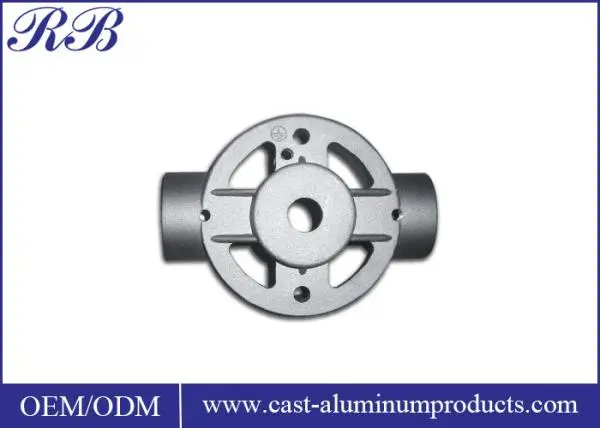
Preparation Stage: Mold Design and Lubrication Considerations
The Art of Mold Engineering
The journey of high pressure die casting begins long before any metal is melted. It starts with the meticulous design of the mold, often referred to as the die. This step is critical as it directly influences the quality and characteristics of the final product. Engineers use advanced CAD software to create 3D models of the mold, considering factors such as part geometry, material flow, and cooling rates.
The mold design process involves intricate calculations to account for shrinkage, warpage, and other potential defects. Designers must also incorporate features like runners, gates, and vents to ensure proper metal flow and gas evacuation. The complexity of this stage cannot be overstated – a well-designed mold is the foundation of successful high pressure die casting.
Lubrication: The Unsung Hero of Die Casting
Once the mold is ready, the next crucial step is lubrication. This often-overlooked aspect plays a vital role in the casting process. The lubricant serves multiple purposes:
- It facilitates easy release of the casting from the mold
- It helps control the temperature of the mold surface
- It enhances the flow of molten metal within the cavity
Selecting the right lubricant is a science in itself. Factors such as the casting material, mold temperature, and part complexity all influence the choice. Water-based lubricants are common, but for more demanding applications, specialized formulations may be necessary. The application method is equally important – whether sprayed, brushed, or applied through an automated system, ensuring even coverage is crucial for consistent results.
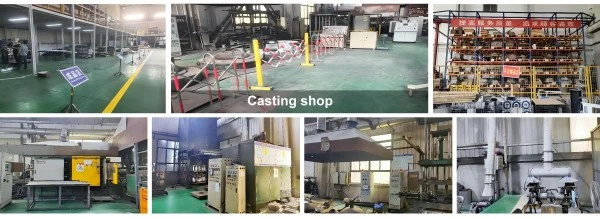
Metal Injection and Cooling: Key Steps in High-Pressure Injection
The Dynamics of Metal Injection
With the mold prepared and lubricated, we move to the heart of the high pressure die casting process: metal injection. This stage is where the process truly earns its name. Molten metal, typically an aluminum alloy heated to temperatures exceeding 650°C (1200°F), is forced into the mold cavity under extreme pressure – often between 5,000 and 20,000 psi.
The injection process is lightning-fast, usually completed in milliseconds. This rapid filling is crucial for several reasons:
- It prevents premature solidification of the metal
- It ensures complete filling of even the most intricate mold details
- It minimizes porosity and other defects in the final casting
The speed and pressure of injection are carefully controlled, often using sophisticated hydraulic or electric systems. These parameters are fine-tuned based on factors like part size, wall thickness, and alloy characteristics.
The Critical Cooling Phase
Immediately following injection, the cooling phase begins. This stage is as crucial as the injection itself, significantly influencing the final properties of the casting. Cooling rates must be carefully managed to achieve the desired microstructure and mechanical properties.
Modern die casting machines employ advanced cooling systems, often incorporating channels within the mold itself. These channels circulate coolant, allowing precise control over temperature gradients across the casting. In some cases, vacuum assistance is used during cooling to further reduce porosity and enhance surface finish.
The cooling phase is a delicate balance – too rapid cooling can lead to internal stresses and warpage, while too slow cooling can negatively impact cycle times and productivity. Engineers often use simulation software to optimize cooling strategies, ensuring the best possible outcome for each unique casting design.
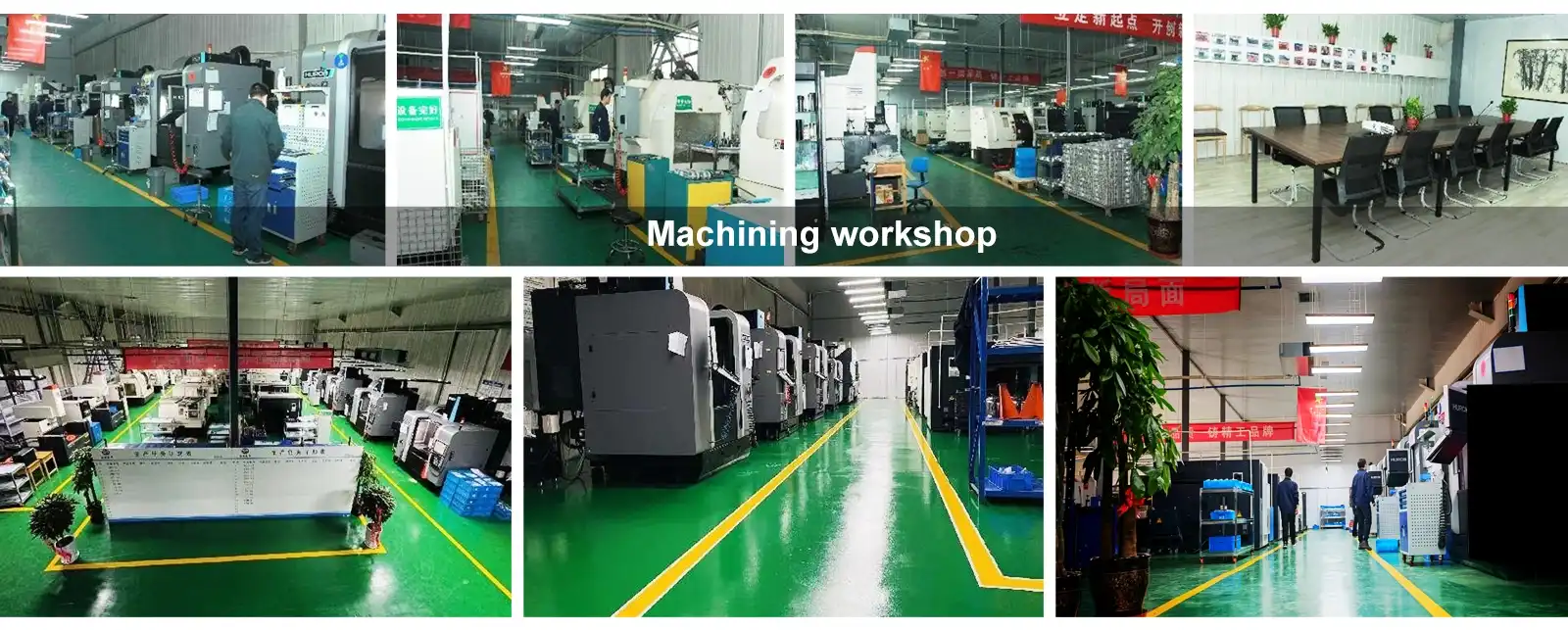
Solidification and Ejection: Ensuring Casting Quality in the Final Stage
The Science of Solidification
As the molten metal cools within the mold, it undergoes a complex process of solidification. This phase transition from liquid to solid is where the final microstructure of the casting is determined. Understanding and controlling this process is crucial for achieving the desired mechanical properties.
Solidification in high pressure die casting is typically rapid, leading to a fine-grained structure. This fine grain structure contributes to the high strength and excellent surface finish characteristic of die cast parts. However, the rapid cooling can also lead to challenges such as shrinkage porosity or hot tearing if not properly managed.
The Art of Ejection
Once solidification is complete, the final step in the high pressure die casting process is ejection. This stage requires precision timing and careful engineering to ensure the part is removed from the mold without damage.
Ejection systems typically use pins or plates that push the solidified casting out of the mold cavity. The design of these systems must account for factors such as:
- The geometry of the part
- Potential undercuts or complex features
- The shrinkage of the metal during cooling
In some cases, robotic systems are employed for part removal, ensuring consistent handling and reducing the risk of damage. Post-ejection, parts often undergo rapid cooling in water baths or through forced air circulation to prevent warpage and ensure dimensional stability.
Quality Control and Finishing
The journey of a high pressure die cast part doesn't end with ejection. Rigorous quality control measures are typically implemented to ensure each part meets specifications. This may include visual inspections, dimensional checks, and non-destructive testing methods like X-ray or ultrasonic inspection.
Many die cast parts also undergo finishing operations such as trimming, machining, or surface treatment. These processes refine the part to its final form, ready for assembly or end-use application.

High Pressure Die Casting Service Supplier: Rongbao Enterprise
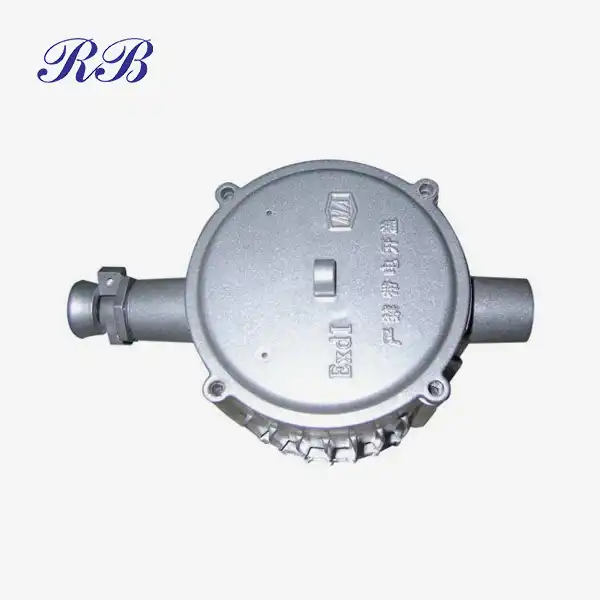
Rongbao Enterprise is a top company in the area for people who want to learn more about high-pressure die casting. Rongbao has been around since 2003 and is now a well-known manufacturer of aluminum alloy casting and precision processing. Rongbao makes parts out of aluminum die casting alloy A380, as well as aluminum gravity casting parts, gutter support brackets, cast half circles, and motor cover castings.
With a strong commitment to quality and innovation, Rongbao has earned certifications in ISO 9001:2016 for Quality Management, ISO 14001 for Environmental Management, and ISO 45001 for Occupational Health and Safety Management.
For more information or to discuss your project requirements, don't hesitate to reach out to their team at steve.zhou@263.net or zhouyi@rongbaocasting.com. Their experienced professionals are ready to provide tailored solutions for your high pressure die casting needs.
References
- Campbell, J. (2015). Complete Casting Handbook: Metal Casting Processes, Techniques and Design. Butterworth-Heinemann.
- Andresen, B. (2005). Die Casting Engineering: A Hydraulic, Thermal, and Mechanical Process. CRC Press.
- Vinarcik, E. J. (2003). High Integrity Die Casting Processes. John Wiley & Sons.
- Lumley, R. (2018). Fundamentals of Aluminium Metallurgy: Recent Advances. Woodhead Publishing.
- Rao, P. N. (2018). Manufacturing Technology: Metal Cutting and Machine Tools, Volume 2. McGraw Hill Education.


Learn about our latest products and discounts through SMS or email