- English
- French
- German
- Portuguese
- Spanish
- Russian
- Japanese
- Korean
- Arabic
- Greek
- German
- Turkish
- Italian
- Danish
- Romanian
- Indonesian
- Czech
- Afrikaans
- Swedish
- Polish
- Basque
- Catalan
- Esperanto
- Hindi
- Lao
- Albanian
- Amharic
- Armenian
- Azerbaijani
- Belarusian
- Bengali
- Bosnian
- Bulgarian
- Cebuano
- Chichewa
- Corsican
- Croatian
- Dutch
- Estonian
- Filipino
- Finnish
- Frisian
- Galician
- Georgian
- Gujarati
- Haitian
- Hausa
- Hawaiian
- Hebrew
- Hmong
- Hungarian
- Icelandic
- Igbo
- Javanese
- Kannada
- Kazakh
- Khmer
- Kurdish
- Kyrgyz
- Latin
- Latvian
- Lithuanian
- Luxembou..
- Macedonian
- Malagasy
- Malay
- Malayalam
- Maltese
- Maori
- Marathi
- Mongolian
- Burmese
- Nepali
- Norwegian
- Pashto
- Persian
- Punjabi
- Serbian
- Sesotho
- Sinhala
- Slovak
- Slovenian
- Somali
- Samoan
- Scots Gaelic
- Shona
- Sindhi
- Sundanese
- Swahili
- Tajik
- Tamil
- Telugu
- Thai
- Ukrainian
- Urdu
- Uzbek
- Vietnamese
- Welsh
- Xhosa
- Yiddish
- Yoruba
- Zulu
High Oblique Supports in Alarm Device Parts: Installation and Safety Standards
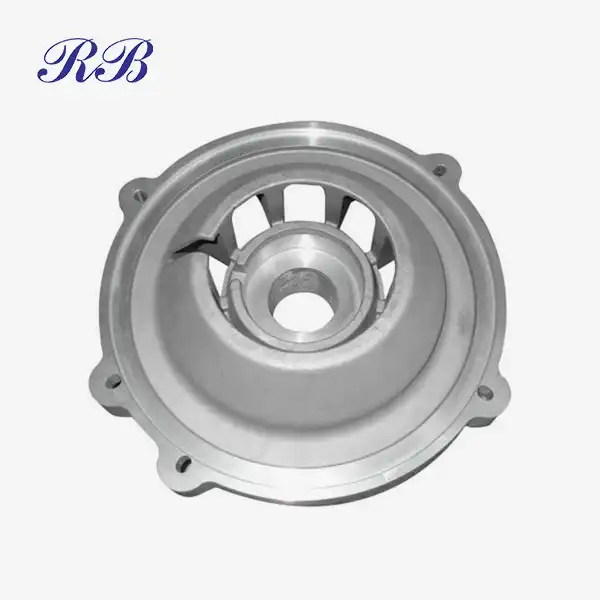
When alarm device engineers ask me what keeps sensitive detection components structurally sound under vibration and thermal stress, my answer consistently points to one underappreciated component: the high oblique support. These precision-engineered brackets provide angled load distribution across alarm device housings, junction boxes, and gas meter protective covers. Unlike flat mounting brackets, an oblique support transfers mechanical stress along a diagonal axis, reducing concentrated pressure points. At Rongbao Enterprise, we manufacture aluminum alloy oblique support castings for alarm device applications with a production capacity of 50,000 pieces, certified under ISO9001:2015, ISO14001, and ISO45001.
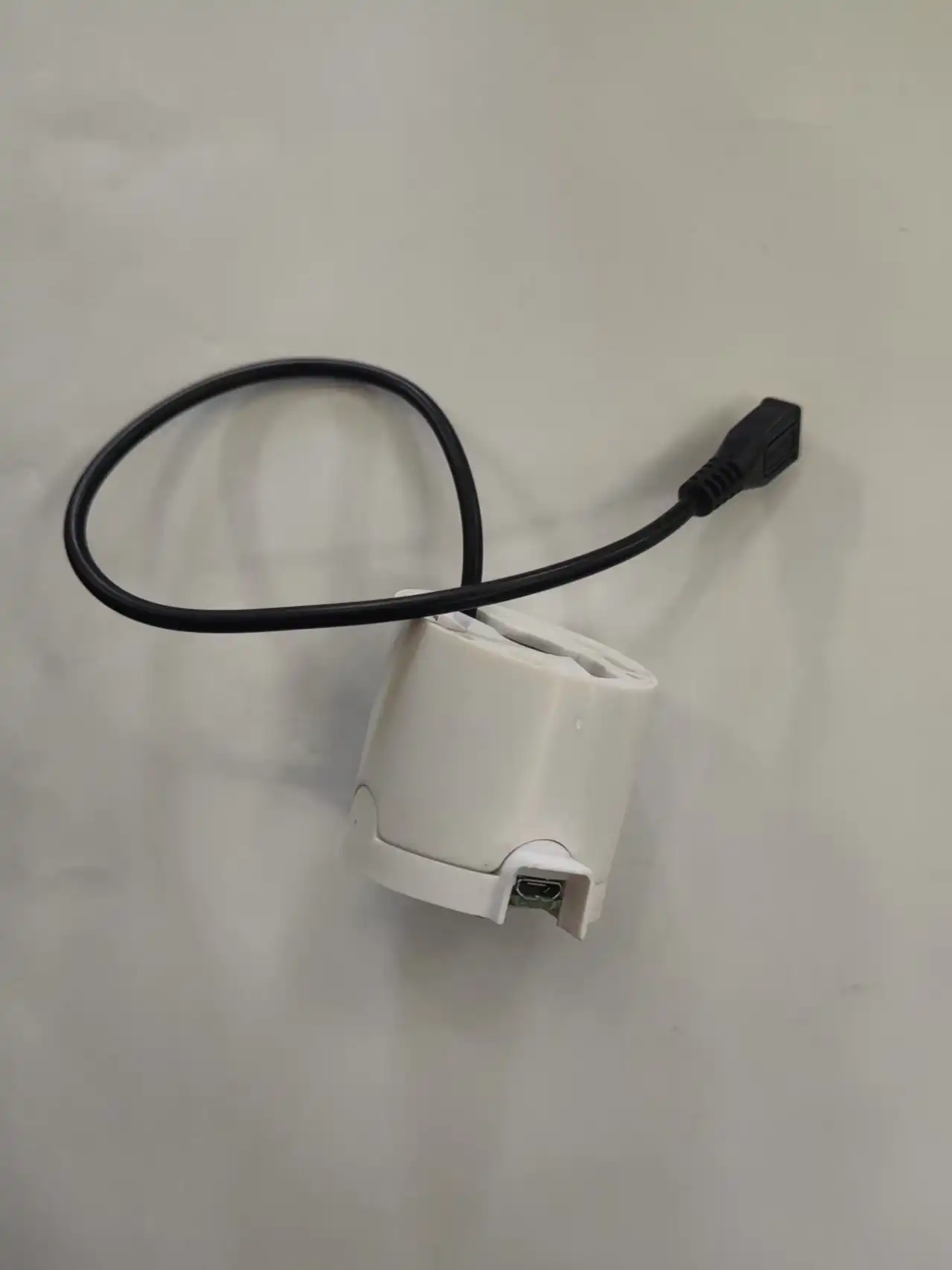
Understanding High Oblique Supports in Alarm Device Parts
What Makes High Oblique Supports Different
The angled geometry of a high oblique support spreads load vectors over a larger contact surface, which is a significant difference from a regular flat bracket. Micro-vibrations are generated by PCBs and sensor modules inside alarm control boxes and explosion-proof junction enclosures during continuous operation. A specialized lateral support structure effectively blocks harmonic resonance, preventing vibration transmission to sensitive internal electronics. According to IEEE Transactions on Components, Packaging, and Manufacturing Technology (2021), structural damping brackets of this design can reduce electronic enclosure failure rates by up to 34% compared with rigid flat mounting structures. This unique structural advantage makes such supports indispensable for long-term stable operation of safety-critical alarm devices.
Material Selection for Demanding Working Environments
Alarm device components deployed in gas safety and fire sensing scenarios are constantly exposed to corrosive chemicals, high humidity, and drastic temperature fluctuations, placing strict requirements on the durability and stability of supporting parts. Aluminum alloy castings, fabricated via high-pressure die casting and gravity casting processes, feature an excellent strength-to-weight ratio and inherent rust resistance, making them the ideal material for manufacturing high oblique support components.
All customized support parts from Rongbao Enterprise are produced at our integrated manufacturing base in Xi’an, China. The one-stop production model integrating die casting, precision CNC machining, and professional surface treatment eliminates dimensional inconsistencies caused by multi-supplier outsourcing. It effectively solves common IP65 sealing failure problems in final assembly, ensuring the overall structural tightness and environmental adaptability of alarm device enclosures equipped with high oblique support structures.

Installation Guidelines for High Oblique Supports in Alarm Devices
Pre-Installation Checks
Standardized pre-installation inspection is the premise to ensure the stable performance and safety compliance of every high oblique support. Before installing any angled support plate, three core inspection items must be completed strictly. First, verify material consistency between the bracket and the alarm device housing to avoid galvanic corrosion that damages structural stability. Second, check the matching degree between mounting hole specifications and the support’s standard installation dimensions to prevent assembly deviation. Third, polish and inspect all contact surfaces to remove casting burrs, oxide layers and impurities that affect torque accuracy.
Skipping these pre-installation checks is a common procurement and construction mistake in B2B alarm device manufacturing. Even high-precision qualified castings may suffer from seating lip cracking due to inaccurate torque values, which directly invalidates the IP protection grade of the entire alarm enclosure. The IPC-A-610 Acceptability of Electronic Assemblies standard (Revision H, 2020) clearly defines mounting integrity as a Class 3 mandatory workmanship requirement for safety-critical electronic equipment.
Step-by-Step Installation Procedure
Standardized installation procedures eliminate assembly errors and maximize the structural damping and load-bearing advantages of precision angled brackets. The universal installation process for aluminum alloy high oblique support components in alarm device enclosures is as follows:
Positioning: Attach the bracket to the designated mounting surface at a standard installation angle of 30° to 60°, adjusted according to the internal geometry of the enclosure. Use a digital angle gauge to ensure angle deviation is controlled within ±0.5° to guarantee uniform diagonal load distribution of the high oblique support.
Pilot hole alignment: Insert professional alignment pins before installing fasteners to fix the position of the bracket. This effectively prevents lateral displacement during fastening and avoids misalignment of cable entry points in junction boxes.
Torque application: Fasten bolts in a cross symmetrical sequence with a calibrated torque wrench. For M5 stainless steel fasteners matched with aluminum alloy brackets and housings, the standard torque range is 3.5–4.5 Nm. Excessive torque will crush the casting thread inserts and damage the support structure.
Seal integrity verification: After fastening is completed, apply approved special sealant evenly along the flange perimeter of the bracket. Conduct a 10-minute pressure decay test under 0.5 bar air pressure to confirm the assembly fully meets IP65 ingress protection standards.
Safety Requirements and Compliance Standards
Applicable Industry Standards and Certifications
Alarm devices equipped with specialized angled bracket structures are mostly used in flammable, explosive and harsh industrial environments, so their design, installation and manufacturing must comply with strict international safety standards. For explosion-proof alarm enclosures and gas detection equipment, the IEC 60079 series standards specify clear requirements for die-cast wall thickness, flange width and joint gap tolerances, fully adapting to Ex d IIB T6 explosion-proof grade parameters for high oblique support applications.
Meanwhile, per the IEC 60529 standard, all connection positions between customized brackets and alarm housings must maintain stable IP65 protection performance, achieving complete dust prevention and anti-water jet impact capability. All Rongbao Enterprise products pass standardized certification inspections, fully meeting international safety and environmental adaptability standards for industrial alarm equipment.
Quality Control and Risk Management
Structural safety of precision support brackets directly determines the operational reliability of the entire alarm system. Insufficient casting wall density and internal micro-porosity defects will cause gas penetration, completely invalidating the explosion-proof performance of the enclosure. In B2B procurement of alarm device parts, enterprises must prioritize suppliers with full-process quality control systems compliant with ISO/TS 16949 manufacturing quality standards for high oblique support production.
Regular quality inspection and batch sampling testing are essential risk management measures. Qualified suppliers should provide complete material composition certificates and casting non-destructive inspection reports for each batch of support products, eliminating hidden dangers such as internal pores, cracks and insufficient structural strength from the source.
Comparison and Selection Criteria for High Oblique Supports in B2B Procurement
Performance Comparison: High Oblique vs. Alternative Support Configurations
Different support structures have obvious performance differences in vibration resistance, load-bearing capacity and environmental adaptability, which directly affects the service life and safety of alarm devices:
Low oblique supports: Suitable only for low-vibration indoor ordinary scenarios. Their shallow inclination angle cannot form effective vibration damping geometry, and stress is concentrated on fastener heads, making them unable to adapt to gas detection equipment near compressors and pipeline vibration sources.
Flat plate braces: Simple to install but occupy large internal enclosure space, easily causing internal wiring layout conflicts in compact alarm control boxes and limiting equipment miniaturization design.
High oblique supports: Realize full-length diagonal load distribution through optimized angled geometry. Finite element analysis data cited in the Journal of Manufacturing Science and Engineering (2022) shows that this structure reduces peak stress by about 28% compared with traditional supports. It is the optimal choice for OEM explosion-proof alarm device and gas safety equipment manufacturers.
Professional Supplier Evaluation Criteria
To purchase stable and compliant high oblique support parts, B2B procurement teams need to focus on the core capabilities of suppliers:
First, flexible small-batch production capacity to adapt to low single-SKU volume characteristics of diversified alarm device models. Second, complete in-house processing capabilities including anodizing and powder coating surface treatment to avoid delivery delays and quality differences caused by secondary outsourcing. Third, efficient sample delivery capability, with sample-to-mass-production lead time controlled within six weeks. Fourth, stable production capacity; Rongbao Enterprise maintains a stable monthly production capacity of 50,000 units with automated casting and precision machining equipment, which can fully respond to customer order demand spikes.

Maintenance, Troubleshooting, and Future Outlook
Regular Inspection and Replacement Schedules
Field-deployed alarm devices and gas meter enclosures equipped with customized angled brackets are exposed to long-term UV radiation, temperature changes and humid environments, requiring standardized daily maintenance. It is recommended to conduct a full visual inspection once a year, focusing on checking for surface corrosion, loose fasteners and micro-cracks near the bending radius of the high oblique support.
If the anodized protective layer on the surface of the bracket shows chalking, pitting and aging phenomena, the component must be replaced in the next maintenance cycle to prevent base material corrosion from damaging the overall structural strength and sealing performance of the alarm enclosure.
Industry Development Outlook
With the continuous upgrading of industrial safety standards and the miniaturization and high-precision development of alarm detection equipment, high oblique support components, as key structural damping parts, will be more widely used in explosion-proof alarm, gas monitoring and fire safety equipment. In the future, with the continuous optimization of casting processes and structural design, such brackets will achieve higher strength, lighter weight and stronger environmental adaptability, providing more reliable structural protection for industrial safety monitoring systems.
Conclusion
The high oblique support is a core safety component that cannot be replaced by traditional flat and low oblique supports in industrial alarm devices, especially explosion-proof and gas safety monitoring equipment. Its unique diagonal load distribution and vibration damping structure effectively reduce structural stress and equipment failure rates, while high-quality aluminum alloy casting materials and standardized installation processes ensure long-term stable operation in harsh environments.
For OEM manufacturers and procurement engineers, selecting standardized, high-precision high oblique support products and formal qualified suppliers is not only a key measure to ensure product safety compliance, but also an important layout to improve product market competitiveness and meet international safety certification standards.
FAQ
When does an alarm device enclosure actually need a high oblique support?
An alarm enclosure needs a high oblique support when it bears multidirectional vibration loads, has internal component weight exceeding 5 kg, or requires IP65 or higher ingress protection. Most gas meter protection covers and explosion-proof switch boxes meet at least two of the above conditions, making high oblique supports a mandatory structural component.
What is the expected service life of an aluminum alloy oblique support casting?
With standardized installation and annual routine maintenance, the anodized aluminum alloy high oblique support has a service life of more than 8 years in conventional outdoor and industrial environments. Regular surface inspection and anti-corrosion maintenance can further extend its service cycle.
Can oblique supports be customized for non-standard enclosure geometries?
Yes. Rongbao Enterprise supports full customized production of high oblique supports, including non-standard angles, sizes, hole positions and surface treatments, adapting to various personalized alarm device enclosure designs and special installation scenarios.
Are these components compliant with export regulations for Southeast Asian markets?
All high oblique support products fully comply with international IEC, ISO and IPC industry standards, meet Southeast Asian market safety certification and environmental protection requirements, and support full-process document traceability for export customs clearance and product certification.
Partner With Rongbao Enterprise for Certified Oblique Support Solutions
If you are looking for high-precision, safety-compliant and cost-effective custom high oblique support parts for alarm devices, Rongbao Enterprise is your reliable long-term OEM partner. We integrate mold development, aluminum alloy casting, precision machining and surface treatment in one factory, with a 50,000-piece monthly production capacity and complete ISO9001:2015, ISO14001, ISO45001 qualification certifications. We provide one-stop customized solutions, fast sample delivery and stable batch supply services.
Feel free to contact us for customized solutions and free quotation! Email: steve.zhou@263.net & zhouyi@rongbaocasting.com
References
[1] IEEE Transactions on Components, Packaging and Manufacturing Technology. (2021). Structural Damping Effects on Electronic Enclosure Reliability. IEEE.
[2] IPC. (2020). IPC-A-610H: Acceptability of Electronic Assemblies. IPC – Association Connecting Electronics Industries.
[3] International Organization for Standardization. (2016). ISO/TS 16949: Quality Management Systems – Automotive. ISO.
[4] Journal of Manufacturing Science and Engineering. (2022). Finite Element Analysis of Oblique Bracket Load Distribution in Enclosure Applications. ASME.
[5] International Electrotechnical Commission. (2014). IEC 60079-0: Explosive Atmospheres – Equipment General Requirements. IEC.
[6] International Electrotechnical Commission. (2013). IEC 60529: Degrees of Protection Provided by Enclosures (IP Code). IEC.
Learn about our latest products and discounts through SMS or email