- English
- French
- German
- Portuguese
- Spanish
- Russian
- Japanese
- Korean
- Arabic
- Greek
- German
- Turkish
- Italian
- Danish
- Romanian
- Indonesian
- Czech
- Afrikaans
- Swedish
- Polish
- Basque
- Catalan
- Esperanto
- Hindi
- Lao
- Albanian
- Amharic
- Armenian
- Azerbaijani
- Belarusian
- Bengali
- Bosnian
- Bulgarian
- Cebuano
- Chichewa
- Corsican
- Croatian
- Dutch
- Estonian
- Filipino
- Finnish
- Frisian
- Galician
- Georgian
- Gujarati
- Haitian
- Hausa
- Hawaiian
- Hebrew
- Hmong
- Hungarian
- Icelandic
- Igbo
- Javanese
- Kannada
- Kazakh
- Khmer
- Kurdish
- Kyrgyz
- Latin
- Latvian
- Lithuanian
- Luxembou..
- Macedonian
- Malagasy
- Malay
- Malayalam
- Maltese
- Maori
- Marathi
- Mongolian
- Burmese
- Nepali
- Norwegian
- Pashto
- Persian
- Punjabi
- Serbian
- Sesotho
- Sinhala
- Slovak
- Slovenian
- Somali
- Samoan
- Scots Gaelic
- Shona
- Sindhi
- Sundanese
- Swahili
- Tajik
- Tamil
- Telugu
- Thai
- Ukrainian
- Urdu
- Uzbek
- Vietnamese
- Welsh
- Xhosa
- Yiddish
- Yoruba
- Zulu
Aluminum Alloy Casting Sensor Cover: Core Advantages Explained
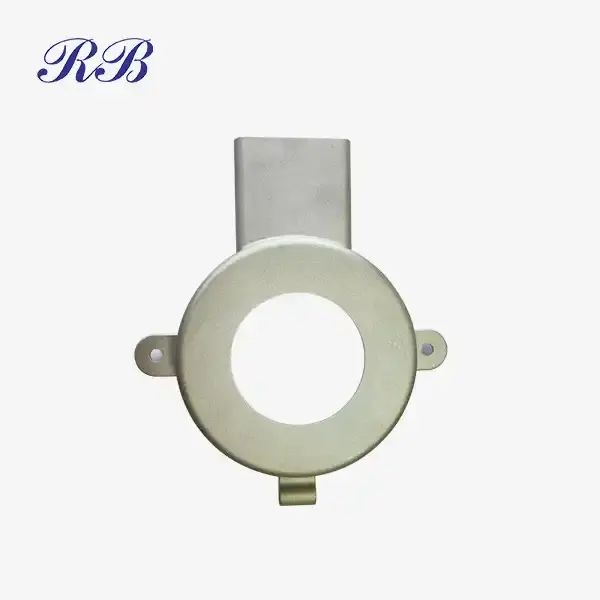
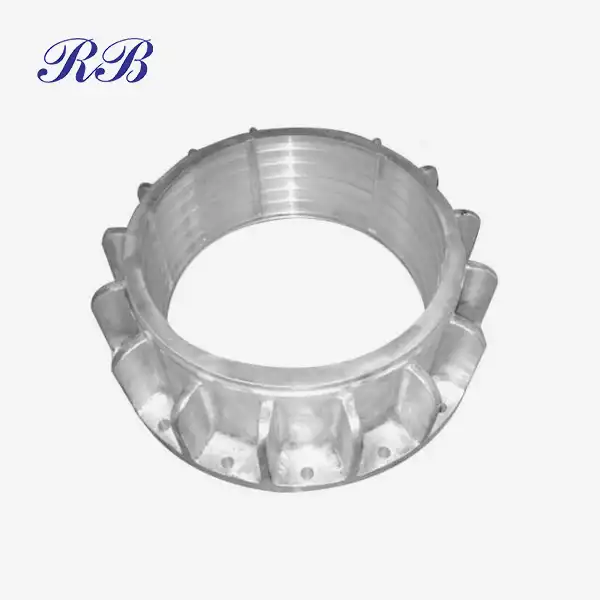
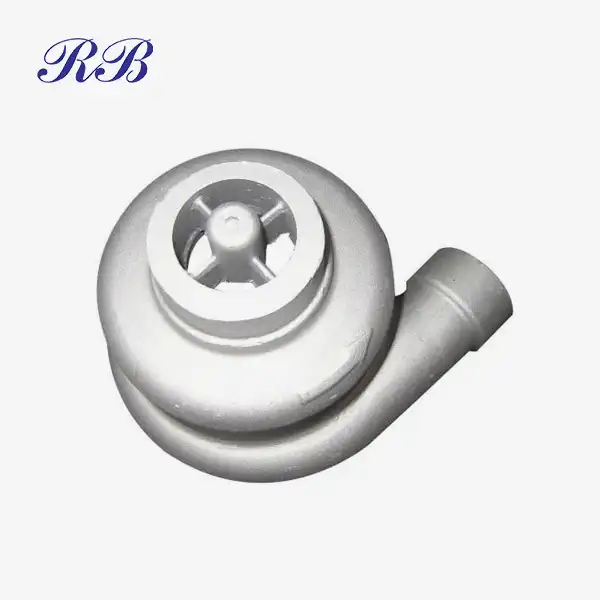
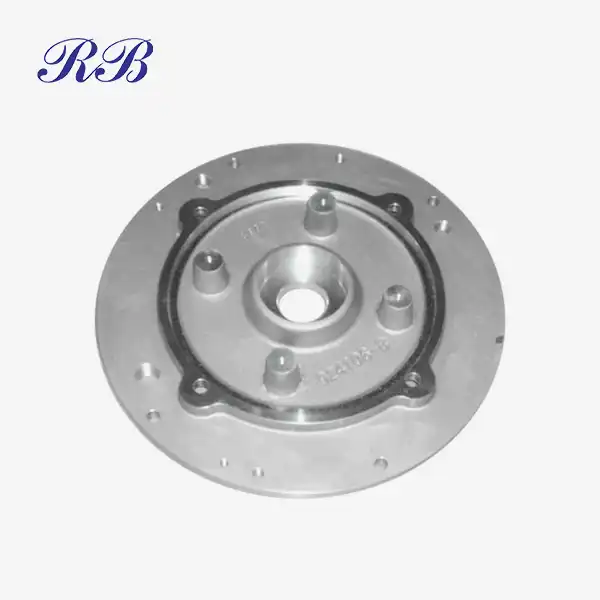
When sourcing protective components for heavy-duty mining equipment, the choice of material directly shapes equipment longevity. An aluminum alloy casting sensor cover delivers a compelling combination of structural integrity, corrosion resistance, and thermal stability that plastic or rubber alternatives simply cannot match in abrasive, high-vibration mining environments. At Rongbao Enterprise, we manufacture ADC12 aluminum alloy sensor covers using precision casting and CNC machining, serving OEM clients in mining, engineering machinery, and industrial equipment sectors across North America, Europe, and beyond.
What Are Aluminum Alloy Casting Sensor Covers and Their Core Advantages?
Basic Functional Definition for Mining Equipment Scenarios
A professional aluminum alloy casting sensor cover acts as a durable protective housing for precision measuring sensors on heavy-duty mining machinery. It effectively shields sensitive sensor components from external impact damage, water intrusion, dust accumulation, and extreme temperature fluctuations. This protective performance is indispensable for mining equipment, as on-site oil tank units and hydraulic systems continuously face intense mechanical vibration and abrasive particle erosion, which can easily cause signal deviation or component failure of unprotected sensors.
Superior Mechanical and Dimensional Stability Features
Aluminum alloy casting sensor cover features outstanding lightweight and high-strength properties, with a material density only one-third of steel while maintaining a tensile strength of over 200 MPa for standard ADC12 grades. According to the ASM Handbook on Casting (2008), ADC12 aluminum alloy exhibits excellent fluidity during die casting processes, enabling precise forming of complex structural shapes with uniform and consistent wall thickness. This stable molding capability ensures high dimensional consistency of finished products in large-batch production, perfectly meeting the standardized assembly requirements of OEM mining equipment.
Unique Performance Advantages of ADC12 Casting Alloy
Equivalent to North American A383 standard alloy, ADC12 is optimized with silicon and copper alloying elements, significantly enhancing casting performance and comprehensive mechanical properties of the aluminum alloy casting sensor cover. With a thermal conductivity of approximately 96 W/m·K, the alloy efficiently dissipates accumulated heat near sensors in engine and hydraulic systems, avoiding detection data drift caused by temperature changes. In addition, the natural self-repairing oxide layer on the alloy surface provides reliable anti-rust and anti-corrosion protection for damp and dusty mining environments, extending component service life without relying on heavy protective coatings.
Market Material Comparison: Aluminum Alloy Casting Sensor Cover vs. Traditional Materials
Performance Gap with Plastic and Rubber Protective Parts
Multiple protective materials including HDPE, nylon composites and rubber gaskets are widely available in the market, but they have obvious limitations in heavy mining scenarios compared with aluminum alloy casting sensor cover. The core drawbacks of plastic and rubber alternatives are summarized below:
-
High-temperature instability: Engineering plastics such as HDPE and nylon gradually soften at 80–100°C and completely lose structural rigidity above 150°C, failing to adapt to high-temperature environments near mining vehicle exhaust and hydraulic circuits.
-
Long-term creep deformation: Plastic materials are prone to permanent shape shift under sustained mechanical load, resulting in degraded sealing performance and reduced protective capability over time.
-
Poor dimensional precision: Rubber and elastomeric covers deliver basic vibration damping but cannot maintain the tight tolerances required for CNC-machined mating surfaces.
-
Vibration-induced misalignment: Repeated thermal cycling and continuous mining vibration cause irreversible rubber deformation, triggering sensor offset and unstable signal output — issues fully eliminated by rigid aluminum alloy cast structures.
Although rubber and elastomeric covers have certain vibration damping effects, they lack the precise dimensional tolerance required for CNC machining mating surfaces. Sensor detection accuracy relies on stable mounting geometry, and repeated thermal cycles and mechanical vibration will cause irreversible deformation of rubber parts, leading to sensor misalignment and signal errors — a key defect completely avoided by high-precision aluminum alloy castings.
Comprehensive Advantages Over Stainless Steel Casings
Stainless steel casings boast excellent corrosion resistance, but they have fatal drawbacks for mobile mining equipment when compared with aluminum alloy casting sensor cover:
-
Excessive weight burden: Stainless steel is approximately 2.7 times heavier than aluminum alloy by equivalent volume. The extra unsprung weight increases mining vehicle fuel consumption and aggravates mechanical component fatigue.
-
Higher operating costs: Heavier steel casings raise long-term energy consumption and accelerate wear on suspension and hydraulic systems.
-
Lower overall cost performance: Although stainless steel has similar corrosion resistance, its high weight and higher material cost make it uneconomical for large-batch mining equipment assembly.
For professional procurement managers, aluminum alloy casting sensor cover achieves an optimal balance of initial procurement cost, replacement frequency and equipment downtime risk. It eliminates the respective defects of plastic, rubber and stainless steel materials, becoming a full lifecycle optimized solution for heavy industrial sensor protection.
Installation, Maintenance, and Cleaning Best Practices
Standard Installation Checklist for Mining Equipment
Scientific and standardized installation is the premise to maximize the service performance of aluminum alloy casting sensor cover. Follow this professional installation checklist for mining sensor port assembly:
-
Clean the mating flange thoroughly to remove burrs, residual sealant, and corrosion scale to ensure full surface contact and tight fitting.
-
Apply qualified anaerobic thread-locking compound on fastener threads instead of simple compression fixation to resist mining vibration and prevent loosening.
-
Adopt cross-pattern bolt tightening to distribute clamping force evenly across the gasket surface and avoid local stress concentration.
-
Avoid over-torque operation to protect the precision-machined sealing surface and preserve original waterproof and dustproof performance.
Routine Maintenance and Scientific Cleaning Protocol
Strict daily maintenance and standardized cleaning protocols are critical to retaining long-term stability of aluminum alloy casting sensor cover in harsh mining environments. Key rules include:
-
Standard cleaning method: Use only pH-neutral cleaner with soft brushes, followed by low-pressure clean water rinsing.
-
Prohibited operations: Never use alkaline cleaners with pH above 10, which damage the aluminum passive oxide layer and accelerate surface aging.
-
Regular vibration inspection: Check all mounting nuts every three months and re-tighten loose fasteners to standard torque values for high-vibration mine sites.
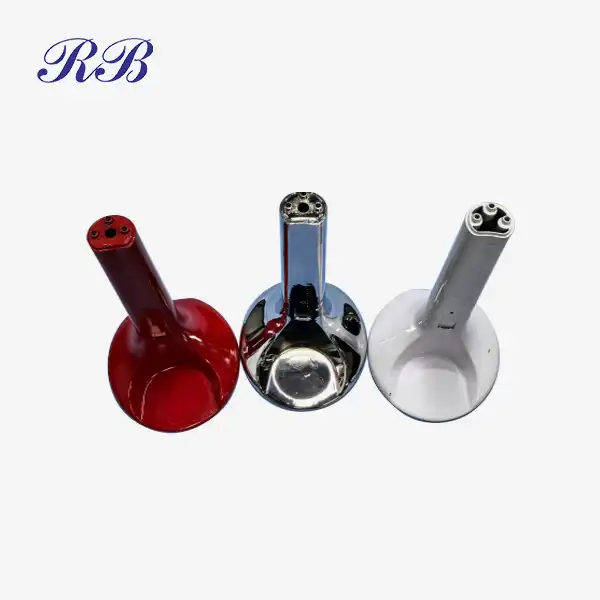
Rongbao Enterprise’s polished finished aluminum alloy casting sensor cover features ultra-low surface adhesion, reducing dust and particle accumulation effectively. This design lowers daily cleaning frequency and overall maintenance costs compared with ordinary anodized and untreated aluminum parts.
Performance Verification and Lifecycle Cost Advantages
Professional Performance Benchmark Test Data
Independent performance benchmarking data from the Journal of Materials Engineering and Performance (2019) fully verifies the superior stability of aluminum alloy casting sensor cover. After 500 hours of salt spray corrosion testing, ADC12 die-cast aluminum alloy components maintain more than 95% dimensional accuracy. In contrast, zinc alloy castings of the same specification begin to suffer dimensional deviation and performance attenuation after only 300 hours of testing. This excellent corrosion resistance and dimensional stability enable aluminum alloy cast covers to achieve universal interchangeability in OEM standard equipment platforms without on-site secondary modification.
Long-Term Total Cost of Ownership Benefits
From the perspective of full lifecycle cost accounting, aluminum alloy casting sensor cover has far higher cost performance than traditional materials. Engineering plastic protective parts can only serve 2–3 years in harsh mining environments, while ADC12 aluminum alloy cast components have a service life of 5–7 years. The prolonged service cycle greatly reduces parts replacement frequency, manual maintenance costs and equipment shutdown losses. For fleets of 50 to 200 mining trucks, the overall cost savings brought by standardized aluminum alloy sensor protection solutions are extremely significant.
B2B Procurement Guide for Aluminum Alloy Casting Sensor Cover
Core Supplier Strength Evaluation Criteria
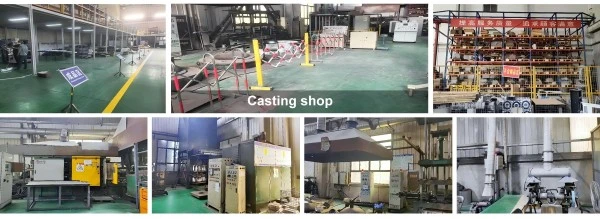
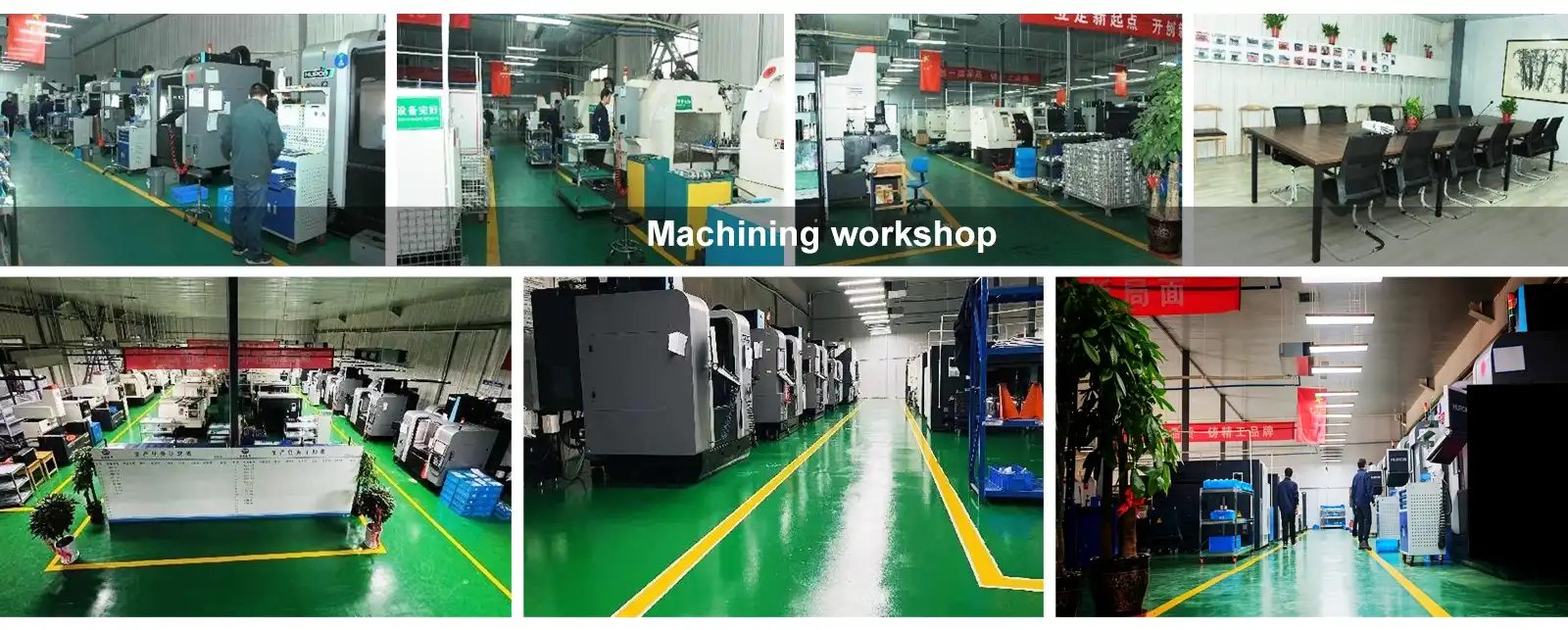
High-quality procurement of aluminum alloy casting sensor cover should break the single unit-price comparison mode and focus on comprehensive supplier strength and stable supply capacity. Rongbao Enterprise has standardized automated casting and CNC precision machining production lines, with a stable batch production capacity of 50,000 pieces per cycle, fully matching OEM equipment assembly progress and ensuring punctual delivery.
The company holds complete ISO9001:2015 quality management, ISO14001 environmental management and ISO45001 occupational health and safety management certifications, realizing full-process standardized control from raw material incoming inspection to finished product delivery. It meets the strict ESG reporting and production compliance requirements of mining enterprises in Australia, Chile, South Africa and other major mining regions.
Customization Service and Quality Assurance System
Different mining vehicle platforms have differentiated requirements for sensor port structure, flange size and mounting angle. Rongbao’s professional engineering team provides one-stop full-process OEM/ODM customization services, covering 3D drawing confirmation, mold development, sample trial production and first-piece inspection, realizing personalized customization of aluminum alloy casting sensor cover without changing the customer’s original assembly line.
Each batch of products is equipped with complete material certification reports, dimensional inspection records and surface treatment qualification documents. Standard export wooden box packaging is adopted to avoid collision and damage during long-distance transportation, ensuring that the polished surface and dimensional accuracy of aluminum alloy casting sensor cover remain intact before customer assembly. With 20 years of casting production experience, 70% of Rongbao’s products are exported to North America, Europe, Japan and other high-standard markets, with mature and reliable global supply service capabilities.
Conclusion
Aluminum alloy casting sensor cover has become the preferred protective component for heavy-duty mining and industrial machinery by virtue of excellent mechanical properties, extreme environment adaptability and ultra-high full-cycle cost performance. The high stability of ADC12 alloy materials, combined with precision CNC machining and professional surface treatment technology, solves the durability and precision pain points of plastic, rubber and stainless steel protective parts in harsh mining scenarios. Cooperating with certified, experienced and customized professional manufacturers helps industrial equipment procurement teams build standardized, stable and low-cost long-term supply chains.
FAQ
Are aluminum alloy cast sensor covers compatible with all mining sensor types?
ADC12 aluminum alloy casting sensor cover is universally compatible with mainstream mining equipment sensors including pressure transducers, temperature sensors and hydraulic fluid level sensors. Rongbao supports full-size customization of flange specifications, port positions and fastener structures, which can perfectly match non-standard sensor interface designs and will not affect the normal assembly and operation of existing equipment production lines.
How does aluminum alloy protection extend sensor service life in mining environments?
The natural oxide protective layer of aluminum alloy can effectively isolate mine water, hydraulic chemical fluids and abrasive dust, preventing sensor corrosion and structural damage. Equipped with high-precision polished surface and stable structural rigidity, the aluminum alloy casting sensor cover maintains excellent sealing integrity and geometric stability under long-term temperature cycling and high-frequency vibration, greatly extending the service life of precision sensors compared with plastic and rubber protective parts.
What is the most critical maintenance for cover waterproof performance?
Regular fastening torque inspection is the core maintenance procedure to maintain waterproof integrity. Long-term equipment vibration will cause bolt loosening, forming tiny gaps on the mating surface and leading to dust and moisture penetration. Regularly checking and calibrating fastening load every three months can keep the sealing performance stable, making the waterproof service life of the aluminum alloy casting sensor cover reach or even exceed the rated service life of supporting sensors.
Partner with Rongbao Enterprise: Your Trusted Sensor Cover Manufacturer
Rongbao Enterprise boasts 20 years of professional aluminum alloy casting experience and complete ISO system certifications, focusing on the R&D and customized production of high-strength mining-grade aluminum alloy casting sensor cover. Our products are specially optimized for high-vibration, dusty and corrosive mining working conditions, with stable quality and reliable performance. We support large-batch OEM orders and personalized ODM customized solutions. Global customers can contact us via steve.zhou@263.net and zhouyi@rongbaocasting.com for sample testing and project quotation, or visit the official website rongbaocasting.com for more product details.
References
ASM International. ASM Handbook, Volume 15: Casting. ASM International, 2008.
Kaufman, J.G., and Rooy, E.L. Aluminum Alloy Castings: Properties, Processes, and Applications. ASM International, 2004.
Aluminum Association. Aluminum: The Element of Sustainability. The Aluminum Association, 2022.
Journal of Materials Engineering and Performance. Dimensional Stability of Die Cast Aluminum and Zinc Alloys Under Corrosive Exposure. Springer, 2019.
International Organization for Standardization. ISO 9001:2015 Quality Management Systems — Requirements. ISO, 2015.
International Organization for Standardization. ISO 14001:2015 Environmental Management Systems — Requirements. ISO, 2015.
Learn about our latest products and discounts through SMS or email