- English
- French
- German
- Portuguese
- Spanish
- Russian
- Japanese
- Korean
- Arabic
- Greek
- German
- Turkish
- Italian
- Danish
- Romanian
- Indonesian
- Czech
- Afrikaans
- Swedish
- Polish
- Basque
- Catalan
- Esperanto
- Hindi
- Lao
- Albanian
- Amharic
- Armenian
- Azerbaijani
- Belarusian
- Bengali
- Bosnian
- Bulgarian
- Cebuano
- Chichewa
- Corsican
- Croatian
- Dutch
- Estonian
- Filipino
- Finnish
- Frisian
- Galician
- Georgian
- Gujarati
- Haitian
- Hausa
- Hawaiian
- Hebrew
- Hmong
- Hungarian
- Icelandic
- Igbo
- Javanese
- Kannada
- Kazakh
- Khmer
- Kurdish
- Kyrgyz
- Latin
- Latvian
- Lithuanian
- Luxembou..
- Macedonian
- Malagasy
- Malay
- Malayalam
- Maltese
- Maori
- Marathi
- Mongolian
- Burmese
- Nepali
- Norwegian
- Pashto
- Persian
- Punjabi
- Serbian
- Sesotho
- Sinhala
- Slovak
- Slovenian
- Somali
- Samoan
- Scots Gaelic
- Shona
- Sindhi
- Sundanese
- Swahili
- Tajik
- Tamil
- Telugu
- Thai
- Ukrainian
- Urdu
- Uzbek
- Vietnamese
- Welsh
- Xhosa
- Yiddish
- Yoruba
- Zulu
Guide to Casting Accessories for B2B Sourcing and Production Adaptability Tips
When you're navigating the complex world of industrial manufacturing, casting accessories represent the foundation of delivering precision-engineered components for gas safety, alarm systems, and protective equipment. These specialized parts—ranging from aluminum housings to intricate valve components—demand more than off-the-shelf solutions. They require partners who understand explosion-proof standards, regulatory compliance, and the agility to scale production from prototype batches to full production runs. At Rongbao Enterprise, we've spent two decades perfecting the art of transforming raw aluminum alloys into safety-critical components that protect lives and infrastructure across global markets.
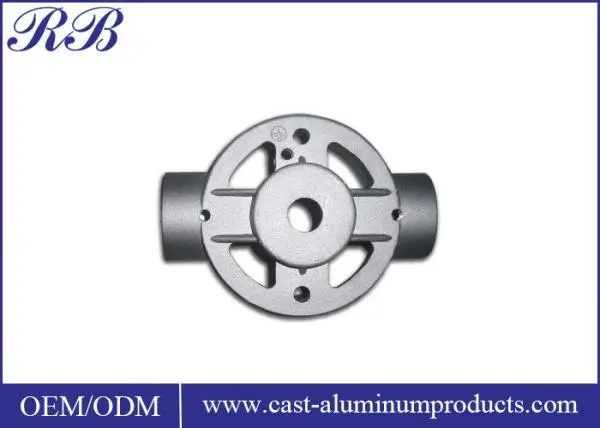
Casting Components for Safety Equipment Manufacturing
Cast aluminum parts for safety and gas monitoring devices come in a lot of different shapes and sizes. Modern alarm housings and protective covers must meet strict standards, such as Ex d IIB T6 explosion-proof ratings and IP65 ingress protection. Choosing the right materials is a key part of meeting these guidelines. Because it is easy to cast, doesn't rust, and transfers heat well, A380 aluminum alloy has become the best choice for natural gas control valve housings and alarm device cases. This metal keeps its shape even at very high and very low temperatures, and it protects sensitive electrical parts from electromagnetic fields.
Material Properties That Drive Performance
A380 alloy has amounts of silicon that make it more fluid during casting. This lets makers make thin wall sections without lowering the strength of the metal. The copper content makes it easier to work with in CNC operations later on, and the magnesium add-ons give it enough tensile strength for protective uses. The tensile strength of parts made from this material is usually higher than 300 MPa, and the stretch qualities are good for shock-resistant housings. Surface treatments, such as shot blasting, make parts even more resistant to wear by putting compressive pressures on the outer layers. This makes the parts last longer in harsh industrial settings.
Process Selection for Component Complexity
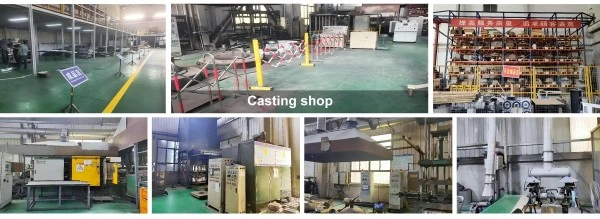
High-pressure die casting gives sealing surfaces on explosion-proof enclosures the exact dimensions they need. At pressures of up to 10,000 psi, this method presses liquid aluminum into steel molds, making parts that are almost perfectly round and have tolerances of as little as 0.1 mm. High-pressure ways cause solidification to happen quickly, which makes fine-grain microstructures that improve mechanical qualities. For parts that weigh 0.8 kg, like gas meter covers, this method cuts down on the amount of later machining that needs to be done while keeping the wall thickness constant, which is important for keeping air in. At our Xi'an facility, we use automated trimming systems that get rid of flash within seconds of ejection, so each dedicated cell can keep producing more than 5,000 pieces per month.
Strategic Sourcing Frameworks for Specialized Cast Components
When looking for casting accessories, procurement teams that are in charge of making safety tools face some unique problems. Unlike commodity parts, these components need to meet the needs of many people: engineering needs to make sure they meet certification requirements, production needs to be able to change batch sizes, and finance needs competitive unit economics. Structured models for evaluating suppliers help successful buying strategies balance these different needs. We suggest checking out potential partners on five areas: sample production to see if they have the technical skills, ISO certifications to see how mature the quality system is, capacity audits to see how scalable the production is, service responsiveness to see how long lead times are, and commercial flexibility to see how low the minimum order quantities are.
Certification Requirements That Cannot Be Negotiated
With ISO9001:2015 certification, suppliers must keep documented quality management systems that can be tracked from the chemistry of the raw materials to the final inspection. Following ISO14001 rules for the environment is especially important for surface cleaning methods that use chemical baths and waste stream control. The ISO45001 standards for occupational health protect workers from common hazards in foundries. These certifications are more than just pretty things to hang on the wall; they show organized ways to keep processes under control that lower the number of mistakes and variations in delivery. When looking at casting providers, make sure that the certification scope details cover all the manufacturing steps you'll need.
Evaluating One-Stop Manufacturing Capabilities
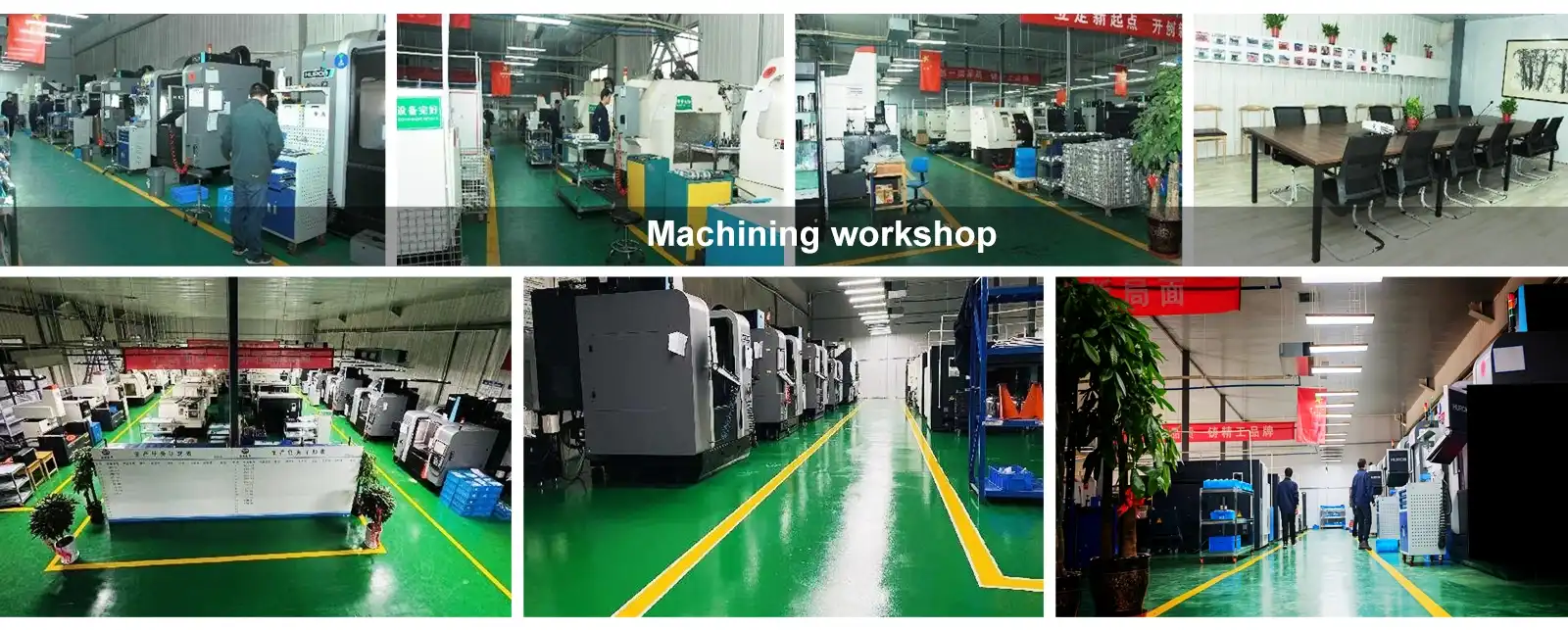
In traditional ways of buying things, you have to coordinate with several sellers for tasks like casting, milling, surface treatment, and assembly. This division makes transactions more expensive, takes longer, and raises quality handoff risks. Integrated manufacturers who can do everything, from designing the mold to delivering the finished part, get rid of these wastes. Our method uses a 20,000-square-meter building that has five-axis CNC machining centers, automated shot blasting systems, and in-house tool development. With this combination, we can go from approved drawings to packaged parts in 6 to 8 weeks for first orders. For later orders, we can ship within days of receiving the order.
Adapting Production Systems for Market Responsiveness
In the safety equipment business, new products are always being made. Changes in regulations force designers to update their work, competition forces them to add new features, and customer feedback forces them to keep improving. Companies that want to sell their goods in these areas need casting partners that can adapt instead of rigid mass production. Production freedom shows up in many ways, such as the ability to change the mold, accommodate different batch sizes, and use different materials. Our engineering team keeps a library of tried-and-true gate designs and cooling setups that speed up the release of new products and cut down on the number of times they have to be tried and failed.
Small Batch Economics Without Premium Penalties
In traditional die casting economy, high-volume production is favored because the cost of the tools is spread out over hundreds of thousands of pieces. Because they have to make a lot of different products, safety equipment makers rarely get such high amounts for individual part numbers. We've changed the way we plan our production so that we can afford to do runs as low as 500 units by making a few changes to how we do things. Quick-change mold methods make it possible to switch out dies in less than two hours, while normal changes take a whole day. Cellular production plans assign equipment groups to families of products instead of process types, which lowers the number of times that the layout needs to be set up. Paper-based job travelers that slow down changeovers are no longer needed with digital work instructions. These seemingly small changes add up to lower prices that make customization possible.
Customization Depth That Matches Design Intent
When it comes to design ownership and intellectual property, OEM and ODM service models are very different. Original Equipment Manufacturing (OEM) is the process of making parts according to the specifications given by the buyer, who also owns all the design rights. Original Design Manufacturing gives the seller creative control over coming up with solutions that meet practical needs while protecting the design intellectual property (IP). We support both models thru engineering relationships where we work together. Our expert staff can improve the geometry of the casting so that it is easier to make, suggest different gating schemes that lower the risk of porosity, or suggest surface finish choices that make the casting more resistant to corrosion. With this consultative method, procurement goes from being a one-time deal to a strategic relationship.
B2B Procurement Decision Framework for Cast Aluminum Components
When purchasing professionals look at casting accessories suppliers, they should base their evaluation on a few main questions. Does the supplier have a track record of success in your specific application domain, as shown by references from gas safety or alarm manufacturing customers? Can they make fitting samples in a reasonable amount of time that prove both their technical skills and their ability to communicate clearly? Do their quality certifications cover all the steps of production that you'll need, or just the final assembly? What backup plans are there in case capacity is limited because of high demand or broken equipment? How do their wait times compare for making the first tool, making models of the finished product, and producing large amounts?
Balancing Cost Considerations Against Total Value
The unit price is only one part of the total cost of acquisition. The number of defects determines how much the guarantee costs and how happy the customer is. Late deliveries cause problems with production and cost extra to speed things up. When people don't talk to each other well, it leads to engineering change order processes and later product launches. Smart procurement teams use total cost of ownership models to figure out these hidden costs when they evaluate suppliers. If a casting provider charges 15% more per piece but delivers 99.5% quality instead of 95% yield, the total cost may be less because there will be less repair and scrap. In the same way, sellers that offer bundled services don't have to deal with handling multiple vendor relationships, even if the individual parts of their services cost a little more than those from specialized providers.
Building Strategic Supplier Relationships
Using open bids and switching suppliers often to keep prices low is how transactional purchasing handles common goods. When strategic parts are involved, they should be handled differently. This can be done thru partnerships that help both the buyer and the supplier succeed. We put effort into learning about our customers' product roadmaps, application environments, and competitive challenges so that we can suggest ways to make things better before they happen. Long-term deals make it possible to see how much is being produced, which lets you invest in capacity and place your goods. In joint development projects, the risks and benefits of releasing a new product are shared. These aspects of partnerships make both sides dependent on each other, which pushes them to keep getting better instead of negotiating in a hostile way.
Conclusion
Finding casting accessories for making safety equipment is more complicated than just looking for cheap manufacturers. For a purchase to go well, the partners must have scientific knowledge in aluminum metallurgy, quality systems that meet international standards, the ability to produce in different batch sizes, and a focus on service that makes contact quick. From the first question to approved production, the process includes validating samples, checking dimensions, and making small changes over and over again. Manufacturers who choose to build effective ties with their suppliers instead of just buying things when they need them get a lot of benefits, such as shorter time-to-market, better quality, and lower unit costs. The casting supplier you choose becomes an extension of your technical and manufacturing skills. Choosing a partner is one of the most important business choices you will ever make.
FAQ
What certifications should casting suppliers possess for explosion-proof component production?
Suppliers who make parts for dangerous environments must keep their ISO9001:2015 quality management certification, which shows that they can control the process and track it back to the source. The ISO14001 environmental approval makes sure that casting waste and surface treatment chemicals are handled properly. The ISO45001 certification for occupational health and safety protects workers in foundries. In addition to these management systems, you should ask for proof that they know about the ATEX directives or IECEx standards that govern the design of explosion-proof equipment. Suppliers who have worked in this field before will know what the sealing surface needs to be like, how to test for material conductivity, and how to follow the testing methods needed for approval.
How do minimum order quantities affect component economics in safety device manufacturing?
When you make more than 10,000 pieces a year, the economics of traditional die casting become more favorable because the costs of the tools are spread out over enough output. Because their products are so different and demand isn't always clear, companies that make safety gear often need smaller batches. Look for suppliers that offer flexible scheduling, quick-change tools, and cellular manufacturing that lowers the MOQ. Operational improvements that shorten setup times and allow efficient small-batch processing without prohibitive per-piece fees make it possible to make runs of 500 to 1,000 pieces.
Partner With Rongbao Enterprise for Certified Aluminum Casting Solutions
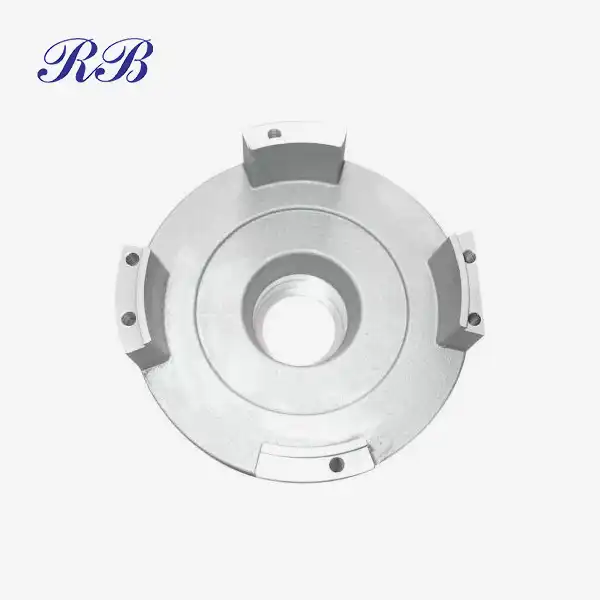
Join forces with Rongbao Enterprise to get certified casting services for aluminum. Rongbao Enterprise offers a wide range of aluminum casting services designed to meet the needs of gas safety and alarm device makers who need certified, explosion-proof parts. Our Xi'an plant has combined production cells that can make up to 5,000 pieces per product line per month. These cells combine high-pressure die casting, precise CNC machining, and shot blasting to treat the surface. We are certified in ISO9001:2015, ISO14001, and ISO45001, which cover the whole manufacturing process, from making the molds to checking the finished products. Our engineering team is an expert in making A380 alloy parts for alarm enclosures, protective housings, and natural gas control valves that meet IP65 and Ex d IIB T6 standards. As a reliable company that makes casting accessories manufacturer for safety equipment brands around the world, we offer OEM/ODM customization from the first prototypes to mass production, with first articles ready in as little as six weeks. Get in touch with our team at steve.zhou@263.net or zhouyi@rongbaocasting.com to talk about the specific parts you need and get full technical offers based on our 20 years of experience casting aluminum.
References
- Campbell, J. (2015). Complete Casting Handbook: Metal Casting Processes, Metallurgy, Techniques and Design. Butterworth-Heinemann.
- Kaufman, J.G. & Rooy, E.L. (2004). Aluminum Alloy Castings: Properties, Processes, and Applications. ASM International.
- Beeley, P.R. (2001). Foundry Technology. Butterworth-Heinemann.
- Gruzleski, J.E. & Closset, B.M. (1990). The Treatment of Liquid Aluminum-Silicon Alloys. American Foundry Society.
- Bonollo, F., Urban, J., Bonatto, B., & Botter, M. (2005). Gravity and Low Pressure Die Casting of Aluminium Alloys: A Technical and Economical Benchmark. Materials Science Forum.
- Jorstad, J.L. (2014). Understanding Semisolid and Squeeze Casting. North American Die Casting Association Technical Paper.
Learn about our latest products and discounts through SMS or email