- English
- French
- German
- Portuguese
- Spanish
- Russian
- Japanese
- Korean
- Arabic
- Greek
- German
- Turkish
- Italian
- Danish
- Romanian
- Indonesian
- Czech
- Afrikaans
- Swedish
- Polish
- Basque
- Catalan
- Esperanto
- Hindi
- Lao
- Albanian
- Amharic
- Armenian
- Azerbaijani
- Belarusian
- Bengali
- Bosnian
- Bulgarian
- Cebuano
- Chichewa
- Corsican
- Croatian
- Dutch
- Estonian
- Filipino
- Finnish
- Frisian
- Galician
- Georgian
- Gujarati
- Haitian
- Hausa
- Hawaiian
- Hebrew
- Hmong
- Hungarian
- Icelandic
- Igbo
- Javanese
- Kannada
- Kazakh
- Khmer
- Kurdish
- Kyrgyz
- Latin
- Latvian
- Lithuanian
- Luxembou..
- Macedonian
- Malagasy
- Malay
- Malayalam
- Maltese
- Maori
- Marathi
- Mongolian
- Burmese
- Nepali
- Norwegian
- Pashto
- Persian
- Punjabi
- Serbian
- Sesotho
- Sinhala
- Slovak
- Slovenian
- Somali
- Samoan
- Scots Gaelic
- Shona
- Sindhi
- Sundanese
- Swahili
- Tajik
- Tamil
- Telugu
- Thai
- Ukrainian
- Urdu
- Uzbek
- Vietnamese
- Welsh
- Xhosa
- Yiddish
- Yoruba
- Zulu
Types of Casting Coupling Flange Parts
Cast coupling flange components are essential connectors in industrial systems that join pipes, valves, and equipment through bolted connections. These components ensure leak-proof, reliable joints in high-pressure environments, from power transmission networks to chemical processing facilities. Manufactured through casting processes like sand casting and gravity casting, these flanges utilize materials such as aluminum alloy A356, carbon steel, and stainless steel. Each material offers distinct advantages in conductivity, corrosion resistance, and mechanical strength. Understanding the various types of flange couplings and their specifications helps procurement professionals make informed decisions that balance performance, safety, and long-term operational costs.
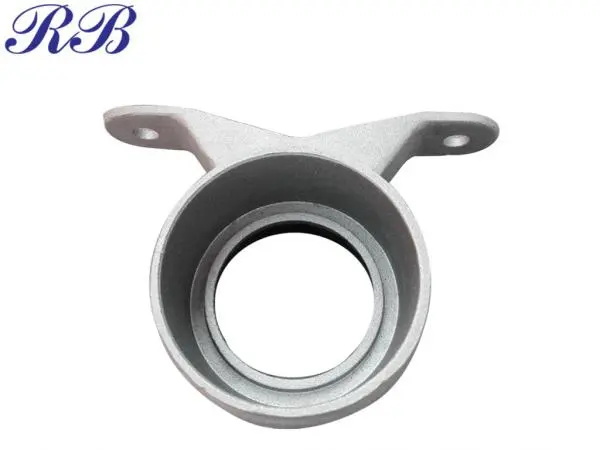
Understanding Cast Coupling Flange Components
What Are Cast Coupling Flanges?
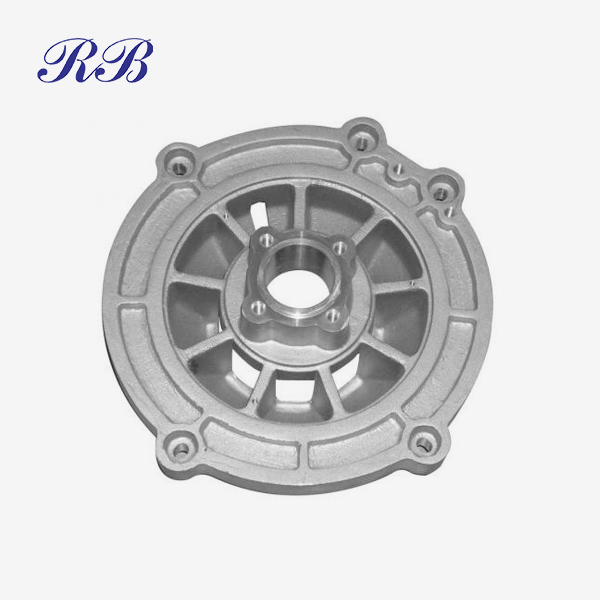
Coupling flanges are round parts with raised edges that join spinning shafts or pipe pieces together. By putting liquid metal into molds during the casting process, these parts can have complicated shapes and the same density of material. This way of making things keeps structures from having holes in them and makes sure they work the same way under repeated stress. Aluminum coupling flanges connect conductors and support structures in power transmission applications. They need to be strong mechanically and electrically. When it comes to bigger or more complicated shapes, the casting method gives designers more freedom than the machined or formed options.
Common Materials and Their Properties
The choice of material has a direct effect on how well the cast coupling flange works in certain conditions. A356 aluminum alloy is commonly used in power and telecom facilities because it has a high strength-to-weight ratio and is very resistant to rust. This alloy keeps its shape in outdoor projects that are subject to changes in temperature and moisture. For heavy-duty uses, carbon steel flanges have a high tensile strength, while stainless steel versions work well in chemically aggressive settings. Ductile iron makes water cleaning systems last longer for less money. The thermal conductivity, density, and resistance to oxidation of a material determine its suitability for a given set of conditions. To avoid early fails or high upkeep costs, procurement teams must make sure that the properties of materials match the needs of the project.
International Quality Standards
Flanges meet safety and performance standards when they follow well-known rules. In North America, ANSI B16.5 sets the sizes and pressures for pipe flanges, while ASME rules control how they are used for pressure vessels. European industrial systems use DIN standards, and ISO certifications provide quality security that is known around the world. Parts that are certified under ISO 9001:2015 show that the production process is consistent. ISO 14001 shows how to handle the environment, and ISO 45001 talks about health and safety at work. These certifications are very important for companies that make power equipment because their parts have to go thru a lot of tests before they can be connected to the grid. By checking the certificates of suppliers, buyers are protected from low-quality goods that could hurt the stability of systems or make it harder to follow the rules.
Different Types of Cast Coupling Flange Components
Different businesses have different technical and operational needs that can be met by the different flange designs. Knowing these differences helps people who work in buying choose the right part for each situation.
Slip-On Flanges
Slip-on cast coupling flanges are easier to install in low-pressure systems because they can be slid over the ends of pipes before they are welded. This design makes it easier to line up parts during assembly, but it doesn't support the structure as well as other options. Slip-on designs are common in water treatment plants and HVAC systems. They work well in places where pressure needs to be modest and installation speed is important. These flanges are lighter and cheaper because the material isn't as thick, but they can't hold as much weight. When fixes need to be done, maintenance teams like how easy it is to replace parts.
Weld Neck Flanges
Weld neck cast coupling flanges have a long, curved hub that fits straight onto the pipe walls to make a strong joint that won't break under stress. This design works great in places with a lot of pressure and heat where the structure's integrity can't be compromised. The slow change from pipe to flange spreads stress widely, which lowers the risk of fatigue cracking in tough situations. Weld neck flanges are used for important links in power plants and industrial plants. Although they cost more to make than slip-on alternatives, the higher level of dependability makes the extra money worth it in situations where mistakes have bad results.
Blind Flanges and Specialized Types
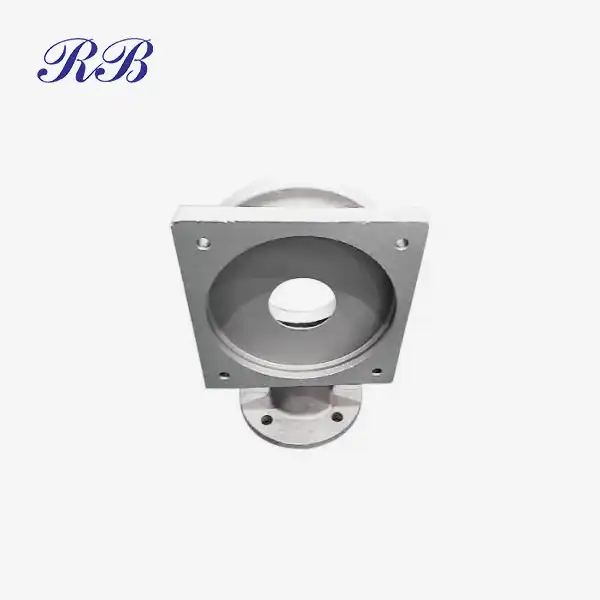
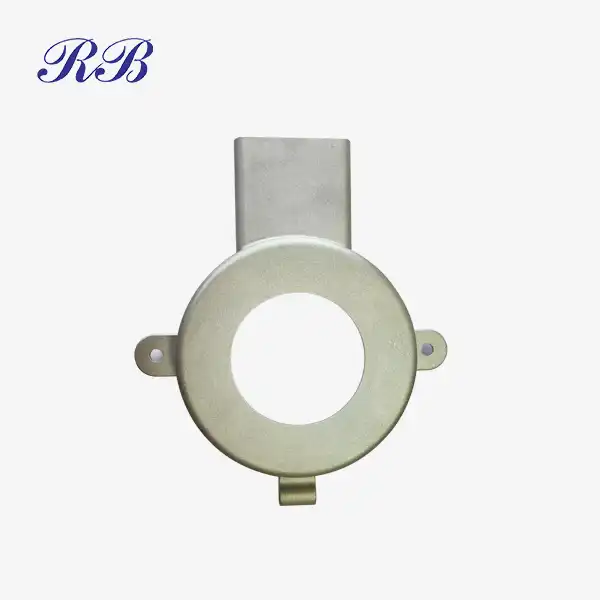
Because blind flanges seal pipe ends or vessel openings, maintenance workers can get to them without having to shut down the system. Threaded flanges have internal threads that make them easy to connect in lines with smaller diameters without the need for welding. Lap joint flanges have a short end and a loose backing flange that makes fitting easy in systems that need to be taken apart often. Each type is designed to solve a specific problem or meet a certain operational need. Aluminum gravity cast flanges, which weigh about 3.3 kg, are used in telecom equipment where materials are chosen based on how light they are and how well they resist rust. Engineers can choose from different customization options that let them choose specific bolt patterns, facing types, and dimensional tolerances that match their own equipment designs.
Comparing Cast, Forged, and Welded Flanges
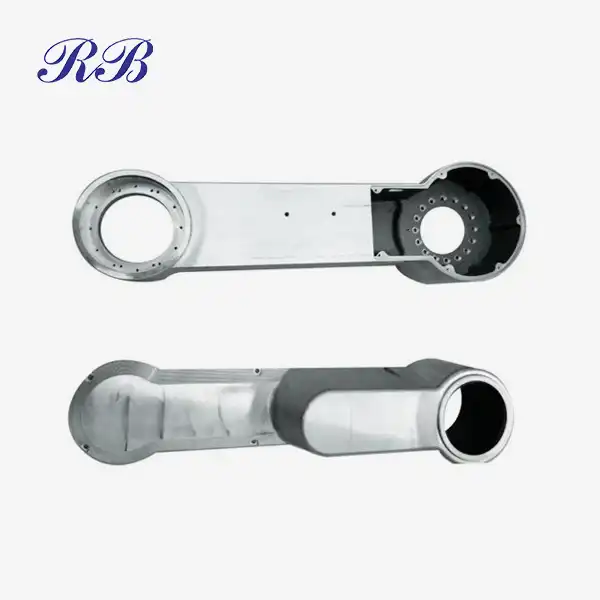
When compared to made choices, cast coupling flanges are cheaper and give you more design options. Casting lets you make parts with complicated internal shapes and bigger sizes without having to buy expensive tools. Formed flanges usually have higher mechanical strength and a tighter grain structure, which makes them better for applications that will be under a lot of pressure. While welded flanges are a cheap option for systems that aren't very important, they can cause join flaws if they aren't done correctly. Cast components strike a balance between performance and cost-effectiveness for companies that make power transmission equipment that needs to buy a lot of aluminum flanges. Our Xi'an plant uses a sand casting process to make batches of 5,000 pieces of consistent quality. This meets the needs of building projects for numbers without losing accuracy in size.
Manufacturing Process and Inspection of Cast Coupling Flanges
To make a good casting, the whole process has to be carefully managed, from getting the metal ready to the final inspection. Knowing about these stages of production helps buyers judge the skills of a supplier.
Sand Casting and Gravity Casting Methods
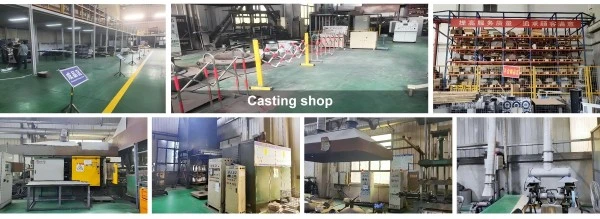
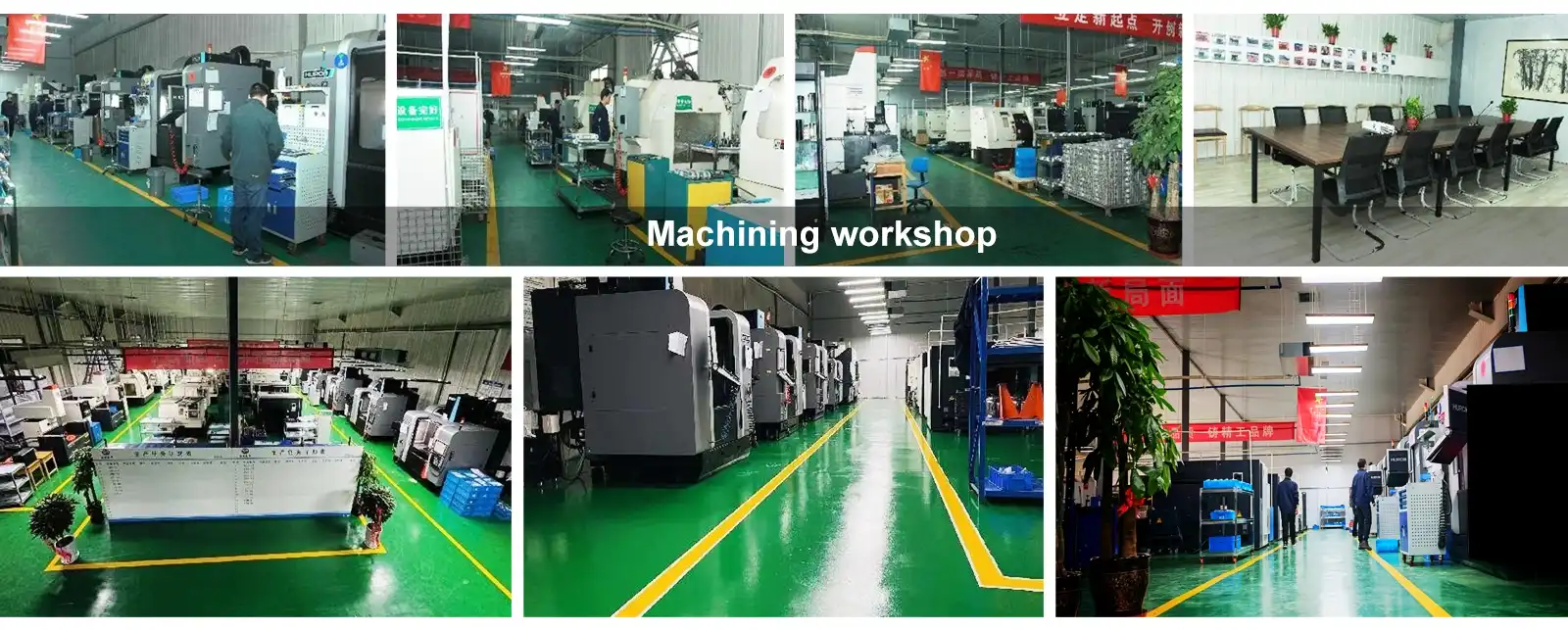
In sand casting, sand is packed around a mold to make a hole in it. Molten aluminum is then poured into the hole. This method can be used for a wide range of parts, from small fittings to large structural elements. With gravity casting, the metal flows naturally into permanent molds, making casts that are heavier and with fewer gas bubbles. Controlled pressure is used in low-pressure casting to fill molds more fully, which reduces porosity. There are trade-offs between cost, speed of production, and quality of parts with each method. Custom specs can be met with sand casting, which is great for project-specific needs because it doesn't require expensive fixed tools. After being cast, cast coupling flanges are shot-blasted to get rid of surface scale and improve the finish. They are then CNC-machined to get tight tolerances on their dimensions.
Inspection Protocols and Quality Control
Customers don't get faulty parts because they go thru strict inspections. Dimensional verification makes sure that the bolt hole shapes, flange width, and facing curves are all exactly what was asked for. A visual inspection can find flaws on the surface, such as cracks or inclusions that could get worse when the material is stressed. Ultrasonic screening and x-rays are two examples of advanced nondestructive testing methods that can find internal porosity or shrinking gaps that can't be seen from the outside. Material certification shows that the alloy's composition and mechanical properties can be tracked back to the tests done at the mill. Our quality control method includes checks when we receive the raw materials, after casting, after cutting, and before shipping. This multi-stage method keeps the consistency that companies that make power tools need for their approval processes.
Best Procurement Practices
Finding trustworthy flange suppliers requires more than just comparing prices. When you audit a manufacturing facility, you can find out things about production capacity, equipment state, and process controls that aren't clear from the paperwork alone. Looking at customer examples can help you figure out how well delivery works and how quickly technical support responds. Giving priority to ISO-certified manufacturers lowers the risk of not following the rules and makes sure that quality management is always the same. If you ask for material certifications and test reports before you buy, you can avoid getting alloys that aren't up to par. Misunderstandings that slow down projects can be avoided by making clear specs and thorough drawings. Long-term relationships with qualified sources keep supply chains stable and let people work together to solve problems when they come up with design issues.

Procurement Guide for Cast Coupling Flange Components
Strategic buying gets the best value while keeping supply chain risks under control.
Lead Time and Order Quantities
Manufacturing wait times depend on the type of production, the size of the order, and how complicated the specifications are. Standard designs from current production runs may ship in two weeks, but unique specs that need new tools could make the time frame twelve weeks. Our 5,000-piece production capacity is enough for big infrastructure projects without requiring too much inventory. Minimum order quantities are based on economical batch sizes. You have to carefully plan how to balance the number of orders with the costs of keeping and the timing of the job. Giving accurate predictions of demand helps suppliers decide how to use their resources and set delivery priorities. Rush orders may cost more, but they're needed when project plans get squished out of the blue.
Supplier Selection Criteria
Total cost of ownership is an important part of evaluating potential suppliers, not just quoted prices. Manufacturing experience with similar tasks shows that you have the technical skills to meet specific needs. How well suppliers can meet project needs without lowering quality depends on how much they can produce. Location affects transportation prices and delivery options. Our manufacturing base in Xi'an serves Asian markets well and helps with exports around the world. Technical help that responds quickly answers questions about applications and takes care of problems in the field. Stable finances make sure that providers can stay in business during the project. Partners who can support long-term business ties are found thru a thorough review across these dimensions.
Negotiation Strategies and After-Sales Support
When you buy in bulk, you can get better prices on large or regular orders. Rates are locked in for more than one year, and suppliers can see what customers want, which helps them plan better. When you buy from fewer suppliers, your relationships with them get stronger and your ability to negotiate gets better. However, single-source strategies run the risk of disrupting supplies, which can be lessened by dual-sourcing. Misunderstandings that hurt trust can be avoided by being clear about technical needs, quality standards, and release dates. Strong help after the sale is what sets great providers apart from average ones. Help with technical issues during installation, speed to warranty claims, and a desire to settle disputes fairly all build trust that goes beyond individual transactions. When parts are shipped internationally, they are protected in wooden boxes, which keeps them from getting damaged and delaying the start of the job.
Conclusion
To choose the right cast coupling flange parts, you need to know about the different design variations, material properties, and production methods that affect how well they work in different situations. Industrial systems, telecommunications installations, and power transmission infrastructure all depend on flange connections that work well in harsh conditions. Alloys made of aluminum, like A356, have strong benefits for outdoor use, like lowering weight and protection to rust. International quality certifications and strict inspection protocols make sure that parts will work as expected. Working with experienced manufacturers who can offer customization, technical support, and production capacity that has been proven lowers procurement risks and raises the total cost of ownership.
FAQs
What distinguishes casting from forging in flange manufacturing?
When you cast, you pour liquid metal into molds to make flanges. This lets you make parts with complicated shapes and at a low cost. When hot metal is pressed under a lot of pressure during forging, it makes the grains thicker and the metal stronger. Cast flanges are the most cost-effective option for most industrial uses, while forged alternatives are best for high-pressure settings where reliability is more important than cost.
How can I verify flange quality before purchasing?
Ask for material certificates that list the alloy's composition and its mechanical qualities. Check to see if the supplier has quality management certifications like ISO 9001:2015. Ask for records on dimensional inspections and NDT data that show the inside is sound. By visiting factories, you can get a first-hand look at their production methods and quality control systems. Final performance validation comes from testing samples in real-world operating conditions.
Can flanges be customized for specialized requirements?
Customization lets you use special metals, bolt patterns that don't follow standard sizes, and built-in features that match the designs of your own tools. Manufacturers can make designs that meet specific performance needs by getting thorough technical drawings and application specs. OEM manufacturing services help equipment builders who need parts that are the same across all of their products.
Partner with a Trusted Cast Coupling Flange Supplier
Rongbao Enterprise has been casting aluminum for 20 years and uses that experience in power transfer and industrial purposes all over the world. Our Xi'an facility uses sand casting techniques that have been improved over time to make high-quality A356 aluminum cast coupling flanges. Our ISO 9001:2015, ISO 14001, and ISO 45001 certifications show that we care about quality, the environment, and safety at work. We send you fully finished parts that have been CNC machined and shot-blasted, so they are ready to be installed right away. We can make up to 5,000 pieces at a time and offer full customization, so we can help with projects from the first prototype to full-scale launch. You can email our engineering team at steve.zhou@263.net or zhouyi@rongbaocasting.com to talk about your needs and get competitive quotes. Explore our complete range of certified aluminum coupling components at rongbaocasting.com, where reliability meets innovation.
References
Chen, W., & Liu, J. (2021). Advanced Aluminum Casting Technologies for Power Infrastructure Components. Industrial Manufacturing Press.
International Organization for Standardization. (2018). ISO 9001:2015 Quality Management Systems – Requirements. Geneva: ISO Publications.
Miller, R. D. (2020). Flange Design and Selection for Industrial Applications. Mechanical Engineering Handbook Series, Vol. 12.
Rodriguez, M. A., & Thompson, K. L. (2019). Material Science in Electrical Power Transmission Equipment. Energy Systems Engineering Quarterly, 45(3), 112-128.
Smith, P. T., & Zhang, H. (2022). Nondestructive Testing Methods for Cast Metal Components. Quality Assurance in Manufacturing Journal, 18(2), 67-84.
Wang, S., & Kumar, V. (2020). Aluminum Alloys in Modern Infrastructure: Properties and Applications. Materials Science Review, 34(4), 201-219.
Learn about our latest products and discounts through SMS or email