- English
- French
- German
- Portuguese
- Spanish
- Russian
- Japanese
- Korean
- Arabic
- Greek
- German
- Turkish
- Italian
- Danish
- Romanian
- Indonesian
- Czech
- Afrikaans
- Swedish
- Polish
- Basque
- Catalan
- Esperanto
- Hindi
- Lao
- Albanian
- Amharic
- Armenian
- Azerbaijani
- Belarusian
- Bengali
- Bosnian
- Bulgarian
- Cebuano
- Chichewa
- Corsican
- Croatian
- Dutch
- Estonian
- Filipino
- Finnish
- Frisian
- Galician
- Georgian
- Gujarati
- Haitian
- Hausa
- Hawaiian
- Hebrew
- Hmong
- Hungarian
- Icelandic
- Igbo
- Javanese
- Kannada
- Kazakh
- Khmer
- Kurdish
- Kyrgyz
- Latin
- Latvian
- Lithuanian
- Luxembou..
- Macedonian
- Malagasy
- Malay
- Malayalam
- Maltese
- Maori
- Marathi
- Mongolian
- Burmese
- Nepali
- Norwegian
- Pashto
- Persian
- Punjabi
- Serbian
- Sesotho
- Sinhala
- Slovak
- Slovenian
- Somali
- Samoan
- Scots Gaelic
- Shona
- Sindhi
- Sundanese
- Swahili
- Tajik
- Tamil
- Telugu
- Thai
- Ukrainian
- Urdu
- Uzbek
- Vietnamese
- Welsh
- Xhosa
- Yiddish
- Yoruba
- Zulu
Different Types of Casting Factories and Their Benefits
A casting factory, also called a foundry, is a factory that makes metal parts by melting metal, pouring it into a mold, and letting it harden into the right shape. The part is then finished. For the medical, aerospace, automotive, and construction industries, these factories make everything from tiny electronic parts to huge engine blocks. Sand casting, die casting, and investment casting are some of the different types of casting processes that can be used to meet different needs for complexity, volume, and accuracy. For procurement managers and engineers making hard supply chain decisions, choosing the right casting factory has a direct effect on how much it costs, how consistent the quality is, and how reliable the delivery is.
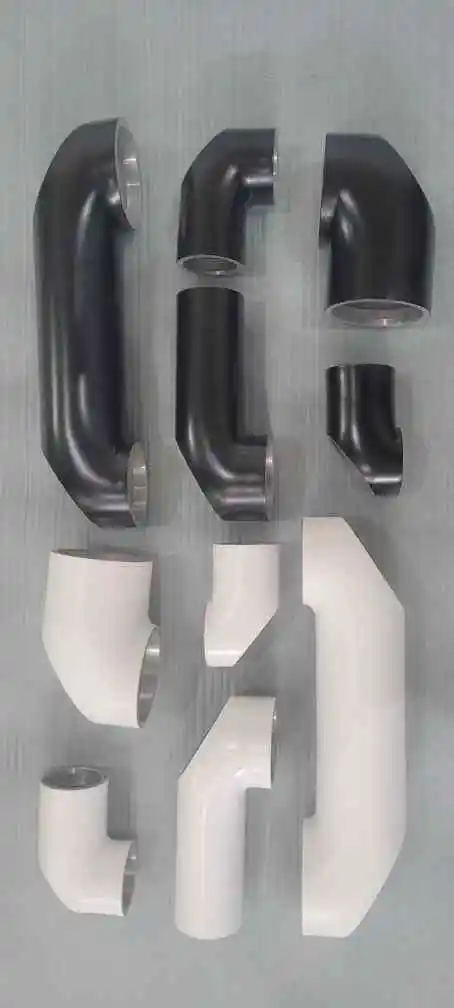
Overview of the Main Types of Casting Factories
Casting factories are the most important places to make industrial parts because they take raw metal and turn it into precision-engineered parts that power tools in many industries. Knowing how different foundries work helps procurement professionals match the skills of suppliers with the needs of production, which improves the performance of the supply chain and the reliability of the products.
Classification Criteria for Casting Facilities
There are a few important things that set foundries apart from each other. Depending on its material specialization, a facility may work with aluminum alloys, zinc, magnesium, or ferrous metals like iron and steel. Facilities are put into groups based on the process capabilities they can do, like high-pressure die casting, investment casting, sand casting, or shell molding. Scale and capacity are two more ways that foundries are different. Foundries range from small shops that make prototypes to huge companies that make millions of car parts every year. The framework for classification is completed by technical capabilities such as tolerance levels, surface finish quality, and secondary operations such as machining and surface treatment.
Impact on Cost-Efficiency and Quality
Picking the right type of foundry has a big impact on unit prices, tooling costs, and the overall cost of ownership. By automating and speeding up cycle times, high-volume die casting operations can make parts for less money per piece, while investment casting facilities are great at making complicated shapes with little secondary cutting. Quality engineers know that the choice of process affects the number of defects, the consistency of batches, and the number of inspections that need to be done. Delivery times vary a lot. For example, die casting companies usually have shorter wait times than sand casting facilities that work with big, unique parts. Before sending out RFQs, procurement managers who have to balance cost goals with quality requirements should know about these trade-offs.
Die Casting Factories and Their Benefits
It is one of the most common ways to make metal parts in large quantities that are very accurate in terms of their dimensions. This method uses high pressure to push molten metal into precise steel molds. The result is parts with tight tolerances and a great surface finish.
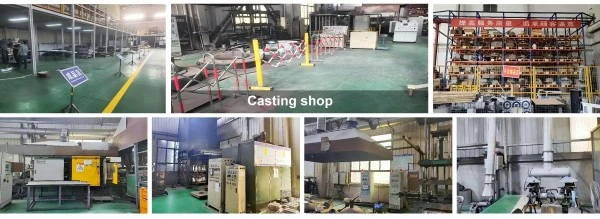
High-Pressure Die Casting Process Advantages
High-pressure die casting plants use pressures higher than 10,000 psi to pour molten aluminum, zinc, or magnesium alloys into steel dies that have been heated and shaped. This method gives unmatched repeatability across production runs, making sure that the quality of engine blocks, gearbox housings and frame parts for cars stays the same. Mordor Intelligence says that the market for car parts die casting hit about USD 48.99 billion in 2025, which shows that there was strong demand around the world. The process can get dimensions as accurate as ±0.1mm, which cuts down on or gets rid of the need for secondary machining. Cycle times between 30 seconds and two minutes allow for fast production, which lowers the cost of making each unit by a large amount for sales over 5,000 pieces.
Material Options and Industry Applications
Die casting foundries mostly use non-ferrous alloys that are made to be strong and fluid. Because they are strong for their weight, aluminum alloys are used a lot in aerospace and cars. Zinc alloys, on the other hand, are better for smaller parts that need to be very detailed. Magnesium casting is used in fields that need to cut weight as much as possible without losing structural stability. Die-cast housings are used by electronics makers to keep heat in and electric fields out. Die-cast hydraulic parts are used by manufacturers of construction equipment because they last a long time in harsh conditions.
Real-World Performance Enhancement
A Tier-1 automotive supplier teamed up with a specialized die casting facility to make suspension parts out of aluminum. The foundry cut down on porosity flaws by 40% and made sure that all batches had the same dimensions by using advanced process controls and real-time quality tracking. This partnership cut down on the supplier's review time while still meeting the requirements for IATF 16949 certification. This shows how modern die casting processes improve quality standards and the efficiency of the supply chain for OEM customers.
Investment Casting Factories and Their Benefits
Investment casting, which is also called lost-wax casting, is great at making parts with complicated shapes, a smooth surface, and close tolerances. This process is very precise and is used in fields where performance requirements need exact copies of complicated designs.
Process Workflow and Material Versatility
To start investment casting, wax models are covered in a ceramic slurry that makes plates that are stiff. When the wax melts, molten metal fills the hole and copies even the most complicated internal passages and thin-wall sections. Stainless steels, superalloys, titanium, and cobalt-chrome alloys are just some of the materials that can be used with this method. Investment-cast turbine blades and structural fittings are used by aerospace makers because the method can handle high-temperature alloys while keeping the dimensions accurate. Medical device makers use investment casting to make surgery tools and orthopedic implants that need to be made of biocompatible materials and fit together perfectly.
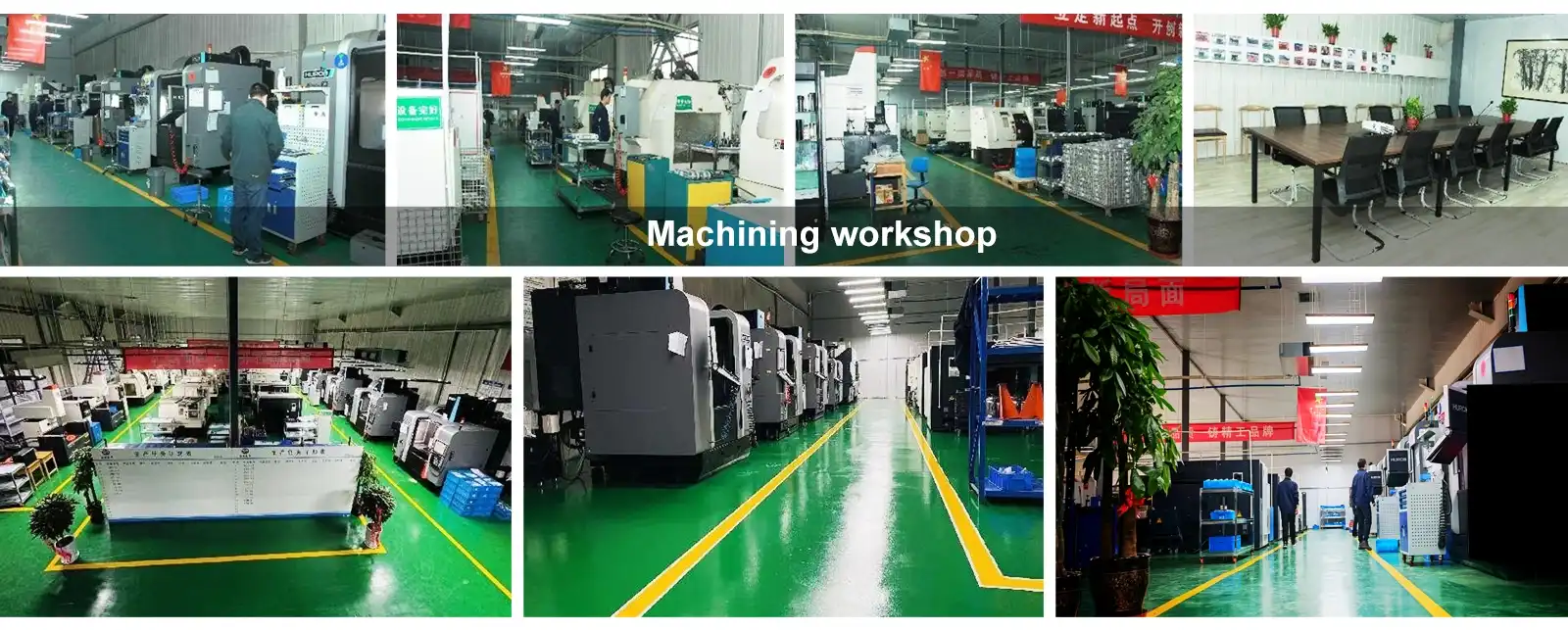
Cost-Efficiency Through Reduced Machining
Investment casting companies make parts that are almost in a net form, which lowers the cost of processing further down the line. When the parts come out of the mold, their surface finishes are usually between 125 and 250 Ra microinches, so they don't need to be ground or polished. Single cast parts can be used to make complex shapes that would normally need multiple made parts and assembly steps. This cuts down on waste and labor hours. Buyers in the energy sector who need valve bodies and pump impellers like how investment casting lowers total manufacturing costs, even though it requires more money to buy the tools at the start than sand casting.
Precision Standards for Critical Applications
Tolerances of ±0.005 inches per inch are maintained by investment casting facilities, which meets the strict requirements for aerospace and medical parts. X-ray inspection, checking dimensions with a CMM, and material certification testing are all part of quality control protocols. These foundries usually have AS9100 certification for aircraft and ISO 13485 compliance for medical devices. This lets procurement teams know that the goods they make meet industry standards without having to go through a lot of inspections before they are sent out.
Sand Casting Factories and Their Advantages
Sand casting is still a flexible and affordable way to make things, especially for making large parts in small to medium quantities and quickly testing ideas. In this traditional method, metal parts of almost any size are made with sand molds that can be thrown away after use.
Flexibility in Component Size and Material Selection
Sand casting foundries can handle parts that weigh anywhere from a few pounds to several tons. This makes them very important for companies that make construction equipment like excavators, loaders, and pumps. It works just as well with non-ferrous and ferrous metals, such as steel, aluminum, bronze alloys, gray iron, and ductile iron. Pattern tooling prices are still pretty low compared to die casting, which makes it possible to make parts in numbers ranging from 50 to 5,000 units at a low cost. Companies that make industrial tools like having this much freedom when they want to start new lines of products or make spare parts for old machines.
Customization Capabilities for Specialized Applications
Sand casting is great for making changes to designs without having to buy a lot of new tools. By changing the patterns of wood or resin, engineers can quickly make changes, which supports iterative product development cycles. Valve bodies and pipes have complex internal coring that makes complicated pathways for fluid flow. The surface finish is usually between 500 and 1,000 Ra microinches, which is good enough for many industrial uses or as a starting point for precision cutting. Heavy machinery makers who make oil and gas equipment rely on sand-cast parts that strike a balance between cost-effective production and structural strength.

Balancing Cost and Lead Time Expectations
Sand casting foundries usually give wait times of 4 to 8 weeks for the first production runs. This depends on how complicated the pattern is and how many are needed. Die casting has higher per-part costs for large quantities, but sand casting is more cost-effective for medium-sized batches and doesn't require a big upfront investment in fixed tools. Teams in charge of buying a lot of different products can work better together with sand casting facilities that can handle a wide range of specifications and don't have minimum order quantities that make managing inventory hard.
Conclusion
When engineers, procurement professionals, and supply chain managers know about the different types of foundries and what they can do, they can make better decisions about where to buy things that save money, improve quality, and speed up delivery. Die casting factories make it easy to get high-volume, precise parts, investment casting factories are great at making parts with complicated shapes that need to be made to very tight tolerances, sand casting operations are flexible for making both large and medium-sized parts, and shell mold casting combines accuracy and cost-effectiveness for mid-range production needs. When you compare production needs with foundry capabilities, technical certifications, and partnership potential, you can build strong supply chains that can support long-term manufacturing success in sectors like aerospace, construction, energy, and industrial equipment.
FAQ
What factors cause cost differences between casting methods?
Costs vary between casting ways based on how complicated the process is, how much is made, the type of material used, and the number of tools needed. Die casting needs pricey steel molds, but it can make a lot of them at a low cost per unit because it has short cycle times and few secondary operations. Preparing the clay shell for investment casting takes a lot of work and takes longer than other methods. This means that each part costs more, but the accuracy and flexibility of the material make it worth it. Even though the cost of each part is higher than with die casting on a large scale, sand casting is still a good option for medium-sized orders because it doesn't require as many tools. Costs are also affected by the type of material used. For example, aluminum alloys are cheaper than superalloys, but processing specialized alloys that need controlled atmospheres costs more.
Can a single facility handle multiple casting methods?
Some combined foundries are able to do more than one type of casting, which can save you money on purchases by letting you consolidate your relationships with suppliers. Most of the time, these multi-process facilities use methods that work well together, such as investment casting and precision machining or sand casting and shell mold casting. But foundries that only do one thing well usually get better at being efficient, consistent with quality, and technically skilled in that one thing. Teams in charge of buying things should think about whether being able to do more than one thing at once really adds value or whether working with specialized sources is a better way to meet the needs and quality standards of certain parts.
How does global logistics impact foundry selection?
International sourcing involves more than just the ability to make something. It also involves shipping costs, longer lead times, import duties, and being able to see what's going on in the supply chain. Domestic foundries may have higher unit costs, but they offer shorter transport times, easier contact, and lower international danger. When shipping costs are low, offshore providers may offer lower prices for big orders that are shipped in containers. Quality engineers have to make sure that international suppliers follow the same standards for all shipments and take the right steps to fix problems, even if they are in a different time zone.
Partner with Rongbao Enterprise for Reliable Casting Solutions
When procurement teams are looking for reliable casting factory sources, Rongbao Enterprise can help. They have been in the foundry business for 20 years and can make a wide range of products. Our ISO 9001, ISO 14001, and ISO 45001 certifications make sure that we meet global standards for quality management, environmental responsibility, and workplace safety. We are experts in precision machining, high-pressure die casting, low-pressure die casting, gravity casting, and high-pressure die casting for aluminum, zinc, and magnesium metals. Our work supports uses in the energy sector, building equipment, cars, and machines.
We know what strict requirements and delivery times international buyers want because 70% of our production is sent to markets in Europe, North America, and Japan. Our combined manufacturing method includes making molds, casting, CNC machining, and surface treatment. This way, we can give you parts that are ready to be put together, which makes your supply chain more efficient. Large factories with high-tech machinery make sure that the quality is always the same and that the capacity can be changed to fit both small trial runs and large production runs.
Whether you need custom casting brackets, lamp holder assemblies, or complicated car parts, our expert team can help you with Design for Manufacturability, which means they can make sure that the design of your parts is as cost-effective and effective as possible. Steve Zhou can be reached at steve.zhou@263.net or zhouyi@rongbaocasting.com to talk about your specific needs and get quotes that are tailored to your project. Visit rongbaocasting.com to see all of our services and learn how our honesty, accuracy, creativity, and speed make partnerships that are good for both of us and help your long-term success.
References
- Campbell, J. (2015). Complete Casting Handbook: Metal Casting Processes, Metallurgy, Techniques and Design. Butterworth-Heinemann.
- American Foundry Society. (2021). Casting Design and Performance. Des Plaines, IL: American Foundry Society.
- Beeley, P. R., & Smart, R. F. (2019). Investment Casting: Principles and Practice. Institute of Materials, Minerals and Mining.
- Mordor Intelligence. (2025). Automotive Parts Die Casting Market Analysis and Forecast 2025-2030. Hyderabad, India: Mordor Intelligence.
- Brown, J. R. (2018). Foseco Ferrous Foundryman's Handbook. 11th edition. Oxford: Butterworth-Heinemann.
- ASM International. (2020). Casting: ASM Handbook Volume 15. Materials Park, OH: ASM International.
Learn about our latest products and discounts through SMS or email