- English
- French
- German
- Portuguese
- Spanish
- Russian
- Japanese
- Korean
- Arabic
- Greek
- German
- Turkish
- Italian
- Danish
- Romanian
- Indonesian
- Czech
- Afrikaans
- Swedish
- Polish
- Basque
- Catalan
- Esperanto
- Hindi
- Lao
- Albanian
- Amharic
- Armenian
- Azerbaijani
- Belarusian
- Bengali
- Bosnian
- Bulgarian
- Cebuano
- Chichewa
- Corsican
- Croatian
- Dutch
- Estonian
- Filipino
- Finnish
- Frisian
- Galician
- Georgian
- Gujarati
- Haitian
- Hausa
- Hawaiian
- Hebrew
- Hmong
- Hungarian
- Icelandic
- Igbo
- Javanese
- Kannada
- Kazakh
- Khmer
- Kurdish
- Kyrgyz
- Latin
- Latvian
- Lithuanian
- Luxembou..
- Macedonian
- Malagasy
- Malay
- Malayalam
- Maltese
- Maori
- Marathi
- Mongolian
- Burmese
- Nepali
- Norwegian
- Pashto
- Persian
- Punjabi
- Serbian
- Sesotho
- Sinhala
- Slovak
- Slovenian
- Somali
- Samoan
- Scots Gaelic
- Shona
- Sindhi
- Sundanese
- Swahili
- Tajik
- Tamil
- Telugu
- Thai
- Ukrainian
- Urdu
- Uzbek
- Vietnamese
- Welsh
- Xhosa
- Yiddish
- Yoruba
- Zulu
Die Casting and Gravity Casting: Major Differences
To cast metal, you can either use a die or let gravity do the work. In different fields, each is used for a different set of manufacturing needs. High-pressure injection systems are used in die casting to push molten metal into precise steel molds. This lets you get very accurate measurements and a smooth finish on the surface. On the other hand, gravity casting part fills permanent or semi-permanent molds with molten metal using gravity. This makes it possible to make parts with complicated shapes and at a low cost. Procurement professionals can make smart decisions about how to make parts, what quality standards to set, and how to cut costs for their needs if they know these differences.
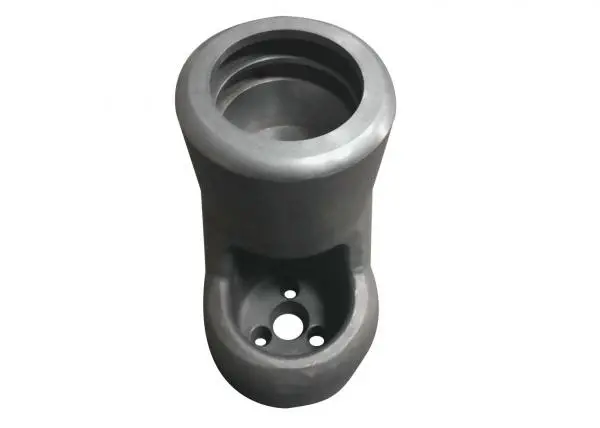
Gravity Casting and Die Casting Processes
Professionals in the manufacturing field know that picking the right casting method can greatly impact the product's quality, cost, and production time. Both gravity casting and die casting use molten metal to make parts, but they work in very different ways and get very different results.
Gravity Casting Fundamentals
Gravity casting is based on the simple idea that liquid metal can only flow into molds when it is pushed by gravity. Permanent metal molds, sand molds, or ceramic molds are often used, depending on how many parts there are and how complicated they are. Aluminum alloys like ZL101A are often used for gravity casting. These alloys are used to make parts for fire pumps and cars that need to last a long time and not rust.
Once the metal is at the right temperature, the process can begin. For most aluminum alloys, this is between 660°C and 750°C. Then, controlled amounts of molten metal are poured into the mold cavity. This lets the metal cool down slowly and stops internal stress from building up. This well-planned filling process lowers turbulence and traps air, which improves the material's mechanical properties for important uses.
For gravity casting to work, you need to be able to keep the temperature under control. Mold temperatures are usually between 200°C and 300°C. This range lets the metal flow properly and keeps it from setting up too quickly. To make sure that quality standards are always met, the process parameters must be controlled. How fast something cools has a direct effect on the structure of the grains and its mechanical properties.
Die Casting Process Mechanics
High-pressure injection systems push molten metal into precise steel dies during die casting. The pressures can be anywhere from 10 MPa to 175 MPa. This rough filling method fills the mold cavity very quickly—in milliseconds, at most—and the finished product has a perfect finish and correct measurements.
Steel molds that stay in place are used for this process. These molds can make thousands of parts with very little size variation. Hot and cold chambers can be set up in different ways to meet the needs of different alloys and melting points. Aluminum alloys and other materials with a higher melting point work best when die cast in a cold chamber. On the other hand, zinc and magnesium alloys work best with hot chamber systems.
The cycle times for die casting are a lot shorter than those for gravity casting. The process can take anywhere from 30 seconds to several minutes, depending on how big and complicated the part is. Die casting is a good choice when it's important to make a lot of things at a low cost per unit because it works faster.
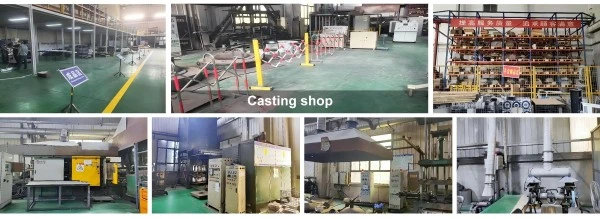
Comparative Analysis: Gravity Casting vs Die Casting
It is important to know how these casting methods change prices, quality, and the amount that can be made before you decide what to buy. There are pros and cons to each method that make sense for different business and manufacturing needs.
Cost Structure Considerations
A big difference between these casting methods is how much you have to spend on tools at the start. For die casting to work, you have to buy precision steel dies up front. These can cost anywhere from $10,000 to $100,000, depending on the part's size and complexity. When more than 10,000 pieces are made each year, though, these costs become worth it because cycle times and labor needs are cut down.
Molds that stay in place usually cost between $2,000 and $20,000, but gravity casting tools are much cheaper. For even lower start-up costs, you can use different types of sand casting. Because of this, gravity casting is a good way to make prototypes and small amounts of products. Most of the time, the economic tipping point is between 1,000 and 5,000 pieces per year. However, it can be higher or lower depending on how complicated the part is and how high the quality standards are.
The costs of running each method are also very different. Because the steps are automated and there is less need for finishing, die casting makes a lot of pieces for less money per piece. With gravity casting, you might need to do more machining to get close tolerances. This is especially true for precision uses like medical device housings or aerospace parts.
Quality and Precision Capabilities
The surface finish is a big difference between these two ways of casting. Parts that are die-cast usually have a surface roughness of 1.6 to 6.3 micrometers Ra, which means they don't need to be finished again. If you want to use gravity cast parts, you need to shot-blast or machine them first because their surface roughness is usually between 6.3 and 25 micrometers Ra.
Dies are best for precise work because they can handle big differences in size. Tolerances of ±0.05mm to ±0.1mm are often reached when exact measurements are cast in die casting. This meets the needs of instruments used for precision work and electronic communication. With gravity casting, the accuracy is usually within ±0.1mm to ±0.5mm, which is fine for most industrial uses but needs more work for important sizes.
Because of how the filling is made, the level of porosity is different for each method. The gentle filling process used in gravity casting lowers turbulence and air entrapment. This makes the inside of parts that hold pressure, like pump housings and valve bodies, more stable. Since die casting fills up quickly, it can leave holes in thick pieces, so it's important to carefully control the process and make sure the design works well.
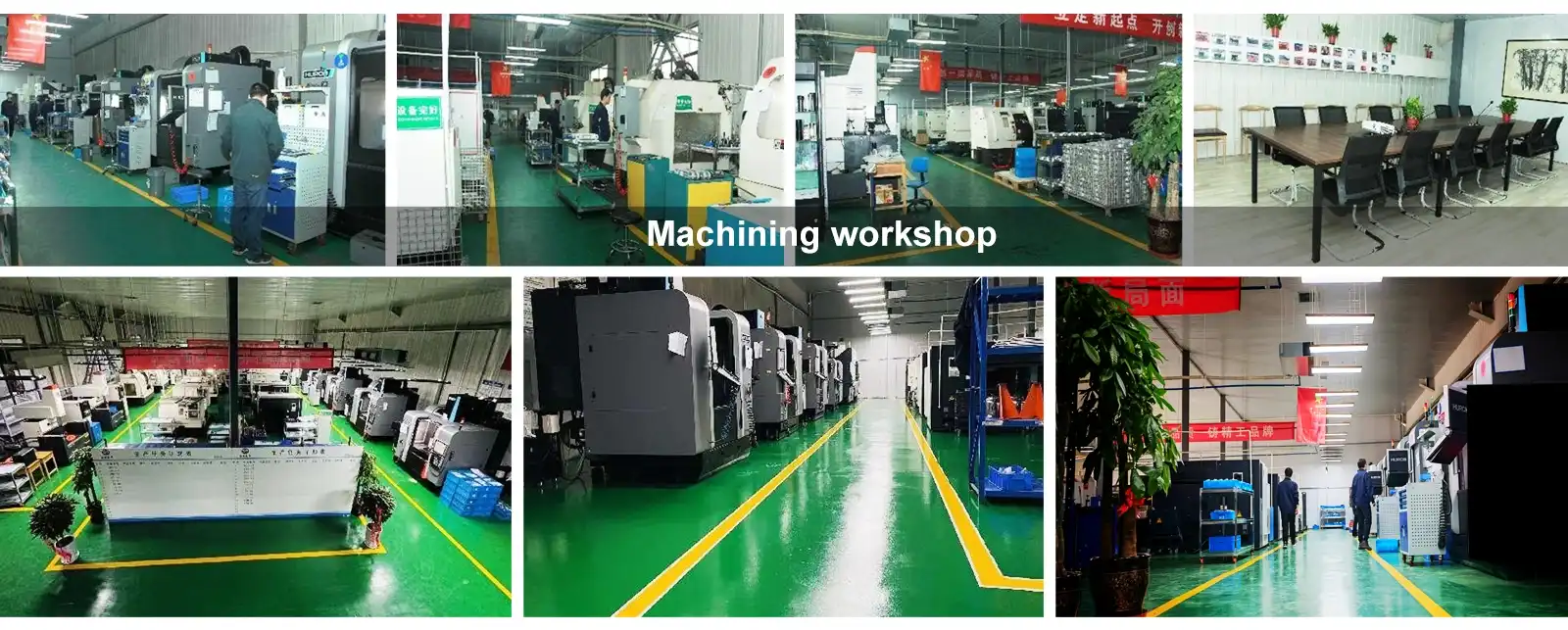
Production Volume Suitability
The casting method is mostly determined by the amount of material that needs to be used. When more than 10,000 pieces need to be made every year, die casting is the best way to do it. The short cycle times and automation of the method make it possible to make millions of parts every year quickly and consistently.
Gravity casting is the most adaptable way to make things in medium to low quantities. With this method, it's easy and cheap to make batches of anything from a single prototype to a few thousand items. Grass casting is great for custom jobs, replacement parts, and parts of specialized equipment where the volume is unknown because it can be used for so many things.
The lead time also changes the method that is chosen. It takes longer to make dies for die casting—usually 12 to 20 weeks for more complicated dies. Gravity casting tools can be made in 4 to 8 weeks, which cuts down on development costs and speeds up time to market.
Procurement Insights: Selecting the Right Gravity Casting Partner
To get gravity casting parts that work, you need to carefully consider the skills, quality systems, and how well they fit with the goals of your business. When making the choice, technical know-how, the chance to make money, and the chance of a long-term partnership must all be taken into account.
Certification and Quality Standards
Factory systems today need to be very strict to make sure that rules are followed and products are always delivered on time. Gravity casting suppliers must have ISO9001:2015 certification, which outlines basic quality management principles and ways to keep getting better.
Getting ISO14001 certification for environmental management means that a supplier is dedicated to using eco-friendly and sustainable production methods. This certification is getting more important as customers care more about sustainability in the supply chain and corporate responsibility.
Safety and health rules at work, which are backed up by ISO45001 certification, keep things running smoothly and protect workers. With these certifications, you can be sure that the supplier is experienced and runs their business well. This makes buying things safer and ensures that the supply chain works well.
There is even more peace of mind that you will meet the quality standards of that industry if you have certifications that are specific to that industry, like IATF16949 for auto suppliers or AS9100D for aerospace tasks. One of the specific needs that these standards meet for each industry is traceability. Other needs are statistical process control and failure mode analysis.
Technical Capabilities Assessment
A thorough technical evaluation looks at how well the process works, how complicated the equipment is, and what engineering support resources are out there. That way, suppliers can offer many ways to make things. They should be skilled in several casting techniques, like sand casting, permanent mold casting, and investment casting.
How much you know about a subject is another important thing to consider when judging someone. You need to show that you know how to work with different types of aluminum alloys, such as ZL101A for fire pumps and magnesium, zinc, and copper alloys for certain tasks. It is important to know about the properties of materials, how to heat them, and how to do metallurgical tests so that the right materials are picked out and worked with.
Secondary operations like CNC machining, surface treatment, and assembly services make it possible for people to buy everything they need in one place. Suppliers who offer integrated manufacturing solutions make the supply chain easier to manage and keep quality high throughout the whole production process.
Businesses that offer services that make things better, like design optimization, mold development, and prototype services, show that they care about their clients' success. With these features, teams can work together to make parts in a way that lowers the cost of ownership and makes them easier to be made.

Supply Chain and Logistics Considerations
How well people can talk to each other, how much things cost, and how long it takes to get things done are all affected by where they are. Suppliers in Xi'an, China, offer production at low costs and fast shipping to markets all over the world. Export rules are met by shipping things in wooden boxes that keep them safe during international shipping.
An evaluation of the supplier's production capacity makes sure that they can meet the needs of both present and future customers. Businesses can grow with the help of suppliers whose goods can be made bigger or smaller. These suppliers must still meet quality and delivery standards.
It's easier for people to work together on a product throughout its entire lifecycle when there are rules for how to talk to each other and run projects. To make sure everyone knows their part and everything is clear, suppliers should show that they can use modern project management tools and speak English clearly.
Conclusion
Different things are made with die casting and gravity casting these days. It's best to use one over the other for certain types of production. When you need a lot of parts with a perfect finish and exact measurements, die casting is the best option. But gravity casting is cheaper when you need a lot of parts with complicated shapes. You need to think about how much is being made, how good it needs to be, and how much it will cost before you choose one of these methods. You can make better purchasing decisions that lead to better manufacturing results if you know what the process can do, who the suppliers are, and what quality systems are in place. Both of these casting methods are getting better over time, which gives manufacturers more options for making high-quality gravity casting parts that meet higher and higher performance standards.
Partner with Rongbao Enterprise for Superior Gravity Casting Solutions
Rongbao Enterprise delivers comprehensive gravity casting part manufacturing solutions backed by 20 years of industry expertise and international quality certifications including ISO9001:2015, ISO14001, and ISO45001. Our integrated manufacturing capabilities encompass complete processes from mold development through CNC machining and surface treatment, enabling single-source procurement for complex component requirements. With 70% of production exported to demanding markets in Europe, America, and Japan, we understand the rigorous quality standards expected by global manufacturers. Our Xi'an facility combines advanced automation with skilled craftsmanship to produce precision components for automotive, aerospace, and industrial applications. Contact steve.zhou@263.net or zhouyi@rongbaocasting.com to discuss your specific requirements and discover how our gravity casting part manufacturer capabilities can optimize your supply chain performance while maintaining the highest quality standards.
FAQs
What factors determine the choice between gravity casting and die casting?
The main thing that determines the choice is how much is being made. Making more than 10,000 die-cast items a year is best so that the cost of the tools can be spread out over time. The method chosen is also based on how complicated the part is, what the required tolerances are for size, and how smooth the surface needs to be. Die casting is best for precise parts that don't need many extra steps. Gravity casting, on the other hand, is best for parts with complicated internal geometries and uses that need high-quality internal soundness.
How do quality standards compare between gravity casting and die casting suppliers?
As long as the process is well managed and the suppliers are qualified, both casting methods can make the same quality of work. No matter what kind of casting is done, the ISO9001:2015 certification makes sure that basic quality management systems are in place. Some certifications, like IATF16949 or AS9100D, show that a business has extra quality skills that meet the needs of its field. Don't just look at the casting method when you judge a supplier. You should also check out their skills in process control, how they do inspections, and their programs for always getting better.
What cost considerations impact gravity casting procurement decisions?
The first tools for gravity casting cost about $2,000 to $20,000 to make. This is a lot less than what it costs to make tools for die casting. The cost per piece, on the other hand, might include extra machining steps needed to meet critical dimensions and finish the surface. Shipping costs should include the cost of packaging, like sending things in a wooden box. This is especially true for suppliers in other countries. You need to look at the total cost of everything to find the best supplier. This includes how much the tools cost over time, how much each piece costs, the cost of secondary operations, and the cost of shipping.
How do lead times differ between gravity casting and die casting projects?
Making gravity casting tools can take anywhere from 4 to 8 weeks, while making die casting dies can take anywhere from 12 to 20 weeks. This benefit means that new products can be made and sold more quickly and with fewer risks. For shorter lead times, die casting is better than gravity casting because the cycle times are shorter. For the same amount of work, gravity casting may need longer schedules. Suppliers who offer managed inventory and scheduled delivery services can plan ahead to make up for it.
References
- Campbell, J. (2015). Complete Casting Handbook: Metal Casting Processes, Metallurgy, Techniques and Design. Butterworth-Heinemann.
- Monroe, R.W. (2005). Porosity in Castings. American Foundry Society.
- Dispinar, D. and Campbell, J. (2004). Critical assessment of reduced pressure test. Part 1: Porosity phenomena. International Journal of Cast Metals Research, 17(5), 280-286.
- Tschopp, M.A., Miller, J.D., Oppedal, A.L., and Solanki, K.N. (2014). Characterizing the local primary dendrite arm spacing in directionally solidified dendritic microstructures. Metallurgical and Materials Transactions A, 45(1), 426-437.
- Zhao, H. and Debroy, T. (2001). Weld metal composition change during conduction mode laser welding of aluminum alloy 5182. Metallurgical and Materials Transactions B, 32(1), 163-172.
- Zhang, L., Jiang, H., Zhao, J., and Li, T. (2010). Effect of cooling rate on solidified microstructure and mechanical properties of aluminum-A356 alloy. Journal of Materials Processing Technology, 210(2), 207-213.
Learn about our latest products and discounts through SMS or email