- English
- French
- German
- Portuguese
- Spanish
- Russian
- Japanese
- Korean
- Arabic
- Greek
- German
- Turkish
- Italian
- Danish
- Romanian
- Indonesian
- Czech
- Afrikaans
- Swedish
- Polish
- Basque
- Catalan
- Esperanto
- Hindi
- Lao
- Albanian
- Amharic
- Armenian
- Azerbaijani
- Belarusian
- Bengali
- Bosnian
- Bulgarian
- Cebuano
- Chichewa
- Corsican
- Croatian
- Dutch
- Estonian
- Filipino
- Finnish
- Frisian
- Galician
- Georgian
- Gujarati
- Haitian
- Hausa
- Hawaiian
- Hebrew
- Hmong
- Hungarian
- Icelandic
- Igbo
- Javanese
- Kannada
- Kazakh
- Khmer
- Kurdish
- Kyrgyz
- Latin
- Latvian
- Lithuanian
- Luxembou..
- Macedonian
- Malagasy
- Malay
- Malayalam
- Maltese
- Maori
- Marathi
- Mongolian
- Burmese
- Nepali
- Norwegian
- Pashto
- Persian
- Punjabi
- Serbian
- Sesotho
- Sinhala
- Slovak
- Slovenian
- Somali
- Samoan
- Scots Gaelic
- Shona
- Sindhi
- Sundanese
- Swahili
- Tajik
- Tamil
- Telugu
- Thai
- Ukrainian
- Urdu
- Uzbek
- Vietnamese
- Welsh
- Xhosa
- Yiddish
- Yoruba
- Zulu
Common Aluminum Parts Produced By Sand Casting
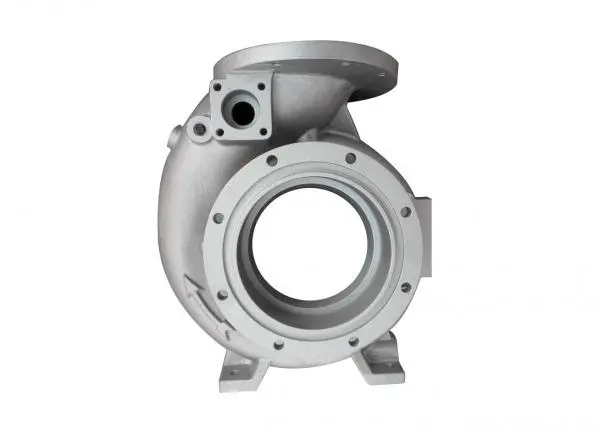
Common aluminum parts produced by sand casting encompass a wide range of industrial components, from automotive engine blocks to complex pump housings used in fire protection systems. Making precision sand casting parts with this tried-and-true method is easy to do and doesn't cost much for medium to large production runs. The process is best for parts that weigh between a few pounds and over 25 kilograms because it can make complex shapes while keeping the sizes correct. For example, fire pump control station pump housings that are made to fit specific pumps are made with this method.
Understanding Precision Sand Casting for Aluminum Parts
Sand casting represents one of the most useful and common ways to make things in the aluminum foundry business. There is a set way that this method turns molten aluminum into complex, high-quality parts. It starts with making patterns and ends with parts that are finished and ready to be put together.

The Sand Casting Process Workflow
The way sand casting is done is planned out so that the quality and accuracy of the measurements are always the same. Pattern makers make exact copies of the part that needs to be made. Molds are then made using these copies as guides. Metal, wood, or advanced polymers are often used to make these patterns. They need to take into account the fact that aluminum shrinks when it cools.
As part of getting the mold ready, flasks are used to pack specially made sand around the pattern. It's strong enough because it has silica sand, binding agents, and water in it, but it still lets gas escape when it's poured. The part's shape is an exact match for the hole that's left over after the pattern is taken away.
A metal that has been heated to around 1,300 to 1,400 degrees Fahrenheit melts and flows into the mold through well-planned gates. Controlling the flow's speed and direction with these gates keeps it from becoming too rough, which could lead to problems. During the cooling phase, the temperature needs to be carefully kept in check to avoid thermal stress and make sure the right grain structure forms.
Material Selection and Properties
It's clear that aluminum alloys that are cast in sand are useful in industry. People often use ZL101A as a casting alloy because it flows well when it's being poured and even better when it's hardened. Silicon is what this alloy is mostly made of, which makes it easier to shape and less likely to break when heated.
Things like the need for strength, resistance to corrosion, and ease of machining are thought about when choosing a material. For parts that will be used in fire pump control stations, cars, or spacecraft, the metal needs to have certain properties that can be reliably met by sand casting with the right alloy and heat treatment steps.
Quality Control and Defect Prevention
Companies that make parts out of sand now use full quality management systems to make sure they don't make mistakes and will always make parts of the same high quality. Casting flaws that happen a lot include holes, sand inclusions, and differences in size. If you use the right process parameters and handling methods for the material, you can keep all of these problems under control.
To make sure that precision sand casting parts are made correctly, they go through strict inspection steps like measuring, non-destructive testing, and metallurgical analysis. Quality checks like these make sure that parts meet or go above and beyond the performance and tolerance requirements for tough industrial uses.

Common Aluminum Parts Produced by Sand Casting and Their Applications
It is possible to make a lot of different aluminum parts with sand casting because it is very flexible. Each industry has its own needs when it comes to performance, durability, and accuracy. When procurement professionals understand these uses, they can make better decisions about where to get things.
Automotive and Commercial Vehicle Components
A lot of sand-cast aluminum parts are used in the auto industry to make things lighter and faster. Sand casting is a cheap way to make parts that are made in large quantities, like engine blocks, cylinder heads, and transmission cases. It's important that these parts don't change size or shape when they're stressed by chemicals, high temperatures, or machines.
Aluminum is a good material for manifold systems, which include parts for intake and exhaust because it can get rid of heat and resist corrosion. Sand casting makes it easy to make the complicated internal passages that are needed for the best flow characteristics because it is flexible in terms of shape.
Industrial Equipment and Machinery Parts
Pump housings are a big place where sand-cast aluminum parts are used. Fire pump control station housings need to be built strong so they can handle hydraulic pressures and the weather. They can weigh up to 25 kilograms. The alloy needs to be strong enough and not rusty enough to be used in this very important safety application.
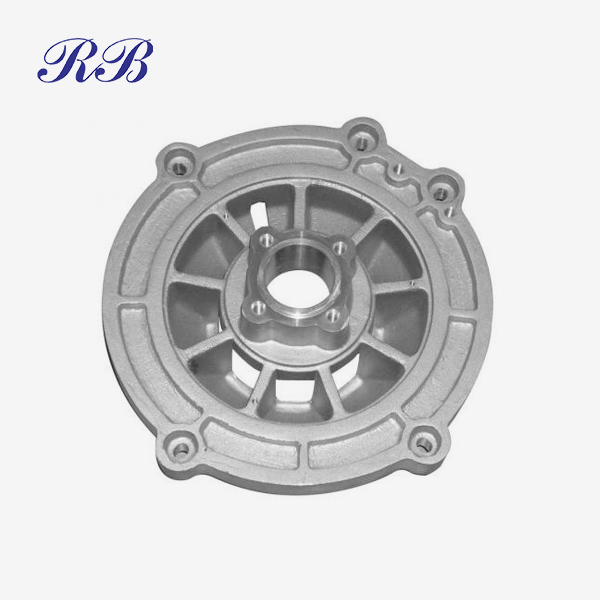
You can also find precision sand casting parts that work well in industries for things like valve bodies, compressor housings, and motor frames. It's common for these parts to have complicated inside shapes that would be hard or expensive to make any other way.
Construction and Heavy Machinery Applications
A lot of heavy machinery uses sand-cast aluminum parts for the hydraulic system, the power transmission cases, and the structural elements. The system is lighter and easier to put together when big, complicated castings with built-in mounting features are used.
For excavator parts, loader parts, and pump systems, aluminum is a good choice because it is strong for its weight and easy to machine for other tasks. Modern methods of sand casting make it possible to get very accurate measurements, which means that machining allowances are not needed as often. This lowers the overall cost of production.
Procurement Guide for Precision Aluminum Sand Casting Parts
To have dependable partnerships and consistent product quality, you should know what your suppliers can do, how they handle quality, and the best ways to do things in the sand casting aluminum parts business.
Supplier Selection Criteria
Possible casting suppliers should have technical skills, quality certifications, and the ability to make a lot of parts. If a business has ISO9001:2015 certification, it means they are committed to quality management systems. Having ISO14001 and ISO45001 certifications means that a business cares about managing safety and the environment.
You should think about how well the equipment works, how much it can make each year, and whether it can be expanded in the future when you look at production capacity. When suppliers can make up to 5,000 pieces at once and offer CNC machining and surface treatment, they can offer full manufacturing solutions that get things to the customer more quickly.
Quality Assurance and Testing Requirements
During the whole process of making precision sand casting parts, they need to be checked for quality many times. Before parts are sent out, they are checked against a list of standards that are made up of incoming materials, process controls, and final inspection protocols.
Some types of non-destructive testing that can be used to be sure of the quality inside are X-ray inspection, ultrasonic testing, and magnetic particle inspection. Collinear measuring machines are used for dimensional inspection to make sure the shapes are right and the tolerances are met.
Supply Chain Management Best Practices
When buyers and sellers use good communication protocols, it's easy to finish projects and figure out problems. People don't get confused about what the specs, drawings, and change management procedures mean when they are clear. This keeps quality and delivery times on track.
Plans for what to do if there are problems with quality, capacity, or supply should be part of any risk management strategy. The supply chain is more reliable when it has connections with reliable backup suppliers and systems to keep track of how well vendors are doing.
Conclusion
Common aluminum parts produced by sand casting serve critical functions across automotive, industrial, construction, and energy sectors. The process combines cost-effectiveness with geometric flexibility, making it ideal for components ranging from lightweight automotive parts to heavy-duty pump housings weighing 25 kilograms. Modern sand casting facilities achieve remarkable precision while maintaining the economic advantages that have made this process indispensable for medium to large production runs. Procurement professionals benefit from understanding the capabilities, limitations, and quality considerations associated with sand casting when making sourcing decisions. The technology continues advancing through automation, sustainability initiatives, and digital integration, ensuring its relevance in future manufacturing landscapes.
Partner with Rongbao Enterprise for Superior Precision Sand Casting Parts
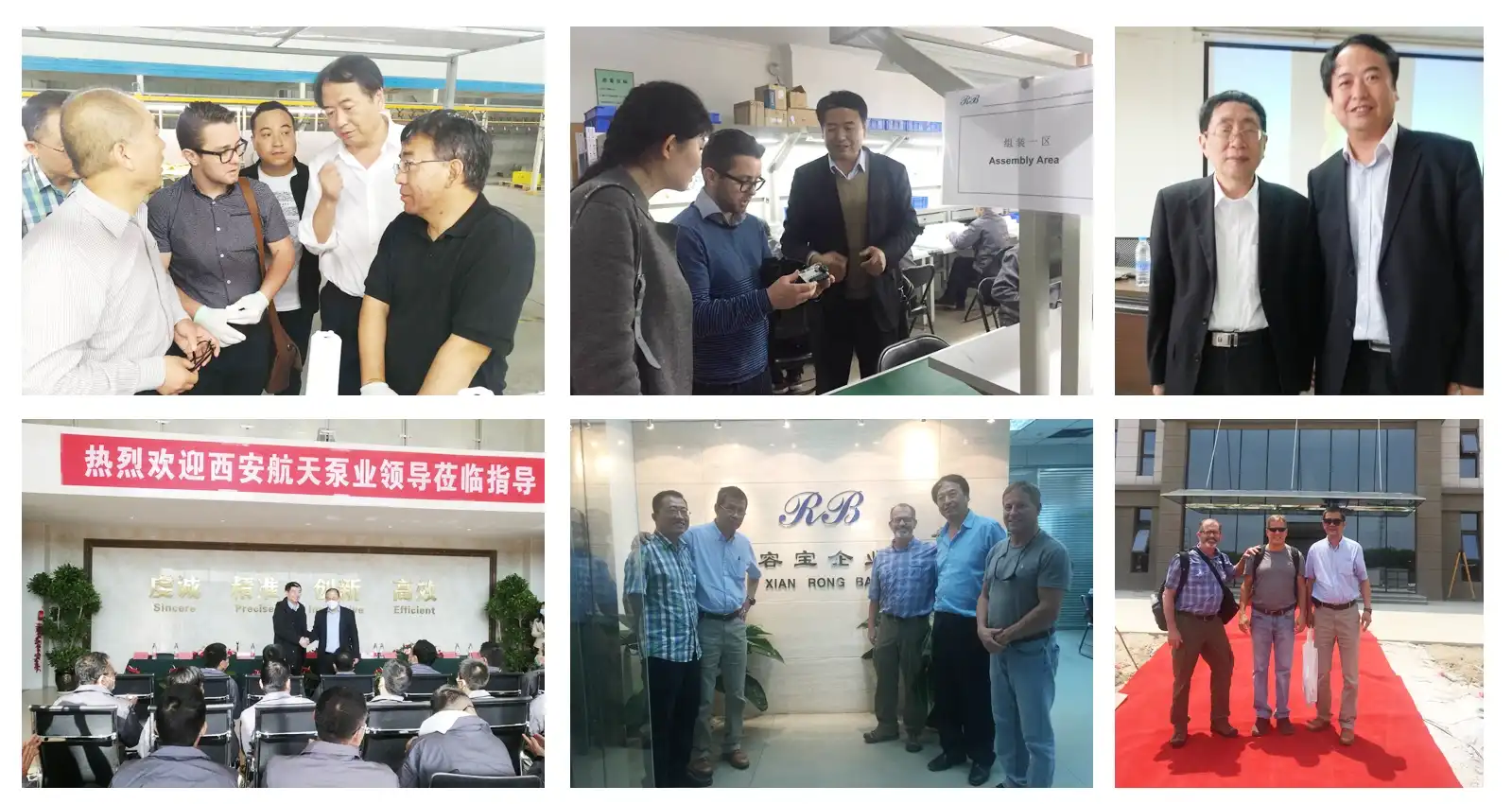
Rongbao Enterprise is one of the best companies for making precision sand casting parts. They have been in the business for more than 20 years and have a lot of different manufacturing skills. The factory in Xi'an makes high-quality aluminum parts with advanced sand casting techniques and ZL101A materials. For example, they make 25 kg pump housings for fire pump control stations. With ISO9001:2015, ISO14001, and ISO45001 certifications, we make sure that the quality is always the same and that we follow all the rules for market around the world. We offer a package of services that includes CNC machining, shot blasting, and custom OEM/ODM solutions. We can make 5,000 items at once. Please email our team at steve.zhou@263.net or zhouyi@rongbaocasting.com if you need precision sand casting parts. You'll see why 70% of our business comes from trusted markets in the US, Europe, and Japan.
FAQ
What types of aluminum alloys work best for sand casting?
One of the most popular aluminum alloys for sand casting is ZL101A. It is easy to cast and has good mechanical properties. It is easy to pour this alloy, it doesn't crack easily when heated, and after the right heat treatment, it has good mechanical properties. A356, which is stronger, and A319 are two other alloys that are often used. This alloy is good for hydraulic uses since it doesn't let any pressure get through it.
How does sand casting compare to other aluminum forming processes in terms of cost?
Most of the time, sand casting has shorter lead times and lower tooling costs than die casting or permanent mold processes. Making a lot of them may cost more per piece, but sand casting is still a good way to save money when you make up to a few thousand of them. Being able to change designs without having to buy new tools saves money while a product is being made.
What quality certifications should I look for in a sand casting supplier?
Check out suppliers that have ISO9001:2015, ISO14001, and ISO45001 certifications for health and safety at work, ISO9001:2015, and ISO14001, respectively. Show that you care about quality control, worker safety, and being good to the environment by getting these certifications. You might need to get extra certifications, like IATF16949 for automotive uses, depending on the business you're in.
What surface treatments are commonly available for sand cast aluminum parts?
People often blast the surface of sand-cast aluminum parts to make it look better. This smooths out the surface and gets rid of any sand or oxide scale that is still there. Other treatments include anodizing, which stops corrosion, powder coating, which makes things look good and keeps them safe, and machining, which is used to make surfaces that need to be measure very precisely. The choice is based on the situation and how the job needs to be done.
How do I ensure consistent quality when ordering custom aluminum castings?
Set clear requirements, such as the size tolerances that are acceptable, the materials that must be used, and the standards for the surface finish. Ask for inspection reports, quality plans, and records of process control. Your facility should have regular incoming inspections if you want to improve quality. You should also keep in touch with your supplier about any changes to the process or quality problems.
References
- American Foundry Society. "Aluminum Sand Casting: Processes and Applications in Modern Manufacturing." Foundry Management & Technology, 2023.
- Campbell, John. "Complete Casting Handbook: Metal Casting Processes, Techniques and Design." Butterworth-Heinemann, 2022.
- International Organization for Standardization. "Quality Management Systems for Automotive Production - Sand Casting Applications." ISO Technical Report, 2023.
- Materials Research Institute. "Aluminum Alloy Performance in Industrial Sand Casting Applications." Journal of Manufacturing Processes, 2022.
- National Association of Manufacturers. "Trends in Precision Casting Technologies for B2B Industrial Markets." Manufacturing Engineering Review, 2023.
- Zhang, Wei-Ming. "Advanced Sand Casting Techniques for Aluminum Components in Heavy Industry Applications." China Foundry Technology, 2022.
Learn about our latest products and discounts through SMS or email