- English
- French
- German
- Portuguese
- Spanish
- Russian
- Japanese
- Korean
- Arabic
- Greek
- German
- Turkish
- Italian
- Danish
- Romanian
- Indonesian
- Czech
- Afrikaans
- Swedish
- Polish
- Basque
- Catalan
- Esperanto
- Hindi
- Lao
- Albanian
- Amharic
- Armenian
- Azerbaijani
- Belarusian
- Bengali
- Bosnian
- Bulgarian
- Cebuano
- Chichewa
- Corsican
- Croatian
- Dutch
- Estonian
- Filipino
- Finnish
- Frisian
- Galician
- Georgian
- Gujarati
- Haitian
- Hausa
- Hawaiian
- Hebrew
- Hmong
- Hungarian
- Icelandic
- Igbo
- Javanese
- Kannada
- Kazakh
- Khmer
- Kurdish
- Kyrgyz
- Latin
- Latvian
- Lithuanian
- Luxembou..
- Macedonian
- Malagasy
- Malay
- Malayalam
- Maltese
- Maori
- Marathi
- Mongolian
- Burmese
- Nepali
- Norwegian
- Pashto
- Persian
- Punjabi
- Serbian
- Sesotho
- Sinhala
- Slovak
- Slovenian
- Somali
- Samoan
- Scots Gaelic
- Shona
- Sindhi
- Sundanese
- Swahili
- Tajik
- Tamil
- Telugu
- Thai
- Ukrainian
- Urdu
- Uzbek
- Vietnamese
- Welsh
- Xhosa
- Yiddish
- Yoruba
- Zulu
The Role of Sandblasting in Surface Preparation
Sandblasting changes the way surfaces are prepared for manufacturing parts in a lot of different fields. This rough treatment process gets rid of unwanted materials, makes the surface smoother, and gets parts ready for the next steps in the finishing process. Sandblasting removes casting residues, scale, and surface flaws that frequently happen during the metal pouring and solidification process when applied to a gravity casting part. This method makes surfaces with even textures that help coatings stick better, make measurements more accurate, and extend the life of parts. Using controlled sandblasting parameters in modern factories helps get consistent results while keeping the structural integrity of cast aluminum, steel, and special alloy parts.
Surface Preparation in Gravity Casting Parts
Surface preparation is an important part of the manufacturing process that has a direct effect on how well and how long cast metal parts work. During gravity casting, molten metal flows into molds due to gravity. This makes parts with surfaces that need to be carefully treated before they can be used.

Common Surface Imperfections in Cast Components
Surface flaws in cast metal parts often show up as sand residue, oxide scale, flash lines, and micro-porosity. This is how the flaws came about: the molten metal mixed with the mold materials while it was cooling and hardening. Surface roughness can change by 50 to 200 microinches, depending on how the mold is set up and what kind of alloy is used.
Available Surface Preparation Techniques
To fix flaws in the gravity casting part, people who work in manufacturing use a variety of surface preparation techniques. Heavy scale and dimensional differences can be removed by mechanical grinding, but it needs skilled operators and creates a lot of waste material. Chemical cleaning solutions are good at getting rid of oxides and contaminants, but they can be harmful to the environment and could be dangerous at work.
Polishing processes make finishes that look like mirrors, which can be used for decoration but take a long time for complicated shapes. Controlled plastic deformation during shot peening improves fatigue resistance, while sandblasting is useful for a wide range of component sizes and shapes. Each technique is used for a specific purpose depending on the material, the level of geometric complexity, and the surface properties that are wanted.
Positioning Sandblasting in Modern Manufacturing
Modern factories depend more and more on sandblasting because it can work with complicated shapes and always produces good surface preparation results. The method works with different kinds of abrasive media, so it can be used to treat alloys with different compositions and meet different surface needs. Chemical treatments can leave behind contaminants, but sandblasting leaves surfaces clean and chemically neutral, ready to be coated or put together.
How Sandblasting Enhances Gravity Casting Part Quality?
Through controlled abrasive impact, sandblasting changes the surfaces of the gravity casting parts, getting rid of flaws and making the surfaces perfect for later manufacturing processes. This mechanical treatment method improves many quality factors at the same time, making the surface better all around.
Process Steps and Equipment Configuration
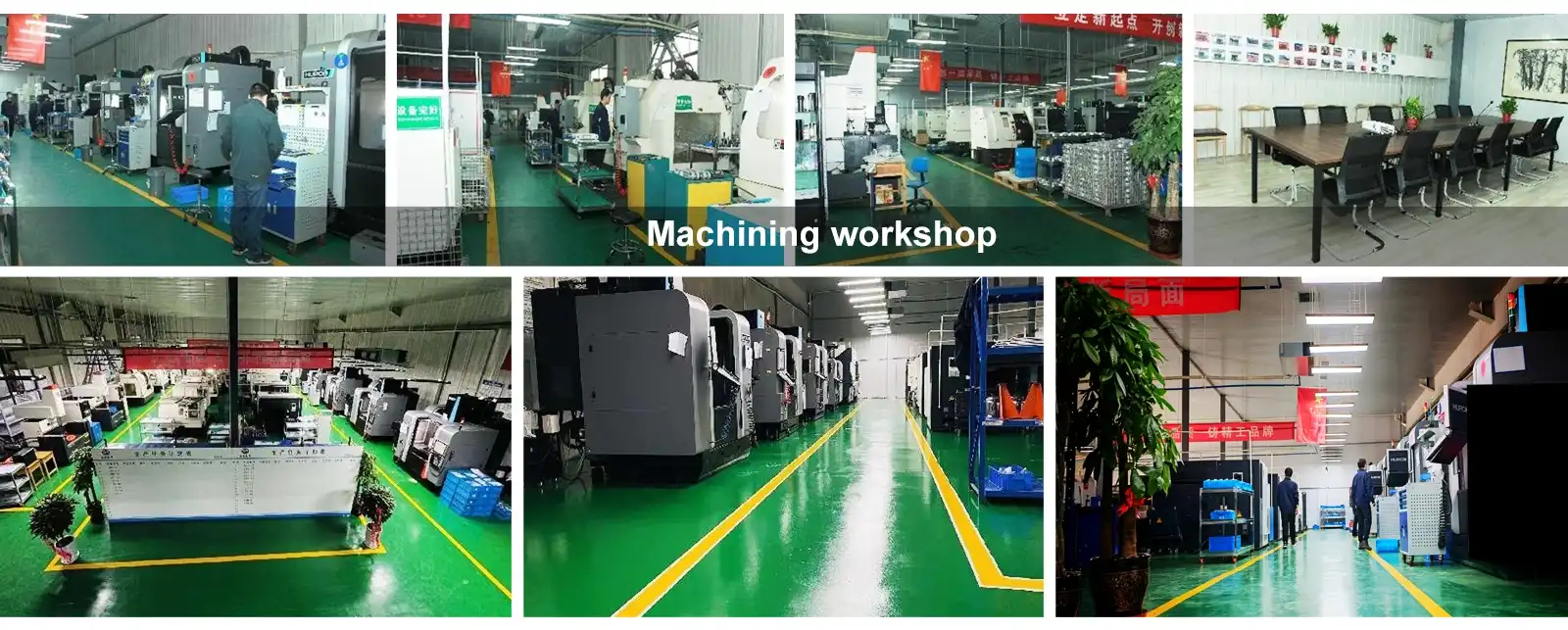
Parts are placed inside blast chambers that are closed off and have systems for collecting dust before the sandblasting process starts. Abrasive media are pushed through specially designed nozzles by compressed air. This creates high-speed particle streams that hit the surfaces of the components. Operators change the blast pressure, the distance of the nozzle, and the exposure time to get the surface conditions they want without changing the tolerances for size.
Modern blast equipment has automated handling systems that make it possible to treat large production runs consistently. Robotic positioning makes sure that complex geometries are covered evenly while keeping operators safe and following environmental rules. It is cheaper to run and makes less waste when abrasive media is collected and recycled by recovery systems.
Abrasive Media Selection for Different Alloys
Aluminum gravity casting parts work well with glass bead media because it cleans gently without getting particles stuck in the soft alloy surface. For treating harder alloys, steel bead media lasts a long time, and aluminum oxide cuts quickly to get rid of heavy scale. For aerospace applications that need to keep contamination levels low, garnet media is a great way to prepare the surface.
Steel grit media is good for cast iron parts because it gets rid of tough oxide layers well. To keep the surface of zinc alloy parts from getting damaged, you need to be careful about which media you use. For thin, fragile sections, plastic media is often best. The surface finish quality and the rate of material removal are directly affected by the hardness, particle size, and shape of the media.
Quality Benefits and Performance Improvements
Sandblasted surfaces have more mechanical anchoring points and more surface area, which makes coatings stick better. Paint and plating systems stick better to surfaces that have been properly prepared, which means they last longer and need less maintenance. Cutting down on surface porosity reduces the number of places where corrosion can start, which is especially important for marine and outdoor applications.
During the sandblasting process, surface tension patterns from casting operations are broken up and re-arranged, which naturally relieves stress. This change in stress makes it less likely that fatigue cracks will start to form in parts that are loaded and unloaded many times. When casting flash and parting line irregularities are taken out consistently across production batches, the consistency of the dimensions gets better.

Comparing Surface Preparation Methods: Sandblasting vs Others
To get the best quality, cost, and environmental impact, modern factories have to look at a number of different ways to prepare surfaces. Different techniques have different pros and cons that affect which technique is best for a given task.
Efficiency and Cost Analysis
When it comes to working with complicated gravity casting part geometries, sandblasting is more effective than grinding by hand. Parts can be processed by automated blast systems in minutes instead of the hours it takes to finish by hand. Labor costs go down a lot while throughput goes up, which is good for manufacturing economics overall.
Sandblasting systems require moderate to high investments in equipment, depending on how automated they are and how well they control the environment. The costs of running the machine include abrasive media, compressed air, and repairs, but they are still lower than other methods. Chemical treatment systems have ongoing costs for consumables and getting rid of waste that are often higher than the long-term costs of sandblasting.
Environmental Impact Considerations
Chemical surface preparation creates liquid waste streams that need to be thrown away in a certain way and regulated compliance must be monitored. Concerns about air quality are raised by solvent emissions, and acid etching solutions can pollute groundwater. When you sandblast, you make solid waste streams that are easier to handle and can often be recycled.
During sandblasting, dust collection systems catch particles in the air, keeping them from getting into the environment and protecting the health of workers. Abrasive media that has been used up can often be recycled or used for other purposes, which cuts down on the amount of trash that needs to be thrown away in landfills. The main environmental issue that sandblasting operations have to deal with is the energy used to make compressed air.
Suitability for Complex Geometries
Cast parts often have complicated internal passages, undercuts, and different wall thicknesses that make it hard to use normal methods for preparing the surface. Grinding operations can't get into deep grooves or complicated shapes very well, so areas that haven't been treated are left open to corrosion and coating failure.
Sandblasting is great for fixing rough surfaces because it uses media ricochet and turbulent flow patterns inside component cavities. When the right blast parameters are kept, thin-wall sections get the right treatment without losing their shape. Chemical treatments might not get deep enough into small spaces, which would lead to uneven surface preparation results.
Selecting Gravity Casting Parts with Optimal Surface Preparation
Strategic decisions about procurement have a big effect on the quality of the parts, how well they are delivered, and the total cost of ownership. Knowing what a supplier can do and what certifications they need helps you choose a supplier and lower your risk.
Supplier Capability Assessment
Leading manufacturers offer a wide range of surface treatment options, such as different blast system configurations and media types. Automated equipment shows that the company is committed to quality, while manual systems may show that the company has limited production capacity or uses old technology. Site visits show how quality control is done and show how capabilities match up with marketing claims.
The ISO9001:2015 certification shows that you manage quality in a systematic way, and the ISO14001 certification shows that you care about the environment. For aerospace applications that need traceability and advanced process controls, AS9100D certification is now a must. These international standards give buyers a basic way to know that suppliers will do their job and follow the rules.
Production Volume and Lead Time Considerations
Automated blast systems are helpful for large production runs because they make sure consistent treatment while lowering the cost of labor. Small custom orders may need to be processed by hand, which can take longer and cost more per unit. Knowing your supplier's limits on capacity helps you avoid delivery delays and lower quality during times of high demand.
The ability to do a rush order depends on the availability of equipment and the flexibility of the workforce. Suppliers with more than one blast system can meet urgent needs, while facilities with only one system may have scheduling problems. Misunderstandings and relationship stress can be avoided by being clear about what is expected of you during the delivery.
Quality Verification and Risk Mitigation
Before full production release, first article inspection protocols make sure that the surface preparation steps were correctly. The analysis of a sample component shows the actual blast results compared to the requirements spelled out in the specification. Dimensional verification makes sure that the sandblasting process stays within important limits during the whole production run.
Creating a prototype lets you improve the process before committing to making a lot of them. Gravity casting part prototypes let you test the quality and develop the blast parameters without having to rush through the production schedule. This investment in development up front usually pays off in the end with less work that needs to be redone and better quality.
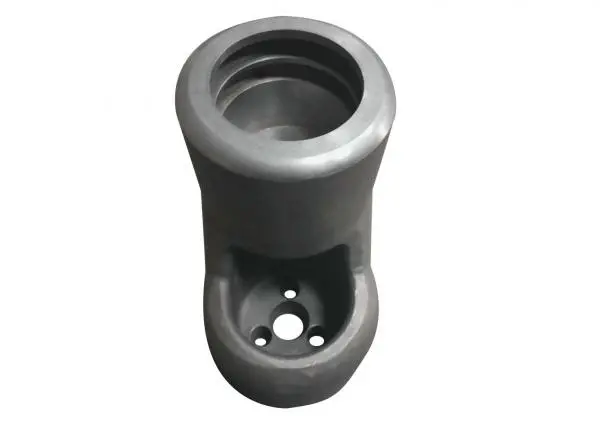
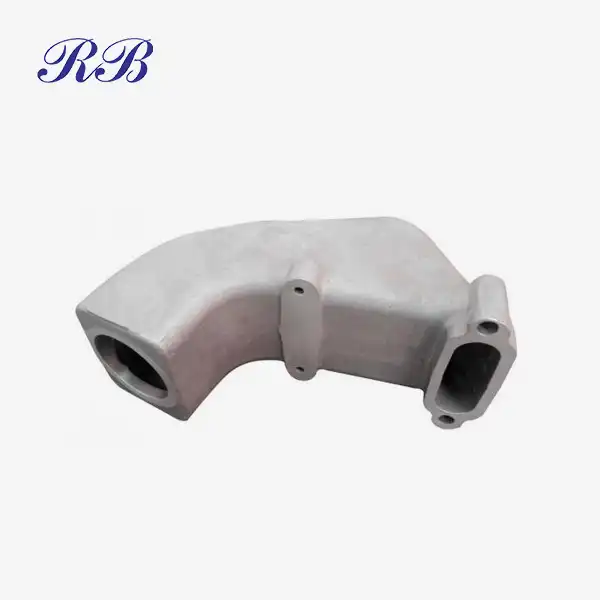
As an example, Rongbao Enterprise's fire pump housing is made of 4 kg of ZL101A aluminum alloy. This part is shot-blasted after CNC machining to make sure the surface is perfectly prepared. The methodical approach makes sure that the quality is the same across all of their production capacity and meets the standards for ISO certification.
Conclusion
Sandblasting is one of the most important technologies used in modern manufacturing for preparing surfaces. It consistently improves quality in a wide range of settings. Common casting flaws can be fixed with this method, which also gets parts ready for later finishing steps. To get the best results, implementation must be done correctly, which means knowing the design principles, process parameters, and quality control methods. Strategically choosing suppliers based on their certifications, skills, and past performance guarantees reliable access to high-quality surface preparation services that meet demanding industry requirements.
Partner with Rongbao Enterprise for Superior Surface Preparation Solutions
Rongbao Enterprise delivers comprehensive gravity casting part manufacturing and surface preparation services backed by ISO9001:2015, ISO14001, and ISO45001 certifications. Our integrated approach combines gravity casting expertise with advanced shot blasting capabilities, ensuring optimal surface quality for demanding applications. With 20 years of industry experience and 70% export volume to European, American, and Japanese markets, we understand international quality requirements and delivery expectations.
Our Xi'an facility has automated surface preparation equipment and comprehensive quality control systems that consistently meet PPM<50 requirements. From 4kg fire pump housings to complex industrial components, we provide customized solutions with reliable delivery performance. Contact steve.zhou@263.net or zhouyi@rongbaocasting.com to discuss your surface preparation requirements and discover how our gravity casting part supplier capabilities can optimize your procurement strategy.
FAQ
Can sandblasting completely eliminate all casting defects?
Sandblasting is a good way to get rid of surface dirt, scale, and small flaws, but it can't fix structural problems like holes, cracks, or differences in size. These problems need to be looked at during the design and control phases of the casting process, not during the surface preparation steps.
Which casting materials respond best to sandblasting treatment?
Aluminum alloys, like ZL101A, respond very well to sandblasting, resulting in a smoother surface that adheres better to coatings. Scale removal is very helpful for steel castings, but careful parameter control is needed for zinc alloys to keep the surface from getting damaged. A lot of progress has been made in getting the surfaces of cast iron parts ready for painting and coating.
How does sandblasting affect production lead times?
Sandblasting is usually added to standard lead times by one to two days, but experienced suppliers can do it without any problems. Automated systems can quickly and efficiently process parts, while manual operations might need more time to coordinate their schedules. Custom gravity casting part orders benefit from talking about surface preparation early on in the quotation process.
What quality standards apply to sandblasted components?
Industry standards, such as NACE, SSPC, and ISO 8501, spell out how surfaces must be prepared and what levels of acceptance are acceptable. Visual reference standards help judge the quality of the blast, and measurements of surface roughness give objective proof. Coating adhesion testing proves that the surface preparation worked well before releasing the component.
Does sandblasting require special packaging or handling?
Parts that have been properly sandblasted need to be kept clean while they are being stored and shipped. Surface preparation quality is kept high by using clean packaging materials and keeping the area free of dust. Wooden box packaging is a good way to protect most things while still keeping the cost of international shipping low.
References
- Davis, J.R. "Surface Engineering for Corrosion and Wear Resistance." Materials Park: ASM International, 2019.
- Campbell, John. "Complete Casting Handbook: Metal Casting Processes, Metallurgy, Techniques and Design." Butterworth-Heinemann, 2015.
- Bhushan, Bharat. "Introduction to Tribology: Friction, Wear, and Lubrication." John Wiley & Sons, 2013.
- Molloy, Michael. "Surface Treatment and Finishing of Aluminum and Its Alloys." ASM International Handbook Committee, 2018.
- Schweitzer, Philip A. "Fundamentals of Metallic Corrosion: Atmospheric and Media Corrosion of Metals." CRC Press, 2007.
- Budinski, Kenneth G. "Surface Engineering for Wear Resistance." Prentice Hall, 2020.
Learn about our latest products and discounts through SMS or email