- English
- French
- German
- Portuguese
- Spanish
- Russian
- Japanese
- Korean
- Arabic
- Greek
- German
- Turkish
- Italian
- Danish
- Romanian
- Indonesian
- Czech
- Afrikaans
- Swedish
- Polish
- Basque
- Catalan
- Esperanto
- Hindi
- Lao
- Albanian
- Amharic
- Armenian
- Azerbaijani
- Belarusian
- Bengali
- Bosnian
- Bulgarian
- Cebuano
- Chichewa
- Corsican
- Croatian
- Dutch
- Estonian
- Filipino
- Finnish
- Frisian
- Galician
- Georgian
- Gujarati
- Haitian
- Hausa
- Hawaiian
- Hebrew
- Hmong
- Hungarian
- Icelandic
- Igbo
- Javanese
- Kannada
- Kazakh
- Khmer
- Kurdish
- Kyrgyz
- Latin
- Latvian
- Lithuanian
- Luxembou..
- Macedonian
- Malagasy
- Malay
- Malayalam
- Maltese
- Maori
- Marathi
- Mongolian
- Burmese
- Nepali
- Norwegian
- Pashto
- Persian
- Punjabi
- Serbian
- Sesotho
- Sinhala
- Slovak
- Slovenian
- Somali
- Samoan
- Scots Gaelic
- Shona
- Sindhi
- Sundanese
- Swahili
- Tajik
- Tamil
- Telugu
- Thai
- Ukrainian
- Urdu
- Uzbek
- Vietnamese
- Welsh
- Xhosa
- Yiddish
- Yoruba
- Zulu
Customized oem accessories die casting parts service
In the industrial manufacture the performance of the finished product under real operating conditions is typically determined by the quality of a component. Whether it is electrical enclosures, communication equipment, automotive structures or marine systems manufacturers need parts that are dimensionally correct, fit their operational environment and are consistent from batch to batch. Choosing the right die casting accessories Thus, the supplier is an important choice for product developers and purchasing teams. Rongbao Enterprise offers OEM/ODM service for aluminum casting parts for explosion-proof enclosure body and other industrial applications. The company is located in Xi’an, China and provides aluminum casting, cnc machining, surface finishing, and dimensional inspection to assist projects from original design discussion to production and shipment. Rongbao takes the process of material selection, component geometry, machining requirements and inspection standards into consideration, to enable customers develop the parts that fit their designs and actual application needs. This guide will take you through how to choose the correct casting method, what to think about when developing a custom part, and how to vet a manufacturing partner as you grow your product from prototype to repeat production.
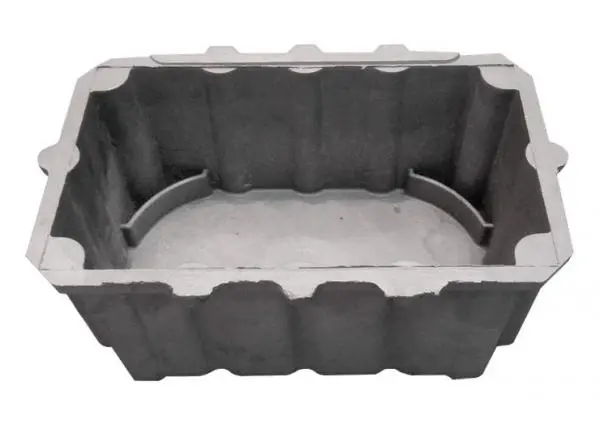
Where Custom Die Casting Accessories Make a Difference?
Industrial components do not operate in precisely the same environments. The design priorities of an electrical distribution system enclosure are going to be different from those of a structural component employed in transportation equipment. Knowing what the application is can aid you in choosing the right material, production process, and finishing requirements.
Electrical Enclosures and Explosion-Proof Equipment
Fasteners, internal parts, cable entries, covers, and mounting points may be required for electrical enclosures and accessories. Dimensional consistency is critical; even a minor difference at a mating surface could affect assembly, sealing, or alignment.
Aluminum castings are a possibility if enclosure design can take advantage of low part weight, corrosion resistance, and the capability to produce complex geometries. But a risky area enclosure requires more than a proper casting material. Design and certification of wall thickness, threaded connections, shape of the joint, sealing arrangements, and machining accuracy shall be to appropriate criteria.
Explosion-proof application buyers should verify that the finished product meets the required certified equipment design. Having a cast component does not make the entire enclosure explosion-proof. The design, inspection data, and any required approval papers should be reviewed by the manufacturer prior to the release of the component to manufacture.
Communication Equipment and Industrial Housings
Housing: The mounting connections protect the inside components of industrial control equipment and communication devices. The housing shall have specific dimensions, accessible connecting points, a homogeneous surface finish, and suitable resistance to the environment, depending on the function.
Instead of numerous sections, custom casting makes it possible for designers to make one part with several geometric elements. This makes it easy to assemble. The latter advantage depends on tooling cost, machining requirements, and estimated production volume.
In the design of a new housing, the purchasers have to decide about the critical dimensions, the contact points, and the surfaces to be further machined. This early information enables the manufacturer to evaluate the feasibility of the casting design offered and where further machining allowances may be necessary.
Automotive, Marine, and General Industrial Components
Aluminum castings are employed in automotive, marine, and general industrial equipment where weight, shape, and corrosion performance are essential factors. The selection of a casting is determined by the loads to be carried, the working temperature, the environment in which it is to be utilized, and the expected working life.
In the case of a component vulnerable to vibration or repeated mechanical stresses, it may be critical to provide special attention to the integrity of the casting, condition of the alloy, and local stress concentrations. Marine components need a good finishing method and a clear maintenance policy. The parameters must be defined by the supplier before the manufacturing route is chosen.
Purchasing departments should review the entire specification, rather than simply choosing a component from a material name or unit price. The cost and utility of custom die casting accessories depend on variables such as material, geometry, machining, surface treatment, inspection, and delivery requirements.
Choosing the Right Aluminum Casting Process
The word "die casting" is used loosely in product discussions, although distinct casting methods have varied equipment needs and manufacturing features. The selection of a process should be based on the drawing of the component, material specification, and quantity and performance requirements.
Gravity Casting For Aluminum Parts Casting Gravity Casting: Pour Molten Metal into a Prepared Mold Depending on the design of the mold and the production method, this technology can be used to produce parts of different geometries and variable wall thicknesses. This may be a suitable solution for specified aluminum components if the tooling investment, component design, and production volume are acceptable.
Rongbao’s manufacturing process involves gravity casting of A356 aluminum alloy, CNC machining, and surface treatment when specified. This is a specific method of production and not the general answer for every single component that is sold as a die-casting accessory.
The quality of castings is affected by a range of interacting elements, including mold design, metal temperature, mold temperature, gating design, filling behavior, and solidification. Good process control can help minimize errors, but the result has to be verified by proper inspection and not inferred from the casting operation alone.
High-Pressure Die Casting and Other Alternatives
High pressure die casting is the process of pouring molten metal into a metal mold under pressure. It is typically used when acceptable geometries need to be replicated over relatively large volumes. However, equipment requirements, tooling costs, alloy compatibility, and part design are different from those for gravity casting.
In cases where the wall thickness is atypical for the product or where the number of parts to be made does not warrant dedicated tooling, other methods may be considered. In product inquiry, the best product is not the name but the whole project.
It is the responsibility of the buyer to evaluate the actual technology given by a supplier. A drawing marked “gravity casting” must not be equated immediately with "high-pressure die casting." Any changes to a process will be reviewed for influence on mechanical qualities, dimensional performance, internal quality, finish, and obligatory product approvals.
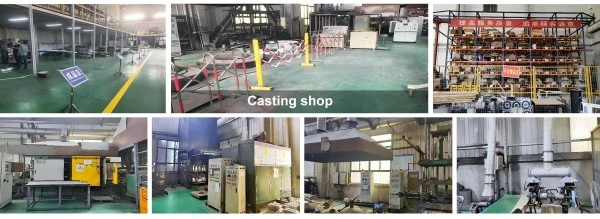
From Casting to a Finished, Machined Component
Typically, a casting, including die casting accessories, is not ready to be placed as soon as it comes out of the mold. Many industrial parts require additional machining, surface preparation, inspection, and packaging for protection before assembly into a finished product.
Material Selection and Casting Preparation
A356 is an aluminum silicon magnesium alloy used for a wide variety of casting applications. The characteristics are determined by the material specification, the production conditions, and any applicable heat treatment. Buyers have to check the required alloy identification and temper, not only the alloy name.
The maker has to check the part geometry before manufacture for nominal dimensions, wall thicknesses, draft angles, and any potential fill or ejection problems from the mold. Deep depths, tiny parts, delicate transitions, etc. may affect the design of the tooling and the viability of casting.
Design for manufacturing discussions might uncover opportunities to simplify geometry, improve mold access, or minimize unnecessary machining. Any change to the drawing shall not affect the functional requirements of the part and shall be accepted by the client before the drawing is changed.
CNC Machining for Critical Dimensions
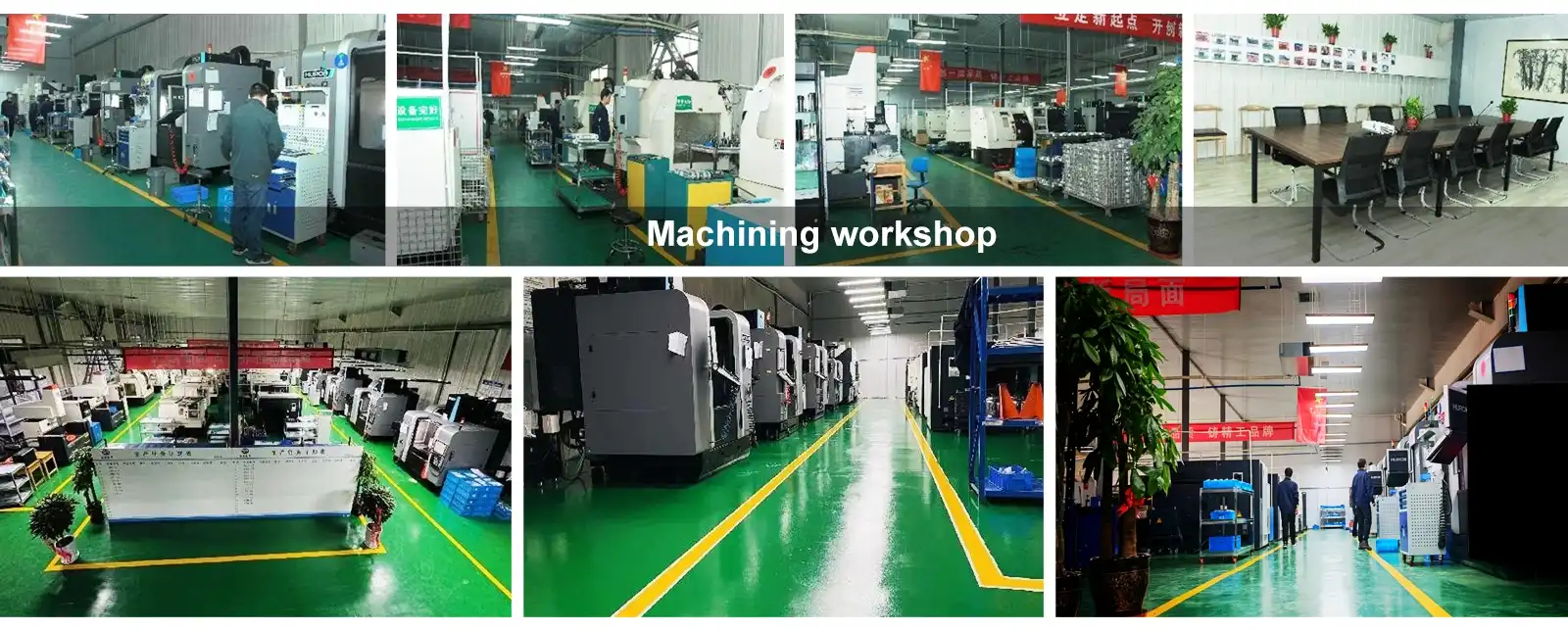
But the casting technique alone cannot deliver the precise control required for surfaces and features requiring finishing. So, this is commonly done with CNC machining. Depending on design, such operations may include drilling, tapping, milling, facing, and machining of mounting or sealing surfaces.
Different dimensions do not require the same tolerance. The manufacturer has to be able to identify critical-to-function features on the drawing so that inspection efforts can be applied where they really count. The planning of the machining sequence should also consider datum selection, machining allowances, fixture design, and workpiece stability.
For a given component and process, the allowable tolerance must be determined. Instead of assuming every feature can be produced to the micrometer level, the purchaser should specify the tolerances needed and ask the provider to evaluate feasibility before placing an order.
Surface Preparation and Finishing
Before any further operations, shot blasting may be performed to remove loose surface residues and improve the surface consistency. The end result is a combination of the medium and process parameters, the state of the alloy, and the polish required by the design.
Depending on component and supplier capabilities, further treatments such as powder coating or other suitable protective finishes may be given. Anodizing needs to be evaluated for the specific alloy and casting condition. Appearance and performance can vary.
Surface preparation and coating requirements should be specified in practical terms. Possible important details are needed: look for the kind of coating, color, thickness (if required), portions to be left uncoated, and any adhesion or corrosion tests requested by the customer.
Inspection Before Shipment
The last examination shall determine whether the manufactured part fits the specified standards. This may involve dimensional tests, visual inspection, inspection of threaded features, surface quality checks, or extra tests for casting integrity, depending on the component.
Traditional gauges and measuring instruments can be helpful for basic characteristics; however, coordinate measuring systems can be useful for evaluating intricate geometries and critical dimensions. The method of inspection should depend on the drawing, the tolerance, and the danger of the component.
For projects with unique quality requirements, the inspection strategy, frequency of sample, acceptance criteria, and documentation to be given must be negotiated beforehand between the buyers and the sellers. “When ordering die casting accessories, don’t expect that all orders will have material certificates, dimensional reports, and other records, but ask for them where applicable.
Custom OEM/ODM Services Built Around Your Drawings
“The best way to do custom manufacturing is for the engineering and buying teams to clearly state what they need up front. A product name is not enough to determine if a supplier can build a component reliably and inexpensively.
Turning Design Files into a Production Plan
Aluminum casting components made to order are welcome for OEM/ODM discussions. Customers may submit engineering drawings, CAD files, reference samples, or early specifications for an initial technical review. These materials define the geometry of the component, its use, and the limits of its fabrication.
During the review, parties should verify the material grade, key specifications, machining requirements, surface polish, inspection standards, and packaging instructions. We need to look at any design features that increase the complexity of tooling or machining time before bidding and going into production.
When available, simulation or other engineering study can help to judge mold filling, solidification, and possible design adjustments. This analysis is a planning tool, not a substitute for validation of production. Actual results will be compared to specified acceptability standards.
From Prototype Approval to Repeat Production
A prototype or first-article inspection can verify that the production method yields a part that conforms to the planned design. This procedure is especially useful when the product has tight tolerances, multiple machined interfaces, or a surface treatment that will impact fit and assembly.
The customer shall select the approved modification of the drawing, the method of change control, and the dimensions to be validated by documented measurement prior to large volume manufacturing. If a sample is accepted, the accepted configuration should be included in the production specification so that subsequent batches can be examined in the same manner.
Rongbao’s reported production offer includes custom batches based on client requirements with a maximum of 5,000 units. The intricacy of the item, tooling, finishing, inspection, and scheduling might affect capacity and delivery; therefore, it is vital to determine the correct batch size, lead time, and production arrangement for each order.
Finishing, Packaging, and International Delivery
Even when inspected, the component to be transported can be damaged during transport if the packing does not conform to the shape and surface condition of the component to be shipped. Packaging should protect machined faces, threaded holes, coated surfaces, and other features that could be damaged by impact, moisture, or touching of parts.
Goods are shipped in wooden containers, said Rongbao. The final packing arrangement should be determined according to the weight of components, size, mode of transit, and any export or handling rules. If consumers demand individual packaging, separators, labels, or batch identification, this should be stated in the procurement specification.
Buyers should verify the proper commercial and quality documents before shipment in addition to commercial and quality documentation. Good paperwork and packaging instructions help to reduce unnecessary receiving complications and make incoming inspection at the destination location easy.
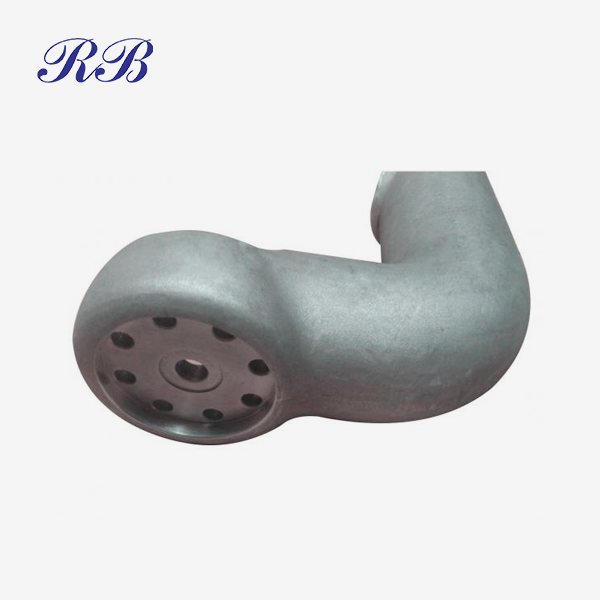
Conclusion
To choose the best die casting accessories supplier, you need to have a good knowledge of the application, casting technique, material specification, machining requirements and quality papers. Different manufacturing requirements are best served by gravity casting or high pressure die casting; choose your technique based on the part design, not the product name. Reliable production process for custom OEM/ODM projects depends on early drawing review, prototype verification, set inspection requirements and appropriate packaging. These criteria can be compared to the custom aluminum casting solutions provided by Rongbao Enterprise. A practical first step is to provide detailed technical specifications at the pricing stage so you may determine whether the supplied solution fits your project, budget and delivery criteria.
If you’re looking to elevate your product’s quality and consistency, reach out to us today at steve.zhou@263.net or zhouyi@rongbaocasting.com. Let Rongbao Enterprise craft solutions that redefine your expectations for durable, precision-engineered die casting accessories.
FAQ
1: What are die casting accessories used for?
They serve as critical mechanical structures in machinery, energy systems, and electrical enclosures. Explosion-proof box bodies often use these components because they combine strength with precise geometric design.
2: Why is A356 aluminum preferred for casting parts?
A356 provides high fatigue strength, good thermal conductivity, and superior corrosion resistance. It performs effectively under pressure while maintaining dimensional stability, making it suitable for both indoor and outdoor applications.
3: How does Rongbao ensure consistent quality in OEM orders?
Every stage—from mold creation to machining—is executed under ISO-certified systems. Detailed inspections, process monitoring, and material traceability guarantee stable quality for all customized batches.
References
1. Grand View Research. (2023). Aluminum Die Casting Market Analysis Report.
2. ISO. (2024). International Standards for Quality and Environmental Management.
3. SpringerLink. (2023). Advances in Gravity Casting Processes.
4. Manufacturing Tomorrow. (2024). Precision CNC Machining Trends and Process Improvements.
5. ScienceDirect. (2023). Microstructural Evolution of A356 Aluminum Alloys in Die Casting Applications.

Learn about our latest products and discounts through SMS or email