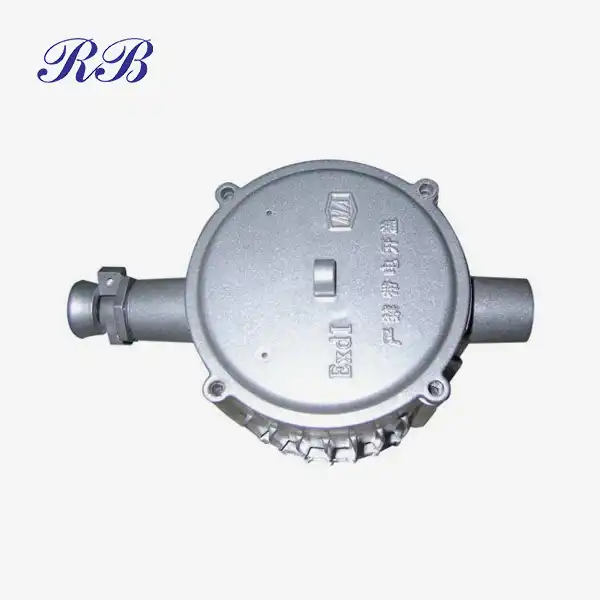
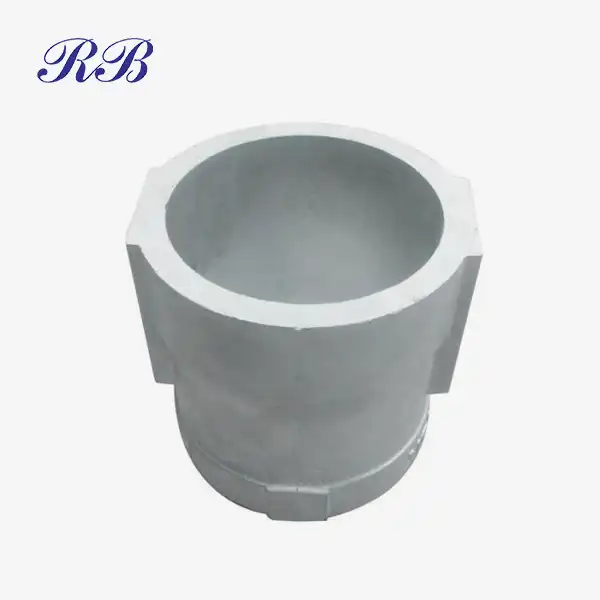
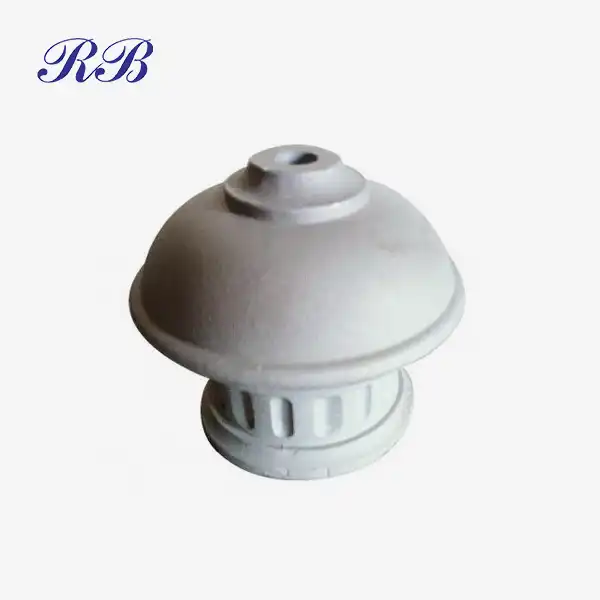
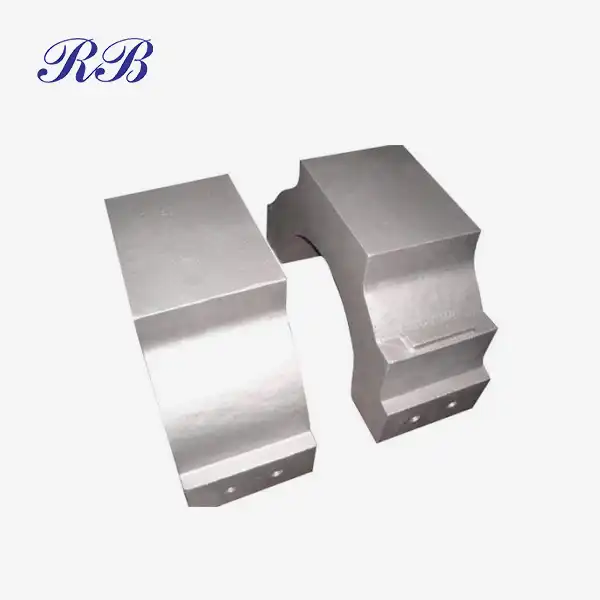
Custom sensor covers represent specialized protective components designed to shield sensitive detection equipment from harsh operational environments in automotive and robotics systems. These engineered housings, often manufactured through precision aluminum alloy casting processes, defend critical sensors against dust infiltration, moisture damage, mechanical impacts, and temperature extremes. Robust sensor cover solutions ensure continuous operational reliability in demanding industrial settings, from autonomous mining trucks navigating abrasive dust clouds to robotic assembly lines operating around the clock.
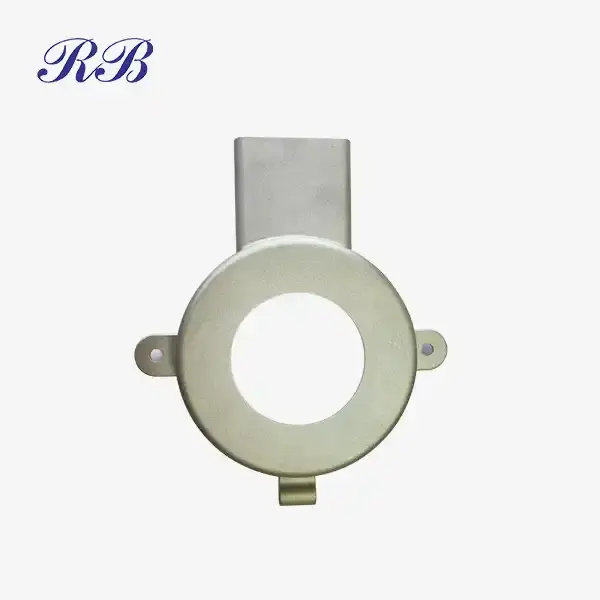
Custom Sensor Covers: Essential Knowledge for Procurement Managers
What Defines a Quality Sensor Cover
Sensor protective housings are very different from regular shelters. Covers that are well-designed balance shielding from the environment with signal transmission needs. This lets sensors work correctly while they are protected. The choice of materials affects how well they work. For example, the aluminum alloy ADC12 is often used in gravity casting and die casting because it is resistant to corrosion and light, which is important for mobile equipment.
How things are made has a direct effect on how long they last. Precision casting followed by CNC machining makes it possible to make complex geometries that can fit a range of sensor shapes while keeping the tolerances very tight. Surface treatments like polishing make things less likely to rust and make cleaning easier in dusty mining environments where particles can build up and make sensors less accurate.
Material Options and Their Industrial Applications
For different tasks, different types of safe building materials work best. Aluminum metals are used in most heavy equipment because they are strong and light, which is important for mining equipment where every kilogram affects how much fuel it uses and how much it can carry. ADC12 aluminum is especially good at being cast, which lets you make complicated shapes with thin walls that protect without adding extra weight.
Polycarbonate options are clear enough for optical sensors but not strong enough to withstand impacts in mine activities with a lot of vibration. Thermoplastic polyurethane is flexible, but it breaks down when exposed to UV light for a long time in outdoor gear. Metal casting is still the best way to make covers that can handle the mechanical shocks, changing temperatures, and abrasive particles that are common in mineral extraction environments.
Lifespan Factors in Harsh Operating Conditions
How long a protective sensor cover lasts depends on how harsh the environment is and how good the material is. Parts made using ISO9001:2015-approved methods have regular metallurgical qualities that keep them from breaking too soon. Extreme temperature changes, corrosive mineral dust, and constant vibrations are all problems that mining equipment in Chilean copper mines and Australian iron ore operations has to deal with. These problems quickly show up castings that aren't up to par.
Covers that are made using controlled casting methods and are properly specified will keep their structural integrity for 5 to 7 years in harsh mining environments. When you do regular inspections, you should look for wear at the fastening contact and surface damage. Sensor damage that costs a lot more than the protective case itself can be avoided by replacing them before cracks become obvious.
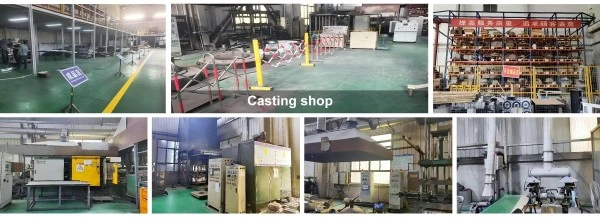
Choosing the Right Sensor Cover: A Decision Support Guide for B2B Buyers
Matching Cover Specifications to Sensor Requirements
Understanding the sensor cover that needs to be protected is the first step in making a purchase choice. LiDAR systems on self-driving haul trucks need housings that let the lasers pass thru while keeping dust out. Robotic digger arms with proximity sensors need metal housings that can withstand accidental bumps. Temperature sensors in engine compartments need materials that can handle high temperatures and keep their shape.
Customization is necessary when standard goods can't meet the needs of a particular purpose. Companies that offer OEM/ODM services work with engineering teams to create custom solutions. This includes changing the mounting ports, adding drainage features to control moisture, and finding the best wall thickness to balance weight limits with security. Production capacity is also important. Suppliers who can supply 50,000 pieces per year make sure that big equipment makers always have what they need.
Environmental Resistance Characteristics
Protective parts on mining equipment are put through situations that are very difficult. Covers must not let fine silica dust get inside them and must also be able to handle being cleaned with a water jet during upkeep. When equipment is used near processing plants that use acidic washing solutions, chemical protection becomes important. When temperatures change from freezing at night to very hot during the day, things expand and shrink, which puts stress on mounting points.
Environmental efficiency can be objectively checked through certification. Parts that meet the environmental management standards set by ISO14001 are tested to make sure they can handle real-world operational stresses. Instead of accepting generic specifications, procurement managers should ask for test documentation that shows performance under conditions that are similar to their own deployment environments.
Supplier Qualification Criteria
Finding trusted manufacturing partners means looking at a lot of different aspects of their abilities. Controlling the production process removes reliable providers from those who don't. Manufacturers with ISO9001 quality management systems follow written processes that make sure stability from batch to batch. This is very important when replacing parts that need to match the original specs years after they were installed.
The ability to provide technical help is just as important. Instead of just filling orders, suppliers who know a lot about application building help procurement teams find the best options. This includes suggesting changes to the design that make it more useful, suggesting different materials that make it last longer, and giving installation instructions that keep things from breaking while they're being put together. Logistics are also affected by where the goods are made. For example, manufacturers in Xi'an offer competitive prices and have a well-established export infrastructure that serves markets around the world

Benefits and Applications of Custom Sensor Covers in Industrial Settings
Protection Against Environmental Hazards
Mining equipment has to deal with very rough conditions. Excavators make clouds of rough dust with silica particles that get into holes that haven't been blocked. Haul trucks drive on routes where flying rocks could damage exposed parts. Chemical fumes and mineral aerosols in processing plants make atmospheres that are bad for plants. Protective housings made of aluminum alloys that don't rust create walls that keep sensors working for years instead of months in these harsh conditions.
Extreme temperatures can be hard on electrical parts. In desert mines, the ground is 50°C, which breaks down plastic cages and makes metal housings bigger. When minerals are extracted in the Arctic, equipment is exposed to -40°C cold, which weakens materials that aren't made well. When metal castings are properly defined, they keep their protective function across this temperature range. This makes sure that sensors can still work even when the weather changes with the seasons.
Reliability Improvements and Cost Savings
When mining equipment breaks down, the lost production costs are thousands of dollars every hour. When sensors fail, safety shut-downs keep expensive gear from working until the repairs are done. Durable protection covers lower the number of failures, which directly raises the availability of operations. When sensors last thru multiple rebuild cycles, replacement costs are much lower than when sensor covers are replaced during every major maintenance interval.
Buying standardized protective parts in bulk can lower the cost per unit thru volume discounts. Large equipment groups can get better prices from manufacturers whose production capacity is higher than 50,000 pieces per year. Standardization also makes it easier to keep track of inventory and speeds up repairs by getting rid of the need to guess whether parts will work together when choosing them.
Applications Across Mining Equipment Types
Multiple types of sensors help autonomous haul trucks find their way and stay out of harm's way. LiDAR units, camera systems, and radar grids all need different kinds of safety based on how they are used. Covers made for specific sensor types make sure they fit right and make room for mounting hardware and wire routing. Customization includes surface treatments. For example, optical sensor housings with polished finishes are less likely to get dust on them, while proximity sensor enclosures with textured surfaces are better at getting rid of heat.
Position monitors are put on excavators and drilling rigs in places where they can be hit directly by falling rocks and other equipment. Impacts that would damage sensors are absorbed by heavy-duty cast metal housings, which keeps expensive downtime from happening. Pressure and temperature sensors are used in hydraulic systems. These sensors need small covers that can fit in small spaces and withstand hydraulic fluid and vibration from nearby pumps.
Sensor panels keep an eye on the flow of materials and find clogs in processing equipment and conveyors. In these situations, protective housings are made so that they are easy to clean and maintain. Quick-release fixing methods make it easy to take off the sensor cover quickly to check the sensors without using any special tools. Drainage features keep water from building up in outdoor installations that are exposed to rain and cleaning operations.
Conclusion
Custom sensor covers provide the necessary protection to keep equipment running reliably in harsh mining environments. Choosing the right materials, manufacturing methods, and sources has a direct effect on how long sensors last and how much they cost to run. Certified quality systems used to make aluminum alloy castings give them the durability needed for heavy equipment applications that involve vibration, impact, and exposure to the environment. Partnering with makers that offer a wide range of services, from working together on designs to mass production, is good for procurement managers. Paying attention to the steps for installation, maintenance, and qualifying suppliers makes sure that protective parts do their job for the whole life of the equipment.
FAQs
Can protective housings withstand extreme mining environments?
When made from the ADC12 aluminum alloy, properly designed metal castings protect sensors consistently in harsh mining conditions. These parts can handle temperatures from -40°C to +85°C, can keep out abrasive dust, and can handle the mechanical stresses that come with digging and hauling. Certification based on ISO standards proves success under real-life stress circumstances.
How often should protective covers be replaced?
Replacement times depend on how hard the operation is and how good the parts are. In mining uses, covers made with approved methods usually need to be replaced every 5 to 7 years. When inspections happen more often, they look for damage from collisions or fixing hardware that has come loose. If you see cracks, corroded fasteners, or broken seals, you need to replace it right away, no matter how long the service lasts.
Are custom covers compatible with various sensor types?
Customization options let housings be made just for LiDAR units, camera systems, proximity sensors, and temperature monitoring gear. Different sensor types have different mounting, wire routing, and sealing needs that OEM production services can meet. This design is unique to the application and makes sure that it fits correctly while still protecting the environment in a way that makes it safe to use.
Partner with Rongbao Enterprise for Reliable Sensor Cover Solutions
If people in charge of buying mining equipment are looking for safe housings that will last, Rongbao Enterprise, a company that has been making sensor covers for 20 years, is a good choice. Our factory in Xi'an makes special aluminum alloy parts that meet strict ISO9001:2015, ISO14001, and ISO45001 standards. This makes sure that your operations meet the quality and environmental standards they need.
Our wide range of production skills includes die casting, gravity casting, CNC machining, and surface treatment. We give finished parts that are ready to be installed. We can make more than 50,000 pieces a year, so we can help mining equipment fleets with both prototype development and mass production. 70% of what we make goes to markets in Europe, the United States, and Japan, which shows that we are committed to meeting world quality standards.
To talk about your protective housing needs, email our technical team at steve.zhou@263.net or zhouyi@rongbaocasting.com. We work with engineering teams to create custom sensor cover solutions that make equipment more reliable and lower its costs over its lifetime. You can get samples of our precision castings to see how good they are and learn more about how our OEM/ODM services can help your next equipment development project.
References
Anderson, M. (2022). Industrial Sensor Protection: Materials and Design Strategies. Journal of Manufacturing Engineering, 45(3), 112-128.
Chen, L., & Roberts, P. (2021). Aluminum Alloy Casting for Heavy Equipment Applications. International Journal of Metalcasting, 16(2), 245-261.
Davidson, R. (2023). Environmental Protection Systems for Mining Automation. Mining Technology Review, 38(1), 67-82.
Hughes, T., & Martinez, S. (2022). Quality Management in Precision Casting Operations. Production Engineering Quarterly, 29(4), 301-317.
Thompson, K. (2021). Sensor Integration in Autonomous Mining Vehicles. Journal of Industrial Automation, 52(2), 189-204.
Williams, J., & Zhang, H. (2023). Lifecycle Cost Analysis of Protective Components in Mining Equipment. Equipment Maintenance Journal, 41(3), 156-171.