- English
- French
- German
- Portuguese
- Spanish
- Russian
- Japanese
- Korean
- Arabic
- Greek
- German
- Turkish
- Italian
- Danish
- Romanian
- Indonesian
- Czech
- Afrikaans
- Swedish
- Polish
- Basque
- Catalan
- Esperanto
- Hindi
- Lao
- Albanian
- Amharic
- Armenian
- Azerbaijani
- Belarusian
- Bengali
- Bosnian
- Bulgarian
- Cebuano
- Chichewa
- Corsican
- Croatian
- Dutch
- Estonian
- Filipino
- Finnish
- Frisian
- Galician
- Georgian
- Gujarati
- Haitian
- Hausa
- Hawaiian
- Hebrew
- Hmong
- Hungarian
- Icelandic
- Igbo
- Javanese
- Kannada
- Kazakh
- Khmer
- Kurdish
- Kyrgyz
- Latin
- Latvian
- Lithuanian
- Luxembou..
- Macedonian
- Malagasy
- Malay
- Malayalam
- Maltese
- Maori
- Marathi
- Mongolian
- Burmese
- Nepali
- Norwegian
- Pashto
- Persian
- Punjabi
- Serbian
- Sesotho
- Sinhala
- Slovak
- Slovenian
- Somali
- Samoan
- Scots Gaelic
- Shona
- Sindhi
- Sundanese
- Swahili
- Tajik
- Tamil
- Telugu
- Thai
- Ukrainian
- Urdu
- Uzbek
- Vietnamese
- Welsh
- Xhosa
- Yiddish
- Yoruba
- Zulu
Key Advantages of Gravity Sand Casting Parts
Gravity sand casting parts deliver a compelling combination of structural integrity, dimensional adaptability, and cost efficiency that few other manufacturing processes can match. When sourcing aluminum alloy components for high-demand applications — particularly in power transmission and electrical infrastructure — procurement engineers increasingly turn to gravity sand casting as a proven, reliable method. This guide breaks down the core technical and commercial advantages, helping B2B buyers make confident, well-informed sourcing decisions from qualified suppliers.
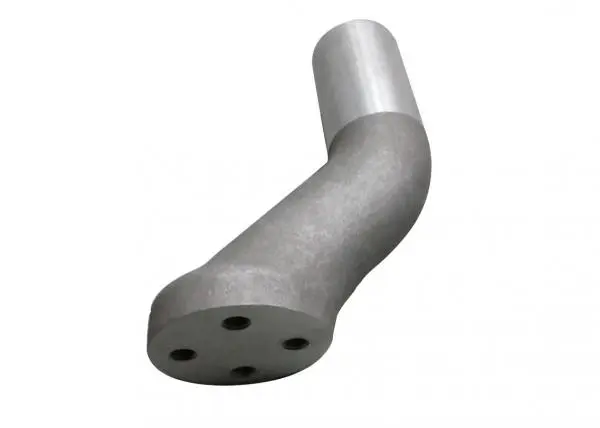
Understanding Gravity Sand Casting and Its Process
Core Working Principle and Standard Production Flow
The basic idea behind gravity sand casting is simple: molten metal is poured into a ready-made sand mould using only gravity and no outside pressure, which defines the unique manufacturing logic of gravity sand casting parts. The first step is to prepare the mould. A reusable design molds cemented sand into customized cavities. Once the cavity is fully shaped, temperature-controlled molten alloy such as A356 aluminium is poured steadily into the mold. After the liquid metal cools and solidifies completely, the sand mold is broken and removed, leaving complete finished cast components for subsequent finishing processing.
Process Differences from Die Casting and Investment Casting
Different casting technologies have distinct process characteristics and application boundaries. In high-pressure die casting, metal is injected at extremely high speeds and pressure, while gravity casting adopts slower and more controllable fill rates. This low-turbulence filling method effectively reduces internal porosity and metal entrainment defects, forming denser internal microstructures and more stable mechanical properties, according to professional foundry technology research (Beeley, 2001). Investment casting can produce small-sized parts with ultra-tight tolerances, but it requires complex wax pattern production processes, resulting in high tooling costs and poor cost performance for components over several kilograms.
Gravity sand casting acts as an ideal industrial compromise, capable of manufacturing complex structural parts in medium and stable batches without excessive tooling investment. Industry statistics from the American Foundry Society show that over 70% of global metal castings produced in 2022 adopted sand casting processes, fully verifying the large-scale applicability and industrial maturity of gravity sand casting parts in diverse manufacturing fields.
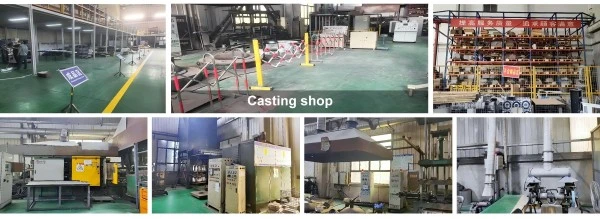
Top 5 Major Benefits of Using Gravity Sand Casting Parts
Cost and Volume Flexibility Advantages
For B2B procurement teams balancing cost and production flexibility, gravity sand casting parts present outstanding economic advantages. Sand molds feature extremely low production costs compared with durable steel dies used in high-pressure die casting. This cost advantage makes the process highly suitable for medium-volume production runs ranging from hundreds to tens of thousands of units, perfectly matching the annual framework order mode of power transmission and electrical equipment industries. It avoids the huge upfront tooling investment pressure of die casting and the unit cost premium of investment casting, achieving optimal cost performance for medium-batch industrial component procurement.
Diversified Material Compatibility
This casting process boasts ultra-broad material adaptability, supporting the processing of aluminum alloys, cast iron, carbon steel, magnesium alloys, copper alloys and other common industrial metal materials, greatly expanding the application scenarios of gravity sand casting parts. Among them, A356 aluminum alloy is the most mainstream material for electrical and structural components. After T6 heat treatment, it achieves a tensile strength of no less than 228 MPa, with excellent castability, structural stability and atmospheric corrosion resistance, fully adapting to long-term outdoor operation requirements of power transmission infrastructure (ASM International, 2019).
Superior Structural Integrity for Load-Bearing Scenarios
Based on the natural gravity filling principle, the molten metal fills the mold cavity stably and uniformly, effectively suppressing common casting defects such as shrinkage cavities, porosity and uneven wall thickness. The precise and controllable solidification process endows gravity sand casting parts with consistent structural performance and reliable load-bearing capacity. For core components such as high-voltage transmission conductors and connecting flanges, stable structural integrity directly guarantees the overall operational safety and extended service life of power equipment, meeting the strict mechanical performance standards of industrial infrastructure.
Eco-Friendly and Recyclable Production Process
In line with global green manufacturing trends, the gravity sand casting process has significant environmental advantages. Most of the molding sand used in production can be recycled and reused after treatment, greatly reducing raw material waste and production costs. Meanwhile, its unit energy consumption for aluminum casting is significantly lower than pressure-assisted casting processes, complying with ISO 14001 environmental management system standards. This green production feature enables manufacturers of gravity sand casting parts to meet the environmental audit requirements of international buyers and support sustainable supply chain construction.
Seamless Scalability from Prototype to Mass Production
The process supports consistent mold design and process standards throughout prototype verification and batch production stages, which is a core advantage of gravity sand casting parts for R&D and iterative manufacturing. Manufacturers can complete small-batch trial production of 10–20 sample products for engineering verification, and directly switch to mass production of 5,000+ units without repeated mold opening and process debugging. This production continuity effectively shortens the product iteration cycle, reduces qualification rework costs, and provides stable technical support for the rapid landing of electrical equipment projects.
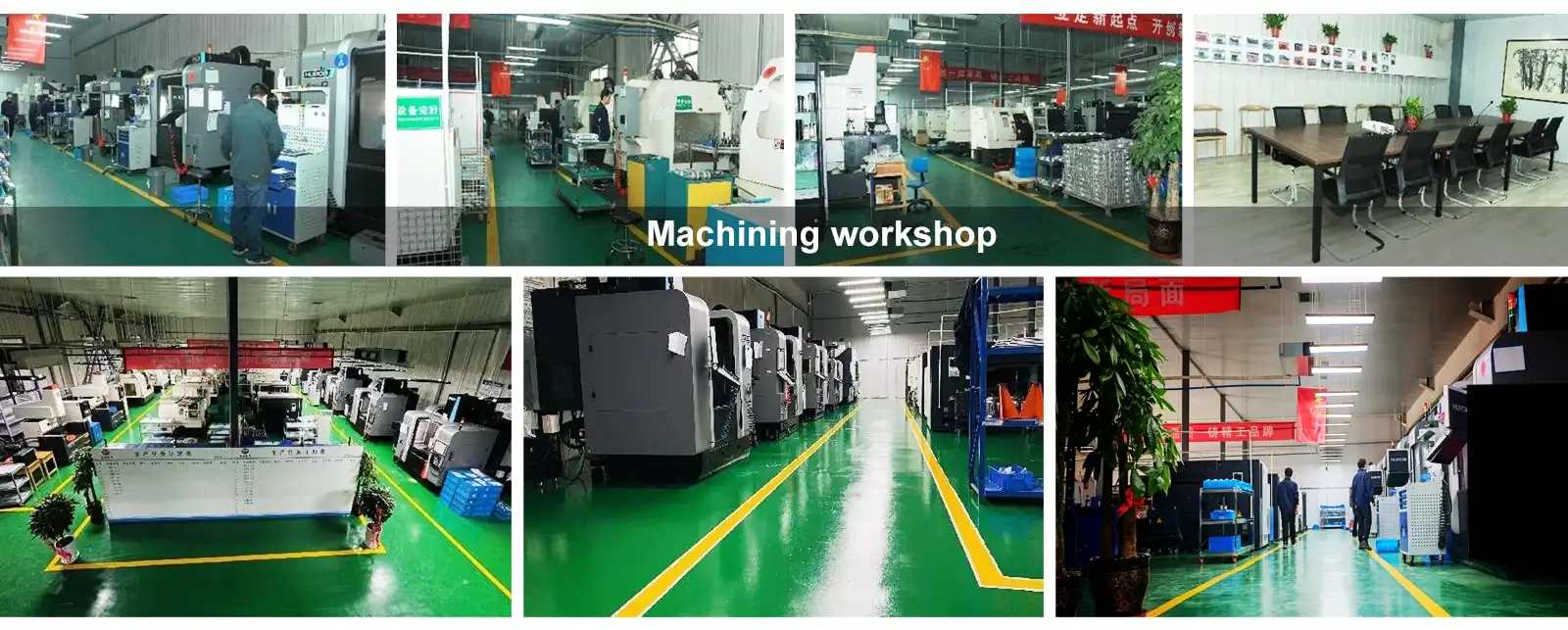
With the above comprehensive advantages, gravity sand casting fully meets the surface quality, dimensional accuracy and structural performance requirements of high-voltage equipment assembly. After secondary processing such as CNC precision machining and shot blasting, gravity cast components can achieve ultra-smooth surfaces and precise matching tolerances, fully adapting to the assembly standards of high-precision electrical components.
Comparison with Other Casting Methods – Why Gravity Sand Casting Stands Out
Gravity Sand Casting vs. High-Pressure Die Casting
High-pressure die casting excels in ultra-high-speed mass production and smooth surface forming, but it has obvious limitations in industrial infrastructure applications. The customized hardened steel dies require extremely high upfront investment, and parts produced by this process are prone to internal porosity, leading to structural failure during subsequent welding and high-temperature operation. In contrast, gravity sand casting parts have denser internal structures and stronger mechanical stability, which is more suitable for power transmission conductors that require long-term mechanical load resistance and subsequent machining. Relevant industry data shows that the mold cost of gravity sand casting is 40–60% lower than that of die casting molds with the same structural complexity, bringing significant cost advantages for medium-batch procurement.
Gravity Sand Casting vs. Investment Casting
Investment casting can achieve near net-shape precision and ultra-high dimensional accuracy, but its complex wax mold manufacturing and multi-layer shell molding process lead to soaring unit costs in medium-volume production. For medium and large-sized components weighing more than 2kg (such as 2.3kg A356 aluminum alloy gearbox accessories for power equipment), investment casting loses cost competitiveness when the order volume reaches 5,000 units. Gravity sand casting parts can maintain stable geometric accuracy and mechanical performance in this volume range, with much lower unit production costs, becoming the most cost-effective solution for medium and large aluminum alloy structural parts in electrical infrastructure.
For professional procurement teams, the comparison result is clear: gravity sand casting achieves the perfect balance of dimensional accuracy, material performance and procurement cost, and is the preferred process for medium and large aluminum alloy components in industrial and electrical infrastructure construction.
Practical B2B Procurement Guidelines for Gravity Sand Casting Parts
Core Supplier Certification Standards
Professional qualification certification is the basic guarantee for stable quality of qualified gravity sand casting parts. Mature and reliable suppliers must hold complete ISO system certifications. ISO 9001:2015 quality management certification ensures standardized and traceable whole-process quality control from raw material incoming inspection to finished product delivery. ISO 14001 environmental management certification verifies that the production process complies with international green manufacturing specifications. ISO 45001 occupational health and safety certification standardizes on-site production management. Suppliers with all three certifications have mature standardized operation capabilities and can fully adapt to the audit standards of global industrial supply chains.
Key Procurement Inspection Checklist
To avoid quality risks and supply instability, procurement engineers can screen suppliers of gravity sand casting parts according to the following core checklist:
-
Complete material traceability documents for A356 and other customized aluminum alloys to ensure material compliance
-
Independent in-house CNC machining capability to realize post-cast dimensional precision correction
-
Complete surface treatment processes including shot blasting to enhance oxidation and corrosion resistance
-
Standard export wooden box packaging solutions adapted to international long-distance freight
-
Flexible OEM/ODM customized design services to meet personalized component specification requirements
-
Sufficient batch production capacity to support annual fixed framework order delivery
Case Studies: Practical Application Success of Gravity Sand Casting Parts
A large domestic power equipment manufacturer has adopted A356 aluminum gravity sand casting parts for high-voltage transmission gearbox and conductor components. After long-term field operation verification, the components maintain stable structural performance under outdoor high-temperature, low-temperature and humid corrosion environments, with no deformation, cracking or corrosion failure. Compared with die-cast parts used in previous projects, the gravity cast components have higher structural stability and lower comprehensive procurement costs, effectively reducing equipment maintenance frequency and long-term operating costs. This fully proves that standardized customized gravity sand casting parts can fully meet the strict performance requirements of electrical and communication infrastructure projects.
Conclusion
Gravity sand casting parts have become a reliable and cost-effective choice for power transmission, industrial equipment and OEM supporting scenarios by virtue of stable structural performance, diverse material adaptability and outstanding economic benefits. The excellent mechanical and electrical properties of A356 aluminum alloy, combined with the low-defect filling advantage of gravity casting process and high-precision post-processing technologies such as CNC machining and shot blasting, enable the components to adapt to various harsh industrial service environments. Selecting certified and experienced professional manufacturers is the key for procurement teams in the electrical equipment industry to build stable, high-quality and cost-effective long-term supply chains.
FAQ
What materials are commonly used in gravity sand casting for electrical components?
Electrical infrastructure projects mainly adopt A356 (ZL101A) aluminum alloy, which balances excellent castability, tensile strength and corrosion resistance. According to different working conditions, manufacturers can also use cast iron, copper alloy and magnesium alloy to produce gravity sand casting parts to meet the load-bearing, conductive and anti-corrosion requirements of different power equipment components.
What surface finish can I expect from gravity sand cast parts?
The original surface of gravity sand casting parts has standard casting texture. After professional post-processing such as shot blasting, polishing and CNC finishing, the surface roughness can be effectively optimized, removing surface oxide layers and burrs, meeting the assembly and anti-corrosion requirements of precision electrical components.
What are realistic lead times for custom gravity cast aluminum parts?
The delivery cycle depends on customization difficulty and order volume. Conventional standard gravity sand casting parts have a delivery cycle of 2–3 weeks. For customized products requiring mold development and personalized processing, the whole cycle from mold opening, trial production to batch delivery is about 4–6 weeks, supporting flexible prototype trial production and large-scale batch orders.
How are parts packaged for international shipment?
Formal suppliers adopt standardized export wooden box packaging for gravity sand casting parts, with internal cushioning and fixation measures to avoid collision and extrusion damage during long-distance ocean transportation, ensuring intact product delivery and meeting international freight packaging specifications.
Partner with Rongbao Enterprise for Superior Gravity Sand Casting Parts
Rongbao Enterprise is a trusted manufacturer of gravity sand casting parts. They have been in the industry for twenty years and use the latest technology in their work. Our broad method combines high-level metallurgy, exact manufacturing tools, and strict quality control systems to make parts that work better than expected.
Our factory in Xi'an upholds the highest standards around the world by getting three ISO certifications. This makes sure that every part meets strict quality standards. With a lot of knowledge in gravity casting, CNC machining, and specialised surface treatments, this company can handle all of its customers' manufacturing needs.
We know that marine applications need to be very reliable and resistant to corrosion. Our technical team works directly with customers to make the best choices about quality control, materials, and component designs that will keep things working in tough conditions.
Ready to talk about what you need for your gravity sand casting? Our engineers can help you with technical questions and give you competitive quotes for your specific needs. Email us at steve.zhou@263.net and zhouyi@rongbaocasting.com if you want to talk about how our knowledge of manufacturing can help you make new products.
References
American Foundry Society. (2022). Metalcasting Industry Overview and Statistics. American Foundry Society.
ASM International. (2019). ASM Handbook Volume 2: Properties and Selection of Nonferrous Alloys and Special-Purpose Materials. ASM International.
Kalpakjian, S., & Schmid, S. R. (2020). Manufacturing Engineering and Technology (7th ed.). Pearson Education.
Beeley, P. R. (2001). Foundry Technology (2nd ed.). Butterworth-Heinemann.
Davis, J. R. (Ed.). (1993). Aluminum and Aluminum Alloys. ASM International.
Campbell, J. (2015). Complete Casting Handbook: Metal Casting Processes, Techniques and Design (2nd ed.). Butterworth-Heinemann.
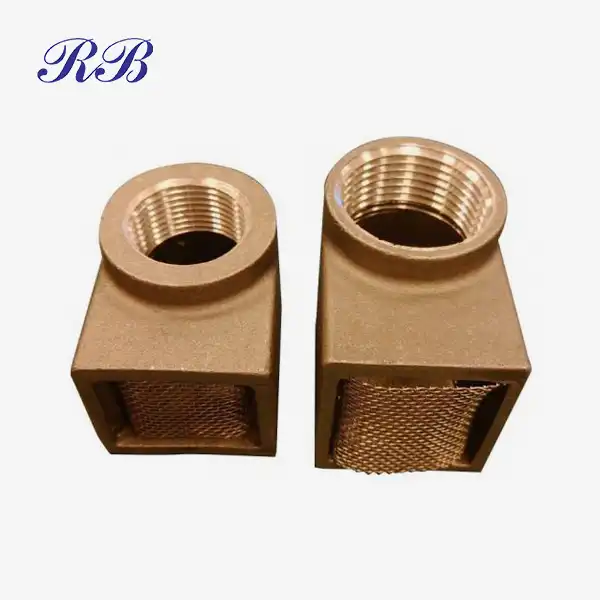

Learn about our latest products and discounts through SMS or email