- English
- French
- German
- Portuguese
- Spanish
- Russian
- Japanese
- Korean
- Arabic
- Greek
- German
- Turkish
- Italian
- Danish
- Romanian
- Indonesian
- Czech
- Afrikaans
- Swedish
- Polish
- Basque
- Catalan
- Esperanto
- Hindi
- Lao
- Albanian
- Amharic
- Armenian
- Azerbaijani
- Belarusian
- Bengali
- Bosnian
- Bulgarian
- Cebuano
- Chichewa
- Corsican
- Croatian
- Dutch
- Estonian
- Filipino
- Finnish
- Frisian
- Galician
- Georgian
- Gujarati
- Haitian
- Hausa
- Hawaiian
- Hebrew
- Hmong
- Hungarian
- Icelandic
- Igbo
- Javanese
- Kannada
- Kazakh
- Khmer
- Kurdish
- Kyrgyz
- Latin
- Latvian
- Lithuanian
- Luxembou..
- Macedonian
- Malagasy
- Malay
- Malayalam
- Maltese
- Maori
- Marathi
- Mongolian
- Burmese
- Nepali
- Norwegian
- Pashto
- Persian
- Punjabi
- Serbian
- Sesotho
- Sinhala
- Slovak
- Slovenian
- Somali
- Samoan
- Scots Gaelic
- Shona
- Sindhi
- Sundanese
- Swahili
- Tajik
- Tamil
- Telugu
- Thai
- Ukrainian
- Urdu
- Uzbek
- Vietnamese
- Welsh
- Xhosa
- Yiddish
- Yoruba
- Zulu
Copper Sand Casting vs Die Casting: Which Is Best for OEMs?
Choosing between copper sand casting and die casting for kitchenware procurement might be difficult. Both approaches have benefits, but which one you choose depends on product specs, manufacturing volume, and quality. Copper sand casting produces complex, bespoke components with outstanding material qualities, making it appropriate for mid-volume production runs with design flexibility. Die casting produces quickly with strict tolerances. Understanding these distinctions helps you match production decisions to company objectives while meeting food-grade safety and surface quality criteria.
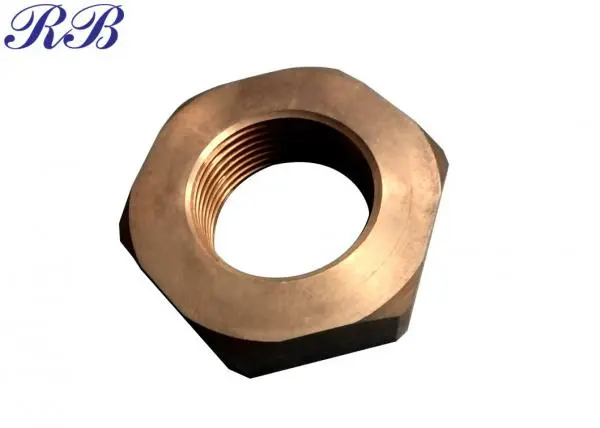
Understanding Copper Sand Casting and Die Casting
What Is Copper Sand Casting?
Sand molds form molten copper alloys like H60 and H62 into final items in copper sand casting. First, create a repeatable pattern that makes a hole in perfectly mixed sand. After removing the design, gravity casting pours molten copper into the hole. A cooled sand mold slips off to reveal the finished part. Edible goods like hexagon nuts, drainage fittings, and ornamental hardware benefit from custom production runs and delicate geometries.
The method works well with heat- and corrosion-resistant copper. Permanent metal dies cost more than sand molds, so designers may test concepts or execute orders cheaply. Gravity casting reduces turbulence that might damage the structure.
How Die Casting Works
Under high pressure, die casting forces liquid metal through steel dies. Its shorter cycle periods make it more cost-effective for creating many goods than sand casting. High-pressure die casting forces metal into every die cavity corner. This allows for precise measurements and smooth surfaces with little post-processing.
Die casting machinery is substantially more expensive than sand casting. Steel dies may be machined in many ways and used for tens of thousands of manufacturing runs before being replaced. This approach works best when the volume of work is great enough to justify the tool cost and when all pieces in a large batch must be the same size.
Material Compatibility and Applications
Both approaches work well with copper alloys but alter their characteristics. Sand casting can handle many kg of pieces and offers additional alloy options. Aluminum and zinc alloys flow smoothly under pressure and solidify fast, making them superior die casting alloys to copper alloys.
Copper sand casting makes food-grade, corrosion-resistant, small-quantity kitchenware pieces. This procedure works for brass faucets, copper pipe fittings, and ornamental hardware. Die casting makes many consumer items that must appear the same and be created rapidly; thus, individual designs are not necessary.
Performance and Quality Comparison for OEM Needs
Mechanical Properties and Durability
Sand-cast copper has distinct grain characteristics from die-cast copper. Slow cooling lets you control solidification in sand casting. This eases strain and stretches the cloth. Heating equipment parts may be exposed to temperature or mechanical pressures; thus, these attributes are crucial.
Die-cast components are harder and cool quicker, but interior pressures may need heat to operate. Valve bodies and pressurized fittings use denser, less porous copper sand casting made by high-pressure injection.
Gravity-sandcast copper alloy H60 parts stretch 15–25% and compress 340–420 MPa. Strength and shapeability are needed for demanding culinary applications. Depending on the alloy and cooling speed, die-cast copper parts may be as strong as cast copper but less flexible.
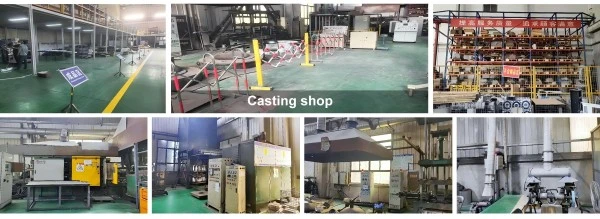
Surface Finish and Dimensional Accuracy
Surface quality affects equipment appearance and performance. Sand casting results in rougher surface finishes (6.3-12.5 μm) from the mold. To achieve a Ra < 3.2 μm gloss, high-end cookware requires additional processes like shot blasting, polishing, or CNC cutting. Shot blasting removes surface scale and smooths part structure before finishing.
Die casting improves surface quality, generating Ra 1.6-3.2μm without additional steps. This cuts bulk finishing expenses. Die casting enables 0.05 mm size tolerances for important pieces, whereas sand casting only permits 0.5 to 1 mm, necessitating machining for accuracy.
CNC cutting fills sand-cast product gaps. Thread profiles, sealing surfaces, and mounting features are machined appropriately regardless of casting method. Sand casting allows design flexibility, safe operation, and accurate installation.
Production Speed and Volume Capabilities
Production times vary substantially. Sand casting may create 20–100 pieces per mold per day, depending on component size and complexity. Mold preparation, filling, freezing, and shaking out take longer than high-pressure die casting, which makes tiny components in 30–90 seconds.
OEM procurement managers scheduling production must consider minimum order quantities and delivery times. Gravity casting 5,000 hexagon nuts takes two to three weeks of frenetic setup, manufacturing, and cleaning. Tool creation takes weeks or months for first orders, while die casting takes days.
For 1,000–10,000 pieces per year, sand casting is inexpensive. These levels of manufacturing may make money due to cheaper equipment; however, die casting costs more due to steel dies. Companies may freely test the market or launch new products.
Cost Analysis and Procurement Considerations
Initial Tooling and Setup Investments
Tool cost distinguishes strategies most. Sand casting designs range from $500 to $5,000, depending on complexity. Precision steel copper die casting dies cost 15–100,000. This 10–20x price disparity affects purchasing.
When creating budgets, procurement managers must calculate break-even amounts at equal item prices. Sand casting is ideal for small-batch bespoke designs, goods, and components because of its low cost. Die casting becomes cost-effective when most copper parts are manufactured 25,000–50,000 times annually.
Pattern and mold care varied. Sand casting patterns must be revised after thousands of castings. Die cleaning, surface treatment, and component replacement are needed. Multi-year contracts incorporate these recurrent fees in the cost of ownership.
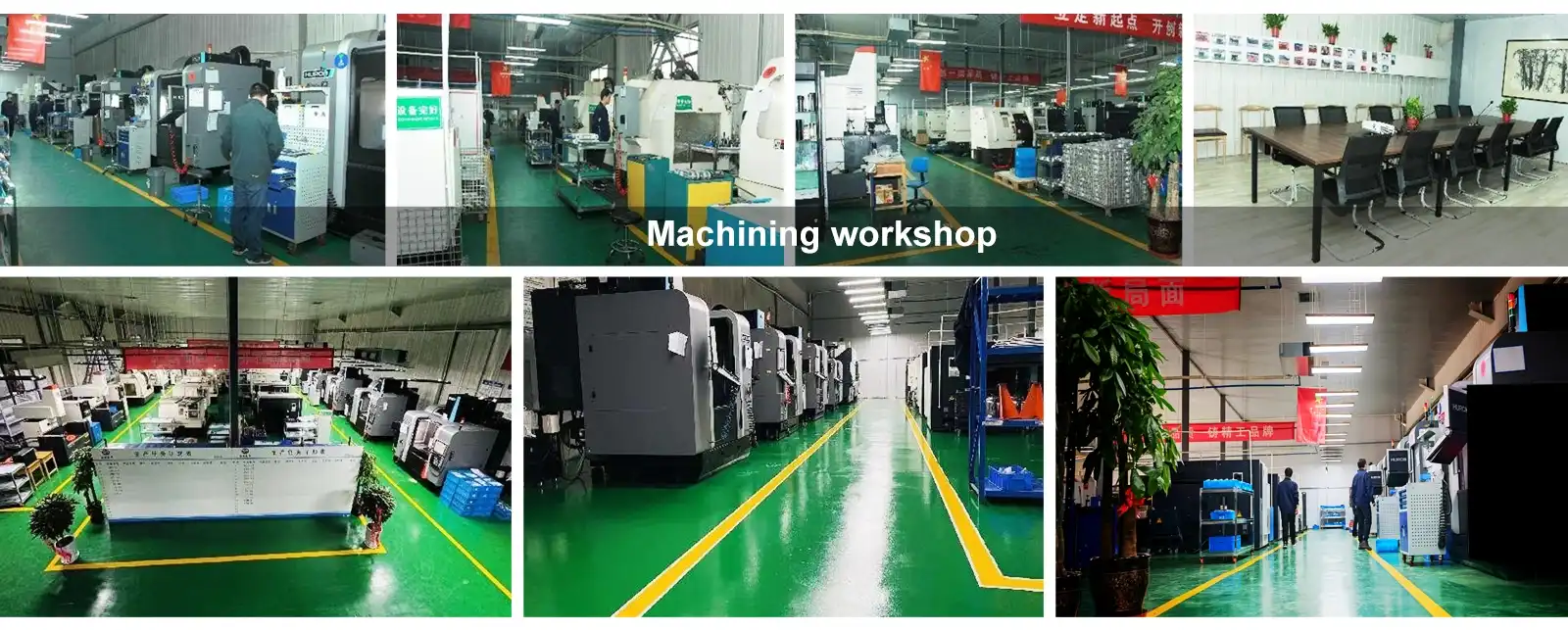
Per-Unit Production Costs
Beyond tools, creating requires resources, labor, energy, and completion. Sand casting costs more with hand-finished molds. Failure of gating mechanisms and stages decreases material efficiency to 60–75%. Scrap copper is recyclable.
Die casting uses 75–85% of its material and costs less thanks to technology. Die heating is required for shorter cycles, which consume less energy. Because copper alloys melt hotter than aluminum, energy costs rise regardless of method.
Post-casting operations considerably impact piece cost. Shot-blasted and CNC-machined sand-cast pieces cost $2–8 extra, depending on complexity. Die-cast parts cost less after mild deburring and inspection. Supplier bid procurement cost models must consider these new duties.
Supply Chain Flexibility and Lead Times
Beyond manufacturing costs, supply chain difficulties occur. Sand casting firms provide greater style, volume, and fast prototypes. Sand patterns are cheaper than dies and easier to alter as product demands change.
Initial manufacturing lead times reveal several things. Sand casting vendors begin production 3–4 weeks after blueprint completion. Validate samples and improve procedures. Die casting equipment takes 8–16 weeks to create. New products take longer to market.
Reliable suppliers provide inspection reports, material certificates, and shipping papers throughout manufacturing. Wooden boxes protect castings for export. Purchasing teams should verify suppliers' ISO9001:2015, ISO14001, and ISO45001 quality, environmental, and workplace safety certifications.
Environmental and Operational Factors
Energy Consumption and Waste Management
Environmental concerns increasingly affect industrial choices. Since sand molds aren't reused, sand casting wastes more. Sand is mechanically separated and heated in modern foundries to recycle 85–95%. Gate systems and damaged copper sand castings may be melted down and reused, preserving most of their value.
Die casting provides less waste per item but needs continual energy to maintain die temperature. Sand removal isn't needed with the permanent mold process, but die production and removal affect hundreds of castings. Die casting saves energy for large quantities because of shorter cycle durations and less heat.
Responsible producers use closed-loop technology to collect dust, freeze water, and reduce pollution. Procurement teams should ask suppliers about sustainability and waste reduction when evaluating long-term partnerships. ISO14001-certified firms meet global environmental standards.
Workplace Safety and Quality Control
In a foundry, liquid metal, high temperatures, and materials are risky. Pattern development, mold assembly, and shakeout involve manual labor. Die casting, the main high-pressure drilling equipment risk, requires machine safety and operator training.
Methods affect quality differently. How sand, design, and casting are prepared affects casting quality. Experienced foundry workers may recognize tiny casting quality indications, making expertise crucial. Automatic die casting is more consistent, although die wear and temperature must be monitored.
Complete quality control systems inspect, measure, and mechanically inspect materials, process parameters, and products. Porosity, cold closes, and inclusions vary with casting and product. The supplier inspection report should show customer and food safety compliance.
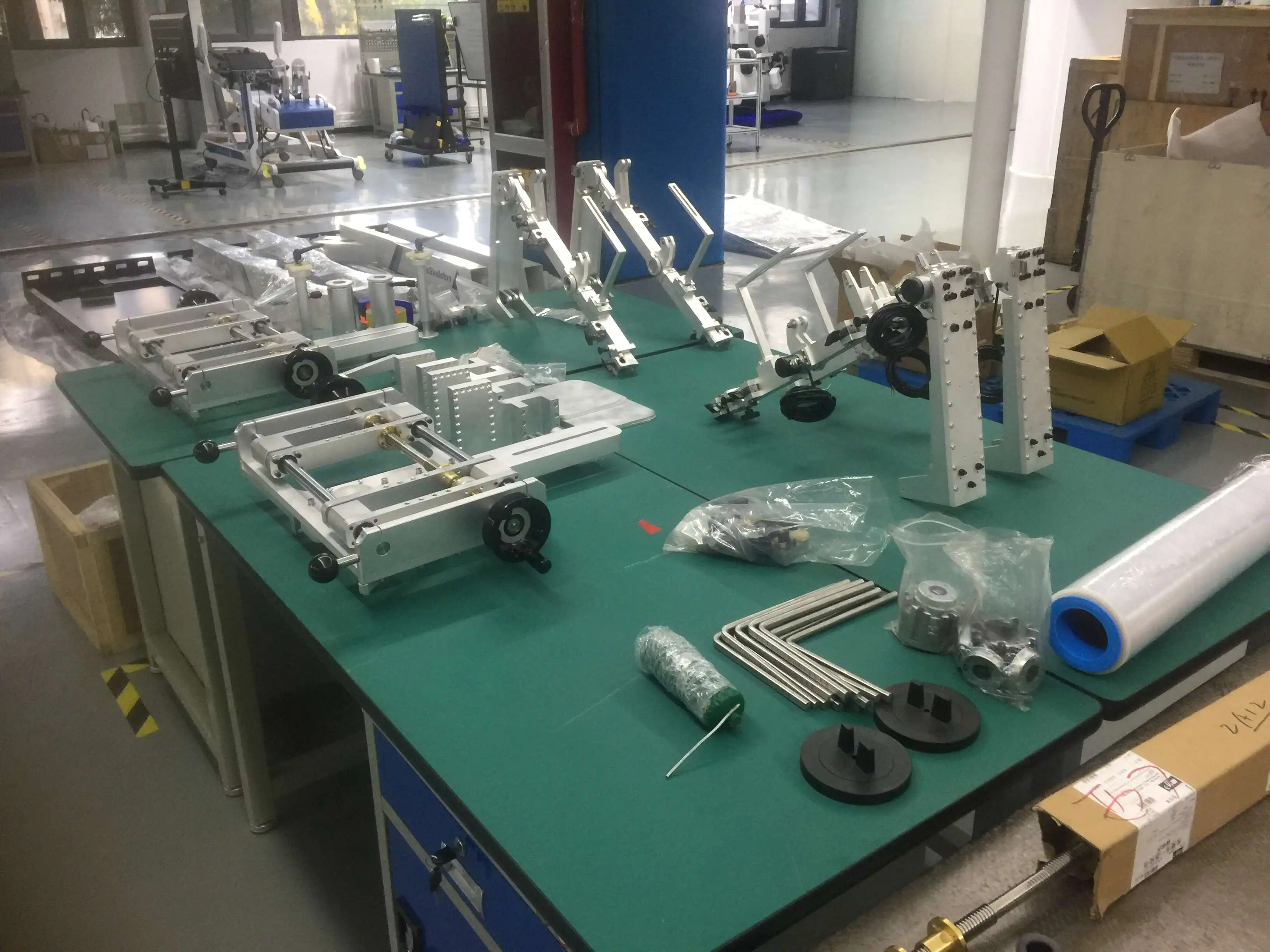
Which Casting Method Best Fits Your OEM Manufacturing Needs?
Evaluating Your Product Requirements
Be honest about your product's demands to choose a casting procedure. Complex products with internal channels, changing wall thicknesses, or exterior features benefit from sand casting. Die casting produces accurate, repeatable outcomes with thousands of pieces and few stages.
Due to alloy performance requirements, material considerations affect the method. Working with H60 copper is straightforward and doesn't rust, making it ideal for cooking. Food-safe gravity sand casting works well for these metals with verified materials and process control.
Profitability is affected by production projections. Forecast yearly demand, including growth, seasonality, and product lifespan. Underestimating output may result in buying costly die casting equipment you never use. Overprojecting both wastes space, but sand casting is adaptable.
Matching Process Capabilities to Production Goals
Manufacturers of kitchen tools need food-safe, rust-resistant, and stylish parts. Sand casting helps produce a 0.3-kg kitchen equipment hexagonal nut. Gravity casting is appropriate for CNC-machined threads, unique specifications, and low volumes (5,000 pieces per year).
Shotblasting smooths and rust-proofs. CNC generates accurate thread profiles. This combination offers accurate dimensions for sturdy construction at modest manufacturing costs. Wooden crates secure Xi'an, China, goods for worldwide customers.
Brands adding innovative pieces without pricey equipment. Economic sand casting permits 1,000-piece market simulations. Organically selling products expands in number and allows manufacturers to enhance design based on customer input.
Building Supplier Partnerships for Long-Term Success
OEM procurement encompasses one-time and long-term supplier partnerships. Multi-process pattern, casting, machining, and surface treatment manufacturers benefit from single-source project management. This connection streamlines collaboration and problem-solving.
Updated casting, cutting, and testing gear suppliers prioritize quality and capacity. Technical experts handle difficult jobs, and automated production lines provide reliable results. Technology-investing partners with competent personnel are more than contract manufacturers.
Vendor evaluation requires international market understanding. Successful European, North American, and Japanese companies understand that product, documentation, and communication requirements are high. Working with big corporations gives you confidence and dependability, which is key to market success.
Conclusion
Both copper sand casting and die casting manufacture OEM parts, albeit in distinct ways. Sand casting offers design flexibility, cheaper tooling costs, and material compatibility for mid-volume customized manufacturing. Die casting is ideal for mass production because of its speed and precision. Kitchenware companies that value food-grade safety, surface quality, and production flexibility with low quantities frequently find gravity sand casting the optimum balance of quality, affordability, and responsiveness. Choose a casting process that meets product needs, projected quantity, and long-term company strategy. You should also engage with suppliers who can demonstrate a variety of production, quality certifications, and international market expertise.
FAQ
1. What volume makes die casting more economical than sand casting?
Die casting usually stops being expensive when more than 25,000 to 50,000 copper parts are made each year. Because of the large investment in tools, big volumes are needed to get acceptable per-piece prices. For quantities below this limit, sand casting is still a cost-effective option, especially when designs need to be changed often or are made for niche markets.
2. Can copper sand casting achieve food-grade safety certifications?
Controlled sand processes are often used to make copper alloys that meet FDA and LFGB food-contact requirements as long as the right material certification and process controls are kept up. Verification of the material's makeup, controlled melting processes, and contamination protection methods make sure that the rules are followed. Reliable suppliers give material certificates and test results that prove the products are safe for food use.
3. How do lead times compare between these casting methods?
For sand casting, the first production runs start 3–4 weeks after the pattern is finished. For die casting, it takes 8–16 weeks because the steel die has to be made first. Either way, repeat orders are processed faster, but once the tools are made, die casting's faster cycle times cut down on the time needed to make a lot of them.
Partner With Rongbao Enterprise for Your Copper Casting Solutions
Rongbao Enterprise has been a foundry for 20 years and works with kitchenware names around the world that need dependable copper sand casting makers. Our Xi'an facility can do gravity casting, precise CNC cutting, and a wide range of surface treatments. This means that we can make customized parts from the planning stage all the way through to the finished product. We keep our ISO9001:2015, ISO14001, and ISO45001 certifications up to date to make sure that our quality standards are always met for applications that come into contact with food. Our engineering team helps with OEM/ODM development and can produce anything from 1,000-piece samples to 50,000-unit production runs. We also have strict quality control measures in place to make sure the surface finishes are Ra < 3.2 μm. We know what strict specs and communication standards foreign brands need because 70% of our production goes to markets in Europe, the United States, and Japan. You can email our team at steve.zhou@263.net and zhouyi@rongbaocasting.com to talk about your copper casting needs and get detailed technical assessments for your specific uses.
References
1. Campbell, J. (2015). Complete Casting Handbook: Metal Casting Processes, Metallurgy, Techniques and Design. Butterworth-Heinemann Publishing.
2. American Foundry Society. (2018). Sand Casting Manual: Process, Materials, and Applications for Non-Ferrous Metals. AFS Technical Publications.
3. Brown, J.R. (2017). Foseco Ferrous Foundryman's Handbook: Principles and Practice of Sand Casting for Copper Alloys. Elsevier Science.
4. International Copper Association. (2019). Copper Alloys: Properties, Processing, and Applications in Food Equipment Manufacturing. ICA Industry Report.
5. Beeley, P.R., & Smart, R.F. (2016). Investment Casting and Die Casting: A Comparative Analysis for OEM Procurement. Institute of Cast Metals Engineers.
6. Society of Manufacturing Engineers. (2020). Casting Processes Selection Guide: Technical and Economic Considerations for Metal Component Production. SME Press.
Learn about our latest products and discounts through SMS or email