- English
- French
- German
- Portuguese
- Spanish
- Russian
- Japanese
- Korean
- Arabic
- Greek
- German
- Turkish
- Italian
- Danish
- Romanian
- Indonesian
- Czech
- Afrikaans
- Swedish
- Polish
- Basque
- Catalan
- Esperanto
- Hindi
- Lao
- Albanian
- Amharic
- Armenian
- Azerbaijani
- Belarusian
- Bengali
- Bosnian
- Bulgarian
- Cebuano
- Chichewa
- Corsican
- Croatian
- Dutch
- Estonian
- Filipino
- Finnish
- Frisian
- Galician
- Georgian
- Gujarati
- Haitian
- Hausa
- Hawaiian
- Hebrew
- Hmong
- Hungarian
- Icelandic
- Igbo
- Javanese
- Kannada
- Kazakh
- Khmer
- Kurdish
- Kyrgyz
- Latin
- Latvian
- Lithuanian
- Luxembou..
- Macedonian
- Malagasy
- Malay
- Malayalam
- Maltese
- Maori
- Marathi
- Mongolian
- Burmese
- Nepali
- Norwegian
- Pashto
- Persian
- Punjabi
- Serbian
- Sesotho
- Sinhala
- Slovak
- Slovenian
- Somali
- Samoan
- Scots Gaelic
- Shona
- Sindhi
- Sundanese
- Swahili
- Tajik
- Tamil
- Telugu
- Thai
- Ukrainian
- Urdu
- Uzbek
- Vietnamese
- Welsh
- Xhosa
- Yiddish
- Yoruba
- Zulu
Can you cast copper in sand?
Copper sand casting is not only possible, but it is also still one of the most useful and cost-effective ways to make copper and copper alloy parts for many different types of businesses. For this casting process, molds are made from carefully mixed sand, molten copper alloys are poured into the molds, and the parts are solidified in a controlled way. Because it can work with different copper alloys, component sizes, and shapes, it's a great choice for making everything from electrical gear to parts for industrial machinery. It meets the high standards for precision and longevity that today's B2B buying experts look for.
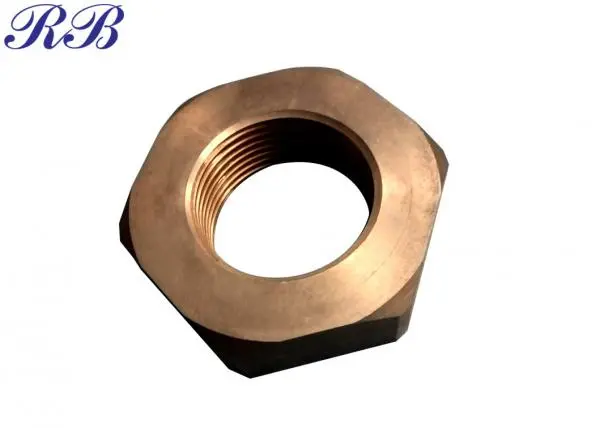
Understanding Copper Sand Casting: Process, Materials, and Applications
Copper sand casting is based on simple but well-developed ideas that have been used in industry for decades. Making patterns is the first step in the process. Next, molds are prepared using sand blends and refractory binders that can handle the high temperatures needed for copper alloys. All of these metals, like brass (copper-zinc), bronze (copper-tin), and special materials like H60 brass, are melted at temperatures above 1,000°C and then carefully put into molds that have been prepared.
How the Sand Casting Process Works?
There are several important steps in the casting process. Pattern makers make copies of the part that is needed, which are then used to make holes in molded sand that has been carefully prepared. This sand usually has silica in it along with clay fillers and water to make it as strong and porous as possible. After the mold hole is made and cores are placed for the inside features, molten copper alloy is put through systems that are intended to keep the filling smooth and free of bubbles.
After that, the metal is cooled slowly, which lets it harden slowly and reduces internal stresses. The sand mold is broken off after it has cooled to show the rough casting. The parts are then cleaned, which may include shot blasting for surface treatment, and then they are put through CNC cutting to make sure they are the right size. With this full process, manufacturers can make everything from simple hexagonal nuts for use in the kitchen to complicated valve bodies for use in industrial equipment.
Industrial Applications Across Key Sectors
Copper sand castings are very important in many fields that need durable, medium to high quality parts. Copper alloy bushings, bearings, and electrical connections are bought by auto providers because copper is a good conductor of electricity and doesn't wear down easily. Manufacturers of construction and heavy machinery use bronze for wear plates, hydraulic systems, and pump housings that have to work in tough circumstances.
Copper alloy castings are used a lot in general industrial equipment for things like motor housings, valve bodies, and pipe parts that need to be resistant to rust. Parts for oil and gas equipment, wind turbine hardware, and nuclear power plant parts that need to meet strict approval standards are all used in the energy industry. Copper alloys with special properties are sometimes used in aircraft for electrical or thermal purposes, but usually only in small amounts and with strict quality standards.

Copper Sand Casting vs Other Casting Methods: A Comparative Analysis
People who make decisions about manufacturing often look at casting methods to find the best balance of cost, quality, and wait time for their needs. When buying managers know how copper sand casting stacks up against other options, they can choose suppliers with confidence.
Sand Casting Advantages and Trade-offs
Gravity casting with sand models is very flexible and cost-effective, especially for small to medium-sized production runs. Patterns are easier to make and cost less than the steel dies needed for high-pressure die casting, so tooling costs stay pretty low. This economic edge is important when making special parts or handling projects where the number estimates aren't clear.
The method works with almost any size of part, from small fittings that weigh less than 0.3 kg to huge industrial housings that weigh hundreds of kilograms. Sand cores can be used to make complicated internal paths, which lets you make complex shapes without the problems that come with putting together multi-piece structures. Pattern making is faster than die making, so lead times for first models are usually shorter.
The main trade-offs are surface finish and measurement limits. Before finishing, the surface of a sand casting is usually between 6.3 and 12.5 μm rough, while the surface of a die casting may get as rough as 1.6 to 3.2 μm. For sand casting, the size limits are usually between ISO 8062 CT10 and CT13 grades. For die casting, they can reach CT7 to CT9. Because of these changes, more room needs to be made during machining for accurate features.
Comparative Analysis with Alternative Methods
High-pressure injection into steel molds makes die casting the best way to get accurate measurements and a smooth surface. It's perfect for large production runs of more than 10,000 pieces, where unit cost is very important. Die prices, on the other hand, can be tens to hundreds of thousands of dollars, which makes smaller amounts impossible. Die casting is also hard with copper metals because they melt at high temperatures, which speeds up die wear.
Using ceramic shell models that are made around wax designs, investment casting makes parts with great surface finishes and tight tolerances. This method works well with copper metals and is good for complicated shapes that need little machining. Still, the cost per unit is usually 30–70% higher than sand casting, and output numbers are still limited by the fact that making the pattern and shell takes a lot of work.
Low-pressure casting is a middle-ground option that uses controlled pressure to fill molds and cut down on flaws caused by turbulence. The quality is better than with gravity sand casting, but the process needs more advanced tools and works best with fixed models, which limits the complexity of the shapes that can be made. When deciding between these choices, procurement professionals should look at more than just the unit price. They should also think about production numbers, geometric complexity, tolerance standards, and the total cost of ownership.

Common Defects in Copper Sand Casting and How to Solve Them
When quality engineers look at possible sources, they need to know about common casting flaws and the control measures that set good foundries apart from average ones. Getting rid of defects has a direct effect on the results of arriving inspections, the regularity of batches, and the long-term dependability of parts in copper sand casting.
Porosity and Gas-Related Defects
Porosity shows up as tiny holes in the structure of the casting. These holes weaken the mechanical properties and make leak paths in parts that hold pressure. Gas porosity happens when dissolved gases, mostly hydrogen in copper alloys, settle to the bottom when the metal hardens because they become less soluble as the temperature rises. Shrinkage porosity happens when there isn't enough liquid metal left to make up for the volume loss that happens when it solidifies.
Multiple control points help effective solutions get to the root reasons. Managing the raw materials makes sure that the metals are clean, dry, and don't absorb many gases. Chemical degassers or harmless gas purging are used in melting processes to get rid of gases. The design of the mold makes the feeding systems work better by placing steps of the right size to keep liquid metal flowing to the areas that are just starting to harden. The porosity of the sand is carefully controlled so that gases that are caught can escape instead of being forced into solution.
Surface Defects and Dimensional Issues
Surface flaws like rough roughness, sand particles, and metal getting into the mold can affect both how it looks and how it works. Most of the time, these flaws are caused by bad sand, molds that aren't packed down properly, or filling temperatures that are too high and make the metal too fluid. Differences in dimensions can happen because of pattern wear, uneven mold making, or warping during cooling.
Systematic process control is needed to stop these problems from happening. The sand's makeup is checked and changed on a regular basis to make sure that the clay content, moisture levels, and grain size distribution are all correct. Standardized compaction pressure tracking and pattern maintenance plans are used to make molds. During pouring, pyrometers are used to make sure that the melt temperature stays within certain ranges. Usually, this range is 50–100°C above the alloy's liquidus temperature so that the surface quality is balanced with the flexibility.
Procurement Guide for Copper Sand Casting Services
When supply chain managers are looking for reliable casting partners, they have to use a lot of different factors to tell the difference between suppliers who are truly capable and those who are just giving good prices without any substance. Strategically choosing a provider lowers risk and raises value throughout the span of the partnership in copper sand casting.

Evaluating Cost and Lead Time Factors
Beyond the cost of the main materials, there are many other factors that affect copper sand casting pricing. The cost of making patterns' tools depends on how complicated they are, how big they are, and what material they are made of. Wood patterns are good for trial runs, while metal patterns are worth the investment for large production runs. Setup costs include making molds and figuring out how to run the process. These costs are usually spread out over several batch sizes.
Fixed costs are spread out over more pieces, so the cost per unit goes down as more are ordered. However, rush orders may have to pay more because of limited capacity. Expected lead times should take into account the time it takes to make models (two to four weeks for the first ones), the time it takes for sampling and approval, and the schedule for production. Setting sensible deadlines keeps people from being disappointed and lets sellers make the best use of their time instead of rushing things along, which increases the risk of mistakes.
By making production more efficient, negotiating big order terms is good for everyone. With volume agreements, suppliers can plan longer production runs, which lowers the number of times they have to set up and raises the unit costs. Buyers get a stable price and faster shipping. Think about signing multi-year contracts with planned breaks for expected needs. This will help your partnership grow beyond just a transactional relationship.
Supplier Selection Checklist
Using organized factors can make evaluations easier for procurement managers:
- Credentials and certifications show that the system is mature. ISO9001 proves the basics of quality management, while certifications specific to an industry, like IATF16949 for car suppliers, show that they have the right skills. Look at audit records and customer references to make sure that the implementation is actually happening, not just having the certificate.
- Technical support capabilities including design for manufacturability consultation, simulation for mold filling and solidification analysis, and failure analysis services distinguish partners from vendors. When suppliers pay for technical support, it helps them improve plans before they commit to making tools, which keeps expensive changes from having to be made during production.
- Communication and responsiveness affect how quickly problems are solved. Look at the language skills, time zone coverage, and set communication arrangements. Suppliers who offer project management tools that let you see how the production is going lower confusion compared to those who need you to email them to find out what's going on.
- Quality assurance and corrective action processes reveal how suppliers deal with the expected differences. Ask for examples of past corrective steps and make a note of whether the answers got to the root of the problem or just covered it up. Suppliers who use methods for ongoing growth show they are dedicated to improving performance over the long term.
Conclusion
Copper sand casting has been shown to be useful for makers who need to make sturdy parts that can be used in a variety of situations and at a low cost. Procurement pros can make choices that balance cost, quality, and delivery performance by learning about the basics of a process, how it compares to other methods, how to stop mistakes, and how to evaluate suppliers. The casting method is naturally adaptable to different needs, small or large production quantities, and complicated shapes that are hard to work with in other ways. Additionally, current quality control systems make sure that the consistency meets strict industrial standards. Strategic relationships with suppliers based on technical know-how, quality assurance backed by certification, and quick communication turn copper casting buying from a risk management exercise into a competitive edge.
FAQ
What copper alloys work best for sand casting applications?
Brass alloys like H60 (60% copper, 40% zinc) are common for copper sand casting because they are easy to machine for hardware parts. Silicon bronze is good for marine environments because it doesn't rust, aluminum bronze is good for industrial machinery because it doesn't wear down easily, and phosphor bronze is good for electrical uses. The choice of alloy relies on the mechanical properties needed, the surroundings for corrosion, and the needs for thermal and electrical conductivity.
How does sand casting cost compare to die casting for copper components?
Low to medium quantities (less than 5,000 pieces) of sand casting usually cost less because the cost of the tools is cheaper. Patterns cost a few hundred to a few thousand dollars, while dies cost more than $50,000. Die casting is only cost-effective when done in large quantities, as lower costs per unit more than make up for the cost of the original tools. The lead time for sand casting designs is also a lot shorter.
What quality factors should buyers verify when sourcing copper castings?
Important quality signs include source approval (at least ISO9001), process control documents, non-destructive testing (X-ray, ultrasonic), dimensional inspection tools, systems for tracking materials, and methods for corrective action. Ask for examples of inspection reports and customer references to prove that the quality performance goes beyond what was stated as being possible.
Partner with Rongbao Enterprise for Reliable Copper Sand Casting Solutions
To get copper castings, you need partners with both professional know-how and a track record of dependability. The production services offered by Rongbao Enterprise include gravity casting, CNC machining, and surface treatment. All of these services are approved by ISO9001:2015, ISO14001, and ISO45001 standards. We've been serving foreign markets for 20 years, and 70% of our exports go to high-demand areas. This shows that our quality and delivery performance have been steady. Our engineering team can help you with design optimization, low price, and quick contact throughout the entire lifecycle of your project, whether you need custom H60 brass parts or large-scale production runs. Get in touch with our copper sand casting experts right away by emailing Steve Zhou at steve.zhou@263.net or zhouyi@rongbaocasting.com to talk about your needs, ask for technical advice, or get full prices. As a copper sand casting manufacturer with a lot of knowledge, we can turn your part specs into reliable production facts.
References
1. American Foundry Society (2021). Copper Alloy Casting Technology: Processes and Quality Standards. Des Plaines: AFS Technical Publications.
2. Campbell, J. (2015). Complete Casting Handbook: Metal Casting Processes, Metallurgy, Techniques and Design (2nd ed.). Oxford: Butterworth-Heinemann.
3. Davis, J.R. (Ed.). (2001). Copper and Copper Alloys: ASM Specialty Handbook. Materials Park: ASM International.
4. Beeley, P.R. (2001). Foundry Technology (2nd ed.). Oxford: Butterworth-Heinemann.
5. International Organization for Standardization (2013). ISO 8062: Geometrical Product Specifications (GPS) - Dimensional and Geometrical Tolerances for Moulded Parts. Geneva: ISO.
6. Metals Handbook Committee (1988). Casting: ASM Metals Handbook Volume 15. Materials Park: ASM International.

Learn about our latest products and discounts through SMS or email