Precision and Consistency in Rehabilitation
Enhancing Movement Accuracy through Robotic Guidance
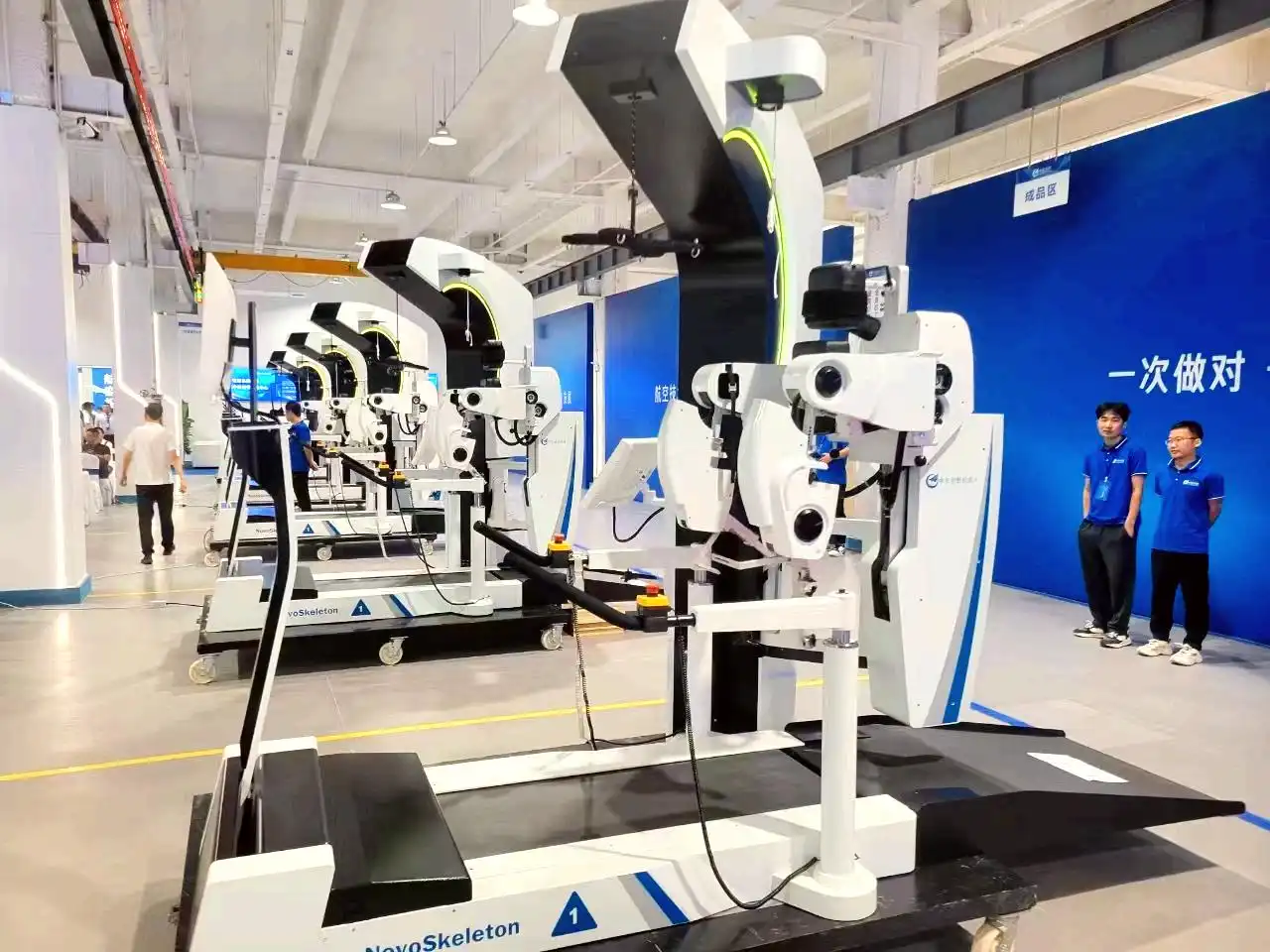
Lower limb rehabilitation robots offer a level of precision in movement guidance that is challenging to replicate in traditional therapy settings. These sophisticated machines can execute preprogrammed motion patterns with exacting accuracy, ensuring patients perform exercises with proper form and alignment.In the early phases of rehabilitation, when developing appropriate movement patterns sets the groundwork for long-term healing, this accuracy is especially important.
In contrast, manual therapy techniques, while valuable, are subject to human variability. Even the most skilled therapists may experience fatigue or slight inconsistencies in their guidance over prolonged sessions. Robotic systems, however, maintain unwavering consistency, delivering the same high-quality movement assistance throughout the entire rehabilitation process.
Quantifiable Progress Tracking
Another significant advantage of lower limb rehabilitation robots lies in their ability to provide precise, quantifiable data on patient performance.Range of motion, force output, and movement speed are just a few of the many characteristics that these systems can monitor and record with exceptional precision.This wealth of data allows for detailed progress tracking and enables therapists to make data-driven decisions in tailoring treatment plans.
Traditional therapy methods often rely on more subjective assessments or less granular measurements.Although skilled medical professionals are undoubtedly capable of accurately assessing patient development, robotic systems' objective data adds another level of understanding that may enhance clinical judgment and result in more focused therapies.
Intensity and Repetition in Rehabilitation Exercises
Maximizing Therapeutic Dosage
One of the most striking advantages of lower limb rehabilitation robots is their capacity to deliver high-intensity, repetitive exercises over extended periods. These machines can facilitate hundreds or even thousands of movement repetitions in a single session, far surpassing what is typically achievable in traditional therapy settings.The promotion of neuroplasticity and motor learning, which may hasten the healing process, depends on this high amount of exercise.
While skilled therapists can certainly guide patients through intensive exercise regimens, the physical demands of manually assisting with repetitive movements can be taxing.This load is lessened by robotic systems, which enable more extensive and prolonged therapeutic sessions without sacrificing the standard of movement guidance.
Customized Intensity Progression
Lower limb rehabilitation robots offer sophisticated control systems that can dynamically adjust the level of assistance or resistance provided during exercises. This feature allows for precise tailoring of exercise intensity to match each patient's current capabilities and progress over timeTo maintain a constant ideal level of difficulty, the system may progressively decrease support and raise difficulties as patients become better.
Traditional therapy methods also aim to progressively challenge patients, but the granularity of adjustment may be less precise. Robotic systems can make minute alterations in real-time, potentially optimizing the balance between challenge and support more effectively than manual methods alone.

Comparable or Superior Clinical Outcomes
Evidence-Based Efficacy in Lower Limb Rehabilitation
A growing body of research suggests that rehabilitation involving lower limb rehabilitation robots can yield outcomes that are at least comparable, and in some cases superior, to traditional therapy approaches.Numerous studies have shown that patients receiving robotic-assisted treatment had improvements in their gait characteristics, functional mobility, and general independence in daily life activities.
For instance, a systematic review published in the Journal of NeuroEngineering and Rehabilitation found that robotic-assisted gait training, when used in combination with conventional physical therapy, led to greater improvements in walking independence for stroke patients compared to conventional therapy alone.
Expanding Rehabilitation Possibilities
Lower limb rehabilitation robots are particularly beneficial for patients with severe impairments who may struggle with traditional therapy methods.By supporting a patient's body weight and guiding their legs through walking motions, these devices enable gait training to begin earlier in the healing process for those who are unable to stand or walk on their own. In order to avoid subsequent problems and maybe enhance long-term results, this early mobilization might be extremely important.
Furthermore, patient motivation and engagement can be improved by the gamification components frequently included in robotic rehabilitation systems. Enhancing the pleasure and satisfaction of therapy sessions using interactive displays and progress monitoring tools may increase program adherence.

Conclusion
While traditional rehabilitation therapy remains a cornerstone of patient care, the integration of lower limb rehabilitation robots offers compelling advantages in terms of precision, intensity, and potential outcomes.These progressed frameworks complement the ability of talented specialists, giving apparatuses to improve the restoration prepare and possibly quicken recuperation for numerous patients.
As innovation proceeds to advance, it's likely that the collaboration between mechanical help and human skill will encourage refine restoration hones, advertising trust for made strides results and quality of life for people recoupingfrom lower appendage disabilities.
Lower limb rehabilitation robot Supplier: Rongbao Enterprise
Leading the way in innovation for those looking for state-of-the-art lower limb rehabilitation options is Rongbao Enterprise.With a commitment to precision engineering and advanced manufacturing techniques, Rongbao offers customized lower limb rehabilitation robots designed to meet the exacting standards of medical facilities and rehabilitation centers.
Founded in 2003, Rongbao Enterprise has established itself as a leader in aluminum alloy casting and precision processing.Their ability in creating high-quality, solid components makes them an perfect accomplice for the improvement and make of modern recovery hardware.
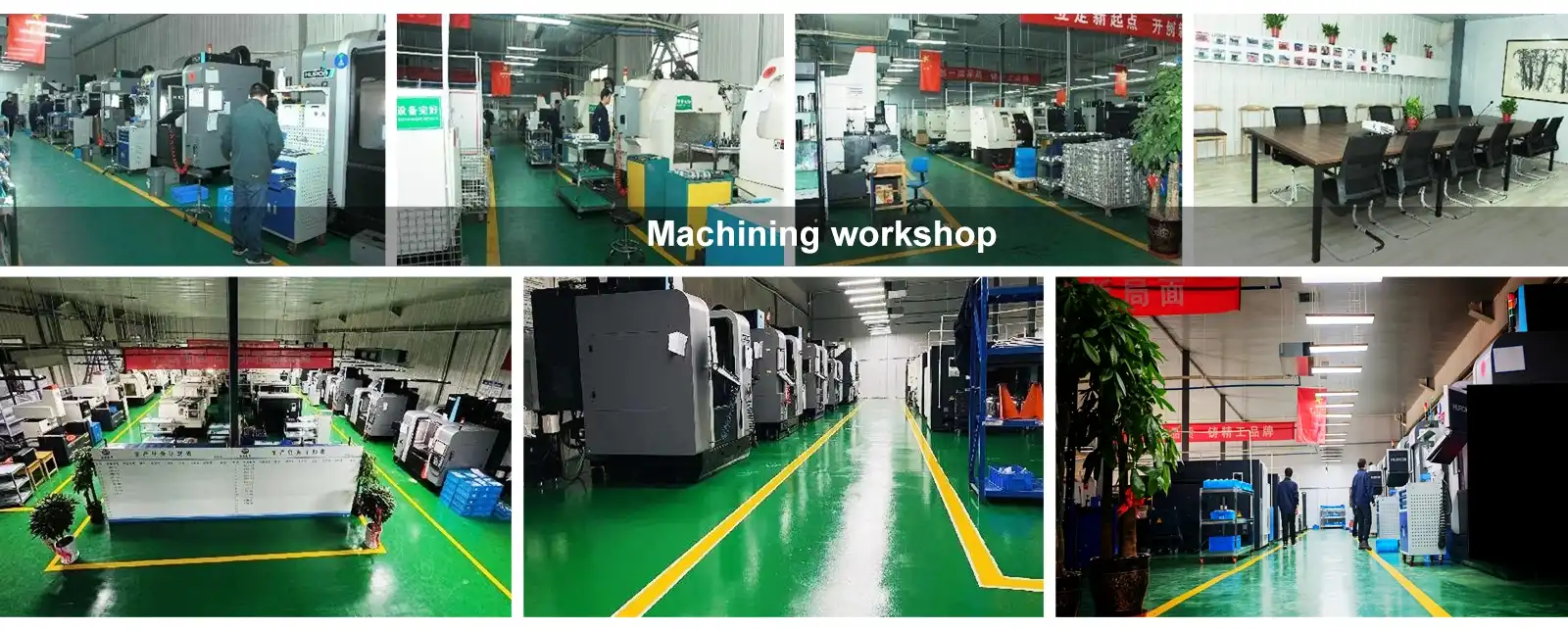
Rongbao's lower limb rehabilitation robots are crafted using state-of-the-art CNC machining and benefit from the company's rigorous quality management systems, certified to ISO 9001:2015, ISO 14001, and ISO 45001 standards.This guarantees that every gadget satisfies the strictest requirements for performance, dependability, and safety.
To explore how Rongbao's lower limb rehabilitation robots can enhance your facility's rehabilitation capabilities, or to discuss custom solutions tailored to your specific needs, we invite you to reach out to our dedicated team. Contact Steve Zhou at steve.zhou@263.net or Zhou Yi at zhouyi@rongbaocasting.com to start a conversation about advancing your rehabilitation technology.
Take the next step in revolutionizing your rehabilitation services. Partner with Rongbao Enterprise and experience the precision, consistency, and superior outcomes that our lower limb rehabilitation robots can deliver.