- English
- French
- German
- Portuguese
- Spanish
- Russian
- Japanese
- Korean
- Arabic
- Greek
- German
- Turkish
- Italian
- Danish
- Romanian
- Indonesian
- Czech
- Afrikaans
- Swedish
- Polish
- Basque
- Catalan
- Esperanto
- Hindi
- Lao
- Albanian
- Amharic
- Armenian
- Azerbaijani
- Belarusian
- Bengali
- Bosnian
- Bulgarian
- Cebuano
- Chichewa
- Corsican
- Croatian
- Dutch
- Estonian
- Filipino
- Finnish
- Frisian
- Galician
- Georgian
- Gujarati
- Haitian
- Hausa
- Hawaiian
- Hebrew
- Hmong
- Hungarian
- Icelandic
- Igbo
- Javanese
- Kannada
- Kazakh
- Khmer
- Kurdish
- Kyrgyz
- Latin
- Latvian
- Lithuanian
- Luxembou..
- Macedonian
- Malagasy
- Malay
- Malayalam
- Maltese
- Maori
- Marathi
- Mongolian
- Burmese
- Nepali
- Norwegian
- Pashto
- Persian
- Punjabi
- Serbian
- Sesotho
- Sinhala
- Slovak
- Slovenian
- Somali
- Samoan
- Scots Gaelic
- Shona
- Sindhi
- Sundanese
- Swahili
- Tajik
- Tamil
- Telugu
- Thai
- Ukrainian
- Urdu
- Uzbek
- Vietnamese
- Welsh
- Xhosa
- Yiddish
- Yoruba
- Zulu
China Customized Aluminum Gravity Casting Parts Manufacturers Service
Working with the right gravity casting parts manufacturer is essential when you need to find precisely made parts for tough industrial uses. China's aluminum gravity casting industry combines cutting-edge manufacturing technologies with low-cost production models to make customization possible that can't be found anywhere else. Moving from small-batch trials to large-scale production runs has been something we've seen for ourselves. Companies like Rongbao Enterprise offer parts that meet strict international quality standards while keeping prices low. This complete guide tells procurement professionals everything they need to know about getting customized aluminum castings from Chinese makers. By the end, you'll be able to see how your supply chain choices are adding value to your business.
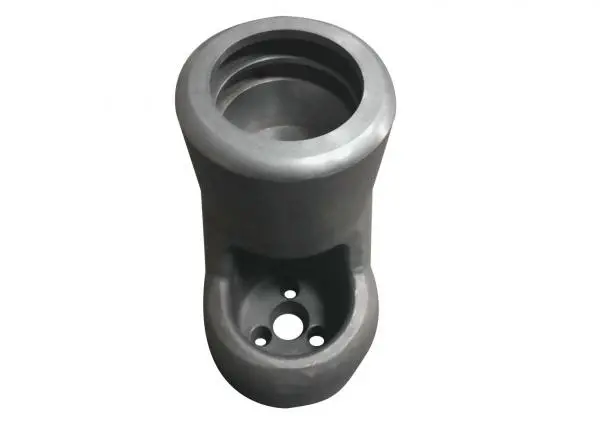
Why Choose China for Customized Aluminum Gravity Casting Parts?
China's aluminum casting industry has grown into a world leader in manufacturing. This is due to its vast supply chain ecosystems, constant adoption of new technologies, and competitive business structures that appeal to international purchasing strategies.
Manufacturing Infrastructure and Technological Advancement
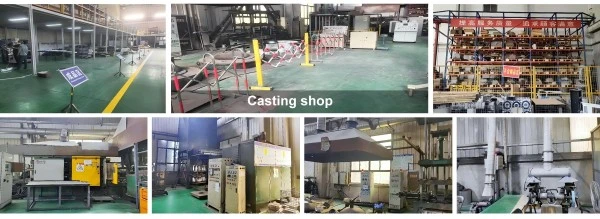
Over the past 20 years, Chinese foundries have put a lot of money into automated casting systems, real-time quality tracking systems, and tools that help them follow environmental rules. Facilities in manufacturing hubs like Xi'an mix traditional metalworking skills with digital integration from Industry 4.0. This allows for precise control of process parameters and full production tracking. Rongbao Enterprise is a good example of this change because they run standard workshops that have high-pressure die casting, low-pressure casting, gravity casting parts manufacturing, and CNC machine tools that are built right in. Because of this wide range of technologies, makers can suggest the best ways to make certain parts, making sure that clients get solutions that are both technically sound and cost-effective.
Quality Certification and Compliance Standards
International buyers give top priority to sellers who have well-known quality management certifications that show they are committed to process discipline and ongoing growth. Leading Chinese makers have ISO 9001:2015 certification, which means they have structured quality controls in place, from checking raw materials to making sure the finished product meets standards. The ISO 14001 environmental management certification tackles worries about sustainability that are becoming more important in business purchasing policies. The ISO 45001 occupational health certification shows that operations are run in a responsible way. These credentials are in line with the IATF 16949:2016 automotive quality standards and the AS9100D standards for aerospace quality, making qualified Chinese providers possible partners for regulated industries that need strict paperwork and traceability.
Cost Competitiveness and Flexible Production Models
Chinese manufacturers can give reasonable prices without lowering quality standards because they have better logistics networks, lower labor costs, and economies of scale. Flexible minimum order amounts can be used for both small-scale production runs and large-scale agreements. This lets buyers test how well a component works before ordering more of it. Customization options go beyond just size requirements and include unique surface treatments, material certifications, and package arrangements that meet particular shipping needs. Castings that are fragile are kept safe during international shipping in wooden boxes, and full paperwork helps with customs clearance and quality checks at the final location.
Ensuring Quality and Avoiding Common Defects in Gravity Casting Parts
Long-term relationship success depends on consistent gravity casting parts quality. This is why defect prevention and quality assurance procedures are at the heart of how manufacturers are judged.
Understanding Common Casting Defects
The most common problem with casting is porosity, which happens when dissolved gases escape while the material hardens or when it shrinks and holes form in thermally isolated areas. These holes inside weaken the structure's mechanical strength and ability to keep pressure tight. This is especially a problem in hydraulic parts and structural systems. Cold shuts happen when two different metal streams don't fully join together, leaving behind weak planes that can break under stress. Inclusions, which are foreign objects like oxide films or mold material pieces, cause stress concentrations that shorten the fatigue life. Surface flaws like rough spots and differences in size are caused by not controlling the mold's temperature properly or solidifying too quickly during the hole filling process.
Advanced Quality Control Methodologies
Reputable makers use multi-stage inspection methods to ensure zero-defect production:
- Spectroscopy analysis is used to check arriving material and make sure the alloy makeup meets requirements.
- Process tracking keeps an eye on mold temperatures, pouring rates, and cooling curves during casting.
- Nondestructive testing methods, such as X-ray radiography and ultrasonic inspection, find internal cracks before machining.
- Coordinate measuring machines (CMM) are used to check that tolerances match up with engineering plans.
- Surface roughness measurements ensure the quality of the finish matches specifications.
- Statistical process control charts keep track of quality metrics across production runs to spot trends.
Manufacturer Selection Criteria for Quality Assurance
Professionals in procurement should thoroughly check out possible suppliers by looking at their quality management systems, programs for maintaining production tools, and records of employee training.
- Ask for written proof of defect rates given in parts per million and compare results to industry standards such as the PPM < 50 standard used in the automotive industry.
- Look at logs of customer complaints and replies to corrective actions to see how well makers can solve problems and how open they are.
- Verify that the supplier gladly includes material certifications, dimensional inspection records, and mechanical property test data with every package to show their commitment to transparency.
-

How to Procure Customized Aluminum Gravity Casting Parts from China?
To get gravity casting parts from foreign makers in a smart way, you need to plan ahead, communicate clearly, and handle your relationships with suppliers in a structured way.
Preparing Technical Specifications and RFQ Documentation
To successfully buy something, you need to have a lot of information about the part, like 3D CAD models, thorough engineering plans that show the tolerances and surface finish that need to be met, and material specs that list the alloy grades and heat treatment states. Make sure that functional needs, like pressure ratings, temperature exposure ranges, and mechanical loading conditions that guide design evaluation, are communicated clearly. Include estimates of the yearly amount and delivery schedule to help providers suggest the best ways to divide up the available capacity. Set quality standards that apply to your business, like IATF 16949:2016 for automotive, AS9100D for aerospace, or ISO 13485 for medical devices.
Evaluating Supplier Capabilities and Credentials
In addition to comparing prices, you can find out how technical a maker is by touring their facilities, either virtually or in person, and looking at things like how clean they are, what tools they have, and how they organize their work flow. Check the validity of quality badges to make sure they are still registered, since expired qualifications can show that management isn't doing its job properly. Ask for references from current clients in related businesses and ask about how quickly they respond to communications and how reliable their deliveries are. Check out a supplier's technical help, especially if they can offer design optimization suggestions that make the part easier to cast or lower the cost of materials.
Negotiating Terms and Managing Logistics
When negotiating prices, it is important to weigh unit costs against all-in-one landed costs, which include the cost of tools, shipping, customs taxes, and inspection fees for quality. Formal deals, reviewed by a lawyer familiar with foreign trade law, should spell out payment terms, who owns the tools, and how intellectual property will be protected. Set clear goals for lead times that include making tools, inspecting the first product, and planning production, and add extra time in case there are delays. Coordinate shipping methods by weighing the need for cost-effectiveness against travel time, whether it's ocean freight for big orders or fast air shipping for urgent restocking needs. Set up ways for people to communicate with the people who are in charge of managing orders and answering technology questions.

Conclusion
In conclusion, China's aluminum gravity casting parts industry offers great value for global buying teams looking for unique components that meet strict quality standards and are priced competitively. Manufacturers with cutting-edge technologies, thorough certifications, and adaptable production methods can meet the needs of a wide range of applications in the automotive, aerospace, industrial equipment, and other niche markets. To be successful at foreign sourcing, you need to carefully evaluate suppliers, communicate clearly with them about technical issues, and follow structured quality assurance processes. Buyers can make the most of China's manufacturing capabilities while minimizing supply chain risks if they understand the basics of gravity casting and strategic buying methods.
FAQ
What are typical lead times for customized aluminum gravity casting projects from China?
Lead times for gravity casting parts depend on how complicated the project is and what tools are needed. Usually, making a new mold takes 4 to 6 weeks. Then, the production and approval processes for the first item take another 2 to 3 weeks. Once the tooling validation is complete, production runs of about 5,000 pieces usually take three to four weeks, plus extra time for CNC machining and surface processes. Rush orders can shorten lead times by using faster tools, but there are usually extra costs.
Can Chinese suppliers provide prototype samples before committing to full production?
Reliable makers usually offer prototype services, which can be done with simple temporary tools or machined models that test design ideas. Prototype quantities usually run from 5 to 50 pieces, which lets you try functionality and confirm dimensions before investing in a permanent mold. This step-by-step method lowers the risks of the design and makes sure that the final production tools have all the necessary improvements found during validation testing.
How do Chinese gravity casting manufacturers ensure compliance with international quality standards?
Leading providers have quality management systems that are approved and follow ISO 9001 guidelines. These systems include written methods for controlling processes, inspecting them, and taking corrective actions. Every year, the system is checked by a third party to make sure it works properly. Also, customer-specific quality agreements spell out the rules for inspections, acceptance sampling plans, and paperwork that needs to be done. Material certifications, dimensional records, and mechanical property test data are sent with packages as concrete proof that they meet the standards.
Partner with Rongbao Enterprise for Reliable Gravity Casting Solutions
It's easy to deal with the complications of foreign sourcing when you work with experienced gravity casting parts manufacturers who are dedicated to technical excellence and customer success. Rongbao Enterprise has been providing customized aluminum casting solutions made in Xi'an, China, for twenty years to the automobile, aerospace, industrial equipment, and precise instrument industries. Our ISO 9001:2015, ISO 14001, and ISO 45001-certified businesses do precision CNC machining, gravity casting, low-pressure casting, and high-pressure die casting all under one roof. Since 70% of our work goes to markets in Europe, the United States, and Japan, we know what high standards and communication needs to be met in order for relationships to work. Get in touch with steve.zhou@263.net or zhouyi@rongbaocasting.com right away to talk about your project needs with our technical experts and get a detailed quote that fits your needs.
References
- American Foundry Society. (2022). Aluminum Casting Technology and Process Optimization. Schaumburg: AFS Publications.
- Campbell, John. (2015). Complete Casting Handbook: Metal Casting Processes, Metallurgy, Techniques and Design (2nd ed.). Oxford: Butterworth-Heinemann.
- International Organization for Standardization. (2021). ISO 9001:2015 Quality Management Systems – Requirements and Implementation Guidelines. Geneva: ISO Press.
- Materials Science International Team. (2020). Aluminum Alloys for Casting Applications: Properties, Performance and Selection Criteria. Materials Research Journal, 45(3), 234-267.
- National Institute of Standards and Technology. (2019). Manufacturing Process Selection for Cost-Effective Production: Comparative Analysis of Casting Methods. Gaithersburg: NIST Technical Publications.
- Society of Automotive Engineers. (2023). IATF 16949:2016 Quality Management System Requirements for Automotive Production and Service Parts Organizations. Warrendale: SAE International.

Learn about our latest products and discounts through SMS or email