- English
- French
- German
- Portuguese
- Spanish
- Russian
- Japanese
- Korean
- Arabic
- Greek
- German
- Turkish
- Italian
- Danish
- Romanian
- Indonesian
- Czech
- Afrikaans
- Swedish
- Polish
- Basque
- Catalan
- Esperanto
- Hindi
- Lao
- Albanian
- Amharic
- Armenian
- Azerbaijani
- Belarusian
- Bengali
- Bosnian
- Bulgarian
- Cebuano
- Chichewa
- Corsican
- Croatian
- Dutch
- Estonian
- Filipino
- Finnish
- Frisian
- Galician
- Georgian
- Gujarati
- Haitian
- Hausa
- Hawaiian
- Hebrew
- Hmong
- Hungarian
- Icelandic
- Igbo
- Javanese
- Kannada
- Kazakh
- Khmer
- Kurdish
- Kyrgyz
- Latin
- Latvian
- Lithuanian
- Luxembou..
- Macedonian
- Malagasy
- Malay
- Malayalam
- Maltese
- Maori
- Marathi
- Mongolian
- Burmese
- Nepali
- Norwegian
- Pashto
- Persian
- Punjabi
- Serbian
- Sesotho
- Sinhala
- Slovak
- Slovenian
- Somali
- Samoan
- Scots Gaelic
- Shona
- Sindhi
- Sundanese
- Swahili
- Tajik
- Tamil
- Telugu
- Thai
- Ukrainian
- Urdu
- Uzbek
- Vietnamese
- Welsh
- Xhosa
- Yiddish
- Yoruba
- Zulu
Casting Junction Box Manufacturing Process Guide: Sand Casting vs. Low Pressure Casting
Manufacturing methods influence the dimensional accuracy, mechanical properties, production cost, and service life of industrial electrical enclosures. When selecting a process for casting aluminum junction boxes, manufacturers commonly compare sand casting with low pressure casting. Both technologies can create aluminum housings, but differ in tooling, mold-filling characteristics, surface finishes and manufacturing costs. The right option depends on the enclosure design, expected order volume, working environment and quality objectives. The purchasing agent and engineer don't select a casting just based on the price of a casting. A lower tooling investment may be attractive for a small production run and a permanent mold may be more cost effective for recurring orders over a number of years. Electrical enclosures also require proper sealing surfaces, mounting features and structural stability. Then the purchasers can choose a manufacturing method that will achieve the technical and commercial objectives once the impact of each process on these parameters is established.
1. Understanding the Sand Casting Process for Aluminum Junction Boxes
Sand casting is a flexible manufacturing process where molten aluminum is poured into a cavity formed by compacted molding sand. The hollow is a mirror image of the outer shape of the part. Cores can also be used to produce internal chambers and other characteristics. It’s especially good for prototypes, custom enclosures, and production runs that don’t merit costly permanent tooling, because the mold is usually discarded after casting.
Pattern Preparation and Mold Formation
The procedure starts with a pattern that defines the required junction box geometry. Patterns are commonly made of wood, plastic, or metal depending on the accuracy required, the number of pieces to be produced, and the estimated life of the pattern.
The pattern must accommodate the dimensional change during solidification and cooling. Surfaces can also be embellished with additional material for further machining. These tolerances are provided to ensure that the finished part will meet its print requirements.
The foundry workers pack molding sand around the pattern to form the mold chamber. The sand must be able to keep its shape but release gases when poured. Binders and other chemicals are utilized to get the desired strength and permeability, which depend on the molding system employed.
For junction boxes with interior cavities, mounting features, or intricate wall designs, cores can be added to the mold. Positioning and stability of the cores is crucial, as movement of the cores can affect the wall thickness, interior dimensions, and the final fit of the enclosure.
Aluminum Pouring, Cooling, and Finishing
The mold is made, and molten aluminum alloy is injected through a gate mechanism. The shape of the gates and runners influences the flow of metal into the hollow. Risers may be used to provide more molten metal to compensate for solidification shrinkage.
The quality of the casting depends on the pouring temperature, the purity of the metal, the condition of the mold, and the speed with which the mold is filled. Bad process control might generate defects like gas porosity, shrinkage cavities, cold shuts, or inclusions. These defects are particularly important in circumstances where the junction box may be subjected to mechanical load or if a reliable sealing interface needs to be maintained.
As soon as the aluminum hardens and cools enough to release the casting, the mold is broken apart. The surplus material is trimmed, and the component is subsequently blasted, ground, machined, or otherwise completed.
The surface obtained is generally rougher than that of a casting made in a good permanent metal mold. But that’s not to say sand castings don’t have a place in electrical enclosures. The required surface polish is application-dependent, and critical surfaces can be machined to the required flatness and dimensional accuracy.
Where Sand Casting Offers Practical Value?
Sand casting is often an excellent choice for low-volume projects, projects subject to frequent design changes, or projects with quite large and complex elements. This method might be beneficial during the product development since pattern change can be cheaper than the redesign of a permanent metal mold.
It offers flexibility in the shape of housings requiring complex cores or internal channels. This flexibility enables engineers to design in cable entrance, mounting arrangements, and other design factors without excessive tooling costs.
The primary benefit of casting aluminum junction boxes is that a suitable part may be produced without a large initial expenditure in tooling. Buyers, however, should consider the additional finishing and machining that may be necessary. These operations can alter the unit price and delivery schedule.
2. How Low Pressure Casting Produces Aluminum Electrical Enclosures
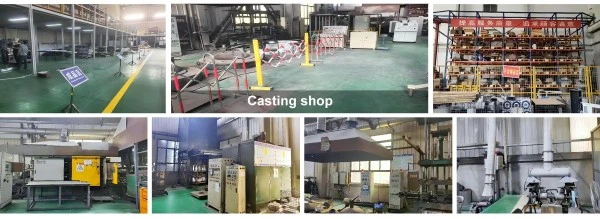
Low-pressure casting utilizes a permanent metal mold and controlled gas pressure to drive molten aluminum into the form cavity. A typical setup is to have a sealed holding furnace under the mold and a riser tube between the molten metal and the hollow.
The furnace is pressurized to push the molten metal up the tube and into the mold. Pressure control is exerted during filling and can be held during solidification to assist feeding. Actual operating parameters depend on the equipment, alloy, mold design, and component shape.
Permanent Mold Design and Controlled Filling
Unlike conventional sand casting, low-pressure casting employs a reusable metal mold. The mold is machined to the shape of the desired part and must be able to survive numerous cycles of heating and cooling.
It develops the hollow, dividing surfaces, cooling arrangements, and any cores needed to shape interior features. The tooling is more intricate and costly; hence, the initial investment is normally more than for a comparable sand casting design.
One of the main features of the approach is the regulated bottom-up filling. Instead of allowing the hot metal to just drip down into the cavity, the device slowly raises it up the filling tube. Proper planning and execution of this can reduce turbulence and limit the in-rush of air and oxide layers.
A sufficient pressure may also be applied during solidification to help compensate for shrinkage. But low pressure casting doesn't get rid of all possible faults. Poor melt quality, poor mold temperature control, wrong process parameters, or inadequate venting can still influence finished components.
Surface Finish, Dimensions, and Mechanical Properties
The metal mold provides a relatively smooth surface of the cavity that can generate a superior as-cast finish than the typical sand casting. This can reduce the extent of surface preparation required prior to coating or assembly.
Also, permanent tooling improves dimensional repeatability from batch to batch. Junction boxes with multiple mounting points have the advantage of maintaining constant wall geometry and hole locations for easier installation and less need for corrective machining.
The cooling conditions are not the same as sand molds since the heat is transferred through the metal tooling. This may lead to a different solidification structure, but the final mechanical properties are dependent on many factors, such as alloy composition, casting geometry, defect levels, and heat treatment.
Therefore, buyers should not assume that all low-pressure castings are stronger than all sand castings. Where strength, fatigue resistance, or impact performance is important, the supplier will provide material specifications and related test data for the actual part.
Production Efficiency and Tooling Considerations
After the mold is built and the process is established, low pressure casting can provide for repeat manufacturing with consistent part shape. Further gains in production efficiency are possible through the automation of pressure control, mold handling, and part extraction.
The economic gain is proportional to the number of useful castings produced during the service life of the mold. The ultimate unit price is influenced by tooling cost, maintenance, cycle time, scrap rate, and finishing requirements.
For recurrent orders with solid specs, low pressure casting is worth consideration. The less attractive the design, the more alteration is likely to be prior to the point where the volume of production justifies the tooling investment.
3. Sand Casting vs. Low Pressure Casting: Key Selection Factors
Neither is preferable in terms of manner of manufacturing. The optimum choice will rely on the trade-off between tooling cost, production volume, component geometry, and quality requirements of the final enclosure.
Production Volume and Total Manufacturing Cost
Sand casting is often used for prototypes, replacement parts, and short production runs, as it is usually cheaper on setup costs. Low pressure casting involves a major investment in permanent molds, although this expense can be amortized over a large number of pieces.
Annual volume alone doesn't give you the break-even threshold. It also relies on the size of the item, the complexity of the mold, machining requirements, scrap rates, and the projected number of manufacturing cycles.
A better comparison is to compare the full order cost instead of the quoted casting price. Buyers should consider the pricing of rejected items, tooling, machining, surface treatment, inspection, and packing. Additionally, it is worth checking whether the mold will be good enough for future revisions, especially for long-term initiatives.
Geometry, Wall Thickness, and Design Flexibility
Sand casting may generate a wide range of shapes, including complex internal chambers and features that are enabled by sand cores. The flexibility helps with uneven portions in the enclosure or if the design is still being worked out.
Low-pressure casting can be used for complex components also, but the design of the permanent mold can become more expensive as the geometry becomes difficult to release. Deep holes, undercuts, and intricate core arrangements may require additional tooling features and maintenance.
Wall thickness is an issue in either procedure. Gradual transition between thick and thin sections prevents uneven cooling, shrinkage, or distortion. Prior to the finalizing of the mold or pattern, designers need to check with the foundry that the correct wall sections, filets, draft angles, and machining allowances are used.
Surface Finish, Tolerances, and Sealing Performance
Electrical junction boxes often need protection of the inside connections from dust, moisture, and other external factors. The level of protection required is dependent on the installation and product specification.
The quality of the enclosure is one factor in the casting process, but it is not the only factor in determining the final ingress protection rating. Gasket selection, cover shape, fastener spacing, surface flatness, cable-entry design, and quality of assembly all affect sealing performance.
Surfaces of sand casting may need additional machining at the interface of the cover and enclosure body. Low-pressure casting may provide a smoother, initial surface, but critical sealing faces may still require machining and inspection.
The drawing should depict dimensions and surfaces relevant for assembly and sealing for one of the processes. Not all features are subject to the general casting tolerances. Buyers should define dimensional specifications, inspection methodologies, and approval criteria before manufacturing.
Lead Time and Long-Term Supply
This can be beneficial if you need a design for a project quickly or merely don’t require a lot of parts. Usually it is no more complicated to produce the pattern than it is to produce a permanent metal mold, but the actual lead time will depend on the complexity of the pattern and the capacity and finishing requirements of the foundry.
The low-pressure casting requires a longer initial preparation time because the mold has to be produced, built, tested, and adjusted. But once production is established, recurring orders for casting aluminum junction boxes can employ an existing tool and a regulated manufacturing process.
Procurement teams need to differentiate between first-order lead time and replenishment lead time. The supplier's capacity to maintain tools, retain process documentation, and supply repeatable material and inspection data may be as important as the first delivery date.
4. Quality Control Requirements for Casting Aluminum Junction Boxes
Choosing a casting method is, of course, just one piece of the product quality puzzle. The completed enclosure shall meet dimensional, mechanical and environmental standards regardless of the method of fabrication.
Material Verification and Casting Inspection
The first step is to determine if the aluminum alloy meets the drawing and purchase requirements. The alloy identity, acceptable material standard and heat treatment condition, if any, desired should be given by the buyers.
Inspection may include visual inspection, dimensional measurement and tests of surface faults. Radiographic testing or other appropriate non-destructive exams may be offered based on the function and risk level of the component.
Use should be in accord with inspection standards. A general purpose enclosure may not have the same scope of examination as a component that is used in a demanding industrial environment . The acceptance criteria should be specified before production starts and not argued after a defect is found.
Machining, Assembly, and Environmental Verification
The casting is not sized correctly to allow for proper junction box construction. Mounting holes, threaded features, cable entrances, cover interfaces and grounding points may require machining or supplementary processes.
If a gasket is used, the sealing surface shall meet the specified flatness and smoothness. The lid and fasteners must also be sufficient to give adequate compression, without distortion of the enclosure.
If a specified ingress protection grade is required for the final product, the entire enclosure shall be tested to the relevant test standards. A good casting surface or an appealing gasket interface is not sufficient evidence of compliance .
Also, coating needs need to be taken into account. Depending on the climate, the enclosure may require painting, powder coating or other surface treatment. The supplier shall indicate which methods are included in the quotation (and if the coating thickness influences crucial dimensions or assembly).
Conclusion
Sand casting and low pressure casting meet the different manufacturing needs of casting aluminum junction boxes and other aluminum electrical enclosures.Sand casting requires less capital investment and has flexible tools. It is used for prototypes, unusual designs and low volume production. Low pressure casting provides more dimensional repeatability and surface polish when demand is recurring and permanent tooling is justified. The ultimate decision should be based on component geometry, alloy requirements, machining, sealing performance, manufacturing volume and delivery schedules. By identifying these criteria early, customers can select a procedure that balances production cost against reliable product quality and compare the finished enclosure against established standards.
FAQ
1: Can sand casting achieve the same mechanical properties as low pressure casting?
Sand casting produces acceptable mechanical properties for most junction box applications, though typically 10-15% lower than low pressure casting. The slower cooling rates in sand molds create larger grain structures that reduce strength and ductility. However, proper sand casting practices with aluminum alloy 356-T6 still achieve tensile strengths around 220 MPa. This strength level exceeds requirements for standard electrical enclosures. Low pressure casting reaches approximately 240 MPa due to finer microstructures from rapid metal mold cooling. The property difference matters most in high-stress applications like compressor housings subjected to vibration and mechanical loads.
2: How do tooling costs compare between the two processes for a typical junction box?
Sand casting patterns for junction boxes typically cost $500 to $3,000 depending on size and complexity. These patterns produce unlimited castings with minimal wear. Low pressure casting molds range from $15,000 to $50,000 for similar parts. The permanent molds withstand 20,000 to 100,000 cycles before replacement. The higher tooling investment for low pressure casting requires production volumes exceeding 3,000-5,000 pieces annually to achieve economic justification. Below this threshold, sand casting's lower tooling cost provides better total project economics despite higher piece prices.
3: Which process offers faster delivery for urgent junction box requirements?
Sand casting delivers faster turnaround for new designs and small quantities. Pattern fabrication takes 2-4 weeks, allowing first castings within 4-6 weeks of order placement. Low pressure casting requires 8-12 weeks for permanent mold construction before production begins. For emergency replacements or prototype development, sand casting significantly reduces time-to-delivery. Once permanent molds exist, low pressure casting maintains steady production with shorter cycle times. The process choice depends on whether initial speed or ongoing production rate matters more for your application.
Casting Junction Box Supplier: Rongbao Enterprise
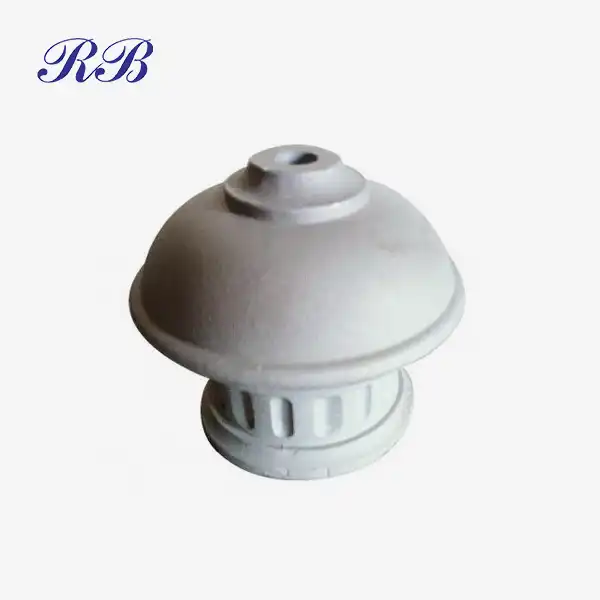
Rongbao Enterprise brings extensive expertise in aluminum casting for electrical enclosures and industrial components. Our manufacturing facility in Xi'an, China specializes in producing high-quality junction boxes using proven casting processes. We understand the technical requirements that ensure electrical safety and long-term reliability in demanding applications. Our engineering team collaborates with customers to select optimal manufacturing methods that balance quality, cost, and delivery requirements.
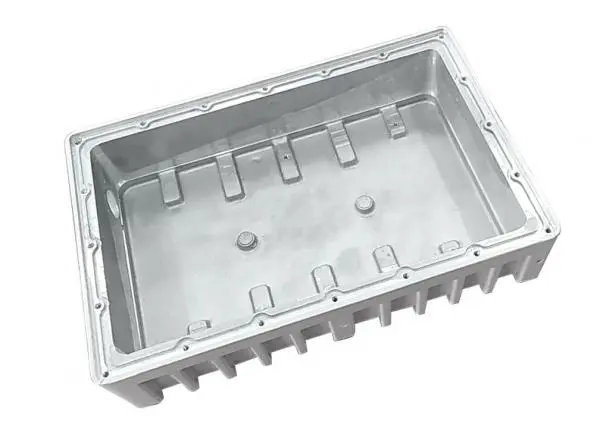
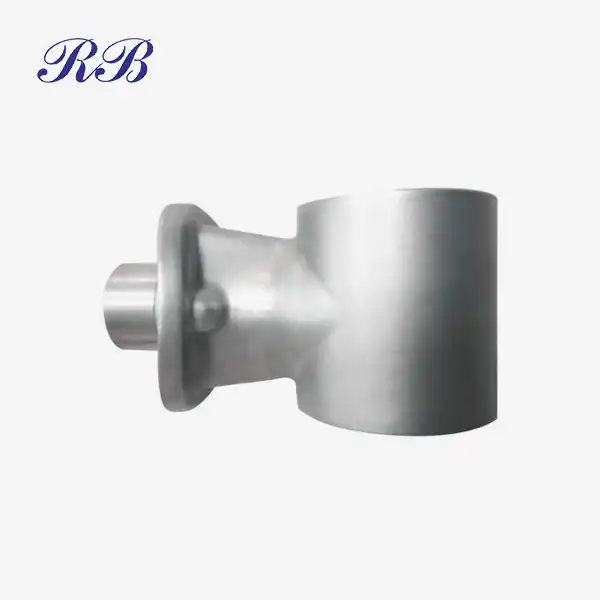
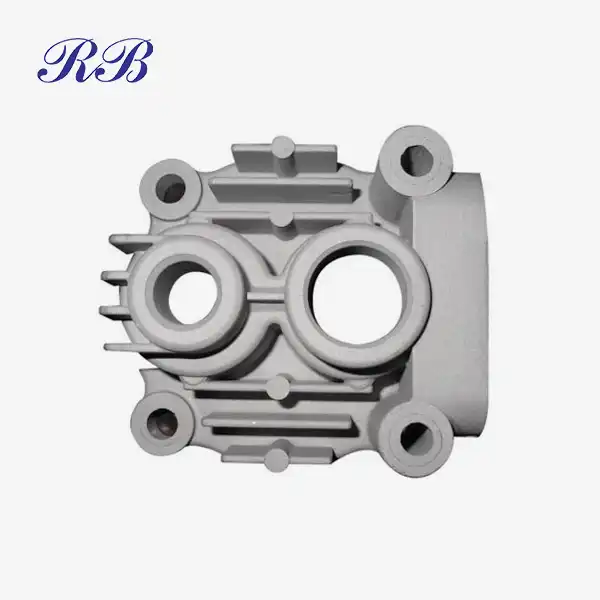
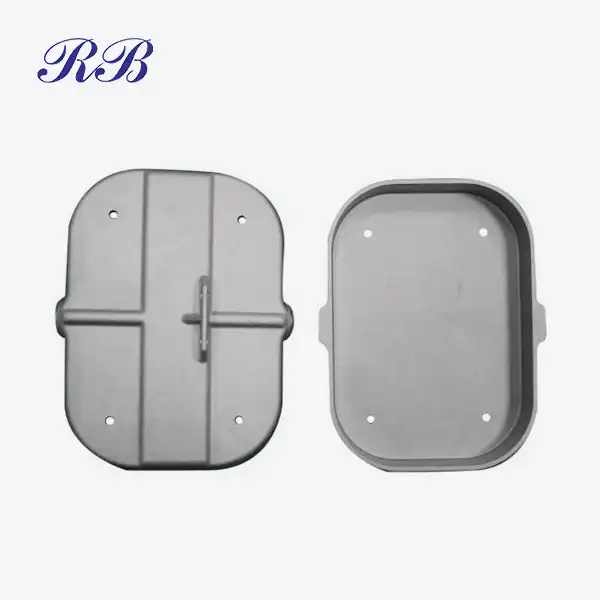
Our compressor control box bodies demonstrate our capability to deliver precision aluminum castings for critical applications. These enclosures utilize aluminum alloy 356, providing excellent corrosion resistance and mechanical properties. Each unit weighs approximately 1.2 kg, offering robust protection without excessive bulk. The casting process creates integrated mounting features and cable entry provisions that simplify installation. We carefully control all process parameters to ensure consistent quality across production batches.
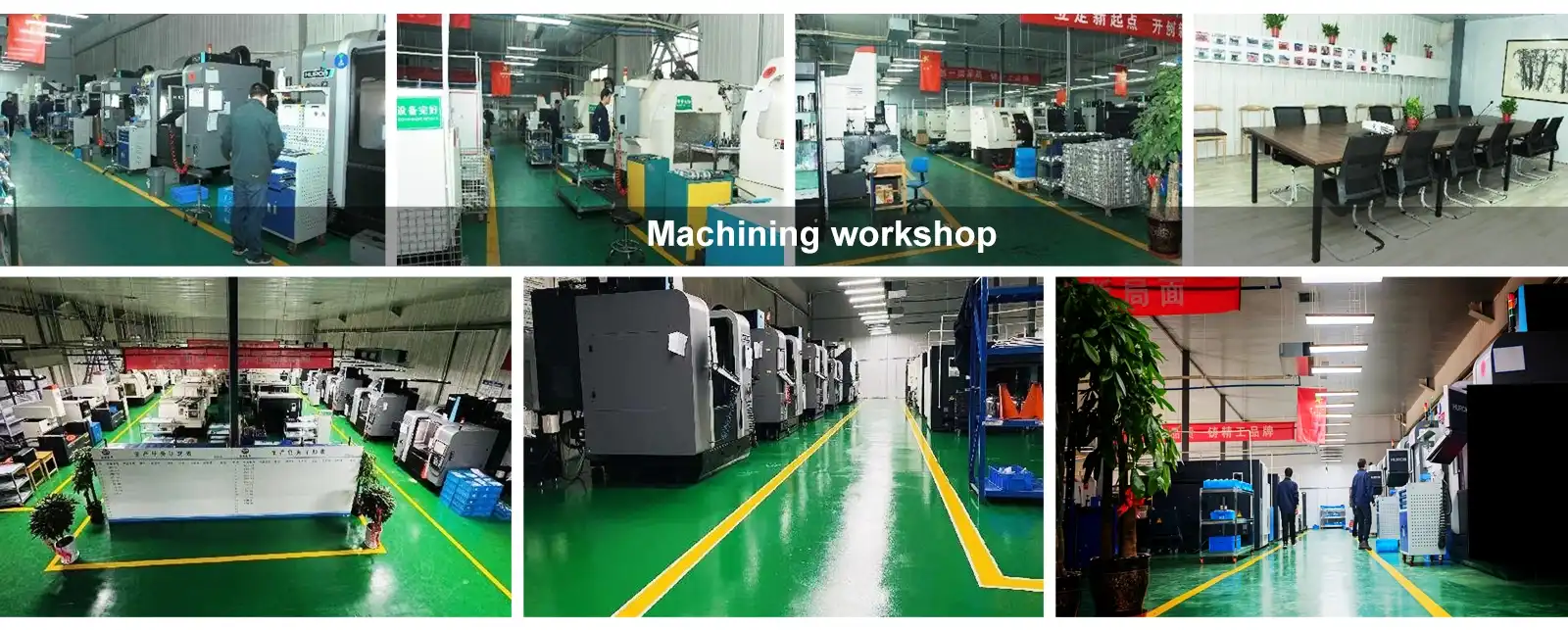
CNC machining operations transform our castings into finished junction boxes with precise dimensions. Computer-controlled equipment creates accurate mounting surfaces and threaded features. This machining precision ensures proper gasket sealing and reliable assembly performance. Shot blasting surface treatment removes casting residue and prepares surfaces for optimal corrosion resistance. The treatment creates uniform matte finishes suitable for indoor and outdoor installations. Our comprehensive manufacturing approach delivers ready-to-install products that meet exacting specifications.
Contact our experienced technical team to discuss your casting aluminum junction boxes requirements and manufacturing options. Steve Zhou, our technical sales specialist, provides expert guidance on material selection and process capabilities.He brings deep knowledge of aluminum casting applications across multiple industries. Reach Steve directly at steve.zhou@263.net for technical consultation and application support. For quotations, order processing, and delivery coordination, contact Zhou Yi at zhouyi@rongbaocasting.com. We respond promptly to all inquiries with detailed information tailored to your specific needs.
References
- American Foundry Society, "Sand Casting Process Guidelines and Quality Standards" (2022), Schaumburg, IL.
- Materials Science and Engineering: A, "Microstructure and Mechanical Properties of Low Pressure Die Cast Aluminum Alloys" (2021), Elsevier Publishing.
- ASM International, "Casting Design and Performance: Process Selection Guide" (2023), Materials Park, OH.
- North American Die Casting Association, "Low Pressure Permanent Mold Casting Technical Manual" (2022), Wheeling, IL.
- The Aluminum Association, "Aluminum Casting Alloys: Properties and Applications Handbook" (2023), Arlington, VA.
Learn about our latest products and discounts through SMS or email