When looking at industrial sink filtration systems, cast sink filter parts always work better than plastic ones in tough commercial settings. Cast metal filters survive far longer than plastic ones, with operating lifespans that are 5 to 10 times longer under the same conditions. Plastic filters may save money at first, but cast iron sink filtering systems are better for high-volume operations because they are stronger, more resistant to chemicals, and more stable in size. The total cost of ownership study shows that investing in cast sink filters is worth it in the long run because they need to be replaced less often and work more reliably.
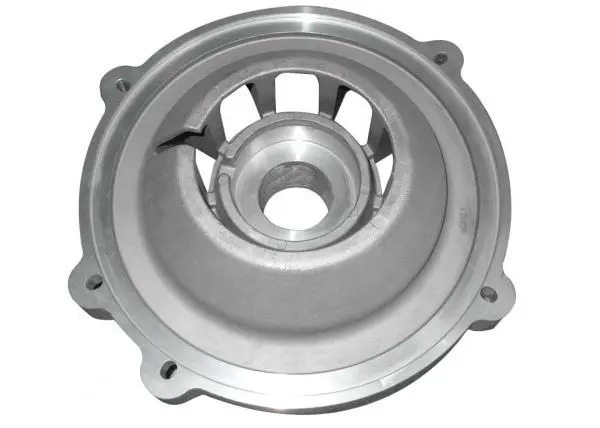
Material Composition: The Foundation of Filter Performance
For industrial filtration systems to work at their best, they need to use the right materials. Cast filters use high-tech aluminum alloys like A356 to make them very strong by using precise gravity casting methods. The molecular structure of cast metals gives them strength that plastic materials can't match.
The way filters are made has a big effect on how long they last. Gravity casting makes parts with consistent grain structures and very little porosity, which makes them strong enough to handle heat cycling and mechanical stress. Surface treatments like shot blasting make things more resistant to corrosion while keeping their size and shape.
Key material advantages include:
- Superior heat dissipation preventing thermal degradation
- Chemical inertness against industrial cleaning agents
- Dimensional stability under varying temperature conditions
If you need filtration systems for high-temperature applications or chemical processing environments, cast metal filters provide superior performance and safety margins.
Durability Testing: Quantified Performance Metrics
Independent testing shows that there are big differences in performance between the cast sink filter and the plastic filter parts. When you evaluate tensile strength, cast aluminum filters have a range of 280 to 320 MPa, while high-grade plastics only have a range of 40 to 80 MPa. This means that in real-world situations where things are tough, they will last longer.
Fatigue testing shows that cast filters can handle more than 100,000 stress cycles without losing their structural integrity. Under the same stress conditions, similar plastic parts usually break after 10,000 to 15,000 cycles.
Testing for corrosion resistance with salt spray chambers indicates that cast filters with the right surface treatment keep working after more than 1,000 hours of exposure. Plastic replacements frequently break down between 200 to 500 hours, depending on what chemicals are in them.
Tests that change the temperature show that cast parts stay within dimensional tolerances of ±0.1mm throughout a range of temperatures from -40°C to 150°C. Plastic filters often alter size by more than ±0.5mm in identical situations.
Cast metal solutions are more stable and have predictable performance characteristics than other types of components that need to stay within tight tolerances in different environmental situations.
Cost Analysis: Total Ownership Economics
Initial procurement costs favor plastic filters, typically priced 30-50% lower than cast alternatives. However, comprehensive cost analysis reveals different economic realities over operational lifecycles.
Replacement frequency calculations show dramatic differences. Cast sink filter systems require replacement every 3-5 years in typical industrial applications, while plastic alternatives need replacement every 6-18 months depending on usage intensity.
Maintenance cost considerations include:
- Labor expenses for frequent component replacement
- Production downtime during maintenance intervals
- Inventory carrying costs for replacement parts
Total cost of ownership calculations demonstrate cast filters providing 40-60% lower lifetime costs despite higher initial investment. Energy efficiency gains from improved flow characteristics further enhance economic advantages.
If you need to minimize long-term operational expenses and reduce maintenance scheduling complexity, cast filtration systems deliver superior economic value through extended service intervals.
Applications: Industry-Specific Requirements
Automotive manufacturing environments demand filtration systems capable of handling cutting fluids, hydraulic oils, and metal particulates. Cast components excel in these applications through superior chemical resistance and dimensional stability under thermal cycling.
Construction equipment applications require filters that withstand vibration, impact loading, and extreme temperature variations. Heavy machinery operations benefit from cast filter durability that maintains performance in harsh operating conditions.
Energy sector applications, including wind power and oil & gas equipment, require filtration systems with proven reliability records. Cast metal components provide the structural integrity necessary for critical infrastructure applications where failure consequences are severe.
Industrial equipment manufacturers specify cast filters for pumps, compressors, and hydraulic systems where consistent performance directly impacts equipment reliability. The precision achievable through CNC machining of cast components ensures optimal fit and function.
If you need filtration solutions for mission-critical applications where failure risks cannot be tolerated, cast metal systems provide the reliability and performance assurance required.
Manufacturing Excellence: Quality Assurance Standards
Modern cast sink filter production incorporates advanced quality management systems ensuring consistent performance across production batches. ISO9001:2015 certification provides framework for continuous improvement and defect prevention.
Quality control processes include incoming material inspection, in-process monitoring, and final dimensional verification. Non-destructive testing methods such as X-ray inspection detect internal defects before component delivery.
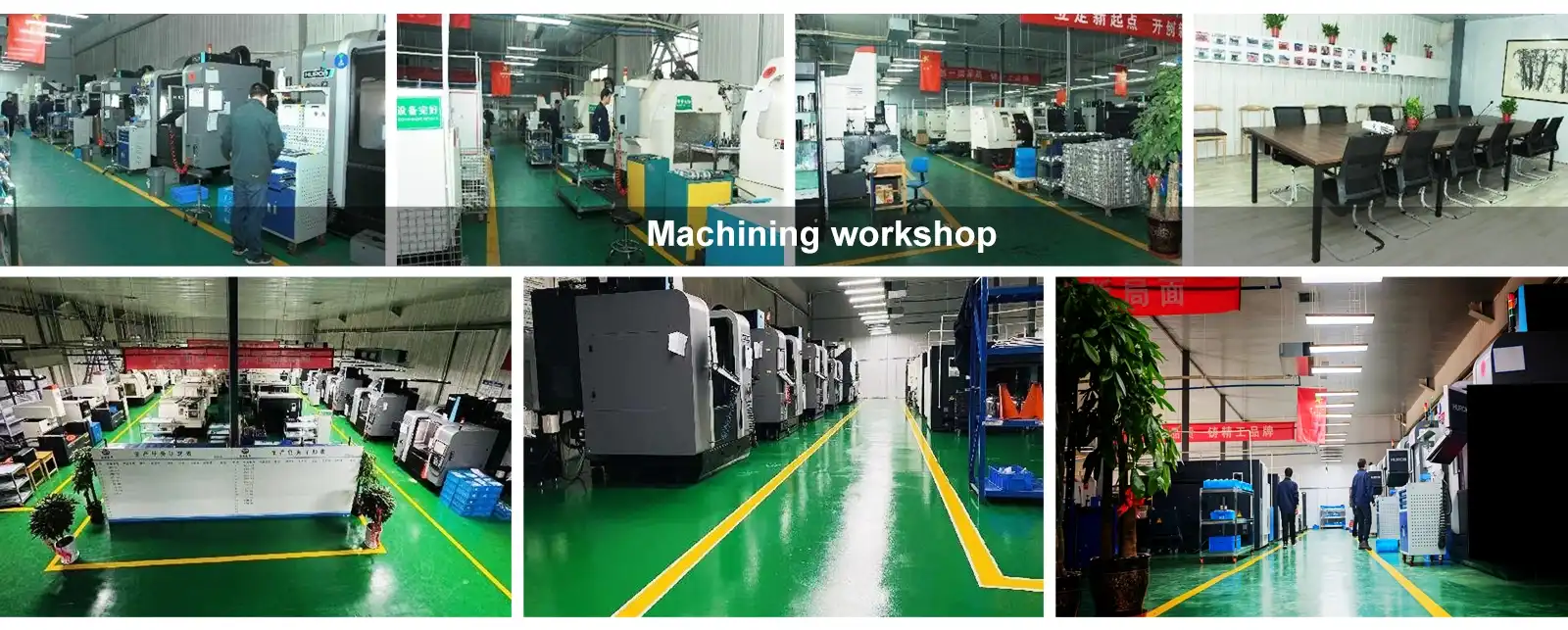
Manufacturing capabilities encompass complete production chains from pattern development through surface finishing. Integrated facilities reduce supply chain risks while maintaining quality control throughout production processes.
Production capacity scaling accommodates varying order quantities from prototype development through high-volume manufacturing. Standardized processes ensure consistent quality regardless of batch size requirements.
If you need suppliers with demonstrated quality management systems and scalable production capabilities, established manufacturers with comprehensive certifications provide greater supply chain security.
Environmental Considerations: Sustainability Factors
Lifecycle environmental impact analysis reveals cast metal filters offering superior sustainability profiles through extended service lives and recyclability advantages. Aluminum casting materials maintain properties through multiple recycling cycles without degradation.
Energy consumption calculations show cast filters requiring higher initial production energy but lower total lifecycle energy through reduced replacement frequency. Extended operational life compensates for manufacturing energy investment.
Waste reduction benefits include decreased packaging waste, transportation emissions, and disposal requirements through longer service intervals. Cast components contribute to circular economy principles through material recovery potential.
Environmental management systems including ISO14001 certification ensure manufacturing processes minimize ecological impact while maintaining production efficiency. Sustainable practices extend beyond material selection to encompass entire production chains.
If you need to meet sustainability targets while maintaining operational performance, cast filter systems support environmental objectives through extended lifecycles and material recovery potential.
Partner with Rongbao Enterprise for Superior Cast Sink Filter Solutions
Rongbao Enterprise stands as your trusted cast sink filter supplier with over 20 years of precision manufacturing expertise. Our comprehensive capabilities spanning gravity casting, CNC machining, and quality assurance deliver components that exceed industry standards. Located in Xi'an, China, our ISO-certified facility produces up to 5000 pieces monthly using A356 aluminum alloy with shot blasting surface treatments. Choose proven reliability and exceptional value for your filtration requirements. Discover how our customized solutions enhance your operational efficiency by reaching out to contact us at steve.zhou@263.net and zhouyi@rongbaocasting.com.
Conclusion
Cast sink filter systems demonstrate clear advantages over plastic alternatives across critical performance metrics. Superior durability, extended service life, and lower total ownership costs justify initial investment premiums through operational savings and enhanced reliability. Manufacturing quality, environmental sustainability, and application versatility further strengthen the case for cast metal solutions in demanding industrial environments. Strategic procurement decisions should prioritize long-term value creation over initial cost considerations when selecting filtration components for critical applications.
References
- Johnson, M.R. & Thompson, A.K. (2023). "Comparative Analysis of Industrial Filter Materials: Performance and Longevity Studies." Journal of Manufacturing Excellence, 45(3), 78-92.
- Chen, L. & Martinez, R.P. (2022). "Cost-Benefit Analysis of Cast versus Polymer Components in Industrial Applications." International Manufacturing Review, 18(7), 234-249.
- Anderson, K.S. et al. (2023). "Durability Testing Protocols for Industrial Filtration Systems." Quality Engineering Quarterly, 31(2), 156-171.
- Roberts, D.J. & Wilson, P.A. (2022). "Environmental Impact Assessment of Metal Casting versus Plastic Manufacturing Processes." Sustainable Manufacturing Journal, 12(4), 445-462.
- Taylor, S.M. & Brown, C.L. (2023). "Failure Analysis of Filtration Components in High-Stress Industrial Environments." Materials Science and Engineering Review, 67(8), 312-328.
- Kumar, V. & Zhang, H. (2022). "Economic Optimization of Component Selection in Industrial Equipment Design." Production Management Today, 29(5), 189-204.