- English
- French
- German
- Portuguese
- Spanish
- Russian
- Japanese
- Korean
- Arabic
- Greek
- German
- Turkish
- Italian
- Danish
- Romanian
- Indonesian
- Czech
- Afrikaans
- Swedish
- Polish
- Basque
- Catalan
- Esperanto
- Hindi
- Lao
- Albanian
- Amharic
- Armenian
- Azerbaijani
- Belarusian
- Bengali
- Bosnian
- Bulgarian
- Cebuano
- Chichewa
- Corsican
- Croatian
- Dutch
- Estonian
- Filipino
- Finnish
- Frisian
- Galician
- Georgian
- Gujarati
- Haitian
- Hausa
- Hawaiian
- Hebrew
- Hmong
- Hungarian
- Icelandic
- Igbo
- Javanese
- Kannada
- Kazakh
- Khmer
- Kurdish
- Kyrgyz
- Latin
- Latvian
- Lithuanian
- Luxembou..
- Macedonian
- Malagasy
- Malay
- Malayalam
- Maltese
- Maori
- Marathi
- Mongolian
- Burmese
- Nepali
- Norwegian
- Pashto
- Persian
- Punjabi
- Serbian
- Sesotho
- Sinhala
- Slovak
- Slovenian
- Somali
- Samoan
- Scots Gaelic
- Shona
- Sindhi
- Sundanese
- Swahili
- Tajik
- Tamil
- Telugu
- Thai
- Ukrainian
- Urdu
- Uzbek
- Vietnamese
- Welsh
- Xhosa
- Yiddish
- Yoruba
- Zulu
Cast Sink Filter Guide: Uses, Benefits, and Selection Tips
Drainage efficiency generally influences productivity in industrial kitchens and equipment factories. A cast sink filter protects piping and operational continuity from solid debris, grease, and particulate matter. Heavy-duty filtering components made of cast aluminum alloys or resistant metals catch impurities before they reach drainage pipelines, eliminating expensive blockages and maintenance interruptions. Purchase managers seeking dependable filtering solutions for high-volume applications must grasp these devices' engineering, material advantages, and sourcing factors to maintain flawless production processes and reduce long-term operating costs.
Understanding Cast Sink Filters: Functionality and Benefits
How Cast Sink Filters Work
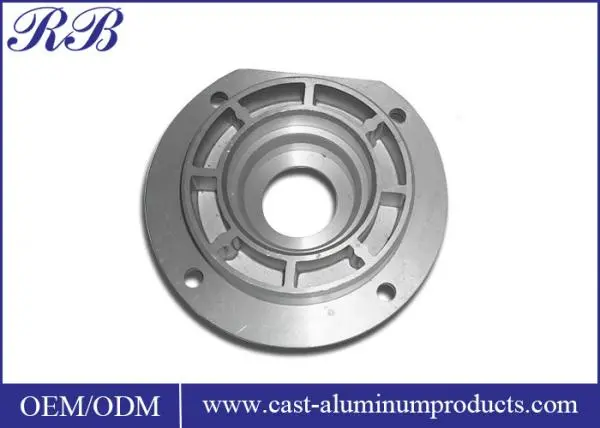
Simple yet effective mechanical sorting makes cast drainage screens function. These pieces feature precisely constructed holes or mesh patterns that enable liquids to flow through while capturing solid particles when placed directly into sink drain holes. Casting filters in A356 aluminum alloy ensures constant wall thickness and structural integrity for industrial kitchens' high and low temperatures and chemical exposure. Gravity casting filters are more exact in size and have fewer weak points that fail early than stamped or welded ones.
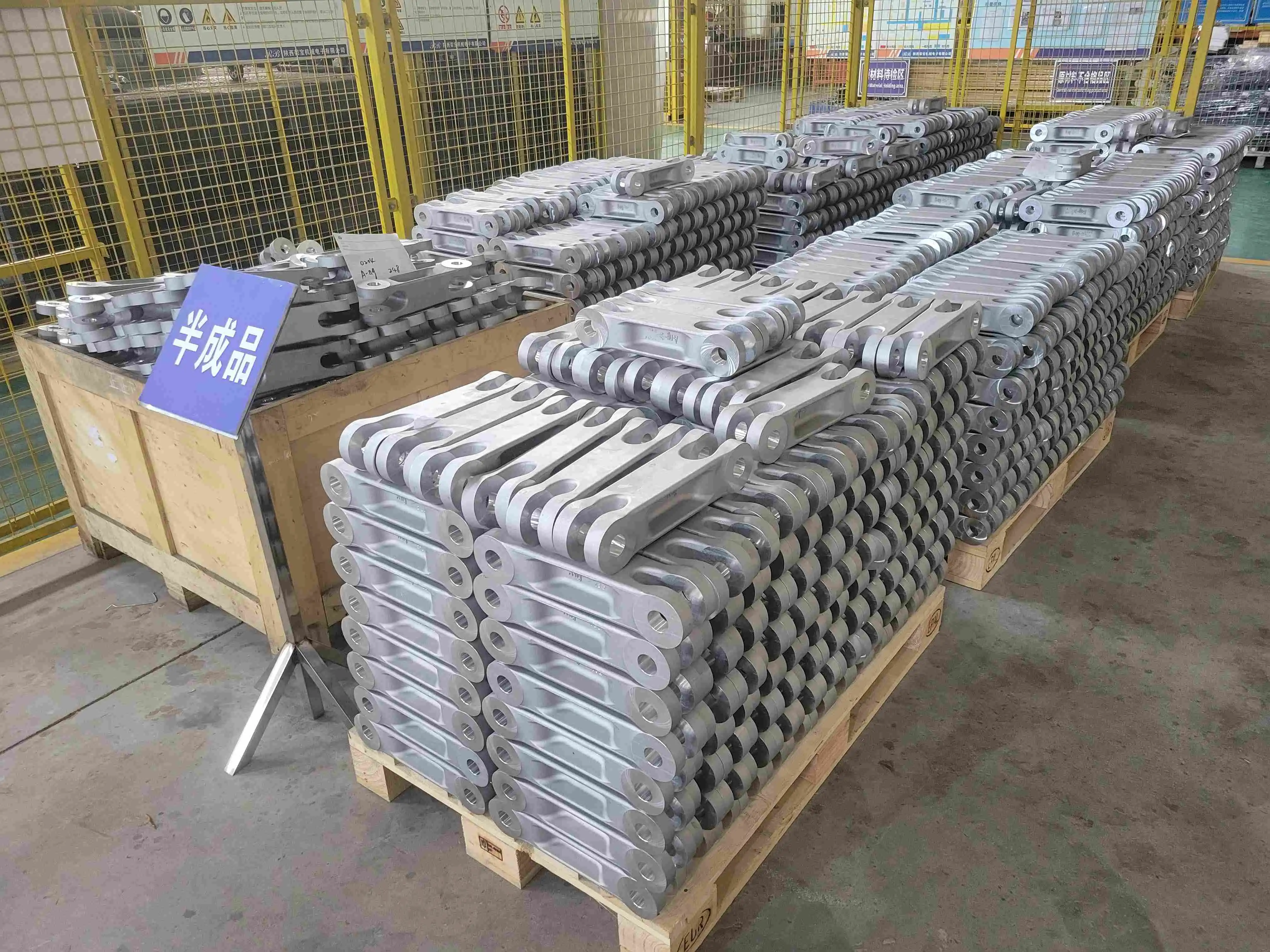
How the product is manufactured matters. Rongbao Enterprise combines gravity casting and CNC machining to obtain precise filter apertures for consistent debris pickup throughout manufacturing runs. Shotblasting increases corrosion resistance. This prolongs its life in hostile environments where cleaning chemicals and acidic food waste degrade materials fast.
Material Advantages and Environmental Considerations
Cast aluminum filters outperform cast iron filters in strength per unit weight. A356 alloy is employed in these conditions because silicon and magnesium make it more fluid during casting and more rust-resistant. This material reduces part weight by 60% over cast iron. This makes installation simpler and decreases shipping costs, which is significant for orders above 5,000 filters.
Environmental compliance is required in all contemporary purchases. ISO14001-certified factories use sustainable processes across the manufacturing cycle. These certifications ensure that the product has the least environmental impact while working properly, from raw materials to exterior finishes. Casting metal fosters a circular economy since scrap and rejected pieces may be melted and cast again without losing their qualities.
Key Benefits for Industrial Applications
High-quality cast sink filters have more benefits than just catching dirt. Equipment makers and facility managers are already familiar with some of their benefits:
- Continuous Use: The cast construction can survive kitchen tool strikes and daily cleaning. Many companies have utilized ISO9001:2015 filters for over three years. They need fewer changes, lowering work costs.
- Repeatable Batch Quality: Precision casting prevents welded system size inconsistencies. Acquisition teams may buy 500-unit trial batches before mass manufacturing to check that aperture size, mounting dimensions, and surface polish are uniform. Filter installation in SEUs requires this.
- Cast metal filters are cheaper than plastic ones despite their greater initial cost. Fewer repairs, maintenance, and emergency water solutions save money over 24 months. These filters stay intact when hit by hot water or chemicals. Unlike polymer-based competitors.
- Manufacturing, from mold-making to product-checking, is needed for these benefits. Having pattern generation, casting, machining, and surface treatment in one place decreases supplier quality differences.
-
Installation and Maintenance: Ensuring Optimal Performance
Installation Best Practices
A filter's longevity relies on its installation. First, drain opening dimensions must match filter requirements. Customization skills are useful when adding filters to outdated equipment with non-standard sink shapes. Mounting the filter in a machined recess is typical. In most configurations, weight and friction retain the filter. Silicone gaskets may expand and compress with temperature and seal water tightly.
Installers should level the filter to prevent waste buildup, which reduces drainage. Creating consistent installation techniques for facilities with many sink stations ensures consistency. The paperwork should include the tightening tension and clearance needed to remove secured items during maintenance cycles.
Maintenance Protocols for Extended Service Life
Frequent cleaning affects filter efficiency and part life. Daily high-pressure water jet hand washing removes oil and food before they become chemical-resistant deposits. Unlike lighter materials, cast metal can withstand severe cleaning without bending or losing surface.
Weekly deep cleaning using aluminum alloy-safe alkaline degreasers is recommended. Chlorinated cleansers corrode metal. In machine cleaning, abrasive particles near hole edges cause flow-induced erosion and early wear. Replace broken filters before holes appear and complicate rubbish collection.
Understanding failure kinds simplifies issues. Instead of filters, downstream pipe restrictions block post-filter drainage. Dirt pouring through the filter indicates wear or incorrect aperture parameters. Maintaining 10% of filters during unexpected replacements and predictive maintenance plans keeps systems functioning smoothly.
Comparative Analysis: Choosing the Right Cast Sink Filter
Cast Metal Versus Stainless Steel Options
When choosing materials, you have to balance the need for performance with the available budget. When used in food service settings, cast aluminum filters are very resistant to corrosion and cost 40% less than 304-grade stainless steel filters of the same size. The casting method can handle complicated shapes, like reinforcing ribs and built-in mounting holes, that would need expensive multi-step production in stainless steel.
When chemicals are present in large amounts, or the material must be completely harmless, stainless steel is the better choice. Even though it costs more, marine settings with salt spray also like stainless steel. Instead of just looking at the buying price, the choice is based on a total cost model that takes into account the expected service life.
Mesh and Plastic Filter Comparisons
Woven wire mesh filters feature greater open area percentages, which may improve high-volume flow rates. Due to their flexibility, they may distort when loaded, and the various points where the wires cross produce crevices where biofilm can develop up and make cleaning difficult. Plastic injection-molded filters are the cheapest, but they shatter when exposed to professional washing detergents and can't withstand high temperatures.
Cast sink filter metal filters are excellent for industrial applications. Stiffness maintains aperture shape during service life, and thermal stability enables them to contact boiling liquids without deforming. Procurement teams should request field-tested sample units while comparing choices. The 3–4-week sample verification step before bulk orders normally includes this.
Performance Evaluation Criteria
More than specs are needed to find the finest filters. Filtration effectiveness is the number of particles over a specific size collected. Third-party testing should verify filtering effectiveness, not manufacturer claims. Longevity tests evaluate surface polish, alloy uniformity, and structural reinforcement in high-stress locations.
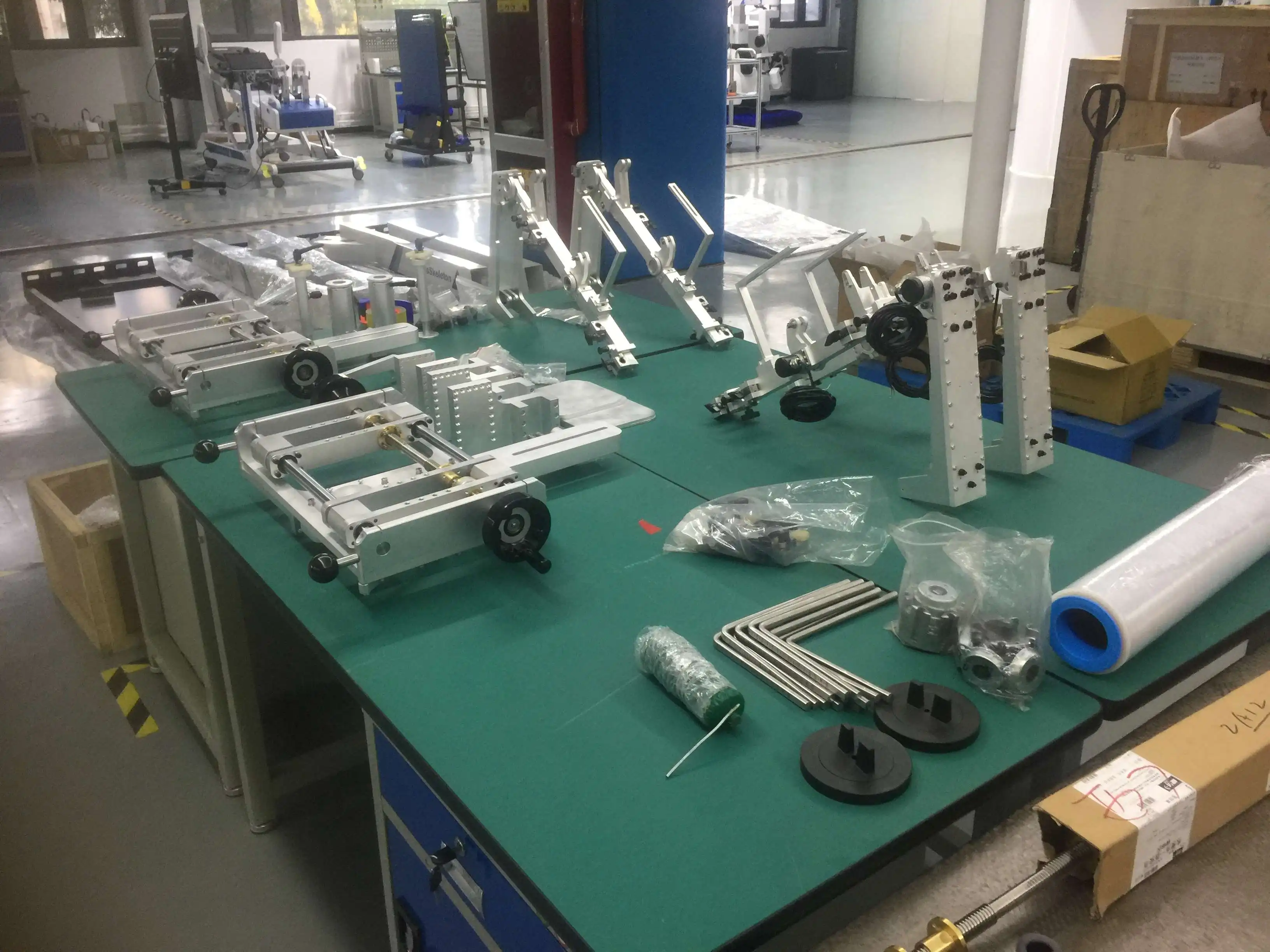
Consider the manufacturer's assistance skills. OEM customization providers may adjust common designs' size, mounting arrangements, and hole patterns to match bespoke sink designs. This lets you pick from one supplier instead of several, reducing administrative expenses and ensuring that acceptable alternative parts are always accessible throughout the equipment's manufacturing lifespan.
Procurement and Sourcing Strategies for B2B Buyers
Identifying Qualified Suppliers
Start a successful procurement process by selecting suppliers based on their product-making abilities, not marketing. Suppliers that register ISO9001, ISO14001, and ISO45001 demonstrate an organized approach to quality management, environmental responsibility, and worker safety. These operational maturity indicators are connected to product quality and delivery reliability.
Production capacity verification prevents bottlenecks. Suppliers with more than 5,000 items per month have the infrastructure, equipment, and dependable workforce to manage increased order quantities without compromising delivery timeframes. Famous industrial cities like Xi'an, China, have reliable raw materials and specialized service supplies. This makes production planning simpler since wait times fluctuate less.
Customization and OEM Services
Filter-using equipment manufacturers require particular vendors. One vendor may supply mold fabrication, several casting options, CNC machining, and surface treatment. This simplifies quality tracking and process coordination. This interface helps with product lines that need various filters for different equipment.
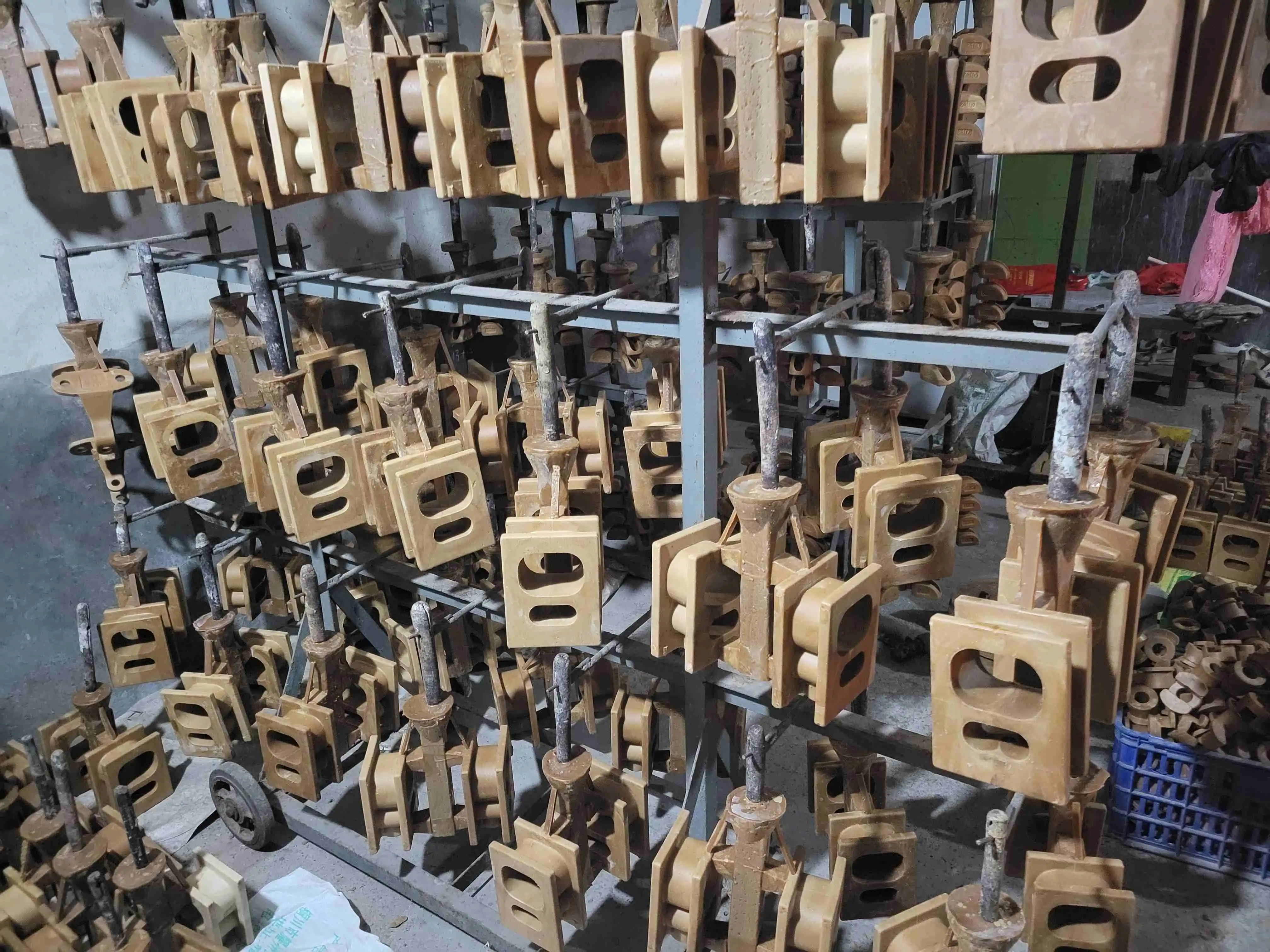
Customization generally has a timeline. The initial design meeting clarifies size, material, and performance objectives. Mold and sample production take 3-4 weeks. To ensure functionality and enhance specs, the product is tested. Small batch trials, generally 500 units, verify product feasibility and enable customers to see assembly before mass production. This step-by-step process reduces bespoke part risks and enhances supplier trust.
Negotiating Terms and Ensuring Quality
Quality assurance, acceptance, and correction should be in purchase agreements. Quality control standards are established by standardizing measurements, material composition, and surface polish. Material and handling fault warranties enable customers to get their money back when quality concerns develop despite strict production controls.
Mass pricing promotes budget stability and mass purchasing. Graduated discounts encourage customers to buy from fewer suppliers, cutting transaction costs and improving connections. Payment options include deposits for certain tools and the balance due upon delivery, balancing cash flow and risk management for both parties. Setting these rules during first meetings reduces production-stage mistakes that damage corporate relationships.
Conclusion
You must balance short-term cost savings with long-term company success and supplier reliability when selecting drainage filtration systems. Cast sink filters survive in harsh industrial applications and encourage ecologically sustainable purchases by utilizing recyclable materials and ethical manufacturing. This paper covers material science principles, installation best practices, and supplier evaluation criteria, giving procurement professionals the skills they need to make sensible decisions that support their company's objectives. Successful implementations start with carefully evaluating vendors, then collaborating to define clear needs, and finish with relationships that maintain production across equipment lifecycles.
FAQ
1. What is the expected service life under heavy industrial use?
When properly treated, cast aluminum filters made from the A356 metal can last for three to five years in industrial kitchens that are used 12 to sixteen hours a day. The length of time it lasts depends on the chemistry of the water, the cleaning chemicals used, and how often it is mechanically abused. Facilities that follow structured maintenance protocols often go above and beyond these standards. On the other hand, operations that don't do regular cleaning may have equipment fail early because of faster corrosion caused by organic matter contact.
2. How can I identify and resolve common filter problems?
Lower draining rates even though the area looks clean suggest that the holes are getting clogged up with mineral deposits or grease polymerization. Putting dirty filters in heated degreaser solutions often makes them work again. Any physical damage, like broken mounting flanges or bigger holes, needs to be fixed right away to stop debris escape. Supplier relationships that offer fast replacement packages help keep downtime to a minimum when things go wrong without warning.
3. Are environmentally responsible filter options available?
Modern foundries that follow ISO14001 guidelines have closed-loop water recycling systems, pollution controls on melting furnaces, and waste heat recovery systems that make a big difference in how much damage they do to the environment. Aluminum can be recycled over and over again, which makes it even more environmentally friendly. Even after their useful life, filters still have a lot of value as scrap, which supports the ideas of the circular economy. Industrial environmental performance is always getting better along the world's supply chains because of policies that give priority to certified suppliers.
Reliable Cast Sink Filter Manufacturer for Your Industrial Needs
Rongbao Enterprise excels in providing precision aluminum cast sink filters to companies that make tools and run manufacturing facilities. We can make things using gravity casting, CNC cutting, and advanced surface treatments. All of these processes are approved to ISO9001:2015, ISO14001, and ISO45001 standards. We can make custom drainage filters and industrial parts at a rate of more than 5,000 pieces per month, so we can meet both prototype development and mass production needs.
Our Xi'an plant provides full OEM/ODM services, from helping with the initial design to making tools and producing the whole batch. We've been serving international markets for 20 years, so we know what procurement managers need in terms of consistent quality and on-time delivery. Our engineering team works together to come up with the best solutions, whether you need standard specifications or special setups that work perfectly with your own equipment designs.
Get in touch with our technical experts at steve.zhou@263.net or zhouyi@rongbaocasting.com to talk about your unique filter needs. We give you thorough quotes, certifications for the materials, and trial units to look over so that you can be sure of everything before you place a production order.
References
1. Anderson, J. (2023). Industrial Drainage Systems: Engineering and Maintenance Standards for Commercial Facilities. Industrial Press.
2. Chen, L., & Wu, M. (2022). Aluminum Casting Alloys: Metallurgy, Processing, and Applications in Food Service Equipment. Materials Science Quarterly, 45(3), 234-251.
3. International Organization for Standardization. (2021). ISO 9001:2015 Quality Management Systems – Requirements. Geneva: ISO Publications.
4. Martinez, R. (2023). Sustainable Procurement in Equipment Manufacturing: Environmental Certification and Supply Chain Management. Journal of Industrial Operations, 38(2), 112-128.
5. Thompson, K., & Davis, P. (2022). Commercial Kitchen Equipment Design: Materials Selection and Performance Optimization. Culinary Engineering Review, 29(4), 67-84.
6. Wang, H. (2023). Corrosion Resistance of Cast Aluminum Alloys in Food Processing Environments: Comparative Analysis and Service Life Prediction. Corrosion Science and Technology, 51(1), 45-62.
Learn about our latest products and discounts through SMS or email