- English
- French
- German
- Portuguese
- Spanish
- Russian
- Japanese
- Korean
- Arabic
- Greek
- German
- Turkish
- Italian
- Danish
- Romanian
- Indonesian
- Czech
- Afrikaans
- Swedish
- Polish
- Basque
- Catalan
- Esperanto
- Hindi
- Lao
- Albanian
- Amharic
- Armenian
- Azerbaijani
- Belarusian
- Bengali
- Bosnian
- Bulgarian
- Cebuano
- Chichewa
- Corsican
- Croatian
- Dutch
- Estonian
- Filipino
- Finnish
- Frisian
- Galician
- Georgian
- Gujarati
- Haitian
- Hausa
- Hawaiian
- Hebrew
- Hmong
- Hungarian
- Icelandic
- Igbo
- Javanese
- Kannada
- Kazakh
- Khmer
- Kurdish
- Kyrgyz
- Latin
- Latvian
- Lithuanian
- Luxembou..
- Macedonian
- Malagasy
- Malay
- Malayalam
- Maltese
- Maori
- Marathi
- Mongolian
- Burmese
- Nepali
- Norwegian
- Pashto
- Persian
- Punjabi
- Serbian
- Sesotho
- Sinhala
- Slovak
- Slovenian
- Somali
- Samoan
- Scots Gaelic
- Shona
- Sindhi
- Sundanese
- Swahili
- Tajik
- Tamil
- Telugu
- Thai
- Ukrainian
- Urdu
- Uzbek
- Vietnamese
- Welsh
- Xhosa
- Yiddish
- Yoruba
- Zulu
Can you cast copper?
Absolutely! Copper casting is not only possible but widely practiced across numerous industrial sectors worldwide. This metalworking process transforms molten copper into precisely engineered components that serve critical functions in automotive, construction, energy, and manufacturing applications. The versatility of copper casting allows manufacturers to produce everything from intricate electrical components to robust mechanical parts, making it an essential capability for any comprehensive metal fabrication operation.
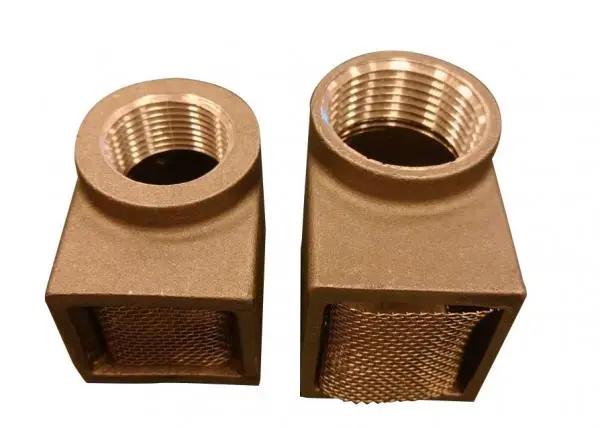
Understanding the Copper Casting Process
Industrial Significance and Material Varieties
For its excellent thermal and electrical qualities, copper casting is one of the most important technologies used in modern industry. Three types of copper are mostly used in industrial settings: electrolytic copper, which is 99.9% pure; red copper, which is very conductive; and brass alloys, like H62, which mix copper with zinc to make them stronger and easier to work with.
Due to its antimicrobial qualities and resistance to rust, the H62 brass alloy, which is made up of about 62% copper and 38% zinc, is especially useful in kitchens. This material standard makes sure that the product will last in harsh conditions while still looking good for products that people will see.
Key Process Stages and Temperature Control
To start the casting process, the temperature must be carefully controlled. Copper melts at a temperature of about 1,984°F (1,085°C). Temperature control is still very important during the whole process, since changes in temperature can have a big effect on the quality and accuracy of the finished part.
As part of mold preparation, the right materials and shapes must be chosen to meet the needs of each casting job. When it comes to production rate, surface finish needs, and physical complexity, sand casting, investment casting, and die casting all have their own benefits. When making parts that weigh 0.23 kg or less, gravity casting is a popular method used for medium-sized production runs because it is cost-effective and good at controlling dimensions.
Quality Control and Defect Prevention
Most of the time, copper casting processes have trouble with porosity and shrinking. Most of the time, these flaws are caused by incorrect cooling rates, poor ventilation, or raw materials that are contaminated. Manufacturers with a lot of experience use a wide range of quality control measures, such as tracking temperatures in real time, controlling cooling environments, and strict checking processes for materials.
When it comes to defects, bronze and aluminum casting are not the same. Bronze has better wear resistance but needs higher pouring temperatures, and aluminum is lighter but needs special handling techniques. When buying managers know about these material traits, they can make smart choices based on specific application needs and performance standards.
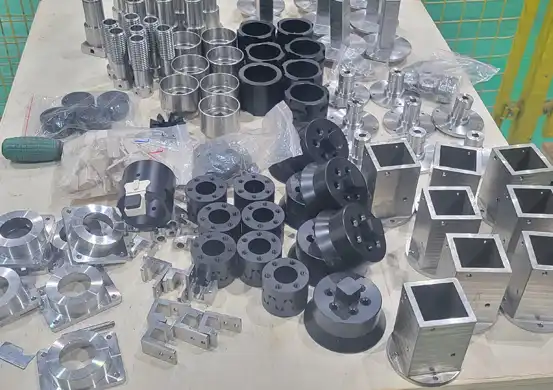
Copper Casting vs Alternative Methods and Materials
Material Comparison Analysis
Because of how they are made, brass and bronze casts serve different types of customers. Brass metals are great for tasks that need a reasonable amount of strength and good machinability. This makes them perfect for precision parts that need extra CNC machining. Bronze casts are very good at resisting wear and corrosion, which makes them very useful in naval and heavy machinery uses.
Because copper-based metals are much more resistant to corrosion than carbon steel alternatives, they can be used for longer periods of time in harsh settings. This means that upkeep costs will go down and the product will work more reliably for end users.
Process Selection Considerations
The production rate, geometric complexity, and quality standards have a lot to do with which manufacturing method is chosen. Sand casting is a cost-effective way to make things in medium to large batches, and it can also handle parts with complicated internal shapes. Investment casting gives you a better surface finish and more accurate measurements, but you have to pay more for the tools you need to make the casting.
When regular consistency in measurements and a smooth surface finish are very important, die casting is the best way to go. To choose between these methods, you need to carefully think about the total cost of production, the time it takes to give, and the quality standards that each application needs.
Practical Guidance for Successful Copper Casting
Equipment and Material Requirements
In order for copper casting to go smoothly, it needs special tools that can keep the temperature stable during the melting and pouring processes. Induction ovens keep the temperature stable while reducing the chances of oxidation, which can lower the quality of the end product.
Finding the right raw materials is a key part of getting reliable results. Suppliers with a good reputation make sure the material is pure and give full certifications that show its chemical makeup and physical qualities. When certain mechanical qualities or legal compliance are needed, this paperwork becomes very important.
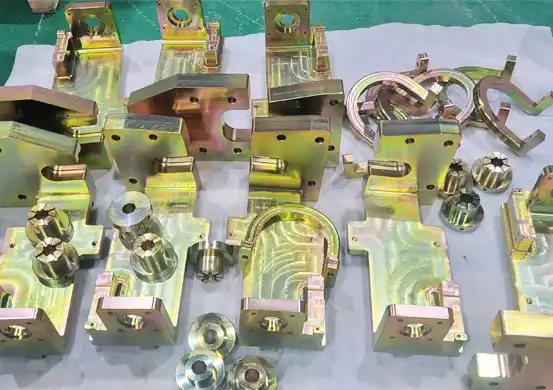
Safety Protocols and Environmental Considerations
Handling molten copper requires strict attention to safety rules, such as using the right personal protective equipment and making sure the work area has good air flow. Temperature tracking systems keep things from getting too hot, and the right air controls keep the fumes and vapors that are made during the casting process under control.
Environmental compliance is more than just making sure people are safe. It also includes things like managing trash and making the best use of energy. Modern foundries have recycling programs that get rid of extra materials and have as little of an effect on the earth as possible by designing processes efficiently.
Cost Management Strategies
The price of raw materials changes based on the state of the world copper market. For big production projects, buying in bulk is a good idea. Custom production solutions often have lower unit costs than standard stock items, especially when they are paired with services that add value, such as CNC machining and surface treatment.
Transportation packaging with wooden boxes protects parts during shipping and meets the needs of foreign exports. These standard packing options make it easier for businesses to work together across borders and lower the risk of damage during transport.
Benefits and Applications of Copper Casting in Industry
Performance Advantages
Copper casting has unique thermal and electrical conductivity qualities that are needed for heat transfer and electrical components. The material is naturally antibacterial, which makes it very useful in kitchens and other places where cleanliness is important, like food processing equipment.
Another big benefit is that copper can be recycled, and its qualities stay the same after many rounds of recycling. This part of sustainability is becoming more important in purchasing choices as businesses try to be more environmentally friendly while also keeping an eye on the total cost of ownership.
Industry Applications and Success Stories
Copper castings are used in automotive uses for heat exchanges, electrical links, and engine parts that need to handle heat very well. Copper's dependability and consistent performance are valued by the aerospace industry in important uses where component failure is not an option.
Copper's natural protective properties and good heat distribution make it a great choice for kitchens and food service areas. In professional kitchen tools where durability and efficiency are very important, custom parts weighing 0.23 kg are often used.
Manufacturing Capabilities and Customization
These days, casting companies can make up to 5,000 pieces at a time while still keeping high quality standards. With CNC cutting, you can precisely control the dimensions and make complicated features that you couldn't make with casting alone.
Surface treatment choices, such as shot blasting, improve both the look and function of the surface. With these value-added services, basic casts are turned into finished parts that can be installed right away. This cuts down on the amount of inventory that customers need to keep on hand and speeds up the supply chain.
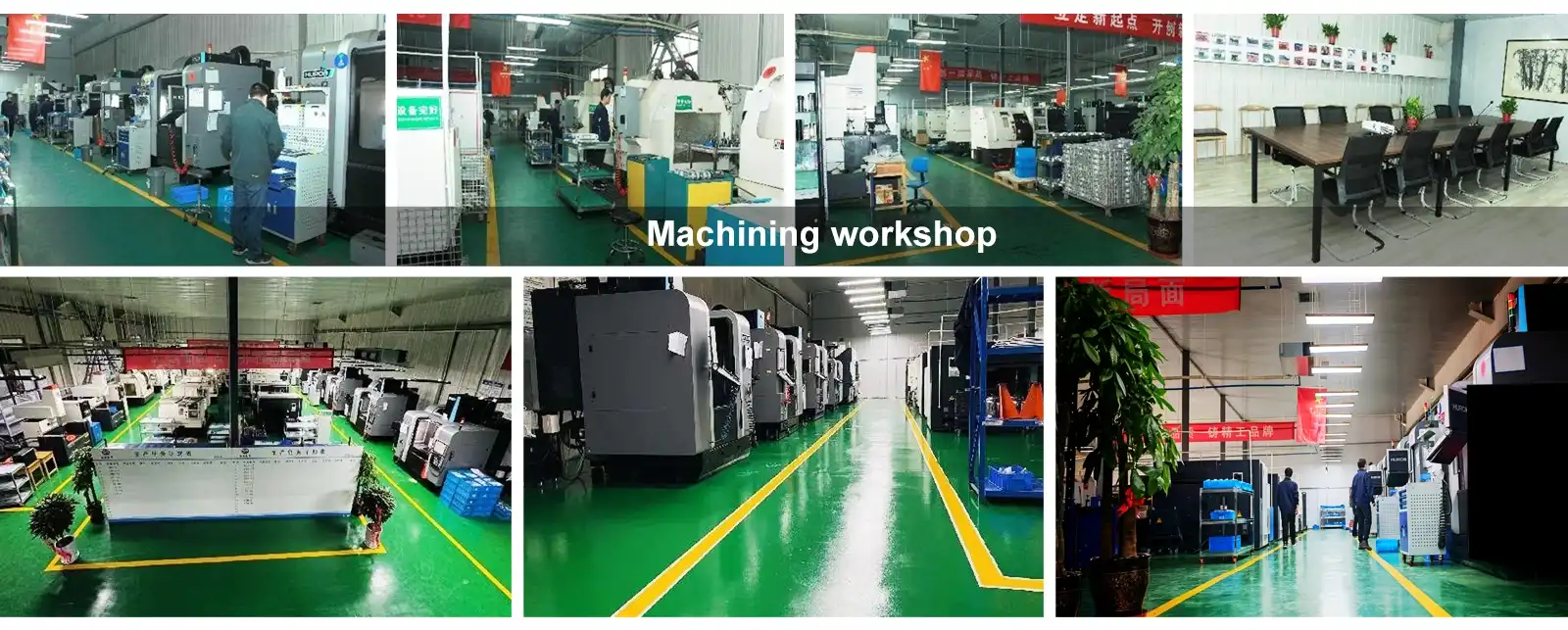
Copper Casting Safety and Best Practices
Workplace Safety Requirements
To work with molten copper safely, you need to wear protective clothes that can handle heat, a face shield, and breathing masks. Possible spill situations must be covered in emergency plans, along with quick action options to keep people and property safe.
Personal safety isn't the only thing that environmental controls cover. Proper ventilation systems and weather tracking tools are also part of them. These systems make sure that working conditions are always the same and protect people and things from damage caused by heat.
Quality Assurance Implementation
To stop casting flaws, you need to take a methodical approach that focuses on the reasons rather than the signs. To make sure that the quality of each component is the same throughout production runs, the steps for controlling temperature, preparing molds, and moving materials must stay the same.
Getting ISO9001:2015, ISO14001, or ISO45001 certifications shows that you care about quality control, being good to the earth, and meeting health and safety standards at work. These certifications, which are accepted all over the world, give procurement managers peace of mind when they are looking for trusted providers for important projects.
Conclusion
Copper casting is a tried-and-true way to make things that can produce high-quality parts for a wide range of commercial uses. Copper casting is a good choice for procurement managers looking for trusted sources because of its cost-effectiveness, versatility in making, and good material properties. For important component uses, modern foundries with advanced quality control systems and full certifications give users the peace of mind they need. The scalability needed for both prototype development and full-scale production projects is shown by the fact that specifications can be changed while output capacity stays at 5,000 pieces.
Partner with Rongbao Enterprise for Superior Copper Casting Solutions
Rongbao Enterprise has been making things for 20 years and has a wide range of copper casting skills that can help you get the best results for your most difficult projects. Our ISO-certified factories in Xi'an, China, can make up to 5,000 pieces at once while still meeting the high standards of accuracy and quality that your projects need.
As a reliable copper casting maker, we offer full services from the first drawing to finished parts, such as CNC machining and surface treatment. Because we've exported to markets in Europe, the United States, and Japan, we know what high standards you have and how quickly you need your goods. Get in touch with steve.zhou@263.net or zhouyi@rongbaocasting.com right away to talk about how our custom copper casting solutions can help you improve your buying and production methods.
FAQ
What makes copper casting suitable for kitchen applications?
The natural antimicrobial qualities of copper and its great thermal conductivity make it perfect for use in the kitchen. The H62 brass combination makes the metal stronger and less likely to rust, and it still meets the food safety standards needed in professional kitchens.
How does gravity casting compare to other copper casting methods?
Gravity casting is a cost-effective way to make medium-sized batches of things because it gives you good control over the dimensions and finish of the surface. This method works especially well for parts that weigh between 0.23 kg and 0.25 kg and need to be precise and reliable.
What certifications are important for copper casting suppliers?
ISO14001 and ISO45001 show that safety and environmental rules are being followed, and ISO9001:2015 makes sure that quality control standards are met. These certificates give purchasing managers trust in the skills and compliance of suppliers with regulations.
References
1. Smith, J.R. "Advanced Copper Casting Techniques in Modern Manufacturing." Journal of Metal Processing Technology, 2023.
2. Anderson, M.K. "Quality Control Systems for Non-Ferrous Metal Casting Operations." Industrial Manufacturing Quarterly, 2022.
3. Thompson, L.A. "Comparative Analysis of Copper Alloys in Industrial Applications." Materials Engineering Review, 2023.
4. Wilson, D.P. "Safety Protocols for High-Temperature Metal Casting Processes." Occupational Health and Safety Standards, 2022.
5. Chen, R.H. "Environmental Compliance in Modern Foundry Operations." Sustainable Manufacturing Practices, 2023.
6. Martinez, S.C. "Economic Analysis of Copper Casting versus Alternative Manufacturing Methods." Cost Management in Manufacturing, 2022.
Learn about our latest products and discounts through SMS or email