- English
- French
- German
- Portuguese
- Spanish
- Russian
- Japanese
- Korean
- Arabic
- Greek
- German
- Turkish
- Italian
- Danish
- Romanian
- Indonesian
- Czech
- Afrikaans
- Swedish
- Polish
- Basque
- Catalan
- Esperanto
- Hindi
- Lao
- Albanian
- Amharic
- Armenian
- Azerbaijani
- Belarusian
- Bengali
- Bosnian
- Bulgarian
- Cebuano
- Chichewa
- Corsican
- Croatian
- Dutch
- Estonian
- Filipino
- Finnish
- Frisian
- Galician
- Georgian
- Gujarati
- Haitian
- Hausa
- Hawaiian
- Hebrew
- Hmong
- Hungarian
- Icelandic
- Igbo
- Javanese
- Kannada
- Kazakh
- Khmer
- Kurdish
- Kyrgyz
- Latin
- Latvian
- Lithuanian
- Luxembou..
- Macedonian
- Malagasy
- Malay
- Malayalam
- Maltese
- Maori
- Marathi
- Mongolian
- Burmese
- Nepali
- Norwegian
- Pashto
- Persian
- Punjabi
- Serbian
- Sesotho
- Sinhala
- Slovak
- Slovenian
- Somali
- Samoan
- Scots Gaelic
- Shona
- Sindhi
- Sundanese
- Swahili
- Tajik
- Tamil
- Telugu
- Thai
- Ukrainian
- Urdu
- Uzbek
- Vietnamese
- Welsh
- Xhosa
- Yiddish
- Yoruba
- Zulu
Can I do sand casting at home?
You can perform sand casting at home with proper equipment, safety measures, and workspace setup. Home foundry operations have become increasingly popular among hobbyists, prototypers, and small-scale manufacturers seeking cost-effective metal forming solutions. This versatile manufacturing process involves pouring molten metal into expendable sand molds, making it accessible for residential workshops when safety protocols are strictly followed. While home casting requires significant preparation and safety considerations, it offers valuable opportunities for prototyping, educational purposes, and small-batch production before transitioning to industrial-scale manufacturing.
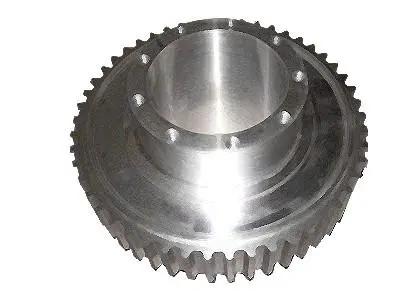
Sand Casting: Basics and Core Principles
Sand casting is one of the oldest and most common ways to shape metal in the history of manufacturing. By pouring molten aluminum, iron, bronze, or other metals into specially prepared sand molds that act as temporary forming chambers, this tried-and-true method makes metal parts.
The Core Process and Materials
The first step in sand casting is making a pattern. This is done by shaping the mold cavity with a copy of the part that is being cast. There are two parts to the mold that work together to make the whole assembly. These are called the cope and the drag. A well-thought-out gating system controls the flow of the molten metal, and sand cores make holes and complex shapes inside the finished casting.
For lightweight parts, aluminum alloys are often used for sand casting. Brass and bronze are often used for decorative and marine parts, and different iron alloys are often used for heavy-duty industrial parts. Usually, silica sand and clay binders are mixed together to make the sand mixture. This makes a moldable substance that stays in shape while letting gas escape during metal pouring.
Advantages and Limitations
Compared to die casting or investment casting, sand casting gives you a lot of freedom to make big, complicated shapes with relatively low tooling costs. This method works great for making prototypes and small batches of products, which makes it especially useful for custom manufacturing.
However, sand casting doesn't produce as accurate measurements or a smooth surface as precision casting does. Most sand castings need extra machining to meet final requirements. This adds to the cost of production and extends the time it takes to make the product.
Can Sand Casting Be Practiced at Home? Key Considerations
For home sand casting projects to go smoothly, they need to be carefully planned, equipped, and strictly followed safety rules. When procurement professionals and engineers know these requirements, they can figure out if their in-house casting capabilities meet their needs for prototyping or pilot production.
Essential Equipment and Workspace Requirements
For home foundries to work well, certain equipment configurations and changes to the workspace are needed. An effective home casting setup is built around the following parts:
- Furnace Systems: Propane or electric melting furnaces that can reach 1220°F for aluminum and higher for other metals
- Crucibles and Tongs: Containers and tools for working with molten metal that can handle high temperatures.
- Ventilation Systems: Strong exhaust fans and fume extraction tools to deal with metal vapors and toxic gases
- Safety Equipment: Clothes that won't catch fire, face shields, heat-resistant gloves, and emergency supplies.
- Sand Preparation Tools: Mixing tools, systems for controlling moisture, and materials for conditioning sand
The design of the workspace needs to allow for operations that take place at high temperatures while keeping equipment parts at safe distances from each other. Enough floor space, concrete surfaces, and emergency exits make sure that casting operations are done safely.
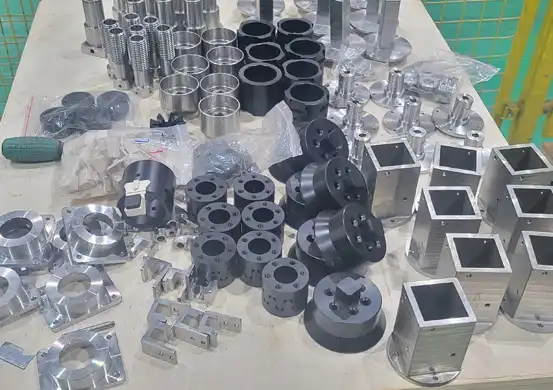
Step-by-Step Home Casting Process
The process of home sand casting is based on well-known industrial methods that have been scaled down for smaller operations. Pattern preparation is the process of making exact copies out of wood, plastic, or 3D-printed materials that take into account the fact that metal shrinks when it cools.
To make a mold, you have to mix sand with the right binders to get the right consistency and moldability. The sand mix needs to be strong enough to hold the pressure of the molten metal while still letting gas escape during the pouring process.
To melt or pour metal, you need to carefully control the temperature and the timing. It is important for molten aluminum to reach the right levels of superheat without getting too hot, which can lead to oxide formation and casting flaws.
Safety Risks and Mitigation Strategies
Home casting businesses have a lot of safety issues that need to be managed in a comprehensive way. Many alloys melt at temperatures above 2000°F, which makes handling and pouring very dangerous because of the risk of burns.
Because melting creates toxic fumes, ventilation systems and respiratory protection gear must work well. Without enough air flow, metal vapors and combustion gases can build up in small spaces, posing health risks and even explosion risks.
Fire suppression systems, first aid supplies, and communication tools that allow for quick action in case of accidents or equipment failure are all part of emergency preparedness.
Comparing Sand Casting at Home vs. Industrial Precision Casting
When deciding between home sand casting and industrial precision casting, it's important to think about the quality needs, production volumes, and costs. These things have a direct effect on procurement strategies and supply chain decisions.
Quality and Precision Differences
Dimensional tolerances in industrial precision casting operations are usually between ±0.005" and ±0.020", but this depends on how complicated the casting is and what size is needed. Advanced process controls, automated equipment, and statistical quality monitoring make sure that each production batch gets the same results.
Due to differences in the way the process is done by hand and the limitations of the equipment, home sand casting usually has tolerances between ±0.030" and ±0.125". The quality of the surface finish depends a lot on how well the sand is prepared, how good the pattern is, and how skilled the operator is.
Professional foundries have defect rates of about 2 to 5 percent thanks to systematic quality control programs. On the other hand, home operations may have defect rates of 10 to 20 percent when they are first starting out.
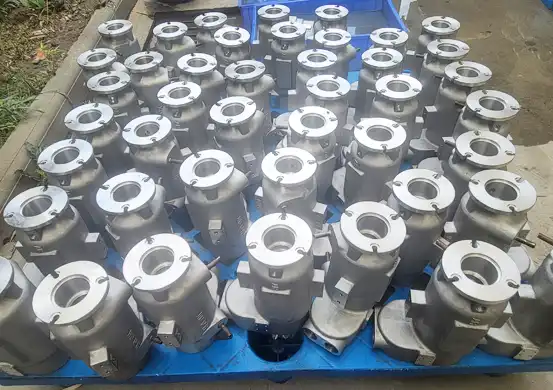
Cost Analysis and Lead Time Considerations
When making prototypes or very small amounts of a product, home casting operations can save you a lot of money. For basic aluminum casting capabilities, the initial equipment investment ranges from $2,000 to $10,000. There are no per-part tooling charges or minimum order requirements.
When making more than 50 to 100 parts a year, industrial casting services are the most cost-effective option. Professional foundries use economies of scale, specialized equipment, and processes that are optimized to keep quality standards high while lowering the cost per unit.
When you compare lead times, you can see some interesting trade-offs between methods. When the pattern is finished, a home business can make a prototype part within a few days, but an industrial supplier may need two to four weeks to make the first samples and prepare the tools.
Application Suitability Assessment
Home sand casting works great for quickly changing designs, making custom one-of-a-kind parts, or making educational displays. Home foundry capabilities are flexible and available right away, which is great for art castings, restoration parts, and prototype parts.
When you need consistent mechanical properties, precise dimensional control, or certifications that you're following the rules, industrial precision casting is a must. Parts for cars, planes, and medical devices all need the quality control and traceability that certified foundry operations offer.
Practical Use Cases and Procurement Insights for B2B Clients
Professionals in procurement have to look at how sand casting can be used as part of bigger supply chain plans that balance cost, quality, risk, and delivery needs throughout the lifecycle of a product.
Strategic Applications for Home Casting
Home sand casting is a great way to save money in certain situations where its unique benefits can be used. Rapid prototyping uses parts that are available right away and lets you make changes to the design without having to meet a minimum order quantity or buy expensive tools.
When original suppliers stop supporting obsolete parts, home casting methods are often a good way to fix and replace parts for old equipment. Small farm tools, restoring old machines, and specialized tools are all great uses for casting capabilities that can be done in-house.
Home casting gives research and development programs big benefits because it lets them test ideas and make sure they work right away, without having to rely on outside suppliers or wait for long procurement cycles.
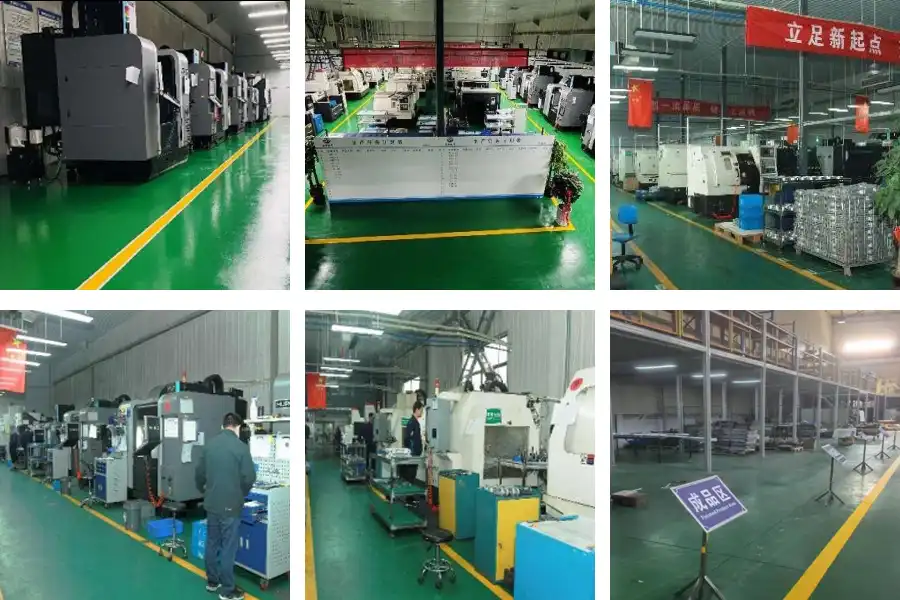
When to Outsource to Professional Foundries
Professional foundry services are needed when the amount of work that needs to be done is too much for a home foundry to handle, or when quality standards require certified materials and processes. The following factors show that outsourcing is necessary:
- Volume Requirements: Making more than 100 to 500 parts a year usually makes professional foundries more profitable.
- Quality Standards: Uses that need certain mechanical properties, certified materials, or proof that they follow the rules
- Dimensional Precision: Parts that need to be within ±0.030" of the actual size or that have to meet strict surface finish requirements
- Material Complexity: Rare alloys, needs for heat treatment, or special certifications for materials
Foundry Partner Selection Criteria
For foundry partnerships to work, suppliers' skills, quality systems, and long-term dependability must all be carefully looked at. Key selection criteria include ISO 9001 certification, IATF 16949 compliance for automotive applications, and experience in related industries.
Assessing production capacity means looking at the strengths and weaknesses of the equipment, how fast it can work, and how much it can be expanded to meet future needs for growth. The closeness of two locations affects the cost of logistics and how well people can communicate, especially when talking about complicated technical issues and fixing quality problems.
Some signs of a quality system's maturity are the use of statistical process control, the ability to test without damaging the system, and the speed with which corrective actions are taken during supplier audits and performance reviews.
Summary and Recommendations: Is Sand Casting at Home Right for You?
Home sand casting has strong benefits in some situations, but it also has big problems that need to be carefully thought through in the context of larger procurement strategies and operational needs.
Decision Framework for Procurement Professionals
When deciding whether to start home casting, you need to weigh the short-term benefits of flexibility against the long-term needs for quality and capacity. Businesses that need to make prototypes often, make custom parts, or teach others may be able to afford the equipment and skill development needed for home operations to be successful.
Risk assessment must consider safety requirements, legal obligations, and insurance issues that must all be taken into account when using high-temperature manufacturing equipment in non-industrial settings. Many businesses find that a mix of home casting for initial prototypes and professional foundry partnerships for production works best.
A cost-benefit analysis should look at all of the costs of owning the business, such as the equipment's depreciation, repairs, operator training, and investments in safety systems. Break-even analyses usually only favor home operations for very low-volume jobs or unique needs that can't be met by regular foundry services.
Professional foundry partnerships offer better risk management, quality assurance, and scalability for most business uses, while also giving you access to more advanced materials and processes than a home foundry could offer.
Partner with Rongbao Enterprise for Professional Sand Casting Solutions
Rongbao Enterprise offers complete sand casting manufacturing solutions backed by 20 years of experience in the field and ISO-certified quality systems. Our full-chain capabilities include high-pressure die casting, low-pressure casting, gravity casting, and precision machining services that can handle complicated shapes and tight tolerances.
Our standard production facilities have high-tech automated equipment for casting, machining, and testing. They can handle large orders while keeping delivery times under control. As a reliable sand casting supplier for the automotive, construction equipment, and industrial machinery industries, we offer complete manufacturing solutions, from design consultation to delivery of the finished product.
Seventy percent of Rongbao Enterprise's products are sold in Europe, the United States, and Japan. We follow international quality standards and offer competitive prices and quick technical support. Email our team at steve.zhou@263.net or zhouyi@rongbaocasting.com to talk about your casting needs and get personalized quotes for your next project.
FAQ
Q1:Is home sand casting safe for beginners?
A1:Home sand casting can be safe as long as the right safety rules are followed. Beginners should get foundry safety training, buy the right safety gear, and start with low-temperature metals like aluminum before moving on to higher-temperature alloys. Other safety requirements include enough ventilation, fire suppression systems, and emergency plans.
Q2:How does quality compare between home and industrial castings?
A2:Industrial castings always have better quality metrics, such as accurate measurements, a smooth surface, and good mechanical properties. Professional foundries use certified materials, statistical process control, and standard procedures to make sure that the same results are achieved every time. Home castings may have more variation, but they can meet the needs of non-critical applications and prototype development.
Q3:Can small businesses access custom precision casting services?
A3:Professional foundries are becoming more flexible in how they meet small-volume custom casting needs. Many suppliers offer prototype services, small-batch production, and technical support that is tailored to new businesses and specialized applications. As foundries adapt to changing market needs, minimum order quantities have dropped by a large amount.
References
- Campbell, John. "Complete Casting Handbook: Metal Casting Processes, Metallurgy, Techniques and Design." Second Edition, Butterworth-Heinemann, 2015.
- Brown, John R. "Foseco Foundry Practice: A Guide to Metal Casting Technology." Pergamon Press, 2000.
- Flemings, Merton C. "Solidification Processing in Metal Casting Fundamentals." Materials Science and Engineering Department, MIT Press, 1974.
- Beeley, Peter R. "Foundry Technology and Steel Castings: An Introduction to the Science and Practice of Steel Casting." Institute of Materials, 2001.
- Stefanescu, Doru M. "Science and Engineering of Casting Solidification." Third Edition, Springer International Publishing, 2015.
- Ravi, B. "Casting Simulation and Optimization: Benefits, Bottlenecks, and Best Practices." Indian Foundry Journal, Volume 65, 2019.
Learn about our latest products and discounts through SMS or email