- English
- French
- German
- Portuguese
- Spanish
- Russian
- Japanese
- Korean
- Arabic
- Greek
- German
- Turkish
- Italian
- Danish
- Romanian
- Indonesian
- Czech
- Afrikaans
- Swedish
- Polish
- Basque
- Catalan
- Esperanto
- Hindi
- Lao
- Albanian
- Amharic
- Armenian
- Azerbaijani
- Belarusian
- Bengali
- Bosnian
- Bulgarian
- Cebuano
- Chichewa
- Corsican
- Croatian
- Dutch
- Estonian
- Filipino
- Finnish
- Frisian
- Galician
- Georgian
- Gujarati
- Haitian
- Hausa
- Hawaiian
- Hebrew
- Hmong
- Hungarian
- Icelandic
- Igbo
- Javanese
- Kannada
- Kazakh
- Khmer
- Kurdish
- Kyrgyz
- Latin
- Latvian
- Lithuanian
- Luxembou..
- Macedonian
- Malagasy
- Malay
- Malayalam
- Maltese
- Maori
- Marathi
- Mongolian
- Burmese
- Nepali
- Norwegian
- Pashto
- Persian
- Punjabi
- Serbian
- Sesotho
- Sinhala
- Slovak
- Slovenian
- Somali
- Samoan
- Scots Gaelic
- Shona
- Sindhi
- Sundanese
- Swahili
- Tajik
- Tamil
- Telugu
- Thai
- Ukrainian
- Urdu
- Uzbek
- Vietnamese
- Welsh
- Xhosa
- Yiddish
- Yoruba
- Zulu
Can aluminium be sand casted?
Yes, aluminum casting using sand molds is not only possible but represents one of the most versatile and cost-effective manufacturing methods available today. In this method, liquid aluminum is poured into carefully prepared sand molds. This makes parts that combine the natural benefits of aluminum, like being strong and lightweight, with the design freedom that sand casting provides. This method of making things is used a lot in many fields, from cars to spacecraft, to make everything from engine parts to structure parts.
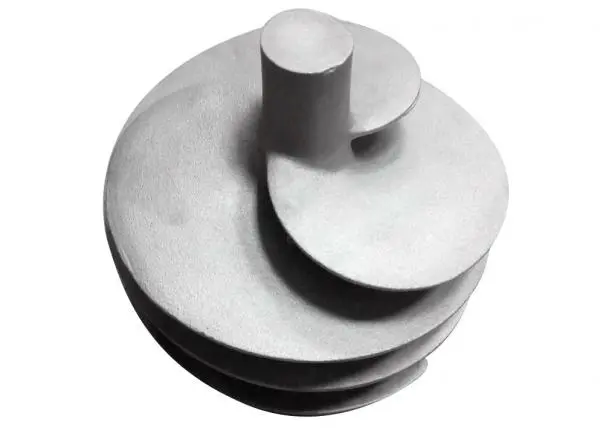
Understanding Aluminium Casting and Sand Casting
The Fundamentals of Aluminum Manufacturing
The process of making aluminum is an important part of modern industrial production. It involves carefully controlling how liquid aluminum is turned into exact, lightweight, and long-lasting parts. This flexible way of making things starts with heating aluminum to about 1220°F (660°C). This turns the metal into a liquid state that lets it flow into complicated mold holes. Heating metal until it melts, putting it into molds that have already been set, letting it cool until it is completely solid, taking out the finished cast part, and doing final finishing steps like trimming and treating the surface.
Professionals in the manufacturing industry know that aluminum has unique qualities that make it better than many other materials. Because it has a much lower density than iron, aluminum can reduce weight by almost three times while keeping the structure strong. The material is very good at conducting both heat and electricity, which makes it perfect for use in heat exchanges, engine parts, and electrical uses. Its natural resistance to rust makes it last for a long time in harsh environments, and the fact that it can be recycled supports environmentally friendly production.
Sand Casting Process and Material Compatibility
For sand casting, carefully made sand molds are used that can hold different metals. Aluminum works especially well for this purpose. Using sand mixed with binding agents, the process makes temporary models that let makers make parts with complicated shapes and different sizes. Permanent mold methods need expensive tools, but sand casting is a very flexible way to make changes to designs and build prototypes.
To make a sand model, you use a pattern, which is usually made of wood, metal, or plastic, to make a negative image of the part you want to make. The mold cavity is made by the sand mixture that forms around the design. This mixture generally has silica sand, clay, and water in it. Once the pattern is taken away, molten metal fills the empty space and takes on the exact shape and size needed for the final part.
Technical Feasibility and Process Considerations
Aluminum casting in sand molds is a very good technical solution for many uses, especially when cost-effectiveness and design freedom are more important than very precise measurements. The method can work with aluminum alloys that are as simple as pure aluminum or very complicated mixtures of silicon, copper, magnesium, and other elements that improve qualities like strength, resistance to corrosion, or ease of machining.
Controlling the temperature is very important for sand casting to go well. Aluminum has a relatively low melting point compared to ferrous metals. This makes cooking easier and uses less energy. Controlled cooling inside sand molds lets the material slowly harden, which lowers heat stress and improves the mechanical qualities of the final part.
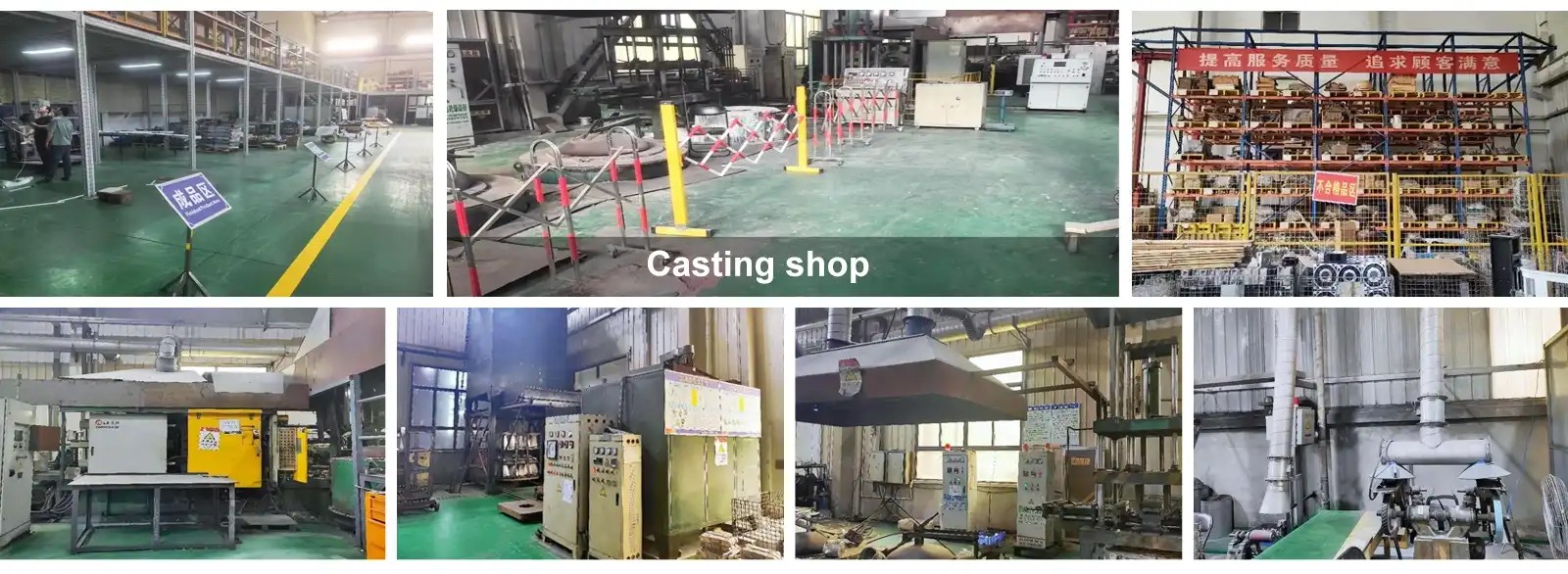
Advantages and Limitations of Sand Casting Aluminium
Key Benefits for Industrial Applications
Because it has so many great benefits, sand casting aluminum is the best choice for many commercial uses. The process is very cost-effective for small to medium-sized production runs because it doesn't require the large investments in tools that are needed for die casting or fixed mold methods. Manufacturing teams can quickly make changes to designs without having to pay a lot of money to change expensive tools. This supports iterative product development and the need for customization.
The main reasons why sand casting aluminum works so well in industrial manufacturing settings are listed below:
• Design Flexibility: Sand molds can make shapes with almost any shape, including complicated internal passages, undercuts, and different wall thicknesses that would not be possible with other casting methods
• Size Versatility: The same basic process can be used to make everything from small precise parts to big structural elements
• Material Compatibility: Sand molds can be used to make different metal alloys, which lets engineers choose the best materials for each job
• Rapid Prototyping: Without spending a lot of money on tools, new ideas can be tried and improved quickly
These benefits make it easier to deal with common problems in manufacturing, like limited budgets, the need for complicated designs, and the need for flexible output schedules. Industries that need unique parts or small amounts of output find that sand casting aluminum is a great way to meet specific technical needs while still staying profitable.
Process Limitations and Quality Considerations
When procurement workers look at different manufacturing choices, they need to keep in mind that sand casting aluminum does have some drawbacks. To get the precise specs needed for high-performance uses, the surface finish quality usually needs more machining or finishing steps. Compared to die casting or made parts, the method usually makes parts with rougher surfaces, which may mean that they need to be worked on again.
When casting aluminum in sand, the size tolerances run from ±0.030 to ±0.125 inches, based on the size and complexity of the part. Even though these tolerances are fine for many uses, key measurements may need to be machined. Because sand casting takes longer to make than high-pressure die casting, it's not as good for making very large quantities of something.
Careful process control and quality assurance measures are needed to make sure that casting flaws like porosity, shrinking, and inclusions don't happen. But skilled makers with the right tools and methods can keep these problems to a minimum by choosing the right metal, keeping an eye on the temperature, and properly preparing the mold.

Aluminium Casting Types and How Sand Casting Fits In
Comprehensive Casting Method Comparison
There are a few different casting methods used in modern metal manufacturing, and each one has its own benefits for different uses and output needs. Procurement experts can make smart choices based on project requirements, volume needs, and price limits when they understand these methods.
Die casting is the most precise and large-volume method. It involves injecting liquid metal into steel molds under very high pressure. This method works great for making complicated, high-precision parts that need to be very accurate in their dimensions and have a smooth surface. However, die casting is only cost-effective for big production runs because it requires a lot of expensive tools.
Permanent mold casting uses metal models that can be used again and again. It works well for making simple shapes in medium quantities. This method gives a smoother surface and more accurate measurements than sand casting, but it needs a modest investment in tools. When making parts with fairly simple shapes and regular output needs, this method works well.
Lost-wax casting, which is another name for investment casting, makes very exact parts with a great finish. This method can handle complicated shapes and close limits, but it takes longer to make things and costs more per part. This makes it good for specific uses that need very high accuracy.
Strategic Casting Method Selection
The choice of aluminum casting method relies on a number of things that procurement teams must carefully consider. Order number has a big effect on the best choice. For example, sand casting is the most cost-effective for small runs, while die casting becomes more cost-effective for larger volumes. Budget concerns go beyond the cost of each part and include investments in tools, setup costs, and the need for extra operations.
The right casting method is usually chosen based on the required tolerances for dimensions. Applications that need tight tolerances may need die casting or investment casting. On the other hand, parts that don't need to be very precise can benefit from the lower cost of sand casting. The choice of casting method and aluminum metal is affected by the mechanical performance needs, such as the need for strength, resistance to fatigue, and exposure to the climate.
Production schedules also play a role in choosing a method. Setting up and making prototypes in sand casting is pretty quick, while die casting takes longer to build the tools but makes parts faster per hour. When considering choices, people who work in procurement have to weigh the time needed for setup against the time needed for ongoing production.
Addressing Aluminium Casting Defects in Sand Casting
Common Defect Types and Root Causes
To ensure the quality of sand-cast aluminum parts, you need to know what problems could happen and take the right steps to stop them. One of the most common problems is porosity, which shows up as small holes in the casting that can weaken its dynamic qualities. This flaw usually happens because gases get stuck during the filling process or the mold design doesn't allow enough air flow.
Shrinkage flaws happen when there isn't enough liquid metal left to make up for the loss of volume during solidification. These flaws usually show up as depressions on the surface or holes inside the rock, especially in thick parts or places where the rock isn't eating well. When two metal fronts meet but don't bond properly, they form cold shuts. These weak lines can cause the part to fail under stress.
Inclusions are outside substances, usually sand bits or oxides, that get stuck inside the casting. These flaws can make mechanical traits much worse and cause places where stress builds up. Surface flaws like rough surfaces, metal that goes through the sand, and differences in size can affect how something looks and how it works.
Defect Prevention and Quality Control Strategies
To successfully stop defects, you need to have full control over the whole process, including choosing the right metal, keeping an eye on the temperature, and getting the mold ready. Choosing the right metal is important for making sure that it has the right fluidity and solidification properties for the job. Temperature control keeps the liquid aluminum in the best pouring range, which stops it from solidifying too quickly and stops it from getting too hot, which can make it absorb more gas.
How the mold is prepared has a big effect on the quality of the end part. The right sand blend makeup, venting design, and coating treatment can help stop many typical problems. Modern producers use organized quality control methods such as checking arriving materials, keeping an eye on process parameters, and testing finished parts.
X-ray checking, acoustic testing, magnetic particle testing, and penetrant testing are all non-destructive testing methods that help find problems with parts before they get to end users. These inspection methods, along with checking the dimensions and testing the mechanical properties, make sure that the parts meet the requirements.
Reputable companies that make aluminum casting products use full quality management systems that prevent defects in a planned way. These systems usually have approved methods, trained workers, properly calibrated tools, and processes for constant improvement that keep quality levels stable and reduce the number of mistakes that happen.
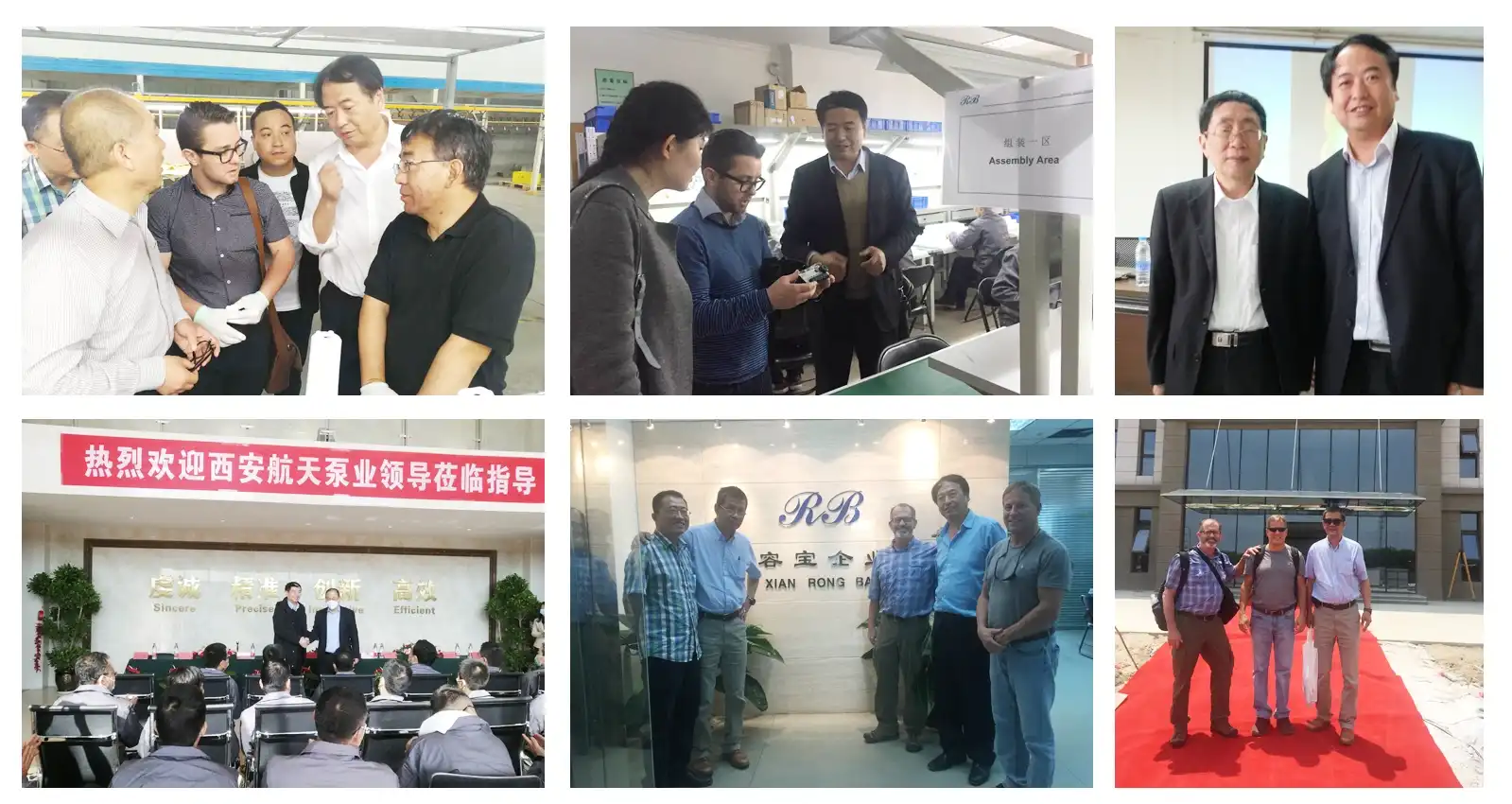
Aluminium Sand Casting Procurement Guide for B2B Clients
Supplier Evaluation and Selection Criteria
For successful aluminum sand casting buying, suppliers must be carefully evaluated based on their production skills, quality certifications, and organizational issues. A manufacturing capability review looks at how much tools can do, how much technical knowledge is available, and how much can be produced. Suppliers should show that they have knowledge with the metal alloys, part sizes, and levels of complexity that are needed for particular jobs.
Quality approvals are very important for showing that a provider is reliable and that the process is being controlled. ISO 9001 recognition shows dedication to quality management systems, while certifications specific to an industry, such as IATF 16949 for car uses or AS 9100 for aerospace parts, show that the company has specialized knowledge. Environmental and safety standards, such as ISO 14001 and ISO 45001, show that responsible manufacturing practices are becoming more and more important to global supply lines.
When judging production capacity, one must look at both current skills and the ability to grow to meet future needs. Suppliers should show that they have enough ability to handle the expected numbers while still meeting quality standards and delivery dates. Logistics prices, lead times, and supply chain risk management are all affected by location, which is why location is a big part of choosing a seller.
Cost Structure and Pricing Dynamics
Aluminum casting prices depend on a lot of different factors that people who work in buying need to know about in order to make good budgets and negotiate with suppliers. The price of materials depends on the type of aluminum alloy used. Premium alloys cost more than normal formulas. Market prices for aluminum change based on supply and demand around the world. Because of this, price increase terms are often included in long-term contracts.
Tooling costs for sand casting are still pretty low compared to die casting. These costs usually cover making the patterns, making core boxes if needed, and setting up the machines for the first time. Tooling costs and per-part prices are both affected by how complicated the part is. Parts with complex shapes need more advanced molding methods. Order numbers have a big effect on unit prices. In general, higher quantities lead to lower per-part costs because they make production more efficient.
The total cost of a component goes up when finishing steps like grinding, surface treatments, and quality tests are done. When comparing seller offers, procurement teams should look at the total cost of ownership, which should include things like shipping, handling costs, and possible quality problems. Even if their unit prices are higher, suppliers who offer value-added services like design optimization, inventory management, and transportation support may offer better total value.
Customization and Technical Support Services
Aluminum sand casting suppliers today offer more and more expert support services that go beyond basic production. Design for manufacturability consulting helps make sure that part designs are the best they can be for casting production. This could lower costs while also raising quality and performance. Prototype development services let you test your idea before committing to full production runs.
For specialized uses, it's common to need custom solutions that deal with specific technology issues. Suppliers with a lot of experience can suggest the best aluminum alloys, suggest changes to the design, and put in place quality control processes that are specifically designed to meet your needs. When compared to transactional supplier relationships that are only about price competition, this expert partnership method often leads to better results.
Conclusion
Sand aluminum casting is a tried-and-true, flexible way to make things that works well in a wide range of industrial settings that need to make complex parts cheaply. The process effectively blends the natural benefits of aluminum, such as its light weight, resistance to corrosion, and excellent mechanical qualities, with the benefits of sand casting, which allows for design customization and cost-effective small to medium-sized batch production. Surface finish and dimensional margins are limited, but these issues can be dealt with by choosing the right provider and keeping an eye on the process. To get the best results for their unique needs, procurement workers should know all the factors that affect choosing a casting method, meeting quality control standards, and evaluating suppliers.
Partner with Rongbao Enterprise for Premium Aluminum Sand Casting Solutions
Rongbao Enterprise delivers comprehensive aluminum casting solutions backed by 20 years of great production and knowledge of the global market. We have ISO 9001, ISO 14001, and ISO 45001 certifications that make sure our quality standards are always the same. We can do high-pressure die casting, low-pressure die casting, gravity casting, and precision milling. Since 70% of our goods are sent to Europe, the United States, and Japan, we know what quality standards are expected around the world. We also keep our prices low by making sure our production processes are as efficient as possible. Our skilled engineers can help you with everything from designing the part to delivering it. They can make molds, treat the surface, and make sure that the exact specs of each part meet your needs. Get in touch with steve.zhou@263.net or zhouyi@rongbaocasting.com to talk about your needs for an aluminum casting source and find out how our approach to integrated production can help your supply chain work better.
FAQ
What aluminum alloys work best for sand casting?
Some common aluminum alloys for sand casting are A356, A319, and A356.2. Each has its own benefits. For car uses, A356 is very strong and easy to cast, and A319 is easy to machine for engine parts. The best alloy relies on the mechanical properties needed, the resistance to corrosion needed, and the finishing needs after casting.
How does sand cast aluminum strength compare to die cast components?
The strength of sand-cast aluminum is usually between 80 and 90% of that of die-cast aluminum. The exact numbers rely on the alloy used and the quality of the casting. While die casting has better mechanical qualities because of the finer grain structure that comes from cooling quickly, sand casting often meets the needs of an application at a much lower cost for the tools used.
What lead times should be expected for aluminum sand casting projects?
Depending on the complexity of the part and the need for special tools, the wait time for the first production run is usually between 2 and 6 weeks. Making a pattern normally takes one to two weeks, and setting up the production and doing the first castings take an extra one to four weeks. Established sellers who know how to handle repeat orders can usually get them to you in one to three weeks.
References
1. Campbell, John. "Castings Practice: The 10 Rules of Castings." Butterworth-Heinemann, 2004.
2. Brown, John R. "Foseco Non-Ferrous Foundryman's Handbook." Butterworth-Heinemann, 1999.
3. Kaufman, J. Gilbert and Elwin L. Rooy. "Aluminum Alloy Castings: Properties, Processes, and Applications." ASM International, 2004.
4. American Foundry Society. "Aluminum Sand Casting Handbook." American Foundry Society, 2018.
5. Davis, Joseph R. "ASM Specialty Handbook: Aluminum and Aluminum Alloys." ASM International, 1993.
6. Shivkumar, S. "Sand Casting of Aluminum Alloys: Process Variables and Defect Formation." Materials Science Forum, 2020.
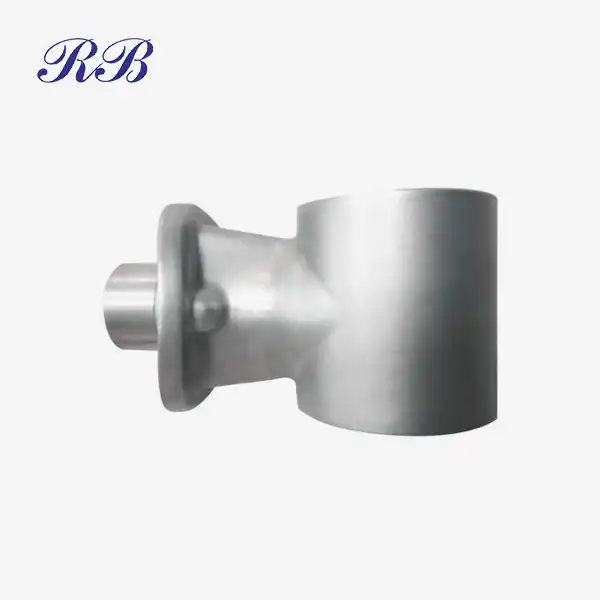
Learn about our latest products and discounts through SMS or email