- English
- French
- German
- Portuguese
- Spanish
- Russian
- Japanese
- Korean
- Arabic
- Greek
- German
- Turkish
- Italian
- Danish
- Romanian
- Indonesian
- Czech
- Afrikaans
- Swedish
- Polish
- Basque
- Catalan
- Esperanto
- Hindi
- Lao
- Albanian
- Amharic
- Armenian
- Azerbaijani
- Belarusian
- Bengali
- Bosnian
- Bulgarian
- Cebuano
- Chichewa
- Corsican
- Croatian
- Dutch
- Estonian
- Filipino
- Finnish
- Frisian
- Galician
- Georgian
- Gujarati
- Haitian
- Hausa
- Hawaiian
- Hebrew
- Hmong
- Hungarian
- Icelandic
- Igbo
- Javanese
- Kannada
- Kazakh
- Khmer
- Kurdish
- Kyrgyz
- Latin
- Latvian
- Lithuanian
- Luxembou..
- Macedonian
- Malagasy
- Malay
- Malayalam
- Maltese
- Maori
- Marathi
- Mongolian
- Burmese
- Nepali
- Norwegian
- Pashto
- Persian
- Punjabi
- Serbian
- Sesotho
- Sinhala
- Slovak
- Slovenian
- Somali
- Samoan
- Scots Gaelic
- Shona
- Sindhi
- Sundanese
- Swahili
- Tajik
- Tamil
- Telugu
- Thai
- Ukrainian
- Urdu
- Uzbek
- Vietnamese
- Welsh
- Xhosa
- Yiddish
- Yoruba
- Zulu
Axial Flow Fan Castings B2B Guide to Wind Performance Sourcing
When sourcing industrial fan components, buyers face mounting pressure to secure parts that deliver reliable performance without sacrificing cost efficiency. Cast axial flow fan accessories serve as the backbone of ventilation systems in energy generation, HVAC installations, and heavy industrial environments where consistent airflow determines operational success. Procurement managers, technical engineers, and supply chain directors all recognize that selecting the right casting partner directly influences equipment uptime, maintenance budgets, and long-term project viability. Material composition, manufacturing precision, and supplier certification standards emerge as non-negotiable factors in vendor evaluation. Navigating global supply chains requires understanding not only technical specifications but also logistical capabilities, quality assurance protocols, and the ability to scale production according to demand fluctuations.
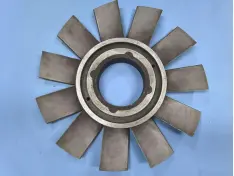
Understanding Axial Flow Fan Castings and Accessories
Core Components and Material Considerations
Axial flow fan systems depend on a lot of cast axial flow fan accessories working together well. Different parts of an air conditioner, like the impeller blades, diffuser casings, mounting clamps, and motor housings, work together to move air and handle heat and pressure. Because it is so strong for how light it is, A356 aluminum alloy has become the material of choice for wind turbines. Typical parts weigh about 21 kg but can still hold their shape while being rotated continuously. This alloy is better at resisting rust than regular cast iron, which makes it perfect for use outside where it will be exposed to water and high temperatures.
The Role of Precision Casting Processes
Precision measurements are needed for high-performance fan accessories, and pressure die casting gives them. Under high pressure, this method presses liquid aluminum into steel moulds. The parts it makes have tight tolerances that mean they don't need a lot of extra machining. CNC machining smooths out important areas so that they fit perfectly with motor shafts and fixing structures. After that, shot blasting is used to get rid of any impurities on the surface and get the parts ready for protective coatings, which will make them last longer in harsh environments. When these steps are put together during production, they make tools that stay balanced during high-speed spinning. This lowers vibrations that could cause bearings to fail early or structures to wear out.
Enhancing Airflow Performance through Optimal Castings and Accessories
Material Properties and Efficiency Gains
The choice of A356 aluminum alloy has a direct effect on how well cast axial flow fan accessories resist wind resistance. When the machine starts up, lighter blades move faster, which uses less energy during operational changes. The thermal conductivity of the metal helps get rid of the heat that is made by friction, keeping the working temperature at the best level to avoid problems caused by thermal expansion. Compared to heavier ferrous materials, aluminum parts make the whole system up to 40% lighter. This means that less structural support is needed and foundation costs are lower for wind turbine installations.
Quality Standards and Performance Assurance
Companies that have ISO9001:2015 approval show that they are dedicated to maintaining quality control throughout the whole production process. Being compliant with ISO14001 means that you care about the environment when you buy materials and deal with waste. ISO45001, on the other hand, talks about safety rules for the workplace that cut down on mistakes made by operational hazards. These certifications give purchasing teams solid proof of a supplier's skills, which lowers the chance of getting low-quality parts that could hurt the performance of the system. When sales hit 5,000 units, batch consistency is very important because even small differences can cause installation delays and problems with compatibility on multiple project sites.
Comparative Analysis of Axial Flow Fan Accessories for B2B Buyers
Material Trade-offs and Application Suitability
When weight is important, cast axial flow fan accessories made of aluminum alloy are clearly better than steel alternatives. A 21 kg aluminum propeller can be used instead of a 35 kg steel one without lowering the structure's strength. This lets the motor go faster and with less load. But steel parts are better at withstanding impacts in places where there is airborne debris or when they are being handled for maintenance. Buyers need to compare these things to practical aspects like rotational speed, temperature ranges, and how often the machine is expected to be serviced. Engineers can change blade profiles, hub setups, and mounting connections without having to retool whole production lines when they need to meet specific application needs.
Cost Analysis and Total Ownership Considerations
The cost per unit of precision-cast aluminum parts shows how hard it is to do the pressure die casting and CNC finishing. Even though the starting costs may be higher than those of simpler gravity-cast options, the longer service life and lower maintenance needs make it a better deal over a number of years. When things are shipped internationally, wooden boxes protect fragile surfaces from damage that could lead to expensive replacements or fixes in the field. If you compare providers based on delivered cost instead of FOB price, you can see how shipping methods, customs handling, and packaging quality really affect the total cost of purchase.
Practical Guide to Procuring Axial Flow Fan Castings and Accessories
Supplier Evaluation Criteria
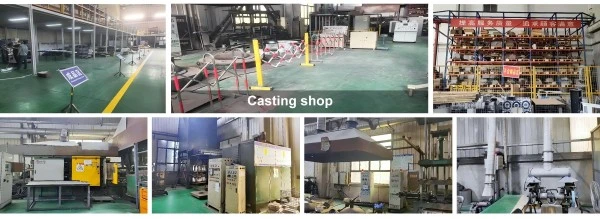
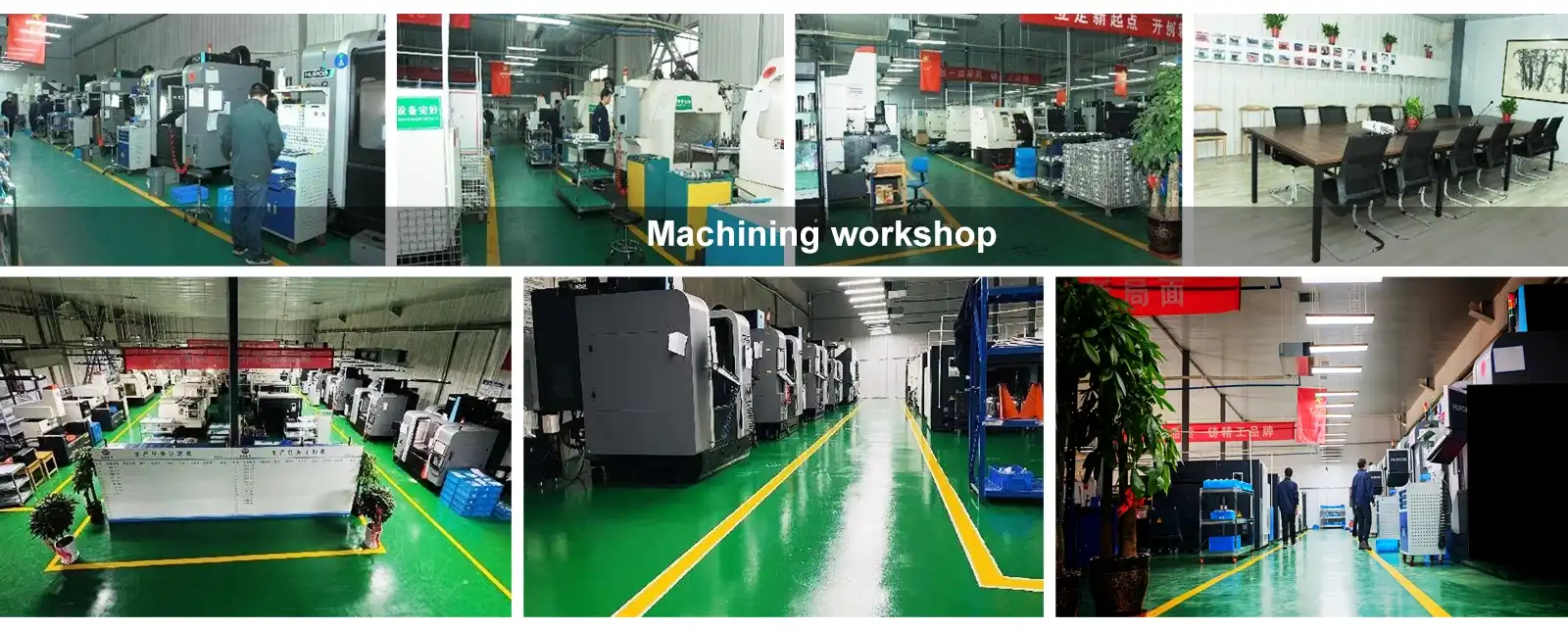
To choose a good provider for cast axial flow fan accessories, you should first look at how well they can make things along the whole production chain. Facilities that give integrated services, from mould creation to surface treatment, make it easier to keep track of quality and solve problems faster by giving one point of responsibility. When project deadlines call for delivering thousands of units in a short amount of time, production ability becomes very important. When suppliers use automated equipment and standard work processes, they can keep quality consistent across large batches, which doesn't happen in manual production settings as often. Lead times are affected by where the manufacturer is located. Manufacturers in Xi'an can offer competitive shipping routes to both Asian and Western markets through well-established logistics networks.
Technical Requirements and Customization Options
Through OEM and ODM partnerships, buyers can specify exact tolerances for dimensions, finishes on the surface, and mechanical properties that are specific to their own designs. Working with foundries that have experience with wind turbines is good for technical engineers, since the physics and spinning balance of the blades have a direct effect on how well the energy is converted. Before finalising big orders, procurement managers should ask for material approvals, measurement inspection reports, and data from non-destructive testing. Setting up clear ways for internal engineering teams and supplier technical staff to talk to each other stops misunderstandings that could lead to extra work that costs a lot or delays in the project.
Logistics and Quality Verification
When you buy things from other countries, things like sending paperwork, clearing customs, and getting inspection rules become more complicated. Packaging in wooden crates meets ISPM 15 standards for international phytosanitary treatment, which keeps shipments from being held up at border points. Before the goods leave the plant, quality engineers should set acceptance standards based on tolerances for size, surface finish, and the need for mechanical tests. Independent third-party testing services make sure that rules are followed, which gives buyers trust in the quality of the product before they pay for it. Building long-term ties with dependable providers cuts down on the need to carefully check each shipment, which lowers total procurement costs while keeping quality standards high.
Conclusion
When looking for cast axial flow fan accessories, you need to think about the qualities of the materials, how well the suppliers can make them, and how reliable they are. Pressure die casting and CNC machining are used to make parts out of an aluminum alloy called A356 that are precise and long-lasting enough for use in wind turbines. Certification to ISO9001, ISO14001, and ISO45001 standards shows that a company is serious about quality control, protecting the environment, and following safety rules at work. Buyers who care more about the total cost of ownership than the original unit price know the value of parts that are made to last longer and need less upkeep. By teaming up with makers that offer customisation options, flexible production capacity, and thorough quality control systems, buying teams can meet the needs of current projects while also making the supply chain more flexible for future growth.
FAQ
What factors should I prioritize when sourcing cast axial flow fan accessories?
The dependability of a component depends on the materials used, the accuracy of the production process, and the certifications of the suppliers. Pressure die casting makes sure that the dimensions are exact, which is important for high-speed spinning, and A356 aluminum alloy has a better strength-to-weight ratio than other casting materials. Check to see if the suppliers you're considering have the latest ISO9001:2015 quality management certification, as well as safety and environmental certifications for your cast axial flow fan accessories.
How do I verify the quality of large batch orders?
Before production starts, make sure there are clear acceptance standards that include limits for size and shape, requirements for surface finish, and tests of mechanical properties. Ask for certifications of the materials, records of dimensional inspections, and photos that show the quality of the packing. Third-party inspection services offer independent confirmation, which is especially helpful when buying 5,000 pieces or more and making sure that each batch is the same.
What customization options are available for specialized applications?
Manufacturers with a good reputation offer OEM and ODM services that let you change the profiles of the blades, the configurations of the hubs, the mounting interfaces, and the surface treatments. Custom specifications can meet specific operational needs without having to buy all new tools, as long as the design changes can be made with existing CNC machining centers and pressure die casting equipment.
Partner with Rongbao Enterprise for Reliable Cast Axial Flow Fan Accessories
Rongbao Enterprise has been casting for twenty years and helps clients in the energy sector, the automotive industry, construction equipment, and industrial machinery find reliable suppliers of cast axial flow fan accessories. Our Xi'an plant combines shot blasting, CNC machining, and pressure die casting under quality systems that are ISO9001:2015, ISO14001, and ISO45001 certified. This makes sure that the output is uniform for production runs of more than 5,000 units. We are experts at making A356 aluminum alloy parts for wind turbines. The 21 kg castings we make are very light and meet exacting mechanical and dimensional requirements. Our full-chain production skills get rid of the need for multiple vendors to coordinate, and the wooden boxes that we ship them in protect the precision surfaces during international shipping. Technical teams work directly with your engineers to make ideas more easily made, which cuts down on development time and the cost of tools. Steve Zhou can be reached at steve.zhou@263.net or zhouyi@rongbaocasting.com to talk about custom specifications, get samples, or get detailed quotes for your next project. Let us show you how combined casting solutions improve the stability of the supply chain and the efficiency of operations.
References
- American Foundry Society. (2023). "Aluminum Casting Alloy Selection for Industrial Applications." AFS Technical Publication Series.
- International Organization for Standardization. (2022). "ISO9001:2015 Quality Management Systems – Requirements and Implementation Guidelines." ISO Standards Catalog.
- Wind Energy Technologies Office. (2023). "Materials Engineering for Wind Turbine Components." U.S. Department of Energy Technical Report.
- Society of Manufacturing Engineers. (2024). "Precision Die Casting: Process Optimization and Quality Control." SME Manufacturing Handbook.
- National Institute of Standards and Technology. (2023). "Dimensional Tolerance Standards for Cast Components in Rotating Equipment." NIST Engineering Laboratory Publication.
- Industrial Ventilation Association. (2024). "Axial Flow Fan Performance Standards and Component Specifications." IVA Technical Guidelines Series.
Learn about our latest products and discounts through SMS or email