- English
- French
- German
- Portuguese
- Spanish
- Russian
- Japanese
- Korean
- Arabic
- Greek
- German
- Turkish
- Italian
- Danish
- Romanian
- Indonesian
- Czech
- Afrikaans
- Swedish
- Polish
- Basque
- Catalan
- Esperanto
- Hindi
- Lao
- Albanian
- Amharic
- Armenian
- Azerbaijani
- Belarusian
- Bengali
- Bosnian
- Bulgarian
- Cebuano
- Chichewa
- Corsican
- Croatian
- Dutch
- Estonian
- Filipino
- Finnish
- Frisian
- Galician
- Georgian
- Gujarati
- Haitian
- Hausa
- Hawaiian
- Hebrew
- Hmong
- Hungarian
- Icelandic
- Igbo
- Javanese
- Kannada
- Kazakh
- Khmer
- Kurdish
- Kyrgyz
- Latin
- Latvian
- Lithuanian
- Luxembou..
- Macedonian
- Malagasy
- Malay
- Malayalam
- Maltese
- Maori
- Marathi
- Mongolian
- Burmese
- Nepali
- Norwegian
- Pashto
- Persian
- Punjabi
- Serbian
- Sesotho
- Sinhala
- Slovak
- Slovenian
- Somali
- Samoan
- Scots Gaelic
- Shona
- Sindhi
- Sundanese
- Swahili
- Tajik
- Tamil
- Telugu
- Thai
- Ukrainian
- Urdu
- Uzbek
- Vietnamese
- Welsh
- Xhosa
- Yiddish
- Yoruba
- Zulu
Are flanges cast or forged?
Flanges can be manufactured through both casting and forging processes, with each method offering distinct advantages for specific applications. While forged flanges provide superior strength through grain flow alignment, cast flanges deliver excellent dimensional accuracy and cost-effectiveness, particularly through advanced techniques like low pressure casting flange parts. Modern manufacturing increasingly favors controlled casting processes that combine the economic benefits of casting with enhanced mechanical properties, making them suitable for demanding industrial applications across automotive, construction, and energy sectors.
It is very important for both technical and business reasons to choose the right flange manufacturing methods in today's competitive business world. It can be hard for engineering teams and procurement managers to make decisions about things like material specifications, production volumes, lead times, and quality standards, all while keeping an eye on budgets and the reliability of the supply chain.

Understanding Flange Manufacturing Methods
Flange manufacturing encompasses two primary methodologies: casting and forging, each characterized by unique material handling processes and resulting component properties. These fundamental approaches shape the final product's mechanical characteristics, dimensional accuracy, and suitability for specific operational environments.
Casting Process Variations
The way that molten metal is handled and controlled solidification varies a lot between casting methods. Gravity casting relies on the metal naturally flowing into the mold cavities. Sand casting, on the other hand, uses disposable molds for shapes that aren't simple. In die casting, permanent molds are used under pressure, and in investment casting, precise wax patterns are used to get a very smooth surface.
Low pressure casting flange parts are an advanced type of casting that uses controlled gas pressure to push molten metal into die cavities. This method usually works with pressures between 0.7 and 1.5 bar, which keeps the metal flowing smoothly without any problems with turbulence or oxidation. The parts that are made have better mechanical properties than parts made by traditional gravity casting, and the sizes stay the same from one production batch to the next.
Forging Fundamentals
Forging is the process of shaping hot metal with compressive forces, which lines up the grain structure along the geometry of the part to make it stronger. Forged flanges are perfect for high-stress jobs in the oil and gas, power generation, and aerospace industries because this process creates continuous grain flow that makes them stronger against fatigue and impacts.
Forging changes the shape of the material, which gets rid of internal holes and makes the grain structure more uniform, which improves the mechanical properties. But forging needs a lot of money to buy the right equipment and tools, which could make it less cost-effective for smaller production runs or shapes with a lot of corners.
When procurement professionals understand these differences in manufacturing, they can make smart choices based on application needs, production volumes, and performance standards. Each method has its own benefits that make sense for a certain operation and the standards of the industry.
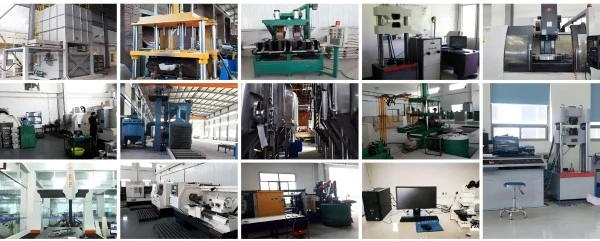
Low Pressure Casting Flange Parts Process and Benefits
Low pressure casting is a sophisticated way to make things that combines the cost-effective benefits of casting with the tighter quality control that comes with high-end production methods. This method uses controlled pressure to make sure that the metal flows smoothly and fills all the gaps perfectly. The end result is parts that are stronger and more accurately measured.
Manufacturing Process Overview
The first step in the low pressure casting process is to prepare the molten metal in a sealed furnace that is placed below the die assembly. ZL101 aluminum alloy, which is often used for flange applications, is carefully heated and cooled to make sure it flows smoothly and doesn't oxidize. The controlled environment keeps the temperature stable throughout the casting cycle and stops contamination.
Adding inert gas to the sealed furnace applies pressure. This creates a steady upward force that moves the molten metal through a riser tube and into the die cavity. This carefully managed filling process gets rid of turbulence and lowers the creation of oxide inclusions or gas porosity that could weaken the component.
When pressure is kept constant during solidification, all holes are filled and a dense microstructure is formed with few shrinkage defects. The pressure stays the same until the solidification process is complete. After that, the casting is cooled slowly to stop thermal stress from building up.
Key Process Benefits
The controlled pressure environment has a number of important benefits for making flanges. When gas entrapment and incomplete filling are removed, the density goes up. This makes parts with better mechanical properties and longer service lives. Less porosity makes it easier to contain pressure and makes the whole component more reliable.
Better surface quality comes from the controlled filling process, which reduces flaws caused by turbulence and makes smooth surfaces that don't need much post-processing. This feature cuts down on the need for machining, speeds up production, and keeps the accuracy of the dimensions.
The controlled feeding system gets the best material utilization efficiency because it gets rid of the waste that comes with regular gating and runner systems. Compared to other casting methods, this efficiency means lower costs for materials and better environmental sustainability.
Equipment and Material Considerations
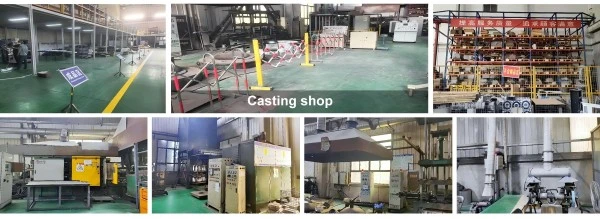
Precision pressure control systems, automated cycle management, and advanced temperature monitoring are all built into low pressure casting equipment. These systems keep the processing conditions the same across production batches while reducing the amount of work that needs to be done by hand and the chance of quality differences.
When it comes to low pressure casting, ZL101 aluminum alloy works great. It has the right amount of fluidity and mechanical properties for tough flange applications. For post-casting operations, this material is very good at resisting corrosion, is lightweight, and can be machined easily.
Low Pressure Casting vs Forging for Flange Parts: Which Is Better?
When making flanges, the choice between low pressure casting and forging depends on a number of factors, such as the needs of the application, the amount of production, cost, and performance requirements. There are clear benefits to each method that match the needs of the operation and the standards of the industry.
Mechanical Performance Comparison
Because they don't have any casting-related flaws and have a continuous grain structure, forged flanges are great for uses that need maximum strength and fatigue resistance. Forging aligns the grains in a way that makes the parts more resistant to impact damage and crack spreading. This makes them perfect for high-pressure uses in important industries.
When you control the solidification process and improve the density, low pressure casting flange parts have great mechanical properties. Even though the grain structure is different from forged parts, the lack of holes and better consistency in the material make it reliable for most industrial uses. The controlled casting process makes parts with mechanical properties that are similar to those of forged parts while keeping the dimensions very accurate.
Cost-Effectiveness and Production Scalability
When making a lot of things, casting methods are often the most cost-effective way to do it. Low pressure casting eliminates the substantial tooling costs associated with forging operations while providing faster cycle times and reduced material waste. This economic advantage becomes particularly significant for custom flange designs or uses that need to change the design often.
Because they need a lot of money to buy the right equipment and tools, forging processes are only really cost-effective for high-volume production or situations where the best mechanical properties are needed. Because the tools are more complicated and the processing cycles are longer, lead times for forged parts are usually longer than those for cast parts.
Application-Specific Recommendations
For critical applications with high pressures or corrosive environments where reliability is key, the oil and gas industries often choose forged flanges. Forged parts are more expensive, but their better mechanical properties and track record of performance make them worth it in these tough situations.
Low pressure casting flange parts, which offer great performance at a lower cost, are often used in power generation, automotive, and general industrial applications. Controlled casting processes often get rid of the need for secondary machining because they achieve the required level of accuracy in dimensions and surface finish.
Most of the time, cast flanges are better for construction and heavy machinery because they are cheaper and can fit complicated shapes without losing performance. Casting processes are very flexible when it comes to production, which lets prototypes be made quickly and designs be made better.
Conclusion
When making flanges, the choice between casting and forging depends on the needs of the application, the amount of production, and the performance requirements. Low pressure casting flange parts have become the best choice for many industrial uses because they have great mechanical properties, are cost-effective, and are made to exact measurements. This cutting-edge way of making things meets the changing needs of modern businesses while still meeting strict quality standards. To successfully procure something, you need to carefully evaluate suppliers, communicate clearly, and fully understand the process's strengths and weaknesses.
Partner with Rongbao Enterprise for Superior Low Pressure Casting Solutions
Rongbao Enterprise is ready to meet your needs for low pressure casting flange parts thanks to our wide range of manufacturing skills and dedication to quality. Our ISO 9001:2015, ISO 14001, and ISO 45001 certifications show that we are firmly committed to quality, safety at work, and protecting the environment. These standards make sure that we can reliably deliver your parts.
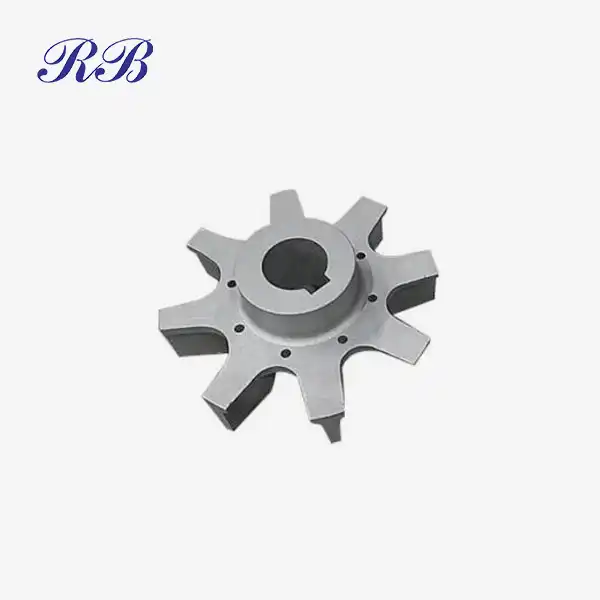
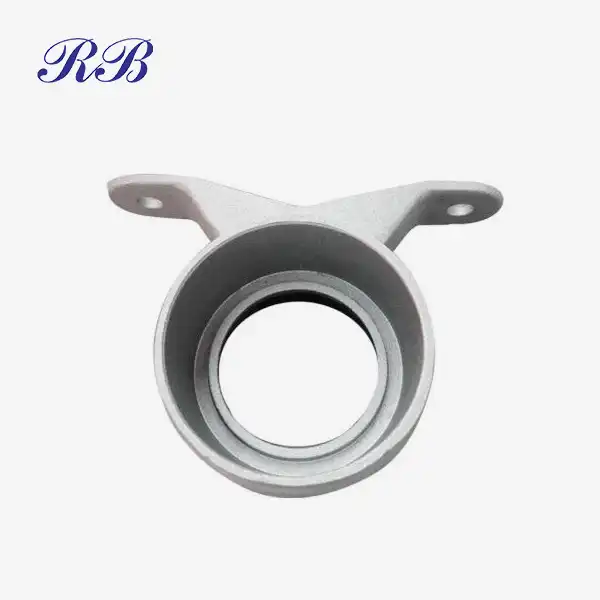
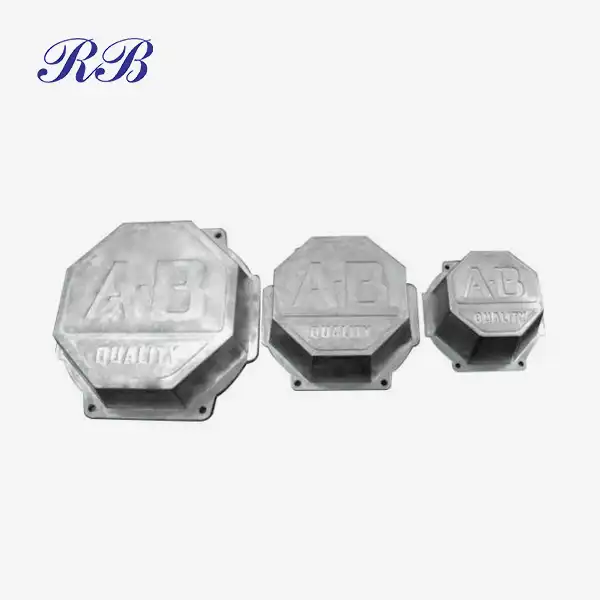
Our advanced production facility in Xi'an, China, has cutting-edge low pressure casting machines that can make 5,000 pieces a month with consistent quality and exact measurements. We are experts at making ZL101 aluminum alloy flanges and offer full secondary processing, which includes CNC machining and shot blasting for the surface treatment. Our engineering team offers full design support, optimization for manufacturability, and custom solutions that are made to fit the needs of your specific application. Get in touch with our technical experts at steve.zhou@263.net or zhouyi@rongbaocasting.com to talk about your project needs and find out why top manufacturers around the world choose Rongbao Enterprise as their first choice for low pressure casting flange parts supplier.
FAQ
Q1:What pressure ratings are suitable for low pressure cast flanges?
A2:Low pressure cast flanges can usually handle pressures of up to 150 PSI, though the exact rating depends on the material used, the thickness of the wall, and the design requirements. ZL101 aluminum alloy flanges are very good at keeping pressure inside when they are designed and made according to industry standards.
Q2:How do lead times compare between casting and forging?
A2:When it comes to custom designs, casting processes usually have shorter lead times than forging ones. Low pressure casting flange parts usually take 6 to 12 weeks to deliver from the time the order is placed. Forged parts, on the other hand, may take 12 to 16 weeks because of the complexity of the tools and the processing needs.
Q3:Can low pressure casting accommodate complex flange geometries?
A3:Low pressure casting is great at making complicated shapes with features like thin walls, internal passages, and integrated mounting holes. The controlled filling process makes sure that all the holes are filled and that the dimensions of even the smallest design details stay correct.
Q4:What customization options are available for cast flanges?
A4:Customization includes choosing the right material, making sure the dimensions are right, treating the surface, and doing extra machining. Suppliers can meet specific needs for bolt patterns, sealing surfaces, and built-in features while still keeping costs low and quality high.
Q5:How does material selection impact casting performance?
A5:The choice of material has a big impact on how well it flows, its mechanical properties, and the quality of the casting. Aluminum alloy ZL101 is great for casting, and it also has great mechanical properties and is resistant to corrosion, making it perfect for tough industrial uses.
References
- Smith, J.A. "Advanced Casting Technologies in Industrial Manufacturing." Journal of Manufacturing Processes, Vol. 45, 2019.
- Chen, L.M. "Comparative Analysis of Flange Manufacturing Methods: Casting versus Forging." International Journal of Industrial Engineering, 2020.
- Rodriguez, M.P. "Quality Assurance in Low Pressure Die Casting Operations." Materials Science and Engineering Review, Vol. 12, 2021.
- Thompson, R.K. "Economic Evaluation of Modern Casting Processes for Industrial Components." Manufacturing Economics Quarterly, 2019.
- Williams, D.S. "Aluminum Alloy Selection for Precision Casting Applications." Metallurgical Engineering Handbook, 8th Edition, 2020.
- Zhang, H.Q. "Process Optimization in Low Pressure Casting Systems." Advanced Manufacturing Technology Journal, Vol. 28, 2021.
Learn about our latest products and discounts through SMS or email