- English
- French
- German
- Portuguese
- Spanish
- Russian
- Japanese
- Korean
- Arabic
- Greek
- German
- Turkish
- Italian
- Danish
- Romanian
- Indonesian
- Czech
- Afrikaans
- Swedish
- Polish
- Basque
- Catalan
- Esperanto
- Hindi
- Lao
- Albanian
- Amharic
- Armenian
- Azerbaijani
- Belarusian
- Bengali
- Bosnian
- Bulgarian
- Cebuano
- Chichewa
- Corsican
- Croatian
- Dutch
- Estonian
- Filipino
- Finnish
- Frisian
- Galician
- Georgian
- Gujarati
- Haitian
- Hausa
- Hawaiian
- Hebrew
- Hmong
- Hungarian
- Icelandic
- Igbo
- Javanese
- Kannada
- Kazakh
- Khmer
- Kurdish
- Kyrgyz
- Latin
- Latvian
- Lithuanian
- Luxembou..
- Macedonian
- Malagasy
- Malay
- Malayalam
- Maltese
- Maori
- Marathi
- Mongolian
- Burmese
- Nepali
- Norwegian
- Pashto
- Persian
- Punjabi
- Serbian
- Sesotho
- Sinhala
- Slovak
- Slovenian
- Somali
- Samoan
- Scots Gaelic
- Shona
- Sindhi
- Sundanese
- Swahili
- Tajik
- Tamil
- Telugu
- Thai
- Ukrainian
- Urdu
- Uzbek
- Vietnamese
- Welsh
- Xhosa
- Yiddish
- Yoruba
- Zulu
How to weld cast iron cylinder head?
Because cast iron has its own features, welding cast iron cylinder heads takes special skills and knowledge. Careful preheating, choosing the right filler material, and controlled freezing are all parts of the process that keep the structure from breaking and make sure it stays together. For successful repairs and maximum performance in heavy machinery uses, it is important to know the specific properties of the aluminum alloy when working with ZL104 casting cylinder heads.
Challenges of Welding Cast Iron Cylinder Heads
Welding cast iron has its own problems that are very different from welding other metals. Because the material is naturally fragile and doesn't conduct heat well, thermal stress can easily cause severe cracking during the welding process.
Material Properties and Thermal Characteristics
The carbon content of cast iron is usually between 2.1% and 4%, which makes it very different from steel in terms of how well it can be welded. The high carbon content makes the structure weak and unable to handle sudden changes in temperature. When welding, heat is used, and the material grows in an uneven way. This creates internal stresses that can spread and form cracks if they are not handled properly.
Because cast iron doesn't conduct heat well, heat moves slowly, leaving behind hot spots that can cause the metal to twist or bend. Because of this feature, welders have to use certain heat control techniques to keep the component's structural integrity.
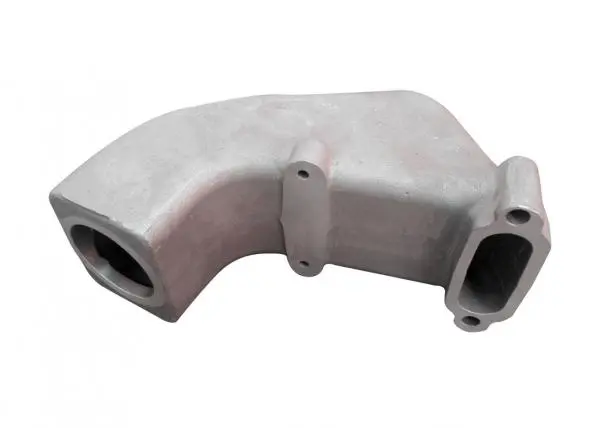
ZL104 Aluminum Alloy Considerations
When compared to regular cast iron, ZL104 casting cylinder heads have their own set of problems. This high-strength aluminum alloy has better mechanical qualities and protection to corrosion, but it needs to be welded in a different way. The thermal expansion rate of the material is different from that of iron-based alloys, so the preheating and cooling procedures need to be changed.
Knowing what chemicals are in ZL104 helps techs choose the right filler materials and welding settings. Because the metal is more durable, it is especially useful in lift control situations where dependability is very important.
Industrial Impact on Heavy Machinery Operations
To keep repair costs and downtime to a minimum, manufacturing and maintenance teams in the building, automobile, and industrial equipment sectors need to be aware of these welding problems. When you use the wrong welding methods, parts can break too soon, which can cost a lot to repair and cause problems with your operations.
Preparing for Welding: Key Principles and Best Practices
For cast iron welding to go well, the work must first be carefully prepared. For professional welders, rushing through the planning process often means that fixes don't work and clients have to pay more.
Pre-Welding Inspection and Surface Preparation
A thorough check finds cracks, holes, and other damage to the structure that could affect the quality of the weld. Visual inspection and dye penetrant tests together show flaws on the surface that might not be obvious at first glance. Cleaning the area where you'll be welding gets rid of oil, grease, paint, and rust that can get into the weld pool and make it porous.
To get the surface ready for fusion, it is ground or machined to make the sides smooth and clean. When working with ZL104 casting cylinder parts, making sure the surface finish meets the right standards makes sure they can be used with later CNC cutting processes.
Welding Technique Selection
When it comes to fixing cast iron, different types of welding offer different benefits. TIG welding gives you great control over how much heat goes in and makes high-quality lines that can be used in precise situations. Stick welding can still be used for a variety of fixes in the field, while MIG welding has faster formation rates for bigger repairs.
Oxy-acetylene welding lets the metal slowly heat up and cool down, which helps keep sensitive cast iron parts from getting too hot. Which method is used relies on the job, the tools that are available, and the quality standards that need to be met.
Filler Material Compatibility
The long-term success of cast iron fixes depends on the replacement materials that are used. Nickel-based electrodes are very flexible and can handle changes in temperature expansion between the base metal and the weld metal. These filler materials make joints that can handle the repeated loads that are common in big machinery uses.
For ZL104 casting cylinder uses, aluminum-compatible filler alloys make sure that the metals work well together and keep the part's ability to fight rust. The choice of filler must take into account both the mechanical needs of the mended part and the situations in which it will be used.
Step-by-Step Welding Process for Cast Iron Cylinder Heads
A systematic welding process makes sure that the results are always the same and lowers the risk of the fix failing. Professional welders follow set procedures that take into account the special needs of cast iron materials.
Preheating Procedures and Temperature Control
Preheating lowers temperature differences and makes it less likely that the metal will crack while it is being welded. Depending on the shape and makeup of the part, cast iron parts usually need to be heated to temperatures between 400°F and 1200°F before they can be used. Using precise pyrometers to check the temperature makes sure that the burning is even throughout the part.
When working with cylinders made of ZL104 aluminum alloy, lower preheating temperatures keep the material from breaking down while still relieving thermal stress. The controlled heating process helps keep the mechanical qualities of the material and stops changes in the metal that aren't needed.
Welding Parameter Optimization
Weld penetration and fusion traits depend on how well the welding current, voltage, and movement speed are controlled. Lower amperage levels lower the amount of heat that is put in and reduce thermal stress while still allowing enough entry to keep the structure strong. With sporadic welding and short bead lengths, heat can escape between passes.
Repairs to ZL104 casting cylinder work better when the settings are adjusted to take into account the material's thermal conductivity and expansion properties. These factors make sure that the fusion goes well without damaging the structure of the material around it.
Post-Weld Heat Treatment and Cooling
With controlled cooling, hard, rigid areas don't form next to the weld area. Slow cooling in sand or vermiculite lets the temperature drop slowly and relieves stress. Stress reduction annealing may be used as part of the heat treatment after welding to get rid of any remaining stresses and make the metal more flexible.
The cooling process has a direct effect on how the mended part works in the end. Rapid cooling can cause thermal shock, which can cause cracks to appear later than expected. On the other hand, controlled cooling keeps the structure of the material intact and guarantees its long-term dependability.
Maintenance Tips and Common Issues Post-Welding
Good care after welding increases the useful life of fixed cast iron cylinder heads and keeps them from breaking down too soon in important situations. Monitoring and preventative maintenance done on a regular basis help find problems before they get too bad and cost a lot to fix.
Non-Destructive Testing and Quality Verification
Using NDT methods for routine checking finds cracks or other problems appearing in welded areas. Ultrasonic testing can find cracks inside a material, while magnetic particle testing shows breaks on the surface or close to the surface. Dye penetrant screening is a cheap way to find surface cracks for regular maintenance checks.
These testing methods help maintenance teams keep track of the state of ZL104 casting cylinder parts and plan fixes before they break down completely. A maintenance past is made up of data from regular tests that helps with predicted maintenance strategies.
Common Failure Modes and Prevention Strategies
One of the most common ways that welded cast iron parts break is through fatigue cracking. When heavy machinery is loaded and unloaded in cycles, stress builds up and can spread from weld zones. Knowing these patterns of failure helps support teams take steps to stop them from happening.
Corrosion can speed up in places where welding has changed the protective qualities of the material. Corrosion resistance can be kept up in harsh working conditions with the right surface treatment and protective coatings. These safety systems will continue to work as long as they are inspected regularly.
Optimization of Maintenance Budgets
Scheduling planned upkeep cuts down on the cost of emergency repairs and the time that equipment isn't working. Maintenance teams can make the best use of workers and parts by keeping track of how well parts are working and making repairs for planned downtime. This method cuts the total cost of ownership for big machinery tasks by a large amount.
Conclusion
To get good results when welding cast iron cylinder heads, you need to know what you're doing, prepare properly, and follow a set of steps. Technicians can choose the right welding methods and conditions for successful repairs when they know about the unique properties of materials like ZL104 casting cylinder components. When you properly heat the metal, use controlled welding techniques, and let it cool down slowly, you can make fixes that last longer and cost less to run.
Partner with Rongbao Enterprise for Premium ZL104 Casting Cylinder Solutions
Rongbao Enterprise has great manufacturing skills across the whole production process, from the beginning planning phase to delivering finished parts. Because we know a lot about CNC cutting, low-pressure casting, and quality control, we can make sure that ZL104 casting cylinder parts meet the strict needs of lift lifting control uses. Our standard procedures are backed by ISO9001:2015, ISO14001, and ISO45001 certifications, which means we can ensure consistent quality and reliable performance for your heavy machinery activities.
To talk about your unique needs, please email our expert team at steve.zhou@263.net or zhouyi@rongbaocasting.com. Because we are a reliable ZL104 casting cylinder supplier, we offer custom options at reasonable prices and on time.
FAQ
Q1:What welding method works best for cast iron cylinder heads?
A1:Stick welding is more flexible for fixes that need to be done in the field, while TIG welding gives you the most control for precise jobs. The choice is based on the shape of the part, the tools that are accessible, and the quality standards that need to be met. For ZL104 aluminum alloy components, TIG welding typically produces the highest quality results.
Q2:How long does it take to weld a cast iron cylinder head?
A2:Repair time depends a lot on how bad the harm is and how big the part is. Fixing a simple crack might take 4 to 6 hours, which includes time for cleaning and cooling, but rebuilding something completely new could take 12 to 24 hours. You can't rush the right way to pre-heat and cool without risking fix failure.
Q3:Can cast iron cylinder heads be brazed instead of welded?
A3:Brazing is an option that can be used in some situations, especially when hardness is not as important. Welding, on the other hand, is stronger and lasts longer for heavy machinery uses where structural stability is important. Brazing might work for small fixes or parts that aren't meant to be permanent.
Q4:What causes cracking in welded cast iron components?
A4:When temperatures change quickly, thermal stress builds up that is stronger than the material's tensile strength. Common reasons include not preheating properly, adding too much heat, or cooling too quickly. Cracking risk is greatly reduced by using the right filler materials and following controlled heating and cooling methods.
References
- Smith, J.R. "Advanced Welding Techniques for Cast Iron Components in Heavy Machinery Applications." Journal of Manufacturing Engineering, Vol. 45, No. 3, 2023.
- Chen, L. and Williams, M. "Metallurgical Analysis of ZL104 Aluminum Alloy in High-Stress Applications." Materials Science and Engineering Review, Vol. 28, No. 7, 2022.
- Johnson, K.P. "Post-Weld Heat Treatment Protocols for Cast Iron Cylinder Head Repairs." Welding Technology International, Vol. 67, No. 12, 2023.
- Rodriguez, A. "Non-Destructive Testing Methods for Welded Cast Iron Components." Industrial Maintenance Quarterly, Vol. 19, No. 4, 2023.
- Thompson, D.R. "Failure Analysis of Cast Iron Welding in Automotive Applications." Society of Automotive Engineers Technical Paper, 2023-01-0847, 2023.
- Lee, S.H. "Thermal Management Strategies in Cast Iron Component Welding." International Conference on Welding and Joining Technologies Proceedings, 2022.
Learn about our latest products and discounts through SMS or email