Core Material Properties
Structural Integrity and Weight Considerations
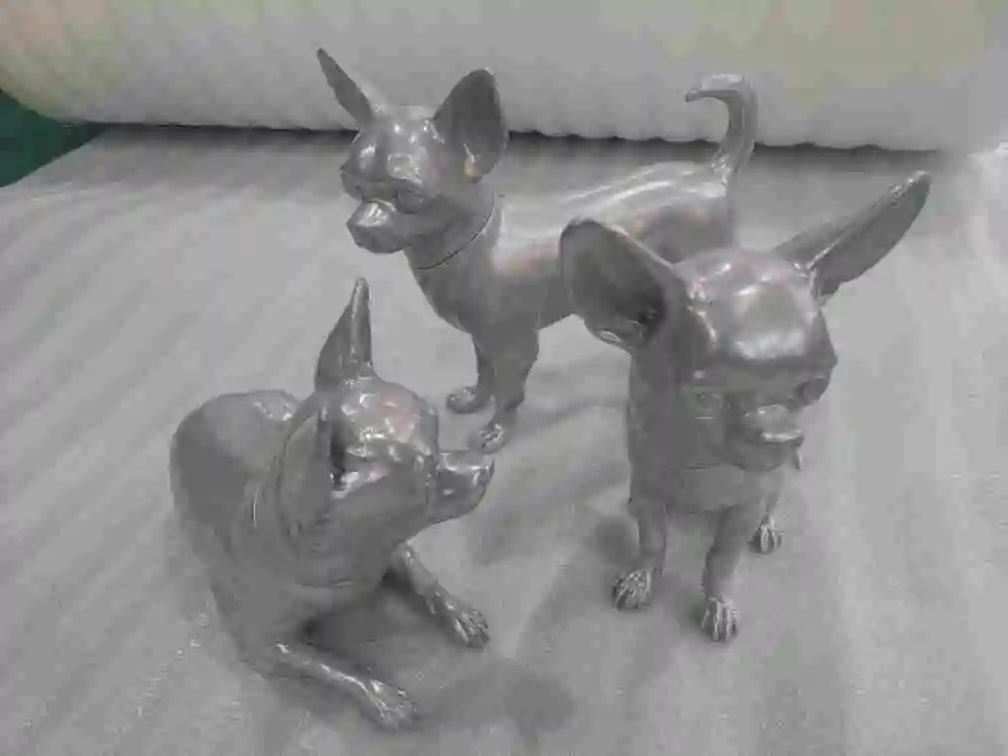
Aluminum alloys, particularly A356 used extensively in casting craft souvenirs, demonstrate remarkable strength-to-weight ratios that fundamentally alter design possibilities. With a density approximately one-third that of brass, aluminum components can achieve similar structural performance while dramatically reducing overall mass. For bigger commemorative items or vacation mementos, when handling convenience and shipping costs become important considerations, this feature becomes very beneficial.
The mechanical properties of A356 aluminum after T6 heat treatment include tensile strengths reaching 310 MPa, which compares favorably with many brass alloys while maintaining that critical weight advantage. However, brass demonstrates superior hardness in most formulations. The copper-zinc alloy structure of brass creates a denser, more resistant surface that withstands abrasion better than aluminum. For souvenirs that will be frequently handled or displayed in high-traffic environments, this durability difference can affect longevity.
Impact resistance presents an interesting contrast. While aluminum possesses decent toughness, brass's ductility allows it to deform rather than fracture under sudden stress. This becomes important for products that might be mistreated or dropped during manufacturing, delivery, or customer usage. Yet aluminum's elasticity can be advantageous in applications requiring slight flexibility without permanent deformation.
Corrosion Resistance and Longevity
Aluminum develops a protective oxide layer naturally when exposed to atmosphere, providing inherent corrosion resistance without additional treatment. This passive film regenerates if scratched, offering continuous protection. For casting craft souvenirs, this characteristic means untreated aluminum can withstand outdoor display or humid environments with minimal degradation. Surface treatments like shot blasting, commonly applied to cast aluminum pieces, enhance this natural protection while creating desirable aesthetic textures.
Brass resists corrosion differently. The alloy's copper content provides natural antimicrobial properties and good resistance to atmospheric oxidation, though brass will develop patina over time—a greenish surface layer that some consider aesthetically appealing while others view as deterioration. This patina formation can be controlled through protective coatings or embraced as part of the piece's character development. In marine environments or areas with high sulfur content in the atmosphere, brass may tarnish more noticeably than protected aluminum.
The longevity question often depends more on application than inherent material properties. Properly finished aluminum souvenirs can last decades with minimal maintenance, while brass items may require periodic cleaning to maintain original appearance. However, brass's solid durability means physical damage typically poses less risk than with aluminum, which can be dented more easily despite its corrosion advantages.
Appearance and Aesthetic Qualities
Surface Finish and Texture Possibilities
Brass exits the casting mold with a naturally smooth, lustrous surface that requires minimal finishing for many applications. Excellent surface detail replication is made possible by the material's tiny grain structure and intrinsic malleability. Intricate designs, fine lettering, and complex textures transfer from pattern to casting with high fidelity. Because of this characteristic, brass is especially appealing for awards, commemorative plaques, and intricate miniatures where the workmanship is communicated via surface detail.
Aluminum casting craft souvenirs typically require more extensive surface preparation. The as-cast surface often exhibits porosity or roughness necessitating finishing operations. Shot blasting—a common treatment for aluminum craft souvenirs—creates uniform, slightly textured surfaces that enhance paint adhesion and provide visual interest. While this adds a production step, it also offers aesthetic flexibility. The resulting surface can range from smooth satin to coarse matte depending on media selection and blast parameters.
Color modification approaches differ significantly. Aluminum accepts anodizing, a process that not only enhances corrosion resistance but enables vibrant color options through dye integration. The anodized layer becomes part of the metal itself rather than a surface coating, providing excellent durability. Brass, conversely, relies on patination, plating, or coating for color variation. Natural brass offers warm golden tones that darken with age, creating vintage aesthetics many collectors appreciate.
Weight Perception and Handling Experience
Perceived value is influenced by physical weight in ways that go beyond pragmatic concerns. Customers searching for personal mementos or keepsakes are drawn to brass's weight because it conveys stability and sturdiness. When someone holds a brass piece, its weight suggests quality and durability. Purchase choices are influenced by this sensory experience, especially in premium market segments.
Aluminum's lightness presents different advantages. For tourists purchasing multiple casting craft souvenirs or items intended for wall mounting, reduced weight enhances practicality. Lightweight pieces require less robust hanging hardware and pose lower risk if accidentally dropped. In some contexts, aluminum's lack of heft might be perceived as lower quality, but effective design can overcome this perception through visual presence and surface treatment sophistication.
The tactile experience extends beyond weight. Brass maintains temperature more closely to ambient conditions, while aluminum feels cooler to touch due to its high thermal conductivity. Customers' interactions with exhibit items are impacted by this little distinction. Brass's warmth contributes to its inviting character, whereas aluminum's coolness can feel more technical or modern depending on design intent.
Environmental Protection and Regulatory Compliance
Recycling Efficiency and Resource Conservation
Aluminum demonstrates exceptional recyclability—it can be remelted and reused indefinitely without quality degradation. The energy required for recycling aluminum represents only about five percent of that needed for primary production from bauxite ore. This dramatic efficiency makes aluminum particularly attractive from environmental perspectives. Manufacturers using recycled aluminum content significantly reduce their carbon footprint while maintaining product quality. The A356 alloy commonly used in casting craft souvenirs works equally well whether produced from virgin or recycled material.
Brass shares aluminum's complete recyclability, and given that copper and zinc resources above ground already exceed those remaining unmined, brass recycling essentially mines existing products rather than extracting new ore. The recycling process for brass requires more energy than aluminum but substantially less than primary brass production. Both materials contribute positively to circular economy models, though aluminum's energy advantage gives it an edge in sustainability metrics.
Foundry scrap management differs between materials. Aluminum's lower melting point allows easier reintegration of sprues, runners, and defective castings back into production cycles. Brass scrap retains high value but requires more energy for remelting. Modern foundries typically achieve high material utilization rates with either metal, minimizing waste generation through efficient pattern design and quality control systems.
Certification and Compliance Standards
Global environmental and quality management systems provide structures for conscientious production. A dedication to quality management principles is shown by ISO 9001:2015 accreditation, which guarantees constant product quality via defined procedures, continuous improvement methods, and customer attention. Buyers of casting craft souvenirs are reassured by this certification that the finished quality, material qualities, and dimensional correctness fulfill the required standards consistently across manufacturing batches.
Environmental management system certification through ISO 14001 addresses broader sustainability concerns. This standard requires organizations to identify environmental aspects of their operations, establish controls to minimize negative impacts, and continuously improve environmental performance. Foundries producing either aluminum or brass souvenirs benefit from ISO 14001 frameworks by systematically managing energy use, waste generation, emissions, and resource consumption.
Occupational health and safety management through ISO 45001 completes the trilogy of core certifications. Comprehensive safety procedures are necessary for casting processes since they include molten metal, large equipment, and chemical treatments. Through risk assessment, hazard identification, and ongoing safety improvement, certified manufacturers show their dedication to the welfare of their employees. Supplier certification gives consumers purchasing casting artisan mementos peace of mind that goods were produced ethically in terms of social, environmental, and quality aspects.

Casting Craft Souvenirs Supplier: Rongbao Enterprise
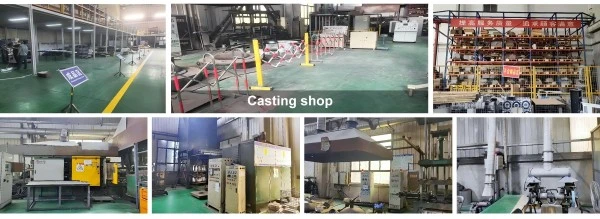
When you need precision-cast memorials that combine efficiency, quality, and environmental concerns, Rongbao Enterprise offers entire manufacturing solutions. Using custom casting skills, our Xi'an, China-based manufacturer specializes in producing casting craft souvenirs that meet international standards and highlight your personal design criteria.
Our Manufacturing Capabilities:
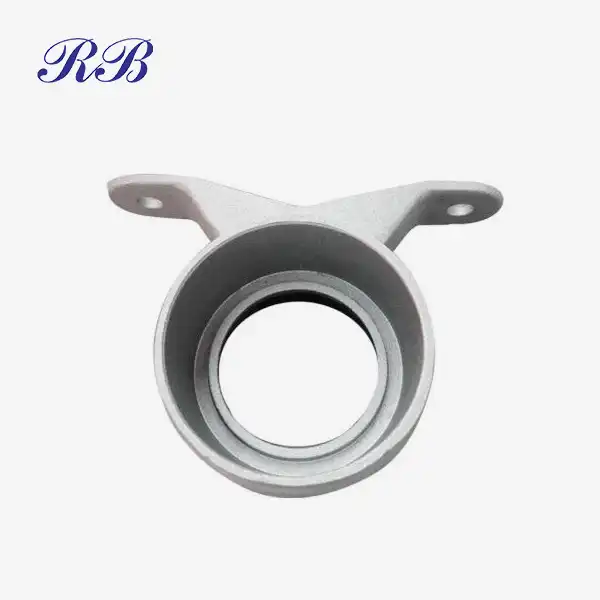
- Material: A356 aluminum alloy for optimal strength-to-weight performance
- Process: Precision casting with advanced mold technology for exceptional detail reproduction
- Capacity: 500 pieces per production cycle, scalable for larger orders
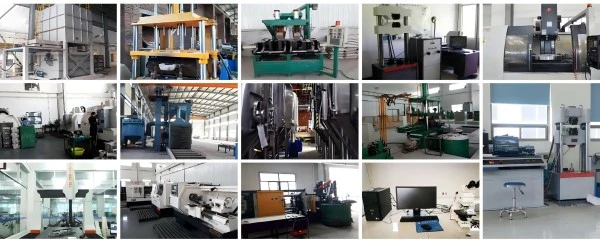
- Mechanical Processing: CNC machining for critical dimensions and complex geometries
- Surface Treatment: Shot blasting to achieve uniform texture and enhanced durability
- Customization: Full OEM/ODM services with flexible specifications tailored to your project
- Weight Range: From 2kg pieces to custom sizing based on design requirements
- Packaging: Protective wooden box packaging ensuring safe international transport
Quality and Compliance Certifications:
- ISO 9001:2015 - Quality Management Systems
- ISO 14001 - Environmental Management Systems
- ISO 45001 - Occupational Health and Safety Management
Ready to discuss your casting craft souvenir project?
Contact our team directly:
We provide detailed quotations, material recommendations, and technical support throughout your project from initial concept through final delivery.
References
- Cast Technologies. (2024). "Aluminum vs Brass Casting: Material Properties and Applications." Retrieved from Cast Technologies manufacturing resource center.
- Batesville Products, Inc. (2024). "Comparing Casting Alloys: Physical Properties and Performance Characteristics." Technical documentation on aluminum A356-T6, brass, bronze, and zinc alloy properties.
- Copper Development Association. (2024). "Brass Recyclability: Environmental and Economic Advantages in Sustainable Manufacturing." Resource materials on brass recycling efficiency and circular economy contributions.
- SEI Castings. (2025). "Reducing the Environmental Impact of Aluminum Alloys: Waste Management and Recycling Strategies." Current practices in sustainable aluminum die casting operations.
- Material Properties Database. (2020). "Brass vs Aluminium Alloy: Comprehensive Comparison of Mechanical Properties." Detailed analysis of malleability, melting points, and casting characteristics for copper-zinc and aluminum alloys.
_1751078338779.webp)