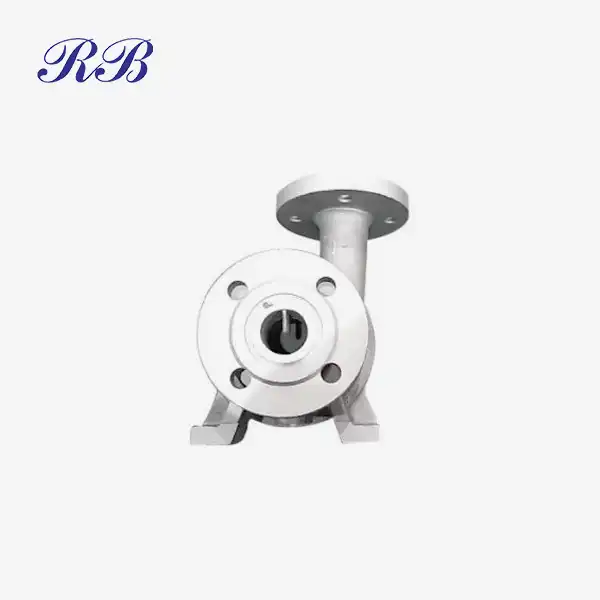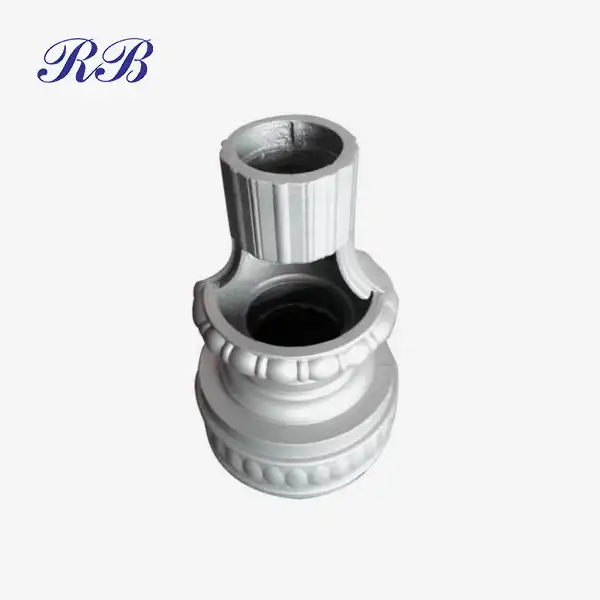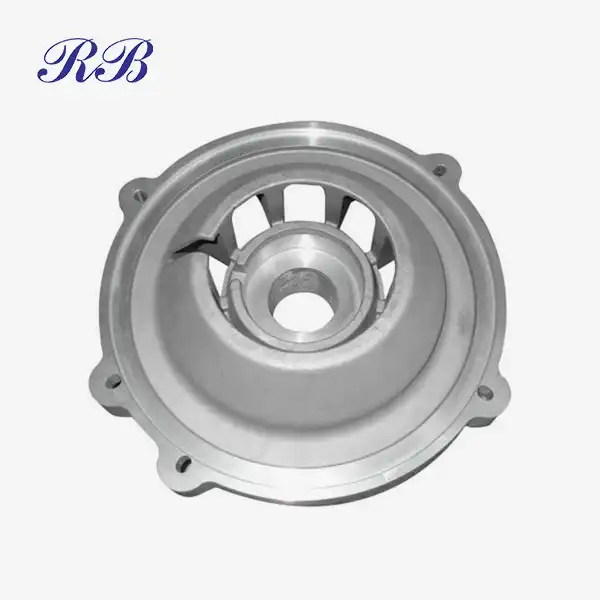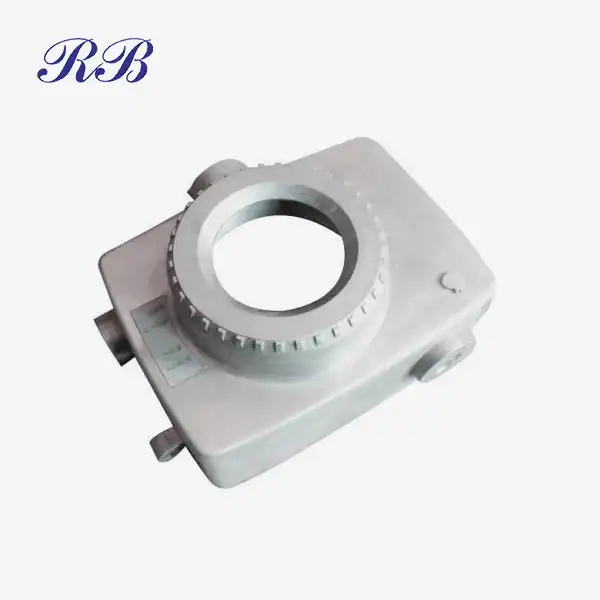
Semicircular Shape
The geometry of a cast half circle corresponds to what mathematicians define as a semicircle—a two-dimensional shape formed when a circle is divided along its diameter. This creates a curved edge spanning 180 degrees, with a straight line forming the base. However, in industrial contexts, the word encompasses more than simple geometric abstraction, especially in high-pressure casting applications. Usually having thickness and depth, the component's three-dimensional properties turn the flat semicircular contour into a volumetric entity with mechanical capabilities.
In certain circumstances, the semicircular form offers obvious advantages. In large-scale manufacturing, the curved shape becomes economically relevant since it minimizes material use while maintaining structural integrity. When examining the cast half circle produced through high-pressure methods, the geometry reflects careful engineering decisions. These components' ADC12 aluminum alloy prevents warping or distortion that might impair functioning by maintaining dimensional stability over the curved surface. The component strikes the ideal balance between weight economy and durability at 0.19 kilos.
The semicircular shape takes into account practical installation needs in addition to fundamental geometry. In drainage systems, where these components frequently serve as termination points, the curved upper surface facilitates water runoff while the flat base enables secure mounting. Over the component's service life, the form lowers maintenance requirements by preventing debris collection that may happen with more complicated geometries. This seemingly simple configuration results from iterative design refinement, where manufacturers have identified the semicircular profile as the most effective solution for rainwater management applications.
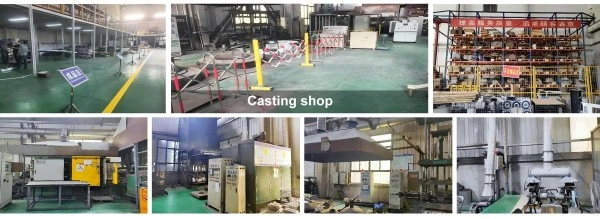
The dimensional specifications of these cast components vary according to custom requirements, yet the fundamental semicircular geometry remains consistent. Manufacturing facilities in Xi'an, China, produce these pieces with precision CNC machining processes that ensure the curved edge maintains its intended radius throughout production runs. Surface treatments like shot blasting enhance the component's appearance and corrosion resistance without altering its essential geometric properties. The semicircular shape thus represents both a geometric classification and a functional design choice refined through decades of industrial application.
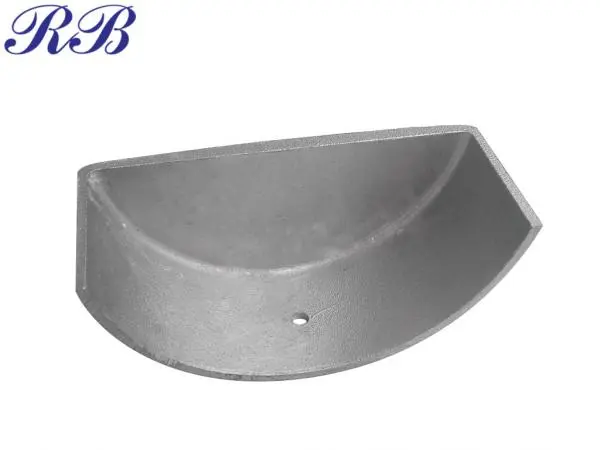
A Component Produced By High Pressure Casting
For producing metal components with complex geometries and exact tolerances, high-pressure casting—also known as die casting—is one of the best methods. In this manufacturing technique, molten metal is forced under high pressure—usually between 10 and 175 megapascals—into steel molds. Compared to other casting techniques like sand casting or gravity die casting, the high-pressure process offers a number of significant benefits for cast half circles meant to be rainwater pipe plugs.
ADC12 aluminum alloy, chosen for its exceptional molten fluidity, outstanding corrosion resistance, and advantageous strength-to-weight ratio, is used to start the process. This alloy, containing silicon, copper, and other elements in controlled proportions, liquefies at approximately 580 degrees Celsius. Before solidification starts, the molten metal fills the mold's complex features entirely as it enters the die cavity at a rapid speed. As a consequence of this rapid filling, components have better mechanical properties and less porosity since there is less turbulence and gas entrapment.
Large manufacturing runs are very consistent when production facilities use this process. With capacity reaching 5,000 pieces, manufacturers maintain dimensional accuracy through temperature control, injection speed optimization, and die maintenance protocols. Made from hardened tool steel to endure the mechanical and thermal strains of several casting cycles, the dies themselves are expensive investments. For semicircular components, the die design must account for draft angles, ejection mechanisms, and gating systems that introduce molten metal without disrupting the intended geometry.
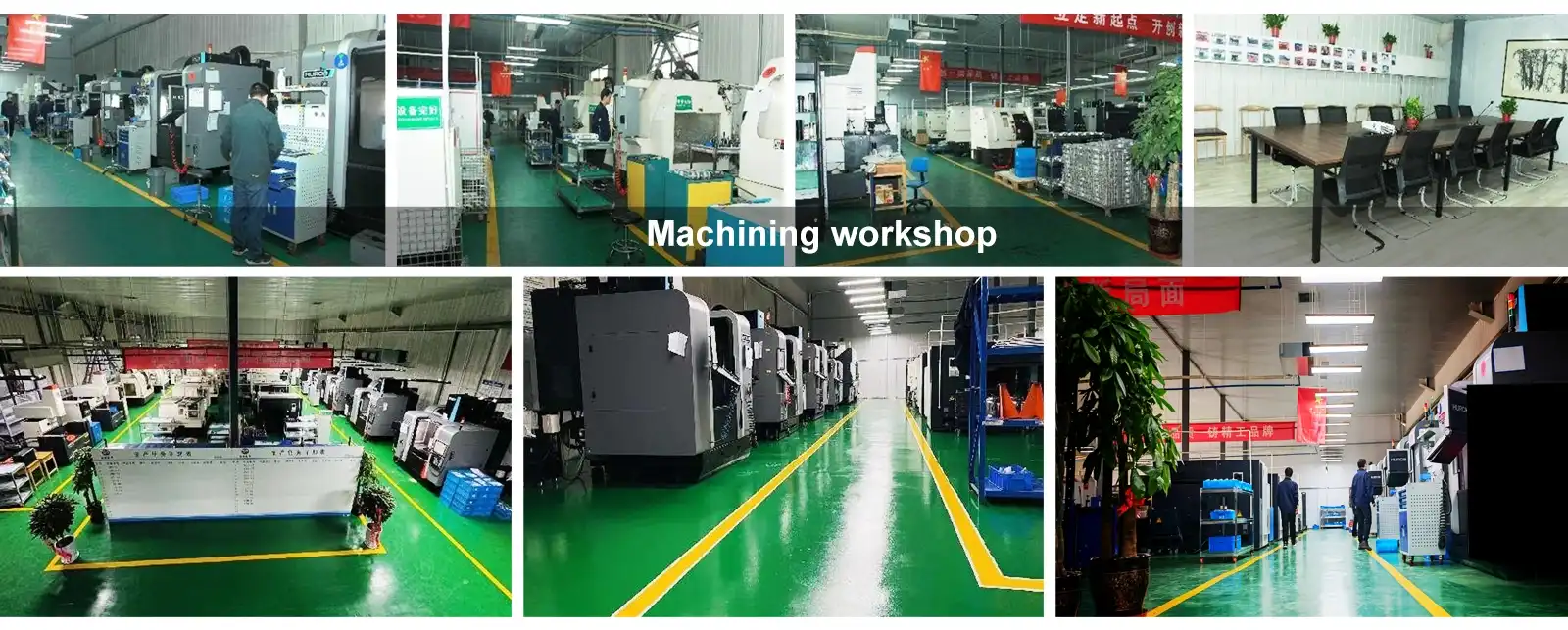
Following casting, components undergo CNC machining to refine critical dimensions and ensure proper fit within rainwater systems. This secondary processing addresses the slight dimensional variations inherent in casting operations, bringing the semicircular profile to exact specifications. Shot blasting then prepares the surface by removing oxide layers and creating a uniform texture that enhances both aesthetic appeal and coating adhesion. Quality control procedures verify compliance with ISO9001:2015 standards, confirming that each component meets established criteria before packaging in wooden boxes for shipment.
Customization that would be economically prohibitive with other production processes is made possible by the high-pressure casting process. OEM and ODM services allow clients to specify particular dimensions, wall thicknesses, and mounting features tailored to regional building codes or proprietary drainage systems. The manufacture of aluminum components for architectural purposes is dominated by high-pressure casting, which may be explained by this versatility as well as the process's inherent accuracy. Environmental certifications, including ISO14001, and occupational safety standards, such as ISO45001, demonstrate responsible manufacturing practices throughout the production chain.
Application: House Rainwater Pipe Plug
Residential and commercial buildings rely on carefully engineered drainage systems to manage rainwater runoff, preventing structural damage and water infiltration. Downspouts and vertical drainage pipes require termination points that prevent debris entry while allowing water to exit—a function fulfilled by specialized plugs and caps. The cast half circle serves precisely this purpose, fitting securely into the pipe opening to create a weather-resistant seal that protects the drainage infrastructure.
Installation typically occurs at ground level, where vertical drainage pipes transition to horizontal sections or terminate at drainage points. The semicircular profile matches the pipe's circular cross-section, with the flat base resting against the building foundation or mounting surface. When debris loads rise and water flow rates peak during storms, this arrangement guarantees stability. Because the component is constantly exposed to moisture, temperature changes, and possibly corrosive rains tainted with air pollutants, the ADC12 alloy's resistance to corrosion is crucial in this application.
Maintenance considerations influenced the design choices evident in these cast components. The shot-blasted surface resists algae growth and mineral deposits that accumulate on smoother finishes. When inspection or system modifications require plug removal, the component's modest 0.19-kilogram weight simplifies handling without compromising the structural robustness needed for long-term service. Building maintenance personnel appreciate components that balance durability with practicality—qualities that high-pressure cast aluminum delivers effectively.
Regional variations in building practices and climate conditions drive demand for customized specifications. In areas experiencing heavy rainfall, plugs may require additional drainage perforations or modified geometries to prevent water backup. Coastal regions specify enhanced corrosion resistance to counter salt-laden air, while cold climates demand materials that withstand freeze-thaw cycles without cracking. Manufacturers accommodating these diverse requirements through custom production runs demonstrate the versatility of high-pressure casting technology. Reactive adaptability to market demands across several geographic locations is made possible by the capacity to change dies and production settings.
These elements' incorporation into larger building systems is a reflection of changing building codes that give water management first priority. As climate patterns shift and precipitation intensity increases in many regions, the infrastructure supporting rainwater drainage gains importance. Although cast half circles are just one component of intricate systems, their dependable operation greatly enhances the overall integrity of the structure. Architects and engineers specifying these components consider not only immediate functional requirements but also long-term maintenance costs and replacement logistics.
Contact Rongbao Enterprise
A good example of how basic geometric shapes may be used to solve real-world architecture problems is the cast half circle. Its semicircular shape strikes a compromise between structural economy and usefulness, and the accuracy and consistency needed for contemporary architectural applications are provided by high-pressure casting techniques. As a rainwater pipe cap, this part protects buildings from water damage in a subtle but important manner, demonstrating how even little parts may have a big influence on system performance.
These elements are the intersection of application-specific engineering, material science, and manufacturing experience. The manufacturing capacity set up in Xi'an, China, together with extensive quality certifications and customization services, puts producers in a position to satisfy a wide range of consumer requests. Professionals looking for trustworthy drainage solutions or manufacturers assessing manufacturing partnerships may make well-informed decisions by knowing the technological underpinnings of these cast components.
For inquiries regarding cast half circles, custom specifications, or production capabilities, contact Rongbao Enterprise at steve.zhou@263.net or zhouyi@rongbaocasting.com. Regarding material selection, dimensional constraints, and integration considerations unique to your application demands, our technical staff offers comprehensive guidance.
References
- Campbell, J. (2015). Complete Casting Handbook: Metal Casting Processes, Metallurgy, Techniques and Design. Butterworth-Heinemann.
- Kaufman, J. G., & Rooy, E. L. (2004). Aluminum Alloy Castings: Properties, Processes, and Applications. ASM International.
- Beeley, P. R. (2001). Foundry Technology (2nd ed.). Butterworth-Heinemann.
- Brown, J. R. (2000). Foseco Ferrous Foundryman's Handbook (11th ed.). Butterworth-Heinemann.
- American Foundry Society. (2018). Metalcasting: Industry Standards and Specifications. American Foundry Society Publications.