- English
- French
- German
- Portuguese
- Spanish
- Russian
- Japanese
- Korean
- Arabic
- Greek
- German
- Turkish
- Italian
- Danish
- Romanian
- Indonesian
- Czech
- Afrikaans
- Swedish
- Polish
- Basque
- Catalan
- Esperanto
- Hindi
- Lao
- Albanian
- Amharic
- Armenian
- Azerbaijani
- Belarusian
- Bengali
- Bosnian
- Bulgarian
- Cebuano
- Chichewa
- Corsican
- Croatian
- Dutch
- Estonian
- Filipino
- Finnish
- Frisian
- Galician
- Georgian
- Gujarati
- Haitian
- Hausa
- Hawaiian
- Hebrew
- Hmong
- Hungarian
- Icelandic
- Igbo
- Javanese
- Kannada
- Kazakh
- Khmer
- Kurdish
- Kyrgyz
- Latin
- Latvian
- Lithuanian
- Luxembou..
- Macedonian
- Malagasy
- Malay
- Malayalam
- Maltese
- Maori
- Marathi
- Mongolian
- Burmese
- Nepali
- Norwegian
- Pashto
- Persian
- Punjabi
- Serbian
- Sesotho
- Sinhala
- Slovak
- Slovenian
- Somali
- Samoan
- Scots Gaelic
- Shona
- Sindhi
- Sundanese
- Swahili
- Tajik
- Tamil
- Telugu
- Thai
- Ukrainian
- Urdu
- Uzbek
- Vietnamese
- Welsh
- Xhosa
- Yiddish
- Yoruba
- Zulu
Aluminum Gravity Casting Prototype Development
The process of making precise parts out of molten aluminum by using gravity is known as aluminum gravity casting prototype development. This is a very smart way to make things. This prototype aluminum casting method doesn't need any pressure, so it's great for making test parts that can be used in the auto, aerospace, and industrial equipment fields. The method is accurate in terms of size and doesn't cost much, so engineers can test designs before spending a lot of money on full-scale production.
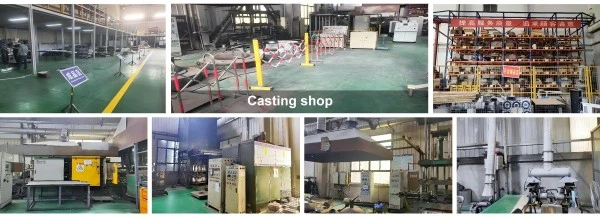
Aluminum Gravity Casting for Prototypes
One of the most important technologies used today to make prototypes is aluminum gravity casting, which fills molds with molten aluminum alloy using the force of gravity. This basic method is not the same as pressure-assisted casting methods. It gives you more control over the prototypes' design and the material is better.
Key Advantages of Gravity Casting Technology
The gravity casting method is great for making prototypes because it has many useful features. Aluminum naturally has good mechanical properties, like not rusting, being light, and conducting heat well. These properties work with the gentle filling action of gravity casting to make parts with better mechanical properties. This method lowers the turbulence that happens when the mold is filled. This keeps oxides and holes from forming, which would weaken the part.
It also saves you money compared to other choices like die casting or investment casting, which is a big plus. Still, gravity casting doesn't need a lot of pricey tools, so businesses can make prototypes that work without spending a lot of money up front. This lower cost is very helpful during iterative design stages, when the prototype might need to be changed more than once.
Material Properties and Alloy Selection
You can make very good materials by gravity casting, and the A356 aluminum alloy is a great example of this. This silicon-magnesium alloy is perfect for tough jobs because of its mechanical properties. It doesn't rust and is easy to cast. With gravity casting, you can control the rate at which the metal cools, which lets the best grain structure develop. This makes parts whose cross-section is made of the same material all the way through.
Because of how it is made, the alloy can be heated in ways that make it much stronger while still keeping the light weight benefits of aluminum. This means that gravity-cast prototypes can be used for real-life functional testing, giving accurate performance data that can be used to prove the design.
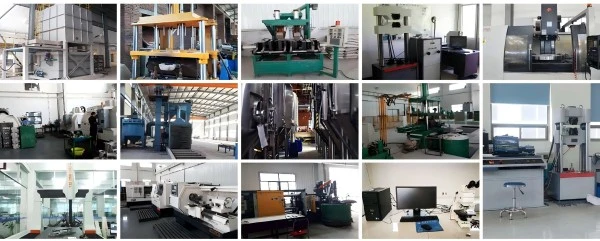
Prototype Aluminum Casting Process Steps Explained
There are several important steps in the prototype aluminum casting process that all affect how well and accurately the final part works. When engineers and people who work in procurement understand these stages, they can better plan how to make prototypes while still meeting deadlines and keeping everyone happy.
Mold Preparation and Design Considerations
Getting the mold ready is the first step in casting, and it has a big impact on the quality of the final part. For gravity casting, permanent molds need to be carefully set up so that the finished surface has the right shape and size. The mold design needs to have the right draft angles, which are usually between 1 and 3 degrees. This will make it easier to take the part out without breaking it.
When making castings, it's very important to make sure that the gate system is well thought out. You can directly change how the molten aluminum fills the mold by moving the gate and setting up the runners. This changes the quality of the surface and how the holes are spread out. The mold should be fully filled, and air shouldn't get stuck inside, which could lead to flaws in the casting.
Melting and Pouring Operations
To melt aluminum, it is very important to keep the temperature under control. Most of the time, A356 alloy needs to melt between 720°C and 750°C in order to be fluid. This keeps the formation of oxides to a minimum. The steps for degassing get rid of hydrogen that has dissolved and other impurities that could make the finished casting porous.
The act of pouring itself takes skill and exact timing. Pouring rates must stay the same so that molds fill evenly and without turbulence that could lead to defects. With the gravity-fed method, you can control how fast the material is filled, which makes it flow better and cuts down on casting flaws.
Post-Casting Operations and Finishing
After being cooled and solidified, castings go through a number of steps to make sure they meet all the requirements. Shot blasting gets rid of oxides on the surface and evens out the texture. This makes the parts ready for the next steps in the machining process. Any flaws on the surface that need to be fixed are also shown by this treatment.
The last requirement for accuracy in measurements and surface finish is met by CNC operations. Since A356 alloy is so simple to work with, it can be used to make parts and features that are very precise. Before the prototype is sent out, it is inspected to make sure that all of the requirements have been met.
Comparing Prototype Aluminum Gravity Casting with Alternative Methods
Selecting the optimal prototype manufacturing method requires careful evaluation of multiple factors including cost, timeline, precision requirements, and intended application. Aluminum gravity casting occupies a unique position among available technologies, offering distinct advantages for specific prototype development scenarios.
Performance Comparison with Rapid Prototyping
There are technologies for rapid prototyping, like 3D printing, that can make designs quickly that are hard to make otherwise. However, these technologies often make the material properties and structural integrity worse. When gravity is used to cast prototypes in aluminum, the parts have the same properties as real aluminum. This means that they can be tested for functionality more accurately than prototypes made of plastic or resin.
When the same alloys and heat treatment methods are used, gravity cast parts and production parts have a lot of the same mechanical properties. The realness of this material helps a lot with stress tests, thermal analysis, and durability tests that make sure the design will work well in real life.
Cost-Benefit Analysis Versus Die Casting
Die casting gives you a smoother surface and more accurate measurements, but you need pricey tools for it, which may not be worth it for small prototypes. It is still much cheaper to use gravity casting tools, and they still work well enough for most prototypes.
Most gravity casting tools have lead times of two to four weeks. Die casting tools, on the other hand, have lead times of eight to twelve weeks. Because engineers have more time, design iteration cycles can happen faster. This lets them test and improve designs more quickly during the development phase.
Best Practices and Design Tips for Aluminum Prototype Gravity Casting
To get the best results from prototype casting, you need to follow design rules that take into account the features of the gravity casting process while also making the part work best and be easy to make. With these rules, engineers can get better results while keeping costs and schedules as low as possible.
Wall Thickness and Structural Design
As much as possible, keep the thickness of the walls the same. This keeps the changes in cooling rates that can cause distortion or cracking to a minimum. Walls should be 3 to 15 mm thick for gravity casting, depending on the part's size and how it needs to be built. Stress doesn't build up in places that could damage the part because the thickness changes slowly.
It's easier to take parts out of the mold when you add a draft angle. Draft angles that are just right, usually between 1 and 3 degrees, keep parts from breaking when they are taken out of the mold and make it last longer so that more prototypes can be made.
Alloy Selection and Heat Treatment Optimization
Aluminum alloy A356 is a good choice for most prototype uses since it is simple to cast, strong, and doesn't rust. The silicon makes it easier to shape into complicated shapes, and the magnesium lets heat treatment make it stronger.
Steel usually has tensile strengths of more than 300 MPa when heated to T6, which are the best strengths for building things. Solution treatment, quenching, and artificial aging are all parts of the heat treatment process that are done to get the best properties.
Real-World Application Success Stories
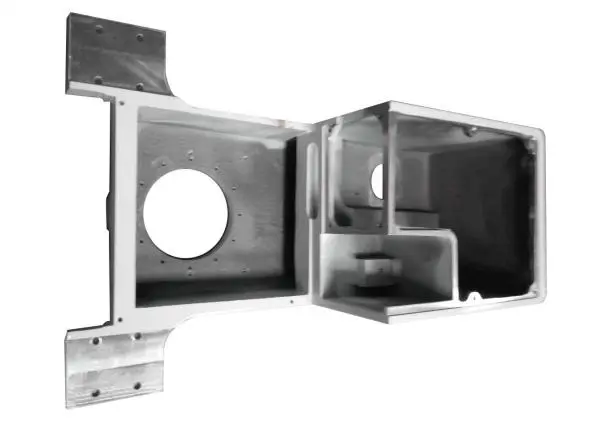
Robot shell applications show how prototype aluminum casting can be shaped in complex geometric ways. Because the structure can only hold 16.7 kg, it has to be very strong and stiff while also being very efficient.
With customized specs, you can improve some performance factors while still making the product possible. The fact that 5,000 pieces can be made shows that the product can move from the prototype stage to the pilot production stage.
Conclusion
One of the best things about aluminum gravity casting prototype development is that it lets manufacturers test designs on real materials to make sure they work. The method is accurate in terms of size and doesn't cost much. It also gives real aluminum properties that are needed for a useful prototype evaluation.
This technology can be used for many different things, from making parts for cars to making machinery for factories. It also gives you safe ways to turn your ideas into real things. The results are always the same thanks to quality certifications and well-organized process controls. This gives people the confidence they need to confirm designs and plan production.
Partner with Rongbao Enterprise for Superior Prototype Aluminum Casting Solutions
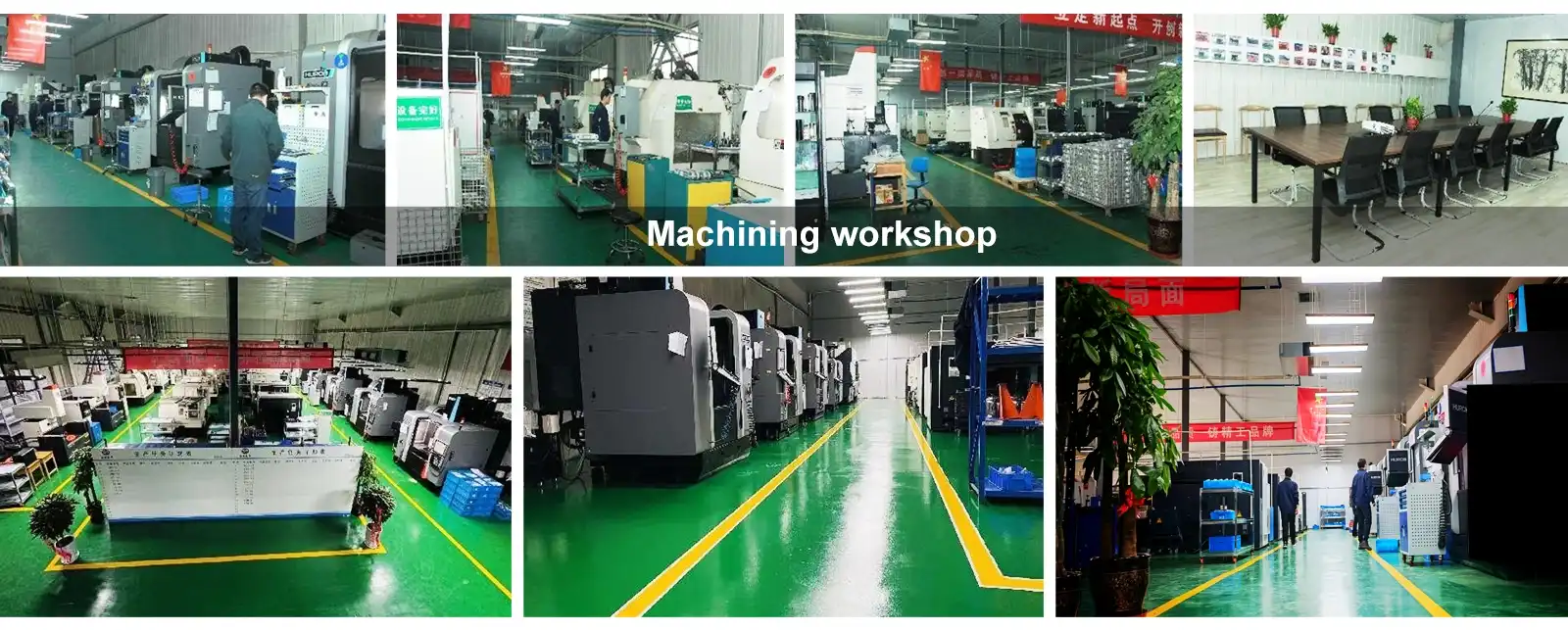
Rongbao Enterprise has been making things for 20 years and has a reputation for quality all over the world. They offer full prototype aluminum casting services. At our Xi'an facility, we can do full-service machining and finishing, as well as advanced gravity casting. This speeds up the development process and makes sure that your prototypes meet strict standards.
Our ISO9001:2015, ISO14001, and ISO45001 certifications demonstrate unwavering commitment to quality, environmental responsibility, and workplace safety. With 70% of our production serving European, American, and Japanese markets, we understand the demanding requirements of global prototype development projects. Contact steve.zhou@263.net or zhouyi@rongbaocasting.com to discuss your prototype aluminum casting supplier requirements and discover how our integrated manufacturing capabilities can support your next innovation.
FAQ
Q1:What makes gravity casting suitable for prototype development?
A1:One great way to get a good deal on price, quality, and lead time for prototypes is to use gravity casting. Parts made this way are made of real aluminum, and the tools don't cost as much as those made by die casting.
Q2:How does A356 alloy perform in gravity casting applications?
A2:If you heat A356 alloy, it has great mechanical properties and is easy to cast. This mix of silicon and magnesium makes the metal bendable so that it can be used to make complicated shapes. It also lets the T6 heat treatment make it stronger.
Q3:What quality standards should I expect from prototype aluminum casting suppliers?
A3:To keep their ISO9001:2015 quality certification up to date, suppliers with a good reputation follow strict process controls that include certifying the materials, checking the sizes, and making sure the mechanical properties are correct. More certifications for safety and the environment show that the business is doing a good job.
Q4:How do lead times compare between gravity casting and alternative methods?
A4:It can take two to four weeks to get the tools ready for gravity casting and eight to twelve weeks for die casting. Because this saves time, design iteration cycles can happen faster while the prototype is being made.
Q5:What post-casting operations are typically required?
A5:After casting, the surface is often prepared by shot blasting, or CNC machining is used to make precise measurements. Finally, the quality is checked. If you heat something, you can make its mechanical properties better.
References
- Campbell, J. "Complete Casting Handbook: Metal Casting Processes, Metallurgy, Techniques and Design." Butterworth-Heinemann, 2015.
- American Foundry Society. "Aluminum Casting Technology." AFS Technical Publications, 2018.
- Davis, J.R. "Aluminum and Aluminum Alloys: ASM Specialty Handbook." ASM International Materials Engineering, 2017.
- Bonollo, F. "Gravity and Low-Pressure Die Casting of Aluminum Alloys: A Technical and Economic Analysis." International Journal of Cast Metals Research, 2019.
- Kaufman, J.G. "Properties of Aluminum Alloys: Tensile, Creep, and Fatigue Data at High and Low Temperatures." ASM International, 2016.
- Totten, G.E. "Handbook of Aluminum: Vol. 2: Alloy Production and Materials Manufacturing." Marcel Dekker Publishing, 2020.
Learn about our latest products and discounts through SMS or email