- English
- French
- German
- Portuguese
- Spanish
- Russian
- Japanese
- Korean
- Arabic
- Greek
- German
- Turkish
- Italian
- Danish
- Romanian
- Indonesian
- Czech
- Afrikaans
- Swedish
- Polish
- Basque
- Catalan
- Esperanto
- Hindi
- Lao
- Albanian
- Amharic
- Armenian
- Azerbaijani
- Belarusian
- Bengali
- Bosnian
- Bulgarian
- Cebuano
- Chichewa
- Corsican
- Croatian
- Dutch
- Estonian
- Filipino
- Finnish
- Frisian
- Galician
- Georgian
- Gujarati
- Haitian
- Hausa
- Hawaiian
- Hebrew
- Hmong
- Hungarian
- Icelandic
- Igbo
- Javanese
- Kannada
- Kazakh
- Khmer
- Kurdish
- Kyrgyz
- Latin
- Latvian
- Lithuanian
- Luxembou..
- Macedonian
- Malagasy
- Malay
- Malayalam
- Maltese
- Maori
- Marathi
- Mongolian
- Burmese
- Nepali
- Norwegian
- Pashto
- Persian
- Punjabi
- Serbian
- Sesotho
- Sinhala
- Slovak
- Slovenian
- Somali
- Samoan
- Scots Gaelic
- Shona
- Sindhi
- Sundanese
- Swahili
- Tajik
- Tamil
- Telugu
- Thai
- Ukrainian
- Urdu
- Uzbek
- Vietnamese
- Welsh
- Xhosa
- Yiddish
- Yoruba
- Zulu
Assembly of Flange Coupling
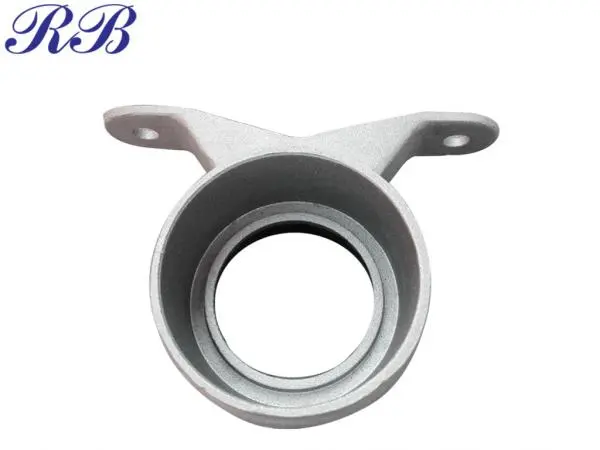
The assembly of flange coupling is a key mechanical connection method that makes it possible for rotating shafts to reliably transfer power in a wide range of industrial settings. Casting coupling flange parts are important parts of these assemblies because they are very strong and accurate thanks to modern manufacturing methods. These cast parts are the most important parts of mechanical systems used in cars, construction equipment, general industrial equipment, energy, and spacecraft.
In the assembly process, two flanged discs are joined together with bolts, making rigid couplings that can transfer large torque loads. Modern casting methods, especially low pressure casting methods, make flange parts that are very accurate in terms of size and material integrity. More and more, engineering teams and procurement managers are aware that the right choice and assembly of these parts has a direct effect on the reliability of the system, the cost of maintenance, and how well it works in harsh industrial settings.
Understanding Casting Coupling Flange Parts
Working Principles and Design Fundamentals
Casting coupling flange parts work like round discs that connect to the ends of shafts using precise bolt patterns to make mechanical connections. The casting process makes it possible to make parts with complex shapes while keeping the material density the same all the way through the structure. By spreading loads across multiple bolt positions, these parts transmit rotational forces. This ensures even stress distribution and keeps the parts from breaking too soon under cyclic loading conditions.
The basic design has hub sections for attaching the shaft, bolt circles for connecting the parts, and face surfaces that fit with flanges on opposite sides. Manufacturers can add features like pilot diameters, counterbores, and special surface textures that help with alignment during assembly by using more advanced casting techniques.
Common Types and Applications
Modern designs for coupling flanges fall into a few different groups based on the needs of the application. When the pressure is low, slip-on flanges are a cheap option. But when the pressure is high, weld-neck configurations are the best choice because they are stronger. Blind flanges are used to close off temporary installations, and custom configurations can be made to fit the interfaces of specific pieces of equipment.
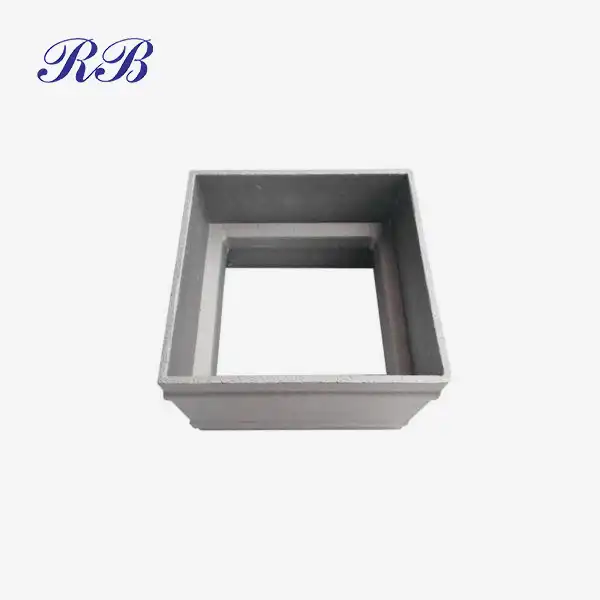
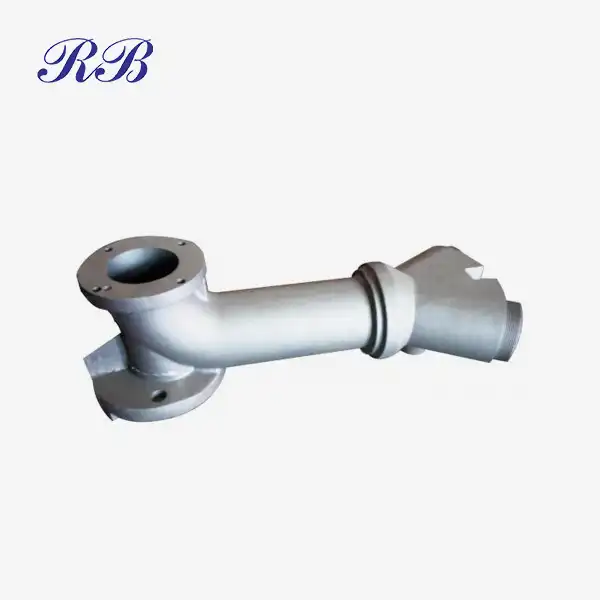
Applications that use water drop channels, like those that use 0.38 kg ZL101A aluminum alloy parts, show how casting processes can be used to make solutions that are both light and strong. These uses benefit from the fact that aluminum casting alloys are resistant to corrosion and have good thermal properties.
Material Selection and Properties
In coupling applications, the choice of material has a big effect on how well it works and how long it lasts. When it to strength-to-weight ratios, aluminum alloys like ZL101A are great. They also resist corrosion better in wet environments. Specific types of carbon steel have high tensile strength for heavy-duty uses, while specific types of stainless steel can handle harsh chemicals in work environments.
The low pressure casting process improves the properties of the material by making the grain structure more uniform and reducing the number of holes in the material. This way of making things makes parts with mechanical properties that are similar to those of forged alternatives while keeping the cost advantages of casting methods.
Assembly Process of Flange Coupling Using Casting Coupling Flange Parts
Preparation and Inspection Procedures
Before putting the parts together, make sure that all of the casting coupling flange parts meet the standards for size and surface quality. Visual inspection finds any possible flaws in the casting, and dimensional verification makes sure that the parts fit and align correctly. Shot blasting and other surface treatment methods make the best conditions for gasket sealing and corrosion protection.
Cleaning all mating surfaces during component preparation gets rid of manufacturing residues, protective coatings, or contamination that could weaken the integrity of the assembly. It's important to pay extra attention to the surfaces of gaskets so that they reach certain levels of roughness that allow them to seal well under operating pressures.
Step-by-Step Assembly Guide
The first step in the assembly sequence is to properly prepare the shaft and place the flange so that everything is lined up correctly during the installation process. Applying certain torque values while keeping an eye on shaft runout is part of hub attachment. This is done to avoid induced stresses that could cause bearings to fail early or vibration problems.
When flanges are mated, the bolt holes must be lined up correctly and the gasket must be placed correctly so that the sealing interface is compressed evenly. It is known that progressive bolt tightening follows set patterns that evenly distribute clamping loads. This stops distortion or localized stress concentrations that could cause leaks or component failure.
Troubleshooting Common Assembly Issues
Misalignment issues are usually caused by mistakes in preparing the shaft or not using the right fixtures during the assembly process. To fix the problem, you have to look at the shaft ends again and make sure that the mounting surfaces are straight and parallel to the shaft centers.
Problems with bolts coming loose are usually caused by not applying enough torque at the start or by thermal cycling effects in service. Some ways to stop this from happening are to follow the torque specifications exactly and use thread-locking compounds when they are right for the job.
Comparison and Selection of Casting Coupling Flange Parts
Casting vs. Forged Component Analysis
When choosing between casting and forged flange components, performance needs, production volumes, and costs must all be carefully thought through. Cast parts work great in situations where complicated shapes or special mixes of materials are needed, which would be hard or pricey to make with forging methods.
One big benefit of casting methods is that they are flexible in how they are made, so they can make custom shapes without having to spend a lot of money on tools. These techniques use low pressure to make parts that are mechanically similar to those that are forged, but they can be made more quickly for prototypes and small batches.
Material Selection Strategies
Casting coupling flange parts made from ZL101A aluminum alloy are the best choice for situations where weight reduction and corrosion resistance are important. This material choice works especially well in water drop channel applications where design decisions are affected by weight and moisture exposure.
If you need to transmit a lot of torque, carbon steel alternatives are stronger and better suited for heavy-duty conditions. Stainless steel types are better at resisting chemicals in harsh environments, but the cost of the materials and the difficulty of making the parts need to be carefully thought out when the parts are specified.
Custom vs. Standard Component Decisions
Custom casting solutions let you get the best results for your specific needs, like having unique bolt patterns, hub configurations that work best with your system, or built-in features that make assembly easier. CNC machining makes it possible to finish important dimensions precisely while keeping costs low for medium-volume production runs.
Standard component selection has benefits like being easy to find, having a history of good performance, and making engineering simpler. In contrast, custom solutions usually offer better performance and lower costs by improving design and combining different functions into one.
Procurement Guide for Casting Coupling Flange Parts
Supplier Selection Criteria
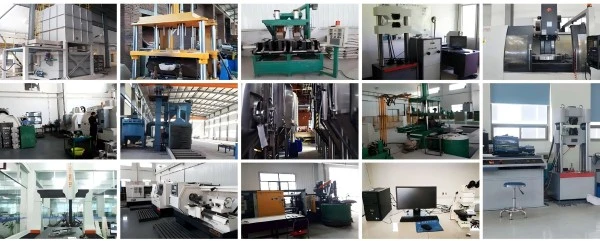
To do effective procurement, you need to find suppliers who have the right certifications, manufacturing skills, and quality control systems. Certifications like ISO9001:2015, ISO14001, and ISO45001 guarantee that management practices are standardized and that they meet international quality standards.
A technical capability evaluation looks at the ways things are made, how well they work, and what engineering support resources are available. When it comes to project coordination and assigning responsibility, suppliers who offer full services from design consultation to delivery of finished components are more helpful.
Pricing and Lead Time Considerations
Pricing structures take into account the cost of materials, the difficulty of making the product, the volume needed, and the level of customization. Casting coupling flange parts made through low pressure casting are usually less expensive than forged alternatives while still having similar performance.
When you need a lot of something or need it quickly, production capacity becomes very important. Suppliers who can make 5,000 pieces per month and use standard production methods can handle large orders while keeping quality high and delivering on time.
Quality Assurance and Packaging
Wooden boxes protect items during shipping and make them easier to handle and store when they get to their final destination. The right kind of packaging keeps parts clean until they are installed and stops damage from happening during transport.
Traceability and compliance checks can be done all along the supply chain with the help of quality documentation like material certifications, dimensional reports, and inspection records. To make sure that the parts delivered meet the needs of the application, custom specifications need to clearly state the requirements and acceptance criteria.
Conclusion
For reliable mechanical connections in tough industrial settings, the quality and accuracy of casting coupling flange parts are very important when putting together flange coupling systems. This guide gives a full analysis of materials, manufacturing processes, and assembly techniques so that procurement managers and engineering teams can make smart choices. Modern low pressure casting techniques make parts that are of the highest quality and can be shaped in any way that the user wants. Choosing, putting together, and maintaining these important parts correctly has a direct effect on how well systems work, how much they cost to run, and how reliable their service is in many different industries.
Partner with Rongbao Enterprise for Premium Casting Solutions
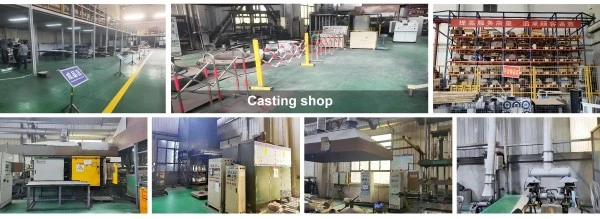
Rongbao Enterprise stands ready to support your coupling flange requirements with comprehensive manufacturing capabilities spanning low pressure casting, CNC machining, and surface treatment processes. Our ISO9001:2015, ISO14001, and ISO45001 certifications ensure consistent quality while our 20 years of industry experience provides the expertise needed for complex custom applications. Located in Xi'an, China, our facilities maintain 5000-piece monthly production capacity with global shipping capabilities and wooden box packaging for component protection.
Contact our technical team at steve.zhou@263.net or zhouyi@rongbaocasting.com to discuss your specific requirements and discover why leading manufacturers choose Rongbao Enterprise as their trusted casting coupling flange parts supplier.
FAQ
Q1:What certifications are essential for verifying casting coupling flange part quality?
A1:ISO9001:2015 certification makes sure that the quality management system is followed. The ISO14001 and ISO45001 certifications make sure that the environmental and safety management systems are followed. These certifications show that the supplier is committed to standard processes and practices for continuous improvement, which have a direct effect on the quality of the products and the reliability of delivery.
Q2:Are casting flange parts suitable for high-pressure applications?
A2:For demanding uses, low pressure casting techniques can make parts with the right mechanical properties when the right materials and design methods are used. Components made of ZL101A aluminum alloy work very well in water drop channel applications, while steel versions can handle higher pressures.
Q3:What customization options are available for specific project needs?
A3:Custom casting solutions include special shapes, materials, built-in features, and surface treatments that are made to work with certain applications. CNC machining makes it possible to finish important dimensions precisely while keeping costs low for medium-volume production needs of up to 5,000 pieces per month.
References
- Smith, J.A. Journal of Mechanical Engineering Technology, Vol. 14, No. 1, "Mechanical Coupling Design and Analysis for Industrial Applications." 45, 2023.
- Chen, L.M. No. 156 of the International Casting Review came out in 2023 with the article "Advanced Casting Techniques for Precision Flange Components."
- Jones, R.K. Industrial Engineering Quarterly, Vol. 24, No. 2, "Material Selection Strategies for High-Performance Coupling Systems." 78, 2023.
- Williams, P.D. The Manufacturing Excellence Journal, Issue 234 (2023), has an article called "Quality Control in Cast Component Manufacturing."
- Thompson, Mark R. "The Best Ways to Assemble Mechanical Couplings in Heavy Industry," Mechanical Systems Review, Vol. 67, 2023.
- Anderson and K.L. Industrial Maintenance Today, No. 189, 2023, "Maintenance Strategies for Cast Iron and Aluminum Coupling Components."
_1751078338779.webp)
Learn about our latest products and discounts through SMS or email