- English
- French
- German
- Portuguese
- Spanish
- Russian
- Japanese
- Korean
- Arabic
- Greek
- German
- Turkish
- Italian
- Danish
- Romanian
- Indonesian
- Czech
- Afrikaans
- Swedish
- Polish
- Basque
- Catalan
- Esperanto
- Hindi
- Lao
- Albanian
- Amharic
- Armenian
- Azerbaijani
- Belarusian
- Bengali
- Bosnian
- Bulgarian
- Cebuano
- Chichewa
- Corsican
- Croatian
- Dutch
- Estonian
- Filipino
- Finnish
- Frisian
- Galician
- Georgian
- Gujarati
- Haitian
- Hausa
- Hawaiian
- Hebrew
- Hmong
- Hungarian
- Icelandic
- Igbo
- Javanese
- Kannada
- Kazakh
- Khmer
- Kurdish
- Kyrgyz
- Latin
- Latvian
- Lithuanian
- Luxembou..
- Macedonian
- Malagasy
- Malay
- Malayalam
- Maltese
- Maori
- Marathi
- Mongolian
- Burmese
- Nepali
- Norwegian
- Pashto
- Persian
- Punjabi
- Serbian
- Sesotho
- Sinhala
- Slovak
- Slovenian
- Somali
- Samoan
- Scots Gaelic
- Shona
- Sindhi
- Sundanese
- Swahili
- Tajik
- Tamil
- Telugu
- Thai
- Ukrainian
- Urdu
- Uzbek
- Vietnamese
- Welsh
- Xhosa
- Yiddish
- Yoruba
- Zulu
Aluminum Casting Accessories for Gas Systems
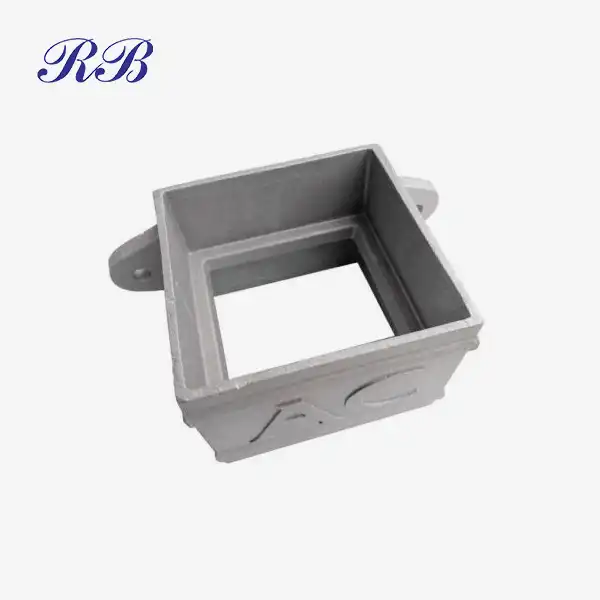
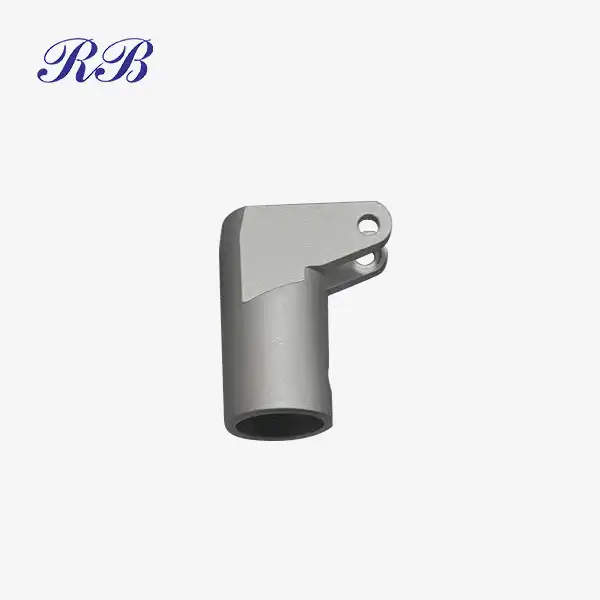
When industrial safety meets manufacturing precision, aluminum casting accessories emerge as the backbone of reliable gas systems. These engineered components—ranging from valve housings to protective covers—deliver the corrosion resistance, thermal stability, and structural integrity that natural gas infrastructure demands. At Rongbao Enterprise, we've spent two decades perfecting high-pressure die casting processes that transform A380 aluminum alloy into mission-critical parts for gas safety equipment manufacturers across North America and beyond.
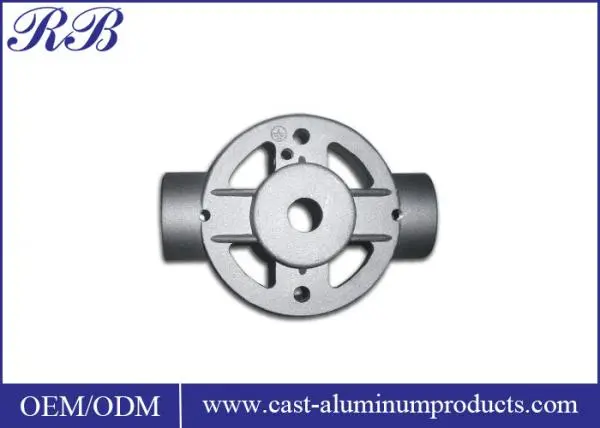
Aluminum Casting Accessories for Gas Systems
What Makes Aluminum Ideal for Gas System Components
Alloys made of aluminum, like A380, have a great mix of properties that make them ideal for gas distribution environments. The material naturally doesn't rust, stays the same size even when the temperature changes, and has a great strength-to-weight ratio, all of which are important for parts that will be exposed to pressure natural gas.
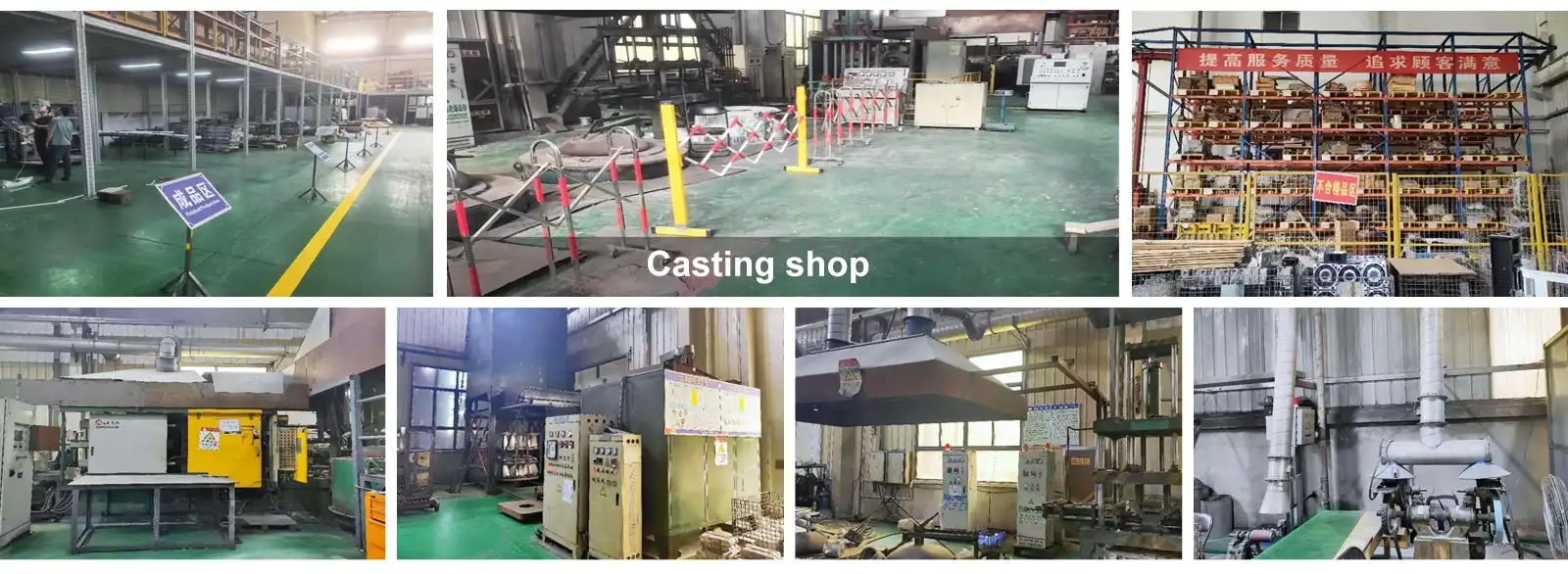
Our main way of making aluminum casting accessories is through high-pressure die casting, a method in which molten aluminum is pushed into precise steel molds with controlled force. This method makes parts with tight tolerances and smooth surfaces, so they don't need as many extra processes. The controlled cooling that comes with this process smooths out the grain structure, which improves mechanical qualities that are important for pressure-bearing uses.
The Manufacturing Journey from Metal to Component
The change starts with heating the raw A380 alloy to about 1,250°F. When the metal is at the right consistency, our automatic systems inject it into molds that have already been heated and have been built with complex cooling channels. This step checks the surface quality and the density inside the part, which are two things that have a direct effect on its ability to meet explosion-proof standards like Ex d IIB T6.
Once the casting is stable, it goes through CNC cutting to make sure it is the right size for gas control valves. Multi-axis machines that can hold tolerances within 0.002 inches are used for threading, drilling, and surface preparation. The next step is shot blasting, which makes the surface smooth and even, which helps the coating stick better and gets rid of any stress left over from the casting process.
Quality Validation Through Certified Systems
Our three certifications—ISO9001:2015, ISO14001, and ISO45001—show more than just that we follow the rules. These models help with checking the raw materials, keeping an eye on the process, and doing the final proof testing. Before going into production, spectrographic analysis is done on every batch of A380 to make sure the metal makeup is correct. Dimensional checks with coordinate measuring tools make sure that finished parts are the right size and shape, and pressure tests make sure that gas containment seals work properly.
Types and Applications of Aluminum Casting Accessories in Gas Systems
Components Tailored for Natural Gas Infrastructure
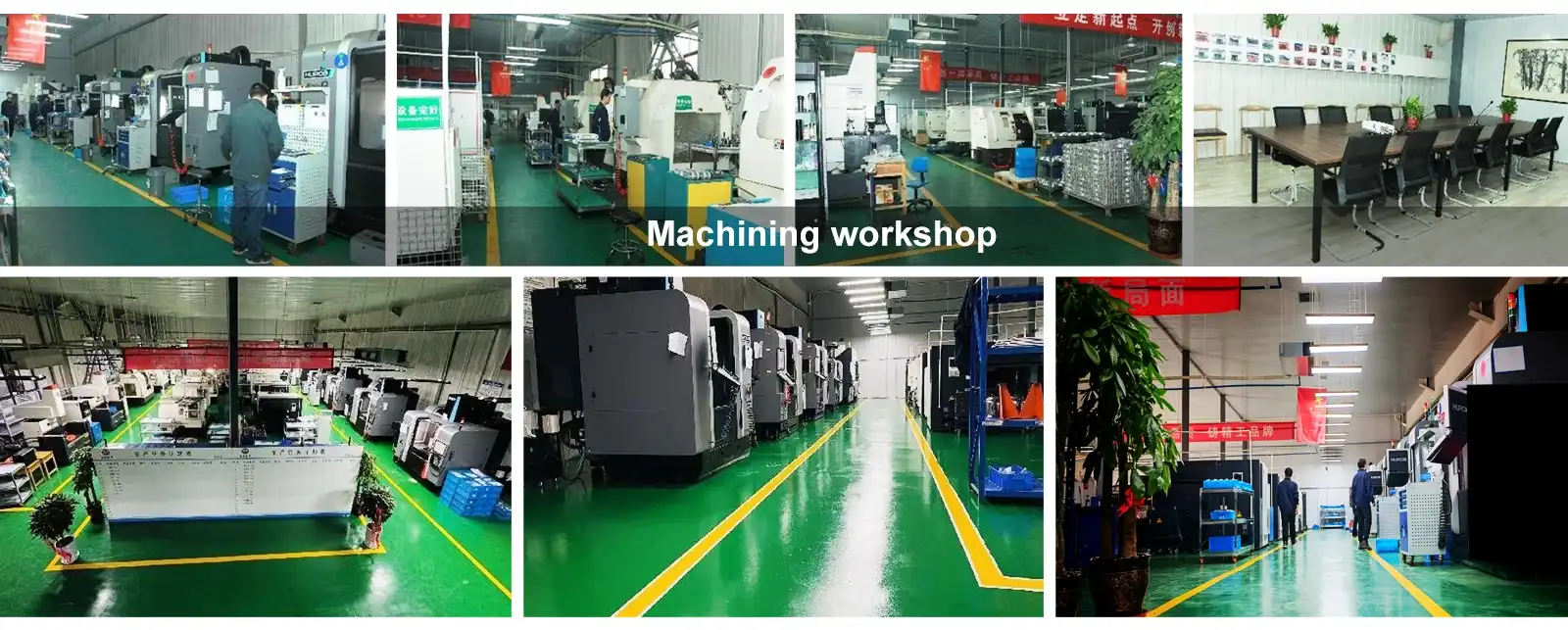
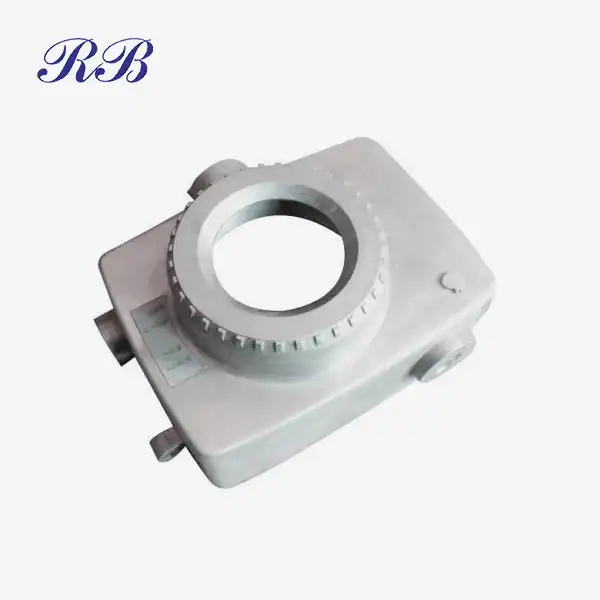
Control valves for natural gas are one of the main uses for aluminum casting accessories that work really well. For these systems to work, they need housings that keep the internal parts safe from the outside world while still letting repair workers get to them. Our standard valve housing weighs 0.8 kg, which is the right amount of weight for both structural strength and ease of installation. This makes field deployment more efficient for assembly line workers.
Gas meter covers that protect them are another important group. These enclosures protect sensitive measuring tools from damage from the weather, drops, and people who aren't supposed to be there. Custom casting lets mounting features, cable entry points, and ventilation holes all be built into a single part, which cuts down on assembly steps and potential failure points.
For alarm device covers, you need to think about a few extra things. These kinds of parts have to be able to hold electrical assemblies and protect against electromagnetic fields and the surroundings up to IP65 standards. Our OEM/ODM approach lets manufacturers combine several stamped or welded parts into a single cast housing. This cuts down on assembly work and makes the product more reliable.
Industry-Specific Performance Requirements
Castings made of aluminum are being used more and more in the automotive industry for fuel system parts because they are lighter and more efficient. For aerospace uses, castings need to have non-destructive testing documents and the ability to trace back to the original materials. Our quality systems regularly meet these needs.
Longevity and easy maintenance are important to industrial gas distribution networks. Parts of these systems may be used for decades, even when they are exposed to high and low temperatures and toxic atmospheres. In many situations, aluminum's natural resistance to corrosion is better than steel's, which lowers lifecycle costs even though the initial investment may be higher.
Comparative Material Advantages
Steel casts have higher tensile strength, but they are much heavier and need to be coated to keep them from rusting. Plastic injection casting is cheaper for low-pressure uses, but it doesn't have the thermal stability and mechanical strength that gas systems need for high temperatures or impacts.
Forged aluminum parts have great mechanical qualities, but they cost more to make and take longer to ship for unique shapes. Because die-cast aluminum casting accessories are both flexible in terms of form and easy to make, they can be cheaply made in batches as small as 500 to 1,000 units. This is an important thing for makers who are trying to reach niche markets.
Buying Aluminum Casting Accessories for Gas Systems
Navigating Sourcing Channels Effectively
When compared to distributor networks, working directly with manufacturers usually leads to better prices and contact. When looking to buy from Chinese companies like Xi'an-based Rongbao Enterprise, it's important to know how long the creation process takes. Standard tooling development takes 6–8 weeks, then 3–4 weeks for initial sampling and validation. These times get a lot shorter for repeat orders that use molds that have already been made.
Online business-to-business (B2B) tools help find suppliers at first, but they shouldn't take the place of direct technical talks. Engineers from both companies work together on joint design reviews to make sure that complex parts can be made, that costs can be kept as low as possible, and that quality standards are met before production promises are made.
Understanding Pricing Structures
Changes in quotes often show differences in what the casting is for. Tooling amortization, material prices, machining processes, surface treatments, quality checks, and packing should all be included in the final price. As part of our normal process, we package parts in wooden boxes that are meant to keep them safe during foreign shipping and stop damage that could compromise the safety of the gas system.
In international business-to-business transactions, payment terms usually involve deposits. Usually, 30% is paid up front to start the tooling process, and the rest is due when the goods are shipped. Once a relationship is established, things may become more flexible, but these safety measures are usually needed for both parties during the beginning stages of an engagement.
Ensuring Product Quality and Compliance
Material certification paperwork lets you track a part from the raw alloy all the way through to the finished product. Reliable providers give mill test papers that prove the alloy's makeup, the results of mechanical property tests, and records of dimensional inspections. When you need to get permission from regulatory bodies or do a failure study in case there are problems in the field, these papers become very important.
Verifying an OEM relationship helps you figure out how much experience a seller has with your type of application. Manufacturers who work with well-known gas equipment makers know how to meet compliance requirements, what the quality standards are for their industry, and how to set up their production systems so that they always meet those standards.

FAQs
Why do gas system manufacturers prefer aluminum casting accessories over other materials?
For gas uses, aluminum casting accessories have the best mix of qualities. The material naturally doesn't rust and doesn't need any protection coatings. It also stays structurally sound across the temperature ranges that are common in gas distribution systems. Finally, it weighs a lot less than steel options, which means it requires less installation work and structural support. Die-cast aluminum parts have tight size tolerances and smooth surfaces that keep leak paths to a minimum in pressure-containing systems, which is important for safety standards.
How do aluminum components compare with steel or plastic alternatives in gas systems?
Steel has a higher tensile strength, but it needs to be protected from corrosion, is heavier to install, and is harder to machine. Aluminum casting accessories are strong enough for most gas system uses and makes construction easier. Plastics work well in low-pressure, non-critical situations, but they aren't stable at high temperatures or resistant to impacts, which are important for many parts of gas infrastructure. The thermal conductivity of aluminum also helps heat escape from valve assemblies that get hot while they're working.
What should I evaluate when selecting an aluminum casting accessories supplier?
Give more weight to manufacturers who have the right ISO certifications—these frameworks show systematic quality management instead of random inspections. Check that the provider can handle both small samples and large-scale production by comparing their production ability to your volume needs. It's very important that suppliers can provide technical support; companies that offer mold development, secondary operations, and surface treatments become partners instead of vendors. Before making a promise, make sure you have the material certifications, dimensional inspection data, and references from buyers who have used similar products.
Partner with Trusted Aluminum Casting Accessories Manufacturer
To find precisely engineered parts for gas safety systems, you need to find a manufacturer with technical know-how, quality systems that are certified, and quick customer service. Rongbao Enterprise has been specializing in aluminum casting accessories for 20 years and can help gas equipment makers find trusted suppliers of parts. Our Xi'an facility does shot blasting, high-pressure die casting, and CNC machining all under one roof. We send you finished parts that are ready to be put together on your assembly lines.
Our ISO9001:2015, ISO14001, and ISO45001 certifications show that we care about quality, the environment, and worker safety. These are all important things that help keep your supply chain stable. Since 70% of our production goes to markets in Europe, the United States, and Japan, we know what it means to communicate and follow international rules. Through joint engineering, our OEM/ODM services turn your ideas into parts that are ready for production.
Our team can help you with technical questions from the beginning of the planning process all the way through mass production, whether you need A380 metal housings for natural gas control valves or custom protective cases for alarm systems. Get in touch with us at steve.zhou@263.net or zhouyi@rongbaocasting.com to talk about the aluminum casting accessories you need. You can see all of our services and ask for specifics about the parts you need for your gas system by going to rongbaocasting.com.
Conclusion
Aluminum casting accessories have been used for a long time to help gas system makers balance efficiency, cost, and regulation compliance. Because it doesn't rust, stays stable at high temperatures, and can be designed in a variety of ways, the material is perfect for control valves, safe housings, and alarm device casings that are used in natural gas infrastructure. High-pressure die casting gives these uses the precise dimensions and high-quality surfaces they need while also making production efficient for a range of order sizes. By choosing suppliers with a wide range of certifications, the ability to manufacture components on-site, and experience in the industry, you can be sure that the parts you receive meet both functional and safety standards. This leads to more reliable gas system operation and easier procurement processes.
References
Anderson, M.K. "Aluminum Alloy Selection for Pressure Vessel Applications in Gas Distribution Systems." Journal of Materials Engineering and Performance, vol. 28, no. 4, 2019, pp. 2156-2168.
Chen, W.L. and Rodriguez, J.A. "High-Pressure Die Casting Process Optimization for Thin-Walled Aluminum Components." International Journal of Advanced Manufacturing Technology, vol. 105, no. 7-8, 2020, pp. 3241-3255.
European Committee for Standardization. "Gas Supply Systems - Metallic Materials for Gas Infrastructure." EN 10213 Standard Specifications, 2018 edition.
Hoffman, R.T. "Corrosion Resistance of Aluminum Alloys in Natural Gas Environments: A Comparative Study." Corrosion Science Journal, vol. 162, 2020, pp. 108-119.
National Fire Protection Association. "Safety Requirements for Aluminum Castings in Hazardous Gas Locations." NFPA 497 Classification Guide, 2021 revision.
Zhang, Y.H. et al. "Quality Control Methods in Aluminum Die Casting for Safety-Critical Applications." Manufacturing Review International, vol. 7, no. 2, 2020, pp. 89-104.
Learn about our latest products and discounts through SMS or email