- English
- French
- German
- Portuguese
- Spanish
- Russian
- Japanese
- Korean
- Arabic
- Greek
- German
- Turkish
- Italian
- Danish
- Romanian
- Indonesian
- Czech
- Afrikaans
- Swedish
- Polish
- Basque
- Catalan
- Esperanto
- Hindi
- Lao
- Albanian
- Amharic
- Armenian
- Azerbaijani
- Belarusian
- Bengali
- Bosnian
- Bulgarian
- Cebuano
- Chichewa
- Corsican
- Croatian
- Dutch
- Estonian
- Filipino
- Finnish
- Frisian
- Galician
- Georgian
- Gujarati
- Haitian
- Hausa
- Hawaiian
- Hebrew
- Hmong
- Hungarian
- Icelandic
- Igbo
- Javanese
- Kannada
- Kazakh
- Khmer
- Kurdish
- Kyrgyz
- Latin
- Latvian
- Lithuanian
- Luxembou..
- Macedonian
- Malagasy
- Malay
- Malayalam
- Maltese
- Maori
- Marathi
- Mongolian
- Burmese
- Nepali
- Norwegian
- Pashto
- Persian
- Punjabi
- Serbian
- Sesotho
- Sinhala
- Slovak
- Slovenian
- Somali
- Samoan
- Scots Gaelic
- Shona
- Sindhi
- Sundanese
- Swahili
- Tajik
- Tamil
- Telugu
- Thai
- Ukrainian
- Urdu
- Uzbek
- Vietnamese
- Welsh
- Xhosa
- Yiddish
- Yoruba
- Zulu
Aluminium Casting Process Step By Step
Modern manufacturing relies on the aluminium casting process, which turns basic materials into highly developed parts that are used in all kinds of businesses throughout the globe. Lightweight and long-lasting solutions are what today's demanding applications need, and this advanced production technology provides them, from housings for aircraft engines to engine blocks for automobiles. For procurement experts, engineers, and distributors looking for dependable suppliers that can maintain competitive pricing while meeting strict quality requirements, understanding each stage of the aluminium casting process becomes essential.
With the technical insights provided by this all-inclusive reference, decision-makers will be able to assess suppliers, optimize requirements, and guarantee favorable project results related to aluminum casting. By understanding these basics, you'll be better able to choose the casting method and partner that fits your needs, whether you're seeking parts for large machinery, commercial vehicles, or precise industrial equipment.
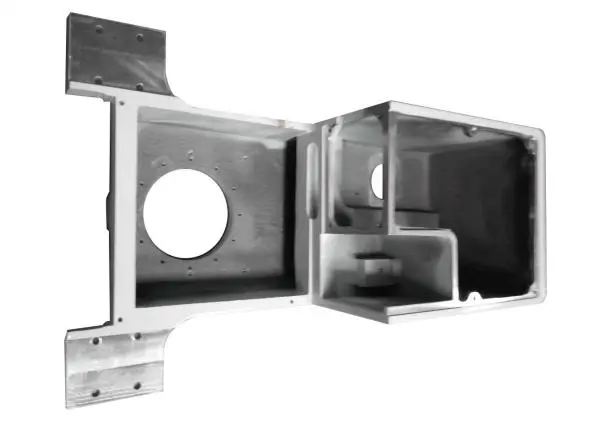
Understanding the Aluminium Casting Process: Overview and Key Types
In the industrial process known as "aluminum casting," molten aluminum alloy is shaped into desired objects by chilling it in controlled environments inside molds. Aluminum has better strength-to-weight ratios and outstanding corrosion resistance than steel casting, which necessitates higher temperatures and introduces higher material prices. Because of this, it is very beneficial for uses like automotive and aerospace components, where reducing weight has a direct effect on performance.
Primary Aluminium Casting Methods
Many different casting methods are used in the industry, each one fine-tuned for certain production needs and quality standards. Die casting, which makes use of high-pressure injection into steel molds, is perfect for complicated geometries because it produces parts with perfect dimensions and smooth surfaces. Sand casting is a cost-effective method for bigger components or lower-volume manufacturing runs. It employs disposable sand molds. Using ceramic shell molds, investment casting produces intricately detailed components with tolerances that are comparable to machined quality.
When procurement teams are aware of these basic distinctions, they are better able to match casting processes with project requirements. For big, structurally durable components where surface finish standards are less demanding, sand casting may be preferred by construction equipment makers, whereas die casting is more often used by high-volume automotive suppliers due to its constant quality and fast production cycles.
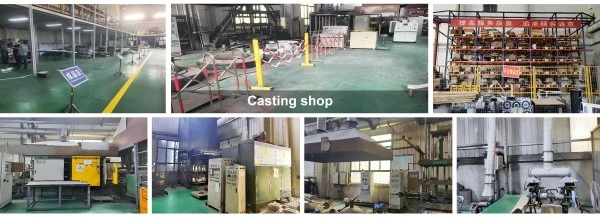
Material Properties and Applications
Casting alloys made of aluminum have a wide range of properties that make them ideal for a variety of commercial uses. A356 aluminum is a common choice for structural components and wheels because of its strong mechanical qualities and great castability. Die casting complex consumer goods and electronic housings is a breeze with A380's improved fluidity and top-notch die casting capabilities. It is crucial to give careful thought to these material choices during the specification process since they have a major influence on the performance of the finished component.
Step-by-Step Aluminium Casting Process Explained
The finished component's quality, dimensional correctness, and mechanical qualities are all determined by the aluminium casting process' five crucial steps. To get consistent outcomes that are up to par with industry standards, careful management and monitoring are required at every stage.
Mold Preparation and Design
Pattern development is the first step in mold preparation; engineers create exact templates that specify the geometry of the final component. Reusable patterns encased in compacted sand mixes are used in sand casting, while machined steel molds that can endure multiple high-pressure cycles are used in die casting. When solid casting fails to provide the desired result, such as an interior cavity or a complicated internal geometry, core placement becomes crucial.
Before adding molten metal to a mold, it is important to heat it to the ideal temperature for the process. Cold closes, misruns, and dimensional deviations are frequent flaws that may impact component performance. To avoid these, it is important to properly prepare the mold. Proper draft angles, consistent wall thickness, and smart gate placement are all components of a well-designed mold that allow metal to flow smoothly throughout the hollow.
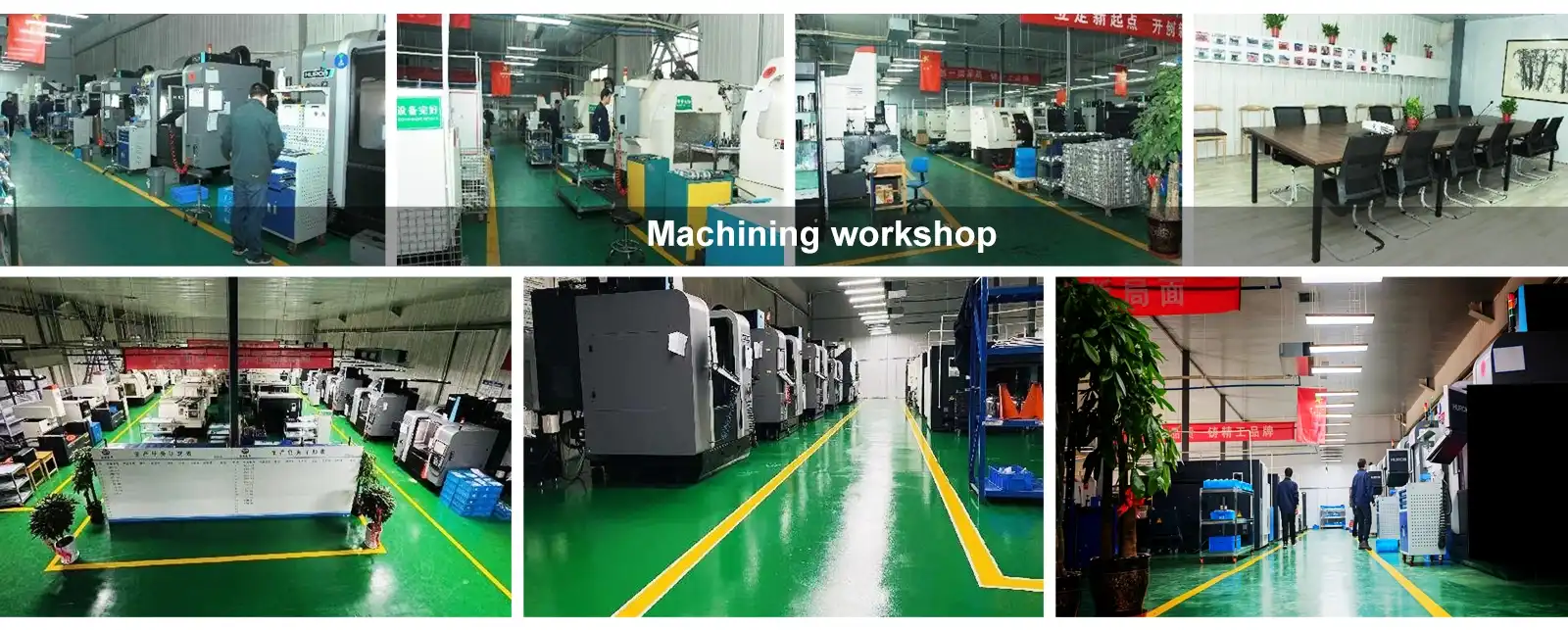
Melting and Alloy Preparation
Temperatures between 700 and 760 degrees Celsius (or 1300 to 1400 degrees Fahrenheit) are usually needed for melting processes, however this might vary with the particular composition of the aluminum alloy. With today's induction furnaces, you can precisely control the temperature while reducing metal loss and oxidation. Prior to casting, alloy chemistry verification guarantees that the material meets all requirements.
In order to prevent completed castings from developing porosity problems, degassing methods eliminate dissolved hydrogen and other contaminants. Protective atmospheres limit contamination during melting cycles, while flux inputs assist remove oxide inclusions. The strength and dependability of the finished component are directly affected by these metallurgical parameters.
Pouring and Injection Techniques
The techniques of metal insertion in casting differ greatly from one another. To ensure that the mold is filled to the top while using gravity casting, the pouring rates must be carefully managed to avoid turbulence. Melted metal is pushed into mold cavities by means of risers in low-pressure casting, which makes use of controlled pressure application, usually at a pressure of around 0.7 bar. To quickly fill cavities and reproduce surface details to a high standard, high-pressure die casting makes use of injection pressures more than 1000 bar.
The design of an effective gating system controls the rate and direction of metal flow, reducing the likelihood of oxide development and air entrapment. In order to avoid weak zones or partial filling caused by early solidification, it is important to strategically arrange runners so that the temperature distribution throughout the casting is consistent.
Controlled Cooling and Solidification
The mechanical characteristics and ultimate grain structure are determined by the regulation of solidification. By regulating the rate of cooling, thermal stress may be avoided and crystallization can be enhanced uniformly over the whole cross-section of the component. The elimination of shrinkage porosity is achieved by the use of directional solidification procedures, which guarantee that the metal freezes gradually from thinner to heavier places.
To account for changes in component shape and wall thickness, cooling systems are designed with suitable thermal gradients. The correct time of solidification is crucial in order to avoid hot ripping and to feed the shrinkage regions adequately using risers and feeders that are properly placed.

Finishing and Quality Verification
Methodical removal from molds and subsequent trimming of the runner and gating systems are post-casting processes. A wide variety of surface finishing processes are available, from simple shot blasting to precise machining, depending on the surface's key dimensions. Controlled aging and stress relief cycles are two ways in which heat treatment methods could improve mechanical characteristics.
Dimensional checking, surface analysis, and mechanical property testing are all part of quality assurance. Components that may have performance issues due to interior porosity or inclusion flaws may be found using non-destructive testing techniques, such as X-ray inspection. Before items are sent out, they undergo thorough quality inspections to make sure they fulfill all specifications.
Ensuring Quality and Performance: Maintenance and Defect Prevention
Consistent output is the goal of quality assurance in the aluminium casting process, which calls for thorough maintenance routines and methodical approaches to fault avoidance. Proactive quality management is made possible by understanding frequent failure mechanisms.
Common Casting Defects and Prevention
The most common casting flaw is porosity, which may be produced by gasses trapped within or by shrinkage when the material solidifies. Optimal gate design, regulated cooling rates, and correct degassing methods are all part of the prevention strategy. Excessive hydrogen in molten metal is a common cause of gas porosity, which calls for better melting techniques and protective environments.
When metal streams do not correctly merge during mold filling, cold shuts happen. Often appearing close to intricate geometric transitions, these flaws degrade mechanical qualities. For optimal metal flow characteristics during pouring, better gating systems, and sufficient mold preheating are necessary for prevention.
Inadequate metal fluidity or early solidification are the most common causes of misruns, which indicate inadequate mold filling. Optimizing temperatures, selecting better alloys, or modifying gating systems to facilitate full cavity filling under production circumstances are all necessary to resolve these challenges.
Metallurgical Optimization Strategies
When it comes to casting success and the performance of the finished component, alloy selection is crucial. Because of its high castability and superior mechanical qualities, A356 aluminum is a great choice for structural uses. For intricate thin-wall components, A380 offers better die casting properties with increased fluidity. In order to avoid performance problems and manufacturing challenges, it is important to match the alloy with the application requirements correctly.
Controlled precipitation hardening or stress release cycles are two ways in which heat treatment methods may greatly enhance mechanical characteristics. The strength values are usually doubled at T6 temper conditions as compared to as-cast circumstances, which allows for weight reduction or increased load capacity in important applications.
Equipment Maintenance Protocols
As part of routine furnace maintenance, you should check the refractory, verify the temperature calibration, and validate the atmosphere control system. These safeguards avoid contamination problems that lower casting quality and provide consistent melting conditions. Equipment operating life is extended and unscheduled downtime is minimized by systematic maintenance scheduling.
The specific steps to clean, verify dimensions, and monitor wear patterns in a mold might vary depending on the casting procedure, but these are the basics. In order to maintain production rates and dimensional accuracy in die casting molds, it is necessary to resurface and examine the cooling system on a regular basis. Maintenance records that are up-to-date allow for study of quality trends and predictive replacement scheduling.

Environmental and Economic Considerations in Aluminium Casting
Production efficiency, environmental responsibility, and cost competitiveness are the three pillars upon which modern aluminum casting processes rest. In order to ensure the longevity of a company, it is crucial to comprehend these characteristics.
Environmental Impact Management
Energy usage, trash production, and emissions management are only a few of the environmental concerns that arise from aluminum casting. Furnace efficiency improvement is vital for decreasing carbon footprints since melting activities require a lot of energy. When compared to earlier technologies, modern induction furnaces significantly reduce energy consumption, achieving thermal efficiencies above 85%.
Improving gate design and implementing recycling systems to recover runners, risers, and faulty castings are at the heart of waste reduction measures, which aim to maximize yield. The energy required for recycling aluminum is about 5% of that required for initial manufacturing, which makes closed-loop material management both economically appealing and environmentally beneficial.
Particulate matter and volatile organic compound emissions from melting and molding processes may be controlled by installing an emission control system. Effortlessly complying with strict environmental laws is now possible thanks to cutting-edge filtration and scrubbing technologies integrated into modern facilities.
Economic Analysis and Cost Optimization
Before deciding to invest in new equipment, it's important to calculate production quantities, component complexity, and market needs. Despite the high-priced startup expenses, high-pressure die casting techniques provide cheap per-unit prices when producing in large quantities. Sand casting processes have longer cycle durations, a larger worker content, and lower capital investment requirements.
Volume demands, quality control requirements, and a focus on core competencies are the three main factors to consider when deciding between outsourcing and in-house manufacturing. Strategic alliances with specialist casting suppliers that can adapt capacity to fluctuating demand and retain knowledge in certain alloys or processes are attractive to many firms.
Amortization of tools, materials, energy, quality control, and logistics must all be included into total cost analyses. Finding the sweet spot between upfront investment amounts and ongoing operational efficiency and quality consistency is essential for cost optimization.
Supplier Evaluation Criteria
Certifications for quality, manufacturing capacity, technical skills, and financial stability are all part of an effective supplier evaluation. Systematic quality management is shown by ISO 9001 certification, while conformity with the automobile industry standards is demonstrated by IATF 16949 certification. Obtaining environmental certifications such as ISO 14001 demonstrates a dedication to producing goods in a sustainable manner.
Considerations for evaluating production capacity should include the capabilities of equipment, the stability of the workforce, and the possibility for growth to meet increasing demand. Expertise in alloys, capacity to optimize processes, and design support services that go beyond simple production are all part of a technical evaluation.
Company Introduction and Service Offerings
For the industrial markets across the world, Rongbao Enterprise is the go-to supplier of aluminum casting solutions and all-encompassing production services. We have been a reliable resource for businesses in the automotive, construction, energy, and industrial equipment industries for precise aluminum components for over 20 years.
All aspects of the aluminium casting process, including high-pressure die casting, low-pressure casting, gravity casting, and precision machining, are covered by our manufacturing expertise. By using this all-encompassing approach, we are able to cater to a wide range of material needs and provide tailored solutions that fulfill precise performance standards. Offering customers completely integrated manufacturing solutions, our value-added services go beyond basic casting and include mold creation, surface treatment, and complete component finishing.
Quality Assurance and Certifications
The fact that we have achieved triple certification (ISO 9001, ISO 14001, and ISO 45001) shows how serious we are about quality management, being responsible to the environment, and making sure everyone on the job is safe. All of the components we make are guaranteed to be of the highest quality and to help our customers achieve their compliance goals by adhering to these globally recognized standards.
Starting with the examination of incoming raw materials and continuing through the certification of final goods, our quality control system covers the whole manufacturing chain. Dimensional measurement, mechanical property assessment, and non-destructive testing procedures are all part of advanced testing capabilities that ensure component integrity. Consistent delivery of high-quality products that satisfy both international standards and client demands is guaranteed by this all-encompassing strategy.
Global Market Presence and Expertise
Our capacity to satisfy international quality standards and delivery needs is evident in the fact that 70% of our manufacturing is sent to export markets, such as Europe, the United States, and Japan. As a result of our extensive travel, we have developed a deeper comprehension of the varying demands of the industry and formed fruitful alliances with prominent manufacturers all over the globe.
The core principles of our operational philosophy, which include "sincerity, precision, innovation, and efficiency," serve as a compass for all engagements with our customers. We want to build relationships that benefit all parties involved by being transparent, working together technically, and using sustainable business methods. Equipment manufacturers may simplify their supply chains with the aid of our integrated component solutions, which provide access to extensive manufacturing experience.
Conclusion
Mastering the aluminium casting process requires understanding each critical step while recognizing how material selection, process optimization, and quality control measures impact final component performance. Successful implementation depends on selecting appropriate casting methods that match production volumes, complexity requirements, and performance specifications. The five fundamental steps—mold preparation, melting, pouring, solidification, and finishing—each contribute essential elements that determine casting success. Quality assurance protocols and defect prevention strategies ensure consistent results while environmental and economic considerations guide sustainable manufacturing decisions.
Partner With Rongbao Enterprise for Your Aluminium Casting Process Needs
Rongbao Enterprise combines advanced aluminium casting process expertise with comprehensive manufacturing capabilities to deliver exceptional results for your most demanding applications. Our experienced team provides complete technical support from initial design consultation through final component delivery, ensuring optimal outcomes for your specific requirements. With proven success serving automotive, construction, energy, and industrial equipment markets globally, we understand the unique challenges facing procurement professionals and engineers in today's competitive environment. Contact our specialists at steve.zhou@263.net or zhouyi@rongbaocasting.com to discuss your aluminum casting process requirements and discover how our integrated solutions can enhance your project success while reducing total cost of ownership.
FAQ
What are the main advantages of aluminium die casting over other manufacturing methods?
Aluminium die casting offers exceptional dimensional accuracy, typically achieving tolerances of ±0.003 to ±0.005 inches without secondary machining. The process delivers excellent surface finishes, high production rates exceeding 1000 parts per hour for smaller components, and superior material properties through controlled cooling. Complex geometries with thin walls and intricate details become economically feasible while maintaining consistent quality across large production volumes.
How can common casting defects be identified and prevented effectively?
Porosity appears as small voids visible through X-ray inspection or surface examination, prevented through proper degassing and controlled cooling rates. Cold shuts manifest as visible lines where metal streams failed to fuse, eliminated through optimized pouring temperatures and improved gating design. Misruns show incomplete filling patterns, addressed through enhanced metal fluidity and proper mold preheating procedures.
What criteria should guide selection of a reliable aluminium casting service provider?
Evaluate suppliers based on relevant certifications like ISO 9001 and IATF 16949, production capacity matching your volume requirements, and technical expertise in your specific alloys or applications. Assess quality control capabilities including testing equipment and inspection procedures. Consider geographic location, delivery performance history, and financial stability for long-term partnership viability.
References
1. Campbell, John. "Complete Casting Handbook: Metal Casting Processes, Metallurgy, Techniques and Design." Second Edition. Butterworth-Heinemann, 2015.
2. Dispinar, Derya and Campbell, John. "Critical Assessment of Reduced Pressure Test. Part 1: Porosity Phenomena." International Journal of Cast Metals Research, Vol. 17, No. 5, 2004.
3. Kaufman, J. Gilbert and Rooy, Elwin L. "Aluminum Alloy Castings: Properties, Processes, and Applications." ASM International, 2004.
4. Mondolfo, Luciano F. "Aluminum Alloys: Structure and Properties." Butterworth-Heinemann, 1976.
5. Shivkumar, S., Ricci, S., and Apelian, D. "Influence of Solution Parameters and Simplified Practice on Tensile Properties of A356 Alloy." AFS Transactions, Vol. 98, 1990.
6. Tiryakioğlu, M. and Campbell, J. "Quality Index for Aluminum Alloy Castings." International Journal of Metalcasting, Vol. 8, No. 3, 2014.

Learn about our latest products and discounts through SMS or email