- English
- French
- German
- Portuguese
- Spanish
- Russian
- Japanese
- Korean
- Arabic
- Greek
- German
- Turkish
- Italian
- Danish
- Romanian
- Indonesian
- Czech
- Afrikaans
- Swedish
- Polish
- Basque
- Catalan
- Esperanto
- Hindi
- Lao
- Albanian
- Amharic
- Armenian
- Azerbaijani
- Belarusian
- Bengali
- Bosnian
- Bulgarian
- Cebuano
- Chichewa
- Corsican
- Croatian
- Dutch
- Estonian
- Filipino
- Finnish
- Frisian
- Galician
- Georgian
- Gujarati
- Haitian
- Hausa
- Hawaiian
- Hebrew
- Hmong
- Hungarian
- Icelandic
- Igbo
- Javanese
- Kannada
- Kazakh
- Khmer
- Kurdish
- Kyrgyz
- Latin
- Latvian
- Lithuanian
- Luxembou..
- Macedonian
- Malagasy
- Malay
- Malayalam
- Maltese
- Maori
- Marathi
- Mongolian
- Burmese
- Nepali
- Norwegian
- Pashto
- Persian
- Punjabi
- Serbian
- Sesotho
- Sinhala
- Slovak
- Slovenian
- Somali
- Samoan
- Scots Gaelic
- Shona
- Sindhi
- Sundanese
- Swahili
- Tajik
- Tamil
- Telugu
- Thai
- Ukrainian
- Urdu
- Uzbek
- Vietnamese
- Welsh
- Xhosa
- Yiddish
- Yoruba
- Zulu
A380 High-Pressure Casting Accessories with ±0.05mm Tolerance
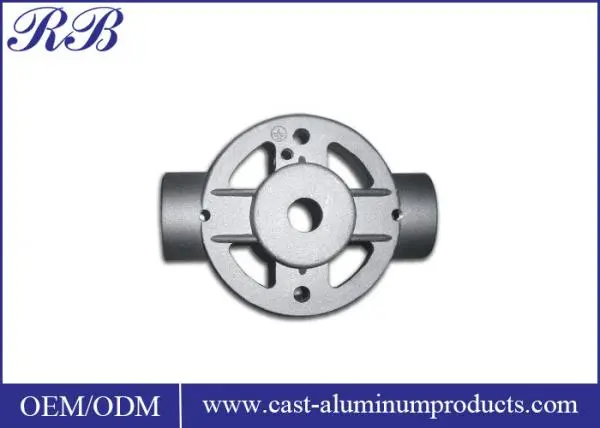
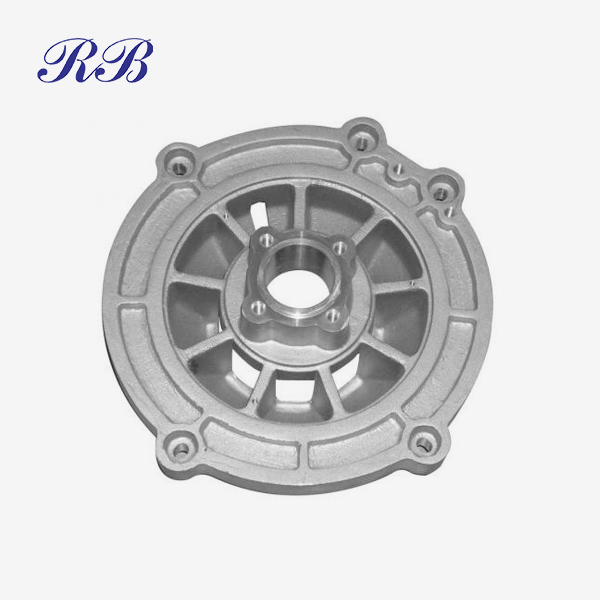
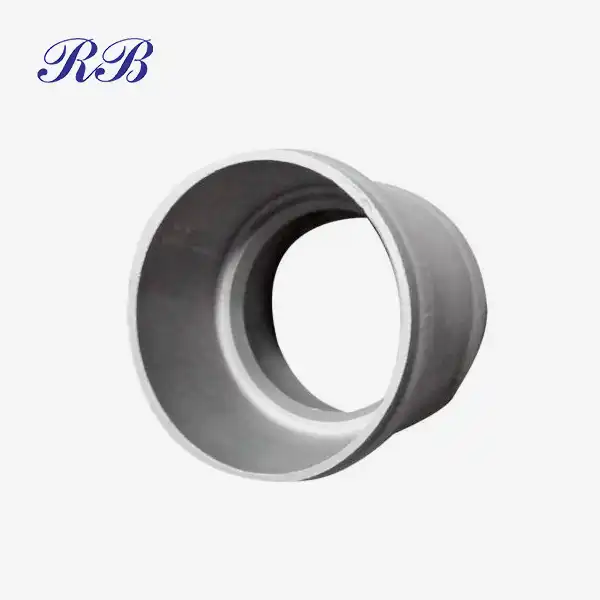
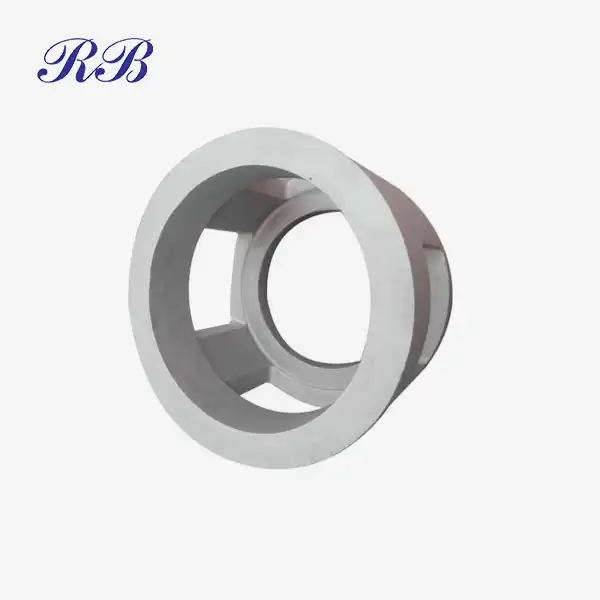
A380 high-pressure casting accessories with a final tolerance of ±0.05mm represent advanced precision manufacturing solutions for demanding industrial environments. These custom parts deliver reliable dimensional accuracy for safety critical applications across automotive, energy and general industrial sectors. For components such as natural gas control valves, this tight tolerance comes from a combined workflow of high-pressure die casting and CNC post machining. The process guarantees stable performance, improved operational safety and lower long term operating costs. This guide helps engineers, procurement managers and quality specialists understand the material traits, manufacturing workflow and practical benefits of A380 high-pressure die casting technology.
Material Foundation and Manufacturing Workflow for A380 Casting Accessories
To understand how A380 casting accessories achieve ±0.05mm tolerance, we first review the alloy composition, die casting workflow and quality control framework. The base high-pressure die casting process creates near-net shape blanks, while CNC machining finishes critical features to hit tight tolerance requirements. Every step shapes the final performance of these precision parts.
A380 Alloy Composition and Core Material Properties
A380 aluminum alloy is widely accepted as the standard material for high-pressure die casting casting accessories. It suits precision parts that require stable dimensions after production. The alloy contains 7.5–9.5% silicon and 3.0–4.0% copper. This balanced chemical mix delivers excellent castability and retains strong mechanical performance for heavy duty applications.
The silicon content improves fluidity during casting. It supports complex part geometries and reduces thermal expansion after the metal cools down. Copper adds strength and stabilizes the metal matrix. While raw die cast blanks cannot reach ±0.05mm directly, the good machinability of A380 makes it easy for CNC equipment to trim critical surfaces and bring finished parts to the target tolerance for gas control valves and similar safety parts.
High-Pressure Die Casting and Post Machining Process
High-pressure die casting injects molten aluminum into precision machined steel molds at pressures above 10,000 PSI. Fast injection and rapid solidification create fine grain structures and smooth as-cast surfaces. This step forms the near-net shape blank and reduces the total material removal required later.
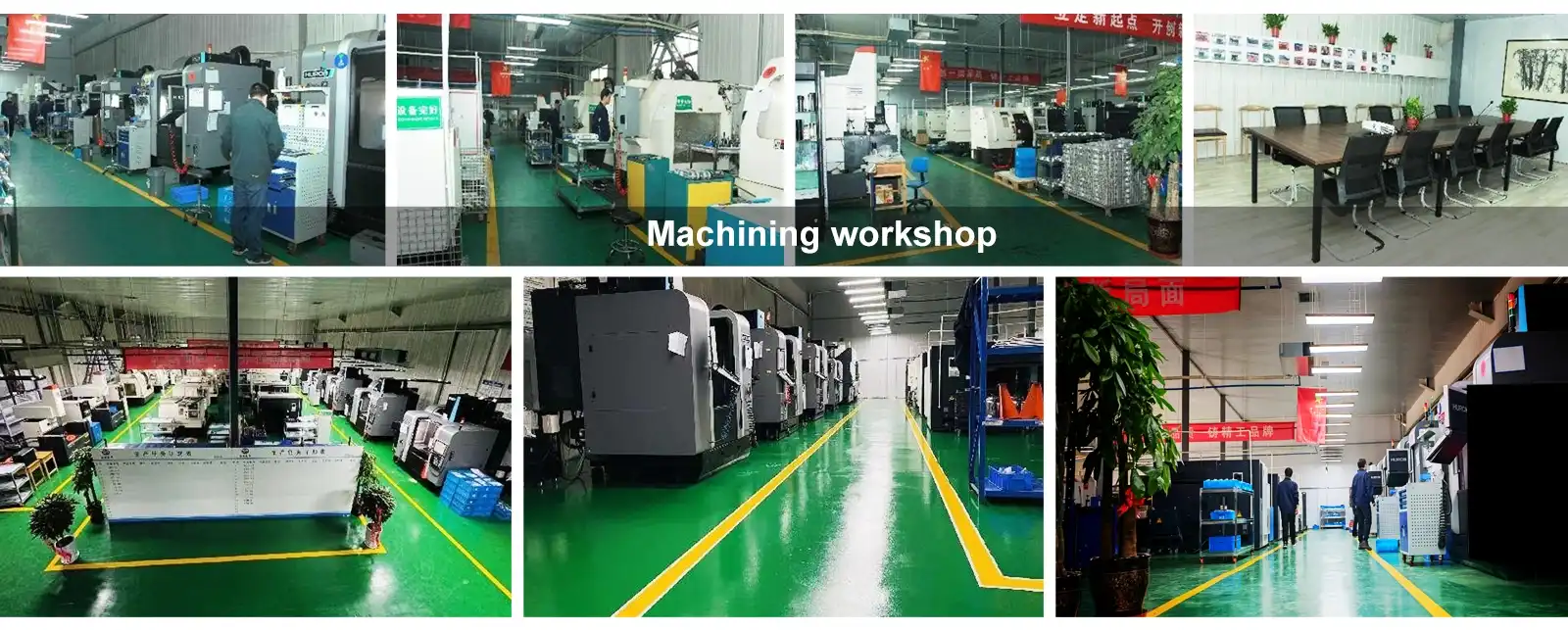
It is important to clarify that the as-cast blank alone cannot consistently hold ±0.05mm tolerance. We leave a controlled machining allowance on all critical surfaces. After casting, our team uses CNC machining to refine sealing faces, bore holes and mating features. This combined process ensures finished casting accessories can maintain ±0.05mm tolerance across full production batches. Shot blasting is also applied to remove surface oxide layers and prepare parts for coating.
Quality Certifications and In-Line Inspection Standards
Manufacturers of A380 precision parts must maintain strict quality systems to support repeatable precision. Our factory holds ISO9001:2015 for quality management, ISO14001 for environmental management and ISO45001 for occupational health and safety. These certifications prove stable manufacturing control for global procurement projects.
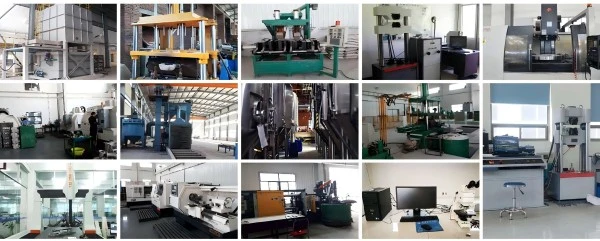
We use calibrated measuring tools and coordinate measuring machines for final dimensional checks. Statistical process control tracks dimension trends batch by batch. The inspection system catches process drift early, so every batch maintains consistent tolerance performance. All inspection records are available for review on safety critical projects such as natural gas valve components.
Once you understand the material and production process of A380 casting accessories, the next step is to select suitable parts that match your project targets. Supplier capability, application limits and production scalability all affect your final sourcing decision.
How to Select A380 Casting Accessories to Match Your Production Requirements?
Selecting A380 casting accessories requires balanced evaluation of application requirements, production scale and supplier qualification. The right parts balance performance, supply stability and total project cost. This section breaks down key factors procurement and engineering teams should evaluate before placing orders.
Application Specific Requirements for Precision Parts
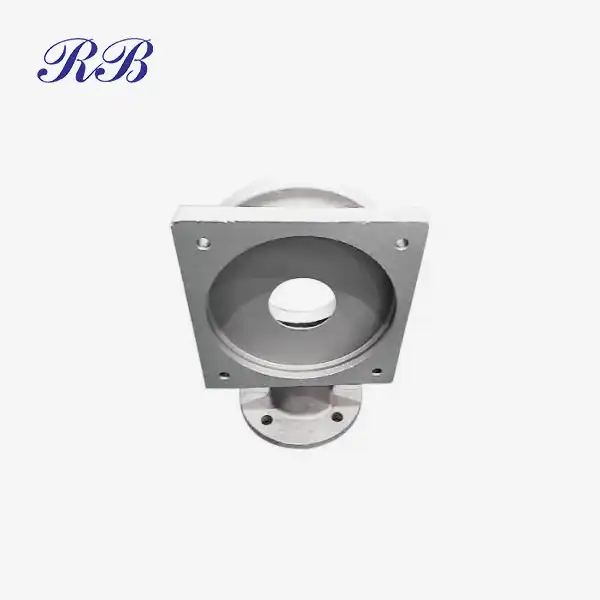
Natural gas control valve assemblies operate under strict safety rules. Even minor dimensional deviation can break sealing performance and create gas leakage risks. This is why finished casting accessories for these parts need ±0.05mm tolerance on all critical mating surfaces.
A380 is a strong fit for this application because of its dimensional stability and natural corrosion resistance. A typical valve part weighs around 0.8 kg. Each design needs custom specifications to maintain tolerance during its full service life. Before production starts, our engineering team completes design for manufacturability review. This review checks wall thickness, draft angles and machining stock to confirm your part can meet tolerance targets reliably.
Production Capacity and Scalability of Precision Parts
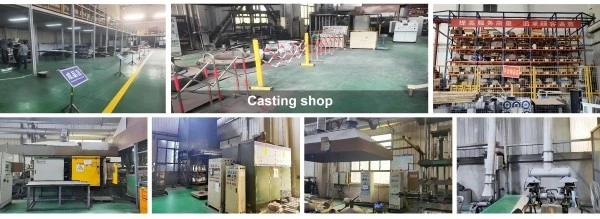
Your chosen supplier must have enough production capacity to support both prototype testing and mass production. Our Xi’an facility can produce more than 5,000 pieces each year while maintaining tight tolerance control. Advanced process monitoring tracks every production run to avoid quality drift as order volume increases.
Scalability matters for long term supply chain planning. The same manufacturing line handles small prototype batches and large volume orders. You do not need to switch suppliers when your project moves from sample validation to full commercial production. This continuity reduces risk for your supply chain of casting accessories.
Supplier Qualification Checklist for Precision Parts
When comparing suppliers for A380 precision parts, review three core areas: technical capability, quality certification and delivery track record. Reliable suppliers maintain full in-house resources including shot blasting equipment and CNC machining centers. They should offer OEM and ODM customization services to tailor parts to your unique drawing requirements.
Ask potential suppliers to share material test reports, dimensional inspection reports and past project references for gas or industrial valve parts. A qualified partner will complete DFM reviews before tooling starts and update you on process adjustments. This transparent workflow reduces delays and ensures your casting accessories match tolerance expectations.
After selecting your supplier and confirming design specifications, you need to evaluate total cost, long term performance and maintenance planning for your A380 casting accessories. The advantages of precision components extend far beyond initial purchase price.
Performance, Cost and Long-Term Maintenance of A380 Casting Accessories
A380 casting accessories deliver clear advantages for precision manufacturing projects. The full value includes stable dimensional performance, optimized processing cost and predictable service life. Proper maintenance and quality control preserve ±0.05mm tolerance over the component lifecycle.
Performance Advantages of Precision Components
The combination of A380 alloy and high-pressure die casting creates consistent near-net shape blanks. CNC finishing brings critical features to ±0.05mm tolerance. This level of dimensional stability reduces downstream machining work and cuts associated processing costs. It also guarantees interchangeability of parts in complex assemblies.
The fine grain structure from rapid solidification improves mechanical strength and surface integrity. Shot blasting creates uniform surface texture. This improves coating adhesion and corrosion resistance for parts used in natural gas valve systems. The surface treatment protects sealing surfaces and maintains consistent tolerance during operation, making these casting accessories suitable for high risk industrial environments.
Total Cost Analysis for A380 Precision Parts
A380 aluminum provides competitive material cost and good castability. It also supports recycling, which lowers environmental impact and long term material expense. High-pressure die casting forms near-net shape parts with minimal raw material waste. Tooling cost can be spread over large production runs to reduce unit price.
Automated production maintains stable accuracy while keeping labor cost under control. When calculating total cost of ownership, you should account for fewer maintenance tasks and less frequent part replacement. Precision parts with controlled tolerance reduce assembly rework and field failure risk, which creates larger savings over time.
Maintenance and Quality Control to Preserve Tolerance of Components
Continuous inspection and preventive maintenance help components keep their designed tolerance during operation. Regular dimensional checks with calibrated tools detect wear before it affects equipment performance. Coordinate measuring machines measure complex geometries, and statistical process control monitors production batches.
Basic preventive maintenance includes regular cleaning to remove contaminants and proper lubrication for moving assemblies. Storage and operating environments should stay within defined temperature and humidity limits to avoid premature degradation. A380 aluminum is fully recyclable. Closed loop recycling programs support sustainable manufacturing and reduce waste from end-of-life casting accessories.
Conclusion
A380 high-pressure casting accessories with ±0.05mm tolerance deliver reliable precision for safety critical industrial applications, especially natural gas control valves. The A380 alloy brings excellent castability, mechanical strength and corrosion resistance. High-pressure die casting forms near-net shape blanks, and in-house CNC machining finishes critical features to hit tight tolerance requirements. When you select qualified parts and follow proper inspection and maintenance routines, you can reduce assembly rework, improve system safety and control total operating costs.
Rongbao Enterprise brings 20 years of manufacturing experience to produce custom A380 casting accessories. Our Xi’an facility integrates die casting, shot blasting and CNC machining under one roof. We maintain ISO9001:2015, ISO14001 and ISO45001 certifications. Our engineering team provides DFM consultation to optimize your part design for manufacturability and consistent dimensional accuracy. We offer full OEM and ODM services and global shipping with secure wooden box packaging. Contact us to review your drawings and get a customized solution for your project.
FAQs
Q1: Why is ±0.05mm tolerance critical for A380 casting accessories in natural gas applications?
A1: Natural gas control valves rely on precise sealing to prevent gas leaks. The ±0.05mm tolerance maintains stable flow control and reliable sealing during operation. Small dimensional deviations can compromise safety and reduce equipment service life. This tight tolerance is achieved by CNC machining of die cast blanks, not by die casting alone.
Q2: How does A380 alloy compare to other aluminum casting materials for high-precision applications?
A2: A380 balances castability, fluidity, mechanical strength and corrosion resistance well. It is easier to cast into complex geometries than many alternative aluminum alloys. Its good machinability helps manufacturers finish parts to tight tolerance efficiently. It is a cost effective choice for high volume precision industrial components.
Q3: What post-processing operations are typically required for A380 casting accessories?
A3: Standard post-processing steps include shot blasting for surface cleaning, CNC machining for critical dimensional features and full dimensional inspection. Additional surface coatings can be added based on application requirements. The exact sequence of work is defined by your drawing, tolerance targets and operating environment.
Partner with Rongbao Enterprise for Premium A380 Casting Accessories
Rongbao Enterprise specializes in precision A380 casting accessories built to meet ±0.05mm tolerance on finished critical features. Our integrated manufacturing workflow covers raw material inspection, high-pressure die casting, CNC machining, surface treatment and final quality verification. We support OEM and ODM customization for natural gas control valves and other safety focused industrial components.
Our team reviews your CAD drawings early in the project. We provide DFM feedback to optimize your design for casting and machining, which reduces tooling risk and stabilizes tolerance performance. We ship worldwide with wooden case packaging to protect parts in transit. Our global logistics network delivers consistent lead times for international customers.
Get in touch at mailto:steve.zhou@263.net or mailto:zhouyi@rongbaocasting.com to share your drawings and project specifications. Our team will evaluate your requirements and prepare a detailed proposal. Visit rongbaocasting.com to learn more about our full manufacturing capabilities.
References
1. North American Die Casting Association. NADCA Product Specification Standards for Die Cast Aluminum Components. NADCA, 2020.
2. American Foundry Society. High-Pressure Die Casting Design and Manufacturing Guidelines for Aluminum Alloys. AFS Technical Publication, 2021.
3. Aluminum Association. Designations and Chemical Composition Limits for Aluminum Casting Alloys. Aluminum Association Technical Standards, 2018.
4. ASM International. ASM Metals Handbook Volume 15: Casting, Properties and Selection of Aluminum Die Casting Alloys. ASM International, 2019.
5. ASTM International. ASTM B85/B85M-18 Standard Specification for Aluminum Alloy Die Castings. ASTM, 2018.
6. Society of Manufacturing Engineers. Precision Manufacturing Techniques for Aluminum Die Cast Components in Industrial Applications. SME Technical Paper Series, 2021.
Learn about our latest products and discounts through SMS or email