- English
- French
- German
- Portuguese
- Spanish
- Russian
- Japanese
- Korean
- Arabic
- Greek
- German
- Turkish
- Italian
- Danish
- Romanian
- Indonesian
- Czech
- Afrikaans
- Swedish
- Polish
- Basque
- Catalan
- Esperanto
- Hindi
- Lao
- Albanian
- Amharic
- Armenian
- Azerbaijani
- Belarusian
- Bengali
- Bosnian
- Bulgarian
- Cebuano
- Chichewa
- Corsican
- Croatian
- Dutch
- Estonian
- Filipino
- Finnish
- Frisian
- Galician
- Georgian
- Gujarati
- Haitian
- Hausa
- Hawaiian
- Hebrew
- Hmong
- Hungarian
- Icelandic
- Igbo
- Javanese
- Kannada
- Kazakh
- Khmer
- Kurdish
- Kyrgyz
- Latin
- Latvian
- Lithuanian
- Luxembou..
- Macedonian
- Malagasy
- Malay
- Malayalam
- Maltese
- Maori
- Marathi
- Mongolian
- Burmese
- Nepali
- Norwegian
- Pashto
- Persian
- Punjabi
- Serbian
- Sesotho
- Sinhala
- Slovak
- Slovenian
- Somali
- Samoan
- Scots Gaelic
- Shona
- Sindhi
- Sundanese
- Swahili
- Tajik
- Tamil
- Telugu
- Thai
- Ukrainian
- Urdu
- Uzbek
- Vietnamese
- Welsh
- Xhosa
- Yiddish
- Yoruba
- Zulu
Best Custom Aluminum Cast Coupling Flange Uses for Fire Pump Bearing Cover in the Industrial Sector
Industrial fire pump systems serve critical safety purposes across many industrial sites. The bearing cover is one key component that keeps fire pumps stable during standby status and emergency operation. Properly matched custom aluminum cast coupling flange directly influences sealing performance, heat dissipation and overall service life of fire pump bearing assemblies. This article breaks down its practical value, core performance advantages, real‑world application scenarios and relevant manufacturing and quality considerations for industrial fire pump bearing cover projects.
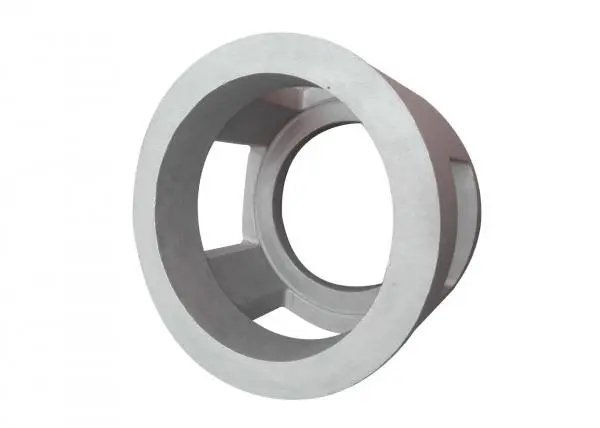
Core Performance Advantages of Custom Aluminum Cast Coupling Flange for Fire Pump Bearing Cover
Fire pump working conditions differ greatly from ordinary mechanical equipment. These units stay idle for long periods and must run reliably the moment fire emergencies occur. Component failure will bring huge safety risks. Before exploring practical usage scenarios, it is necessary to understand why this cast aluminum part can adapt to the harsh working environment of fire pump bearing cover assemblies. Compared with traditional steel flanges, it brings multiple targeted performance benefits for fire safety equipment.
Superior corrosion resistance for long‑term standby fire pump equipment
Most fire pump rooms and outdoor pump installation positions face persistent moisture and occasional chemical contact. Ordinary steel flanges are prone to rust after long‑term exposure to humid air. Rust will damage fitting surfaces and destroy sealing performance of fire pump bearing cover structures. A custom aluminum cast coupling flange takes advantage of the natural oxide layer formed on aluminum alloy surfaces. This protective layer slows down corrosion damage from water vapor and common industrial chemicals. For fire pumps that may sit unused for months or years, this feature greatly extends the service cycle of bearing cover matching parts. It cuts down regular maintenance work and avoids sealing failure when emergency fire tasks arise. It should be noted that aluminum alloys also have usage limits. When facing strong chemical medium erosion, users need to match additional surface treatment processes to further protect component surfaces.
Lightweight structure without sacrificing basic structural strength
Weight is an easy‑to‑ignore factor for fire pump component design. Heavy steel flanges add extra load to pump shaft and mounting structures. Long‑term stress will accelerate wear of fire pump bearing cover and related connecting parts. Relying on the low density of A356 aluminum alloy material, these cast‑aluminum parts realize obvious weight reduction while meeting mounting strength requirements. The reduced weight eases installation work for on‑site operators. For mobile fire pump units, lightweight parts also lower overall equipment load. Manufacturers can adjust casting structures and heat treatment processes according to customer drawing requirements. A custom aluminum cast coupling flange can achieve suitable tensile strength to cope with regular mechanical stress generated during fire pump operation.
Excellent thermal conductivity to support stable pump operation
Fire pumps may keep high‑speed running for a long time in fire emergency scenarios. Pump motors and bearing positions will continuously generate heat. Excessive heat buildup will trigger overheating faults and stop the whole fire protection system. These flanges act as auxiliary heat dissipation components matched to fire pump bearing cover. Aluminum alloy material delivers far better heat transfer capability than carbon steel materials. It conducts accumulated heat away from bearing assembly areas in time. This lowers local temperature of key positions and reduces the probability of over‑heat‑caused sudden shutdown. Engineers need to pay attention to material temperature limits. Aluminum materials will decline in strength under sustained high‑temperature conditions. Users should select material solutions combined with actual maximum working temperature of fire pump units. A custom aluminum cast coupling flange performs best within the recommended operating temperature window of fire pump hardware.
Casting customization capability to match unique bearing cover dimensions
Standard universal flanges cannot fit all types of industrial fire pump bearing cover structures. Different manufacturers produce fire pumps with varying bolt hole positions, sealing surface sizes and outline structures. Gravity casting technology can form complex internal and external geometry. Manufacturers make precise adjustments for sealing grooves, mounting hole positions and locating structures. After casting, CNC machining further guarantees dimensional accuracy. This high degree of customization ensures perfect fitting between hardware and fire pump bearing cover. It reduces assembly gaps, prevents leakage issues and keeps consistent performance for every batch of produced parts. For non‑standard pump designs, project engineers often turn to a custom aluminum cast coupling flange to resolve dimensional mismatch challenges.
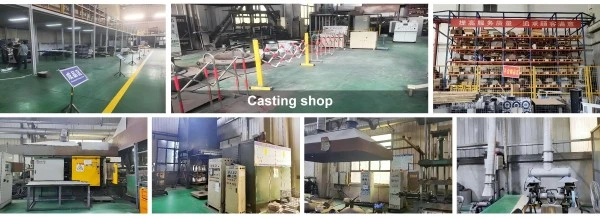
Practical Industrial Application Scenarios of Custom Aluminum Cast Coupling Flange on Fire Pump Bearing Cover
Based on the above‑mentioned performance strengths, these cast aluminum components obtain wide application value on fire pump bearing cover of multiple industrial fields. Different industrial working environments put forward differentiated requirements for fire pump components. Each scenario gives full play to different performance points of the hardware to guarantee stable operation of fire protection facilities.
Bearing assembly sealing and contamination prevention for general industrial fire pumps
The most fundamental function of flange hardware is to cooperate with fire pump bearing cover to build reliable sealing barriers. Dust, water droplets and sundries in the working environment may penetrate into internal bearing assemblies. Once foreign matter enters bearings, abrasion will speed up, and unexpected breakdowns may occur during emergency startup. Tailor‑made sealing channel structures block outside pollutants from invading bearing internal space. Factory fire pump systems in construction and energy industries run in complex environment. Good sealing performance helps lengthen bearing service life and cut down later maintenance costs. Even under continuous equipment vibration, the matched flange structure still maintains stable sealing effect. In general industrial fire protection deployments, a custom aluminum cast coupling flange serves as the primary barrier against bearing contamination.
Heat dissipation support for long‑time running industrial fire pump units
When fire accidents happen, industrial fire pumps need continuous operation for hours. Bearing and motor components keep releasing heat. If heat cannot dissipate smoothly, internal parts will suffer thermal damage. Flange hardware installed on fire pump bearing cover undertakes auxiliary heat dissipation work. Rapid heat transfer characteristics of aluminum alloy help export heat gathered around bearing positions. For construction site fire pump equipment which works under high ambient temperature, this function is particularly important. It helps maintain working temperature within normal range for bearing cover assemblies and avoids equipment failure caused by heat accumulation. Site operators benefit from the thermal performance built into a custom aluminum cast coupling flange during extended emergency pump runs.
Weight optimized deployment for mobile and outdoor fire pump installations
Many industrial scenarios use mobile skid‑mounted or outdoor‑placed fire pump equipment. Mobile fire pump units have strict restrictions on overall component weight. Heavy accessories will increase burden for vehicle or support frames. Lightweight flange hardware provides practical solutions for these fire pump bearing cover systems. The reduced overall weight simplifies on‑site installation and later replacement operations. For outdoor fire pump stations in coastal industrial zones, optimized alloy formula and supporting surface treatment resist humidity and salt‑fog corrosion in open‑air conditions. All these features preserve long‑term stable performance of fire pump bearing cover assemblies. Mobile fire safety systems gain notable operational advantages by adopting a custom aluminum cast coupling flange.
Vibration relief design for noise‑sensitive industrial fire protection sites
Fire pumps produce mechanical vibration in the course of operation. In industrial areas adjacent to office buildings and living areas, excessive vibration will bring noise pollution and also generate extra mechanical wear for fire pump bearing cover. Aluminum material itself does not possess natural damping properties. Manufacturers add special structural designs to flange bodies according to project requirements. Reasonable groove and step structures on flange bodies weaken vibration transmission paths. It reduces vibration delivered to bearing cover and connected pipelines. This structural design lowers component wear and meets noise control requirements of special industrial sites. For noise‑critical facilities, engineers leverage structural features of a custom aluminum cast coupling flange to mitigate vibration related risks.
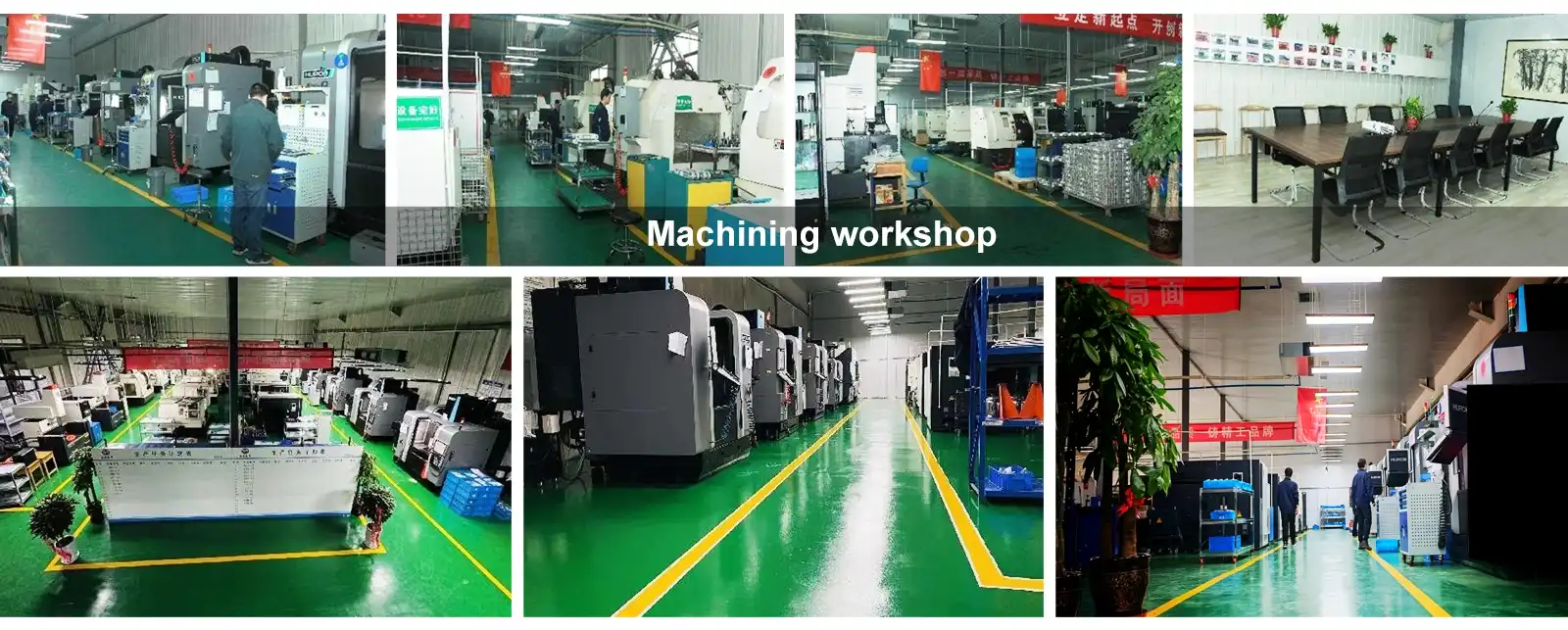
Manufacturing Quality and Procurement Guidance for Custom Aluminum Cast Coupling Flange
Good performance of cast‑aluminum flange hardware cannot be separated from standardized casting, machining and quality management processes. Industrial users purchasing fire pump related parts need to pay attention to material standards, certification conditions, production capacity and delivery cycles. These factors directly determine whether purchased hardware can meet fire pump bearing cover long‑term safe operation standards.
Material selection and core manufacturing process standards
A356 aluminum alloy is the preferred material for producing flange hardware matched with fire pump bearing cover. After T6 heat treatment, this alloy balances casting fluidity, machinability and mechanical strength. Gravity casting process is adopted to produce blank parts. This process effectively lowers internal porosity defects and guarantees uniform material performance of finished parts. After casting blanks are completed, CNC machining processes sealing surfaces, bolt holes and locating faces to reach required dimensional tolerance. Shot blasting and other surface treatments clean flange surface and improve surface condition for follow‑up anti‑corrosion treatment. Buyers can ask suppliers to provide material test reports to verify material indexes. All these production steps define the final quality level of a custom aluminum cast coupling flange.
Quality certification, production capacity and delivery notes
Fire safety related components attach great importance to quality management systems. Qualified suppliers should hold ISO 9001:2015 quality management certification, ISO 14001 environmental management certification and ISO 45001 occupational health and safety certification. These certificates reflect standardized management level during hardware production. Production capacity can reach up to 5000 pieces per batch, subject to part size and structural complexity. Standard delivery cycle ranges from 4 to 8 weeks after drawing confirmation. Sample production service is available for project verification. Products adopt wooden box packaging for international transportation. Wooden box packaging prevents collision and moisture damage for flange hardware during long‑distance shipping and ensures parts arrive ready for assembly onto fire pump bearing cover. Procurement teams review these production indicators when sourcing a custom aluminum cast coupling flange.
Key points for procurement and technical communication
When purchasing flange hardware for fire pump bearing cover, procurement and engineering teams need to sort out complete technical information and send to manufacturers. Necessary information includes 2D or 3D drawing files of target bearing cover, equipment working temperature range, on‑site corrosion environment, order quantity and applicable fire protection code requirements. Full information helps manufacturers optimize structural design, alloy selection and surface treatment schemes. Buyers should clearly know application boundaries of aluminum alloy parts. For working conditions with sustained ultra‑high temperature or heavy impact load, suppliers will suggest alternative material solutions. Clear technical communication lays the foundation for successful implementation of a custom aluminum cast coupling flange within your fire pump project.
Conclusion
A custom aluminum cast coupling flange occupies an irreplaceable position in supporting normal operation of industrial fire pump bearing cover. Its corrosion resistance, lightweight feature, thermal conductivity and high‑degree customization capability solve multiple practical pain points of industrial fire protection equipment. Fire pump systems need to keep reliable standby performance for years and respond instantly once emergencies take place. It protects internal bearing assemblies through reliable sealing structure, mitigates heat‑related risks, and adapts to diversified industrial working environments through tailor‑made design. It should be recognized that aluminum alloy materials also have applicable limits. No single material fits all fire pump working conditions. Engineering and procurement staff need to combine actual site conditions to complete material and structure selection. As industrial fire safety requirements keep getting stricter, reasonable application of this cast‑aluminum hardware will continue to help industrial enterprises improve the overall reliability of fire pump bearing cover assemblies and fire protection infrastructure.
FAQs
Q1: Why choose a custom aluminum cast coupling flange instead of steel flange for fire pump bearing cover?
A: Steel flanges have high mechanical strength, yet they are heavy and easy to corrode in humid fire pump working environment. This cast‑aluminum hardware brings obvious advantages in weight reduction, corrosion resistance and heat dissipation performance. Light weight reduces mechanical load on fire pump bearing cover. Natural anti‑corrosion property adapts to long‑term standby damp environment. Good thermal conductivity helps heat dissipation of bearing positions. However aluminum alloy is not suitable for scenarios with continuous high temperature or strong impact load. Users need to judge according to actual working conditions.
Q2: How does a custom aluminum cast coupling flange improve the reliability of fire pump bearing cover?
A: It is manufactured according to the actual dimension of fire pump bearing cover. Custom casting technology achieves complex sealing and positioning structures. Precise machining guarantees assembly fitting accuracy. It reduces assembly gaps and avoids foreign substance intrusion. Reasonable material selection slows down corrosion aging. Supported by complete quality inspection standards, each finished unit keeps stable consistency. All these factors jointly lift the long‑term operation reliability of fire pump bearing cover assemblies.
Q3: What is the production lead time and order range for a custom aluminum cast coupling flange for fire pump bearing cover?
A: Production lead time ranges from 4‑8 weeks after drawing final confirmation. Lead time will change according to part complexity, surface treatment types and order quantity. Suppliers support small‑batch sample production for project verification and large‑batch mass production up to 5000 pieces per batch. Customers can communicate with manufacturers about sample test, trial order and mass‑order plans based on project progress of fire pump bearing cover.
Q4: Does a custom aluminum cast coupling flange need extra surface anti‑corrosion treatment?
A: It forms natural anti‑corrosion oxide layer. For ordinary indoor pump‑room environment, basic shot‑blasting treatment can meet usage demands. If deployed in coastal, high‑humidity or chemical‑polluted industrial sites, anodizing or powder‑coating surface treatment is recommended. Suppliers will propose matched surface treatment suggestions after learning your on‑site environment of fire pump bearing cover.
Partner with Rongbao Enterprise for Premium Solutions (Call to Action)
Rongbao Enterprise is an experienced manufacturer focused on a custom aluminum cast coupling flange matched for fire pump bearing cover, with 20 years of precision gravity casting experience. Our service covers drawing evaluation, gravity casting blank production, CNC precision machining and diversified surface treatment. We hold ISO 9001:2015, ISO 14001 and ISO 45001 certifications. We can deliver material test reports and dimensional inspection records to support your fire‑safety‑related project acceptance work.
If you need to source this cast‑aluminum flange hardware for fire pump bearing cover, please send your drawing documents, working‑condition parameters and order expectations to our contact mailbox. Our engineering team will give professional technical feedback and quotation within two to three working days. You are welcome to consult about sample making, trial order and mass production cooperation.
Contact email: steve.zhou@263.net, zhouyi@rongbaocasting.com
References
Johnson, M.R. & Peterson, K.L. (2023). Advanced Materials in Fire Suppression Systems: Aluminum Alloy Applications and Performance Analysis. Journal of Fire Protection Engineering, 33(2), 145‑162.
Chen, Wei‑Ming et al. (2022). Gravity Casting Optimization for High‑Performance Aluminum Flanges in Industrial Applications. International Journal of Advanced Manufacturing Technology, 119(7), 4823‑4836.
Rodriguez, Carlos A. (2023). Quality Management Systems in Precision Casting: ISO Standards Implementation for Fire Safety Components. Quality Engineering International, 41(4), 78‑89.
Thompson, Sarah J. & Williams, David R. (2022). Corrosion Resistance Evaluation of A356 Aluminum Alloy in Fire Pump Environments. Materials and Corrosion, 73(8), 1234‑1245.
Kumar, Rajesh & Singh, Pradeep (2023). Thermal Management Solutions in Emergency Fire Systems: Material Selection and Design Considerations. Fire Technology, 59(3), 567‑584.
Anderson, James P. (2022). Supply Chain Optimization for Critical Fire Safety Components: A Comprehensive Analysis of Manufacturing and Logistics. Industrial Management & Data Systems, 122(6), 1456‑1471.
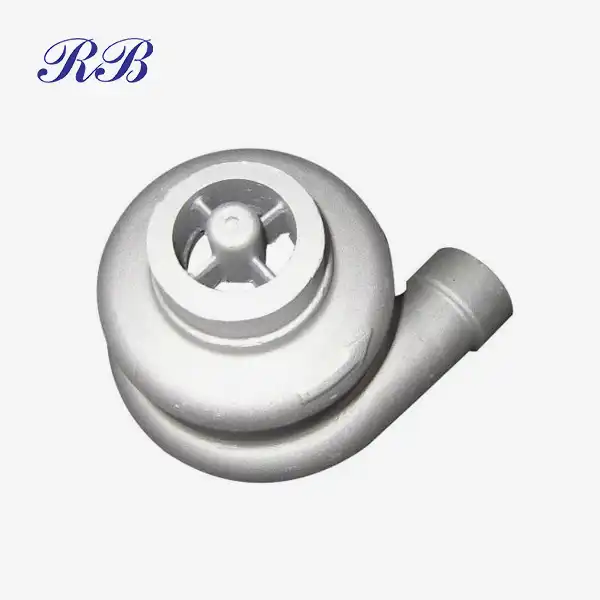
Learn about our latest products and discounts through SMS or email