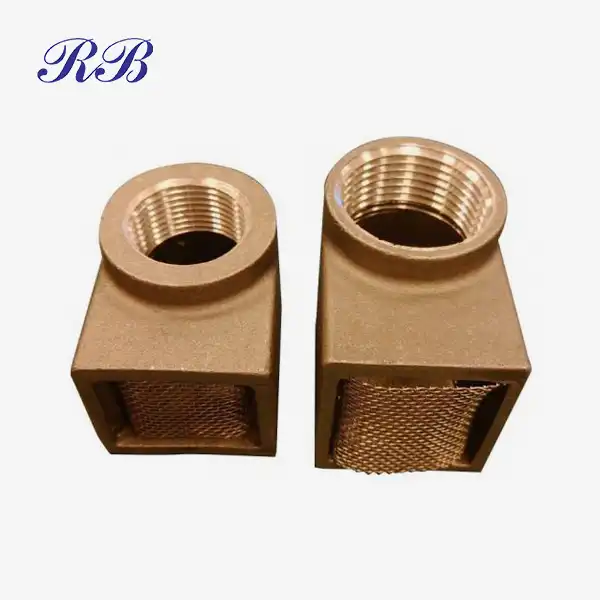
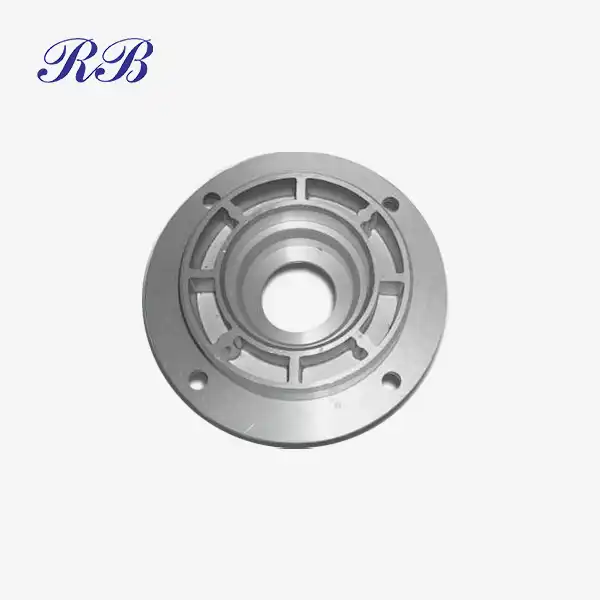
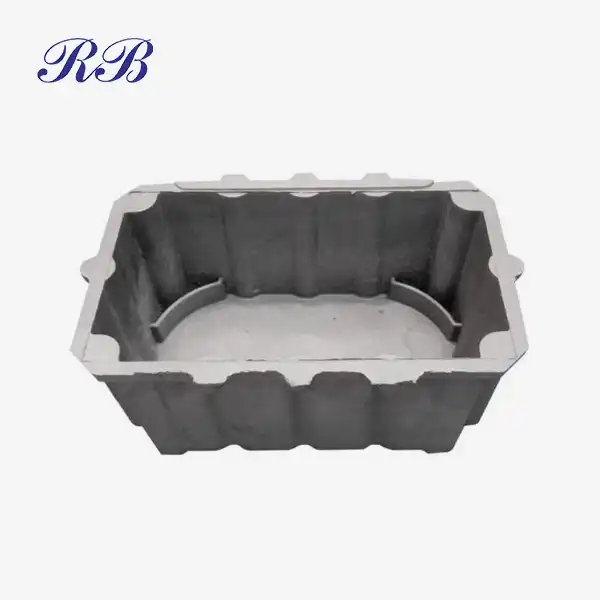
Copper alloys that have great mechanical properties and can still be worked with during production are needed in many modern industrial uses. Each copper alloy system has its own benefits, such as resistance to rust and electrical conductivity. Choosing the right materials is therefore very important for the success of a project. Manufacturing professionals need to give these options a lot of thought, taking into account things like how hard the casting is, what needs to be done afterward, and how the service area is set up.
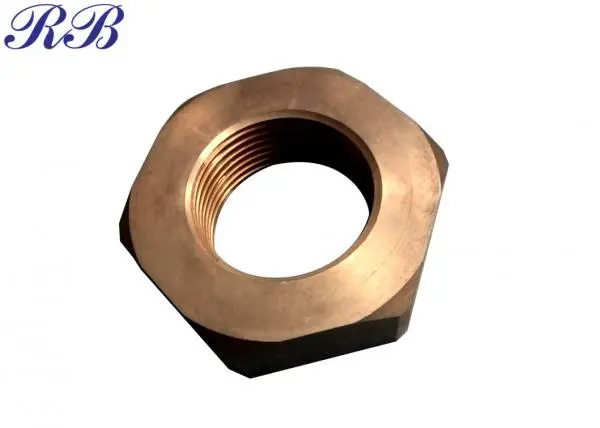
Tin Bronze (Cu-Sn-P System) and Aluminum Bronze (Cu-Al-Fe-Ni System)
Tin bronze represents one of humanity's oldest engineered alloys, yet its relevance in contemporary manufacturing remains undiminished. The Cu-Sn-P system typically contains 5-25% tin content, with phosphorus additions serving as a deoxidizing agent during copper sand casting processes. Because of this mix, tin bronze is very hard to wear down and keeps its shape well, which makes it great for bearings, naval gear, and precision instrumentation parts.
Manufacturers face both possibilities and challenges because of the way tin bronze is cast. During solidification, tin bronze exhibits minimal shrinkage compared to other copper alloys, resulting in superior dimensional accuracy. But because the material tends to separate, pouring temps and mold design need to be carefully thought out. Foundries specializing in tin bronze casting often employ specialized gating systems to ensure uniform composition throughout the final component.
Aluminum bronze alloys, incorporating the Cu-Al-Fe-Ni system, demonstrate remarkable strength-to-weight ratios that rival many steel grades while maintaining copper's inherent corrosion resistance. These alloys typically contain 5-15% aluminum, with iron and nickel additions enhancing mechanical properties and grain refinement. The castings that were made have tensile strengths of more than 600 MPa, which means they can be used for tough structural uses in marine environments, chemical processing equipment, and mechanical parts that are put under a lot of stress.
The solidification behavior of aluminum bronze during casting requires precise control of cooling rates to prevent the formation of brittle intermetallic phases. Modern foundries utilize computer-controlled cooling systems to optimize microstructure development, ensuring consistent mechanical properties across production runs. This attention to process control becomes particularly critical when producing complex geometries or components with varying wall thickness.
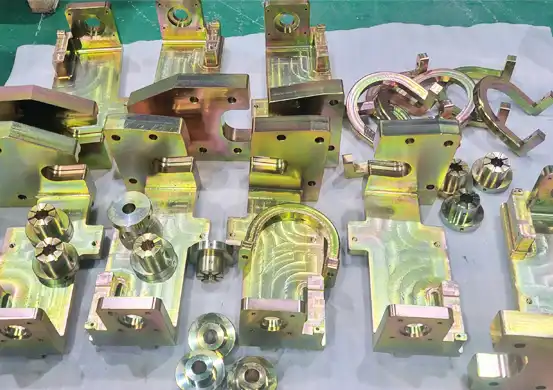
Lead Bronze (Cu-Pb-Sn System) and Beryllium Bronze (Cu-Be-Co System)
Lead bronze alloys occupy a specialized niche in bearing and bushing applications where self-lubricating properties prove essential. The Cu-Pb-Sn system incorporates lead content ranging from 5-30%, creating a unique microstructure where lead particles distribute throughout the copper-tin matrix. This distribution mechanism occurs naturally during copper sand casting, as lead's immiscibility with copper creates discrete lubricating phases that emerge during service conditions.
Manufacturing considerations for lead bronze require particular attention to environmental and safety protocols. Lead's toxicity necessitates specialized ventilation systems and worker protection measures during melting and casting operations. Despite these challenges, lead bronze remains irreplaceable in applications requiring embedded lubrication, such as heavy-duty bearings, wear plates, and sliding mechanisms in industrial machinery.
The casting process for lead bronze demands careful temperature management to prevent lead segregation. Foundries typically maintain pouring temperatures between 1050-1100°C while ensuring rapid filling of mold cavities to minimize lead settling. Post-casting inspection often includes microscopic examination to verify uniform lead distribution throughout the component cross-section.
Beryllium bronze represents the premium tier of copper alloys, combining exceptional strength with electrical conductivity that approaches pure copper. The Cu-Be-Co system typically contains 0.2-2% beryllium, with cobalt additions providing additional strengthening effects. These alloys achieve their remarkable properties through precipitation hardening heat treatment, which can increase yield strength to over 1000 MPa while maintaining 20-60% IACS electrical conductivity.
The casting of beryllium bronze requires specialized handling procedures due to beryllium's health hazards in dust or vapor form. Foundries working with these materials implement stringent safety protocols, including contained melting systems and comprehensive air filtration. The investment in safety infrastructure reflects the alloy's value in critical applications such as aerospace components, electronic connectors, and precision springs where performance justifies the additional complexity.
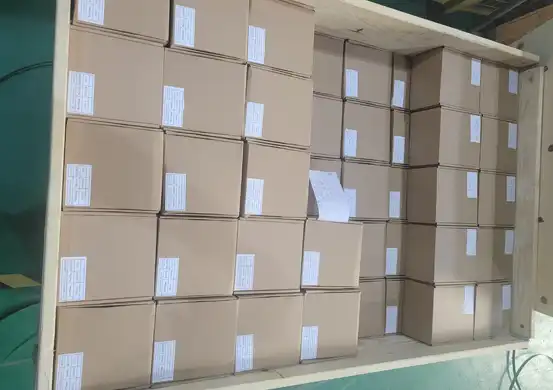
Brass (Cu-Zn-Pb/Si System) and Phosphor Bronze (Cu-Sn-P System)
Brass alloys represent the most widely utilized copper-based casting materials, offering an optimal balance of cost, workability, and performance characteristics. The Cu-Zn-Pb/Si system encompasses a broad range of compositions, from low-zinc alpha brasses to high-zinc alpha-beta compositions containing up to 45% zinc. Lead additions, typically 1-3%, enhance machinability by creating chip-breaking mechanisms during secondary operations, while silicon additions improve casting fluidity and reduce gas porosity.
The versatility of brass in copper sand casting applications stems from its forgiving solidification characteristics and excellent hot workability. Zinc's volatilization during melting requires careful furnace atmosphere control to maintain alloy composition consistency. Modern brass foundries employ real-time composition monitoring systems to compensate for zinc losses, ensuring final castings meet specification requirements.
Brass casting is used in a lot of different fields, from making architectural and artistic hardware to making precise mechanical parts that need to be very accurate in their measurements. The natural antimicrobial qualities of the alloy are getting more attention in medical and food service settings, especially since recent worries about global health. Because brass looks nice and doesn't rust, this biological activity continues to drive demand across a wide range of market groups.
Phosphor bronze, while sharing the Cu-Sn-P designation with tin bronze, represents a distinct alloy category optimized for electrical and electronic applications. These alloys typically contain 4-10% tin with carefully controlled phosphorus additions serving dual roles as deoxidizer and hardening agent. The resulting combination of electrical conductivity, spring properties, and corrosion resistance makes phosphor bronze indispensable in connector systems, switches, and precision electronic components.
The casting process for phosphor bronze demands exceptional cleanliness to prevent contamination that could compromise electrical properties. Foundries producing electronic-grade phosphor bronze often employ vacuum melting systems and ultra-clean mold materials to eliminate potential sources of contamination. Quality control procedures include electrical conductivity testing and microscopic examination for inclusions that might affect performance in sensitive electronic applications.
Surface treatment considerations for phosphor bronze castings often involve specialized plating or coating systems designed to enhance solderability while preserving the base material's electrical characteristics. These treatments require careful process control to avoid introducing contaminants or creating interface layers that might compromise long-term reliability in electronic assemblies.
Contact Rongbao
To choose the right copper alloy casting materials, you need to know a lot about both the basics of metalworking and the unique needs of your application. Tin bronze is very stable in its shape, while beryllium bronze has a great amount of strength to conductivity. Each alloy system has its own pros and cons. To be successful at manufacturing, you need to match the properties of the material to the conditions of use while taking into account production limits and the economy.
To meet the needs of a wide range of industries, modern copper sand casting centers need to keep their skills up to date in a number of different alloy systems. Using modern process control systems, quality assurance protocols, and environmental safety measures together has improved the quality of castings while lowering the range of variations in production. Because of these improvements in technology, companies can now make complex parts that are sure to meet strict performance standards.
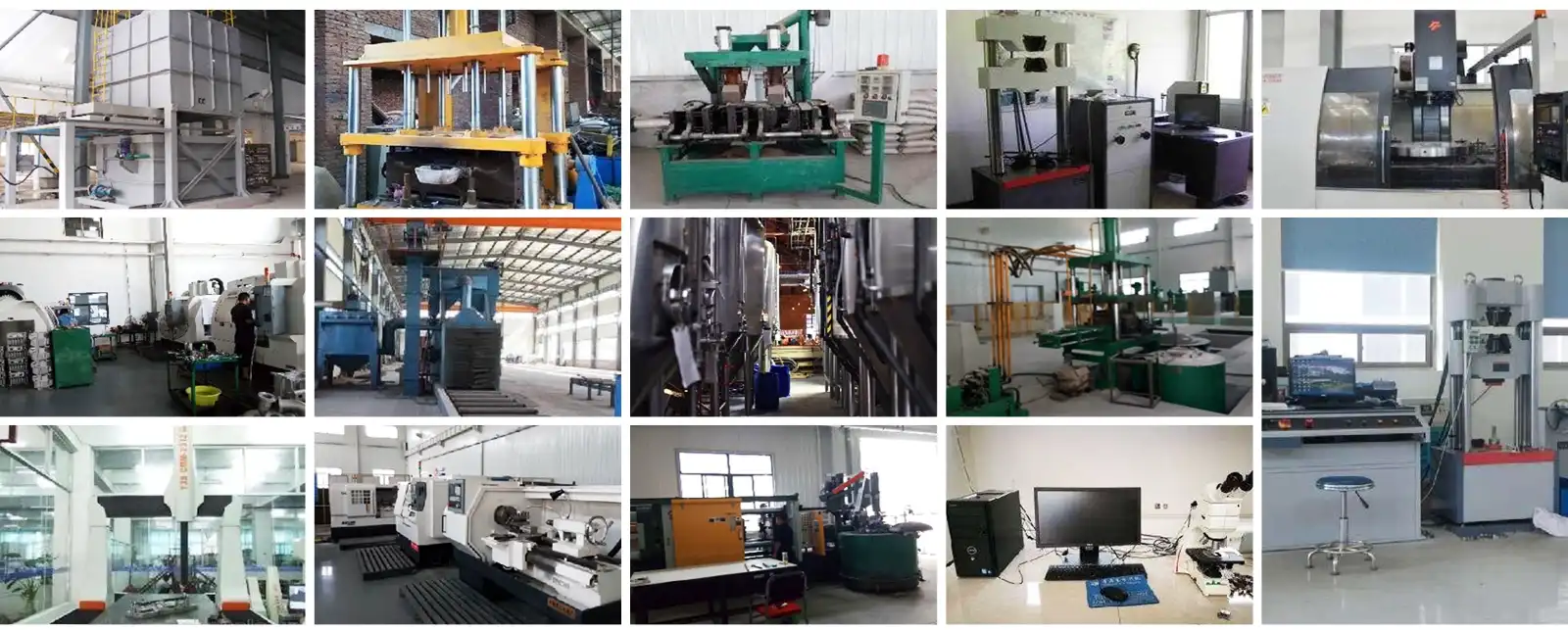
For manufacturers seeking reliable copper alloy casting solutions, Rongbao Enterprise offers comprehensive expertise across all six alloy categories discussed. Our ISO9001:2015, ISO14001, and ISO45001 certified facility in Xi'an, China, specializes in precision copper sand casting for automotive, aerospace, medical, and electronic applications. From hexagon nuts for kitchen applications using H60 material to complex geometries requiring specialized heat treatment, our team delivers consistent quality through gravity casting processes, CNC machining capabilities, and customized surface treatments including shot blasting.
Contact our technical specialists at steve.zhou@263.net or zhouyi@rongbaocasting.com to discuss your specific copper alloy casting requirements and explore how our expertise can support your manufacturing objectives.
References
1. ASM International. "Copper and Copper Alloys: Casting, Classification, and Characteristics." ASM Handbook Volume 2: Properties and Selection of Nonferrous Alloys and Special-Purpose Materials, 2018.
2. Davis, J.R. "Copper and Copper Alloy Castings: Properties, Processes, and Structure." ASM International Materials Park, Ohio, 2019.
3. European Copper Institute. "Copper Alloys in Marine Applications: Casting Guidelines and Specifications." Technical Report Series, 2020.
4. International Copper Association. "Sand Casting of Copper Alloys: Process Optimization and Quality Control." Manufacturing Technology Review, 2021.
5. Zhang, L., Wang, M., and Chen, Y. "Microstructural Evolution in Copper Alloy Sand Castings: Effects of Composition and Cooling Rate." Materials Science and Engineering Journal, Volume 145, 2022.