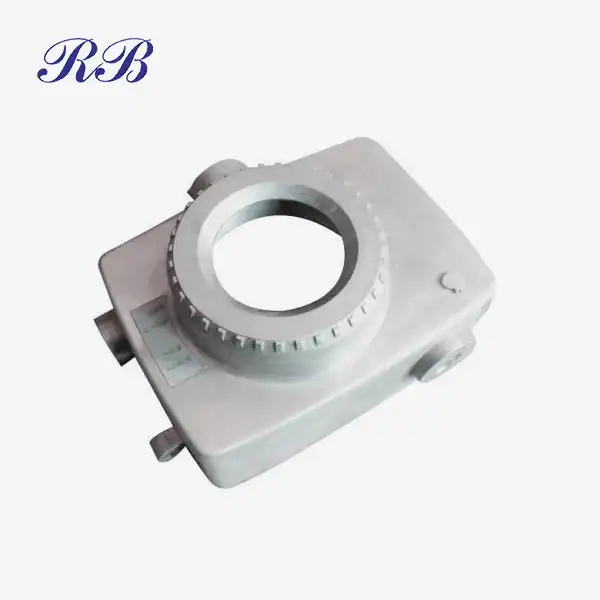
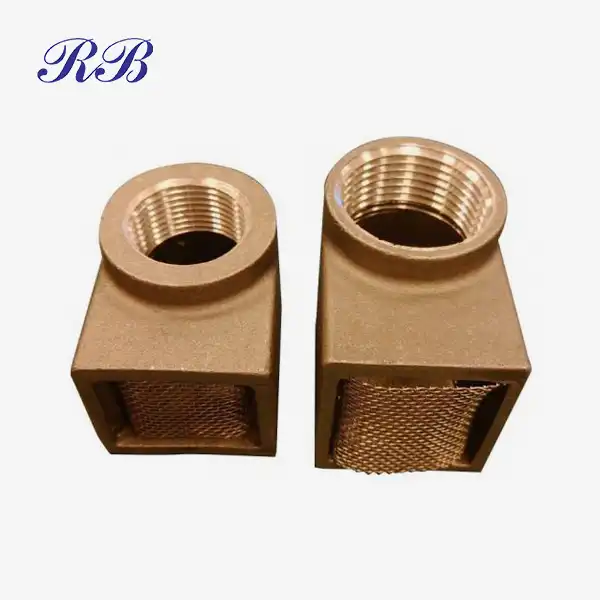
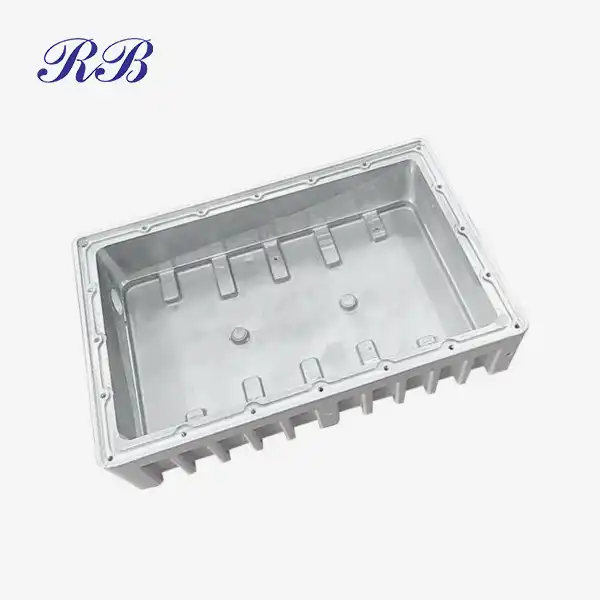
Tailored to Specific Project Requirements
When it comes to alarm systems, one size certainly does not fit all. Customization by OEMs really comes into its own when it comes to projects and applications that need unique characteristics. Take, for instance, the twelve-way alarm control box - a critical component in many sophisticated alarm setups.
In 2019, a leading aerospace company faced a challenge with its standard alarm systems. They needed a control box that could monitor twelve distinct parameters simultaneously, something off-the-shelf products couldn't provide. This is where OEM customization stepped in, allowing for the development of a tailor-made twelve-way alarm control box that met their exact needs.
OEM customization enables manufacturers to adjust various aspects of the alarm device parts, including:
- Size and form factor
- Number and type of inputs/outputs
- Power requirements
- Communication protocols
- Environmental resistance (temperature, humidity, vibration)
By tailoring these elements, OEM manufacturers can ensure that the final product fits seamlessly into the client's existing systems and workflows.In sectors where floor space is limited or where strict adherence to environmental regulations is paramount, this degree of personalization is invaluable.
For example, in the automotive industry, a compact twelve-way alarm control box might be necessary to fit within the limited space of a vehicle's dashboard. Conversely, in an industrial setting, a more robust version might be required to withstand harsh conditions and continuous operation.

Integration With Unique System Designs
The capacity to include alarm device components with one-of-a-kind system designs is another critical component of OEM customisation. This is especially important to keep in mind when talking about parts like the twelve-way alarm control box, the nerve center of many alarm systems.
Consider a real-world scenario from 2021, where a medical equipment manufacturer was developing an advanced patient monitoring system. A control box capable of communicating with their in-house software and sensors was essential. Off-the-shelf solutions fell short, but OEM customization allowed for the creation of a twelve-way alarm control box that seamlessly integrated with their unique system architecture.
This level of integration offers several benefits:
- Improved system efficiency: Custom-designed parts work in harmony with the overall system, reducing latency and improving response times.
- Enhanced reliability: By eliminating the need for adapters or workarounds, OEM customization reduces potential points of failure.
- Optimized performance: Tailored components can be fine-tuned to meet specific performance criteria, enhancing overall system capabilities.
In the context of a twelve-way alarm control box, this might mean customizing the input types to match specific sensors, adjusting the processing capabilities to handle unique algorithms, or modifying the output formats to seamlessly feed into other system components.
Furthermore, OEM customization allows for future-proofing. The whole alarm system may be more readily modified or replaced with custom-designed pieces, making it more adaptable and lasting as systems grow and new needs arise.

OEM Customization Supports Compatibility With Regional Safety Standards
The manufacturer in today's increasingly interconnected globe faces a maze of different regional safety requirements and standards. Parts of alarm devices, which are essential for many different kinds of industries' safety measures, are an example of this. A worthwhile approach to this problem is OEM customisation, which lets producers modify their wares to suit certain geographical demands.
Let's consider a case study from 2020, involving a European electrical equipment manufacturer expanding into the North American market. Their standard twelve-way alarm control box, while compliant with EU standards, didn't meet the stringent requirements set by UL (Underwriters Laboratories) in the United States. Through OEM customization, they were able to modify their design to achieve UL certification without compromising the functionality that had made their product successful in Europe.
OEM customization supports regional safety standard compatibility in several ways:
- Adapting to different voltage and frequency requirements
- Incorporating region-specific safety features
- Modifying labeling and documentation to meet local regulations
- Adjusting materials and components to comply with regional restrictions
For a twelve-way alarm control box, this might involve changes such as adding ground fault circuit interrupters for the North American market, or modifying the housing material to meet flame-retardant standards in certain regions.
In addition, producers may keep up with the ever-changing safety regulations via OEM customisation. Unlike off-the-shelf options, custom-designed parts may be easily updated to remain compliant when requirements change.
It should be noted that regional safety standards typically reflect actual disparities in environmental conditions, use patterns, and safety priorities throughout various regions of the globe; they are not only meant to ensure legal conformity. By leveraging OEM customization, manufacturers can create alarm device parts that are truly optimized for their intended market, enhancing both safety and performance.
Particularly for components, OEM customisation is an essential aspect of the manufacturing process for alarm device parts. Products may be made more efficient, dependable, and flexible via OEM customisation, which allows for individualized solutions to fit particular project needs, easy integration with distinct system designs, and conformance with various regional safety standards.
There will be a greater need for OEM customisation in the future as industries develop and needs become more specialized. For companies looking to stay competitive in the rapidly changing landscape of alarm systems and safety equipment, partnering with a skilled OEM manufacturer is not just beneficial - it's essential.
Twelve-Way Alarm Control Box Manufacturer: Rongbao Enterprise
One industry leader that stands out is Rongbao Enterprise, which makes high-quality, configurable twelve-way alarm control boxes. Rongbao is well-known as a specialist in precision processing and aluminum alloy casting since its founding in 2003.
Superior aluminum alloy component solutions are within our reach because of our mastery of modern manufacturing technologies such as gravity casting, low-pressure die casting, high-pressure die casting, and precision machining.
Whether you're in the automotive industry, aerospace sector, medical field, or any other industry requiring reliable and customizable alarm device parts, Rongbao Enterprise has the expertise and capabilities to meet your needs.
Is your system ready to be enhanced with our alarm control boxes? Contact us today at steve.zhou@263.net or zhouyi@rongbaocasting.com to discuss your project requirements and discover the Rongbao difference.
References
1. International Organization for Standardization. (2015). ISO 9001:2015 Quality management systems
2 . International Organization for Standardization. (2015). ISO 14001:2015 Environmental management systems – Requirements with guidance for use. ISO.
3 . Underwriters Laboratories. (2023). UL Certification Programs for Industrial Control Equipment. UL Standards.
4 . European Commission. (2022). Restriction of Hazardous Substances (RoHS) Directive. European Union.
5.MarketsandMarkets. (2023). Global Alarm Monitoring Market – Forecast to 2028. MarketsandMarkets Research.