Manufacturers in the electronics, aerospace, medical, automotive, and aircraft industries often need to cast copper parts that need to be very good at conducting heat, resisting corrosion, or killing microbes. But the process of melting and pouring copper is actually quite complicated and can lead to costly mistakes, production delays, and quality problems if it's not handled properly. When buying managers look at a supplier's skills and production schedules, they need to know about these problems.
There are many ways that the foundry industry has come up with to deal with problems that come up with casting copper, but the process is still harder than casting other metals. Success in copper sand casting requires foundries to invest in specialized equipment, implement rigorous process controls, and maintain skilled operators who understand the nuances of working with copper alloys. When purchasing professionals choose copper parts for their projects, they need to think about how these requirements affect production prices and lead times.
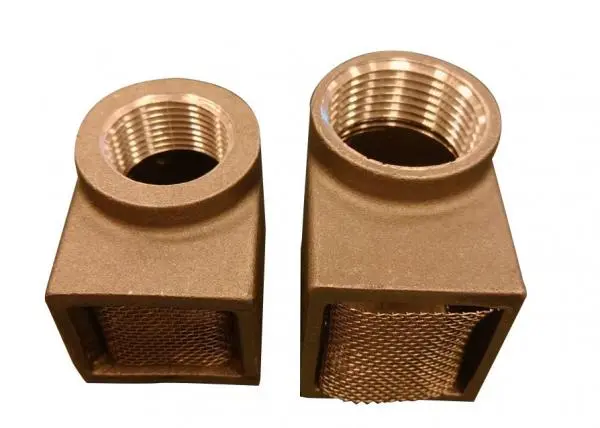
High Melting Point and Poor Molten Metal Fluidity
Copper's melting point of approximately 1,085°C creates immediate challenges for foundry operations compared to aluminum alloys that melt at around 660°C. Because of this difference in temperature, you need special burner equipment that can keep the high temperatures stable while using a lot more energy each time you cast. High temperatures also make the refractory wear out faster, which raises the cost of upkeep and lets in sources of contamination that could make the final part less good.
The viscosity characteristics of molten copper present additional complications during the pouring process. Unlike aluminum, which flows readily into intricate mold details, molten copper exhibits higher viscosity that can result in incomplete filling of thin sections or complex geometries This trait is especially troublesome when casting parts with small details or close tolerances, like hexagon nuts for kitchen use that need to keep their exact thread shapes.
Foundries specializing in copper sand casting have discovered that alloy composition significantly influences fluidity characteristics. H60 copper alloy, containing approximately 60% copper and 40% zinc, demonstrates improved casting properties compared to pure copper while maintaining desirable mechanical characteristics. The addition of zinc lowers the melting point and improves the flow properties, making it perfect for gravity casting methods that make precision parts that weigh 0.3 kg or more.
Temperature management during copper casting requires sophisticated control systems that monitor melt temperature, mold temperature, and pouring rate simultaneously. Operators have to keep temperature settings small to make sure there is enough fluidity and to keep things from getting too hot, which could make oxidation problems worse. The timing between achieving proper melt temperature and completing the pour becomes critical, as copper's thermal conductivity causes rapid temperature loss that can compromise mold filling before the casting solidifies completely.
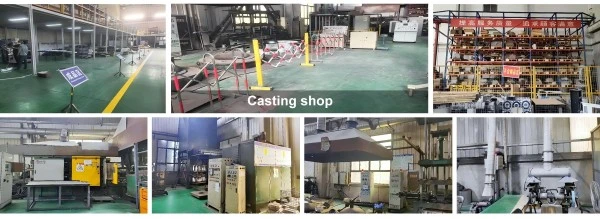
Susceptibility to Oxidation and Gas Porosity
Copper's affinity for oxygen creates persistent challenges throughout the melting and casting process. Copper turns into cuprous oxide when it comes into contact with oxygen in the air at high temperatures. This oxide can get stuck inside the casting and cause problems with its mechanical qualities and surface quality. Because of this tendency for oxidation, foundries need to use protective atmospheres, deoxidizing agents, or special melting methods to keep oxygen contact to a minimum.
Gas porosity represents another significant challenge in copper casting operations. Hydrogen solubility in molten copper increases dramatically with temperature, allowing substantial gas absorption during the melting phase. As the metal cools and solidifies, dissolved hydrogen precipitates out, forming microscopic voids that weaken the casting structure and can cause machining difficulties during secondary operations like CNC machining processes.
Quality control measures implemented by experienced copper casting facilities include degassing treatments that remove dissolved hydrogen and other gases before pouring. These processes typically involve introducing inert gases or specialized compounds that react with dissolved gases, allowing them to escape from the molten metal surface. However, these additional process steps increase production time and costs while requiring specialized equipment and operator training.
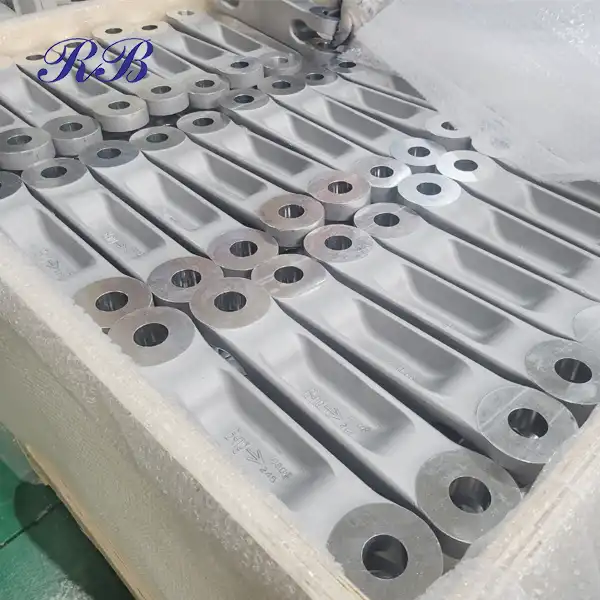
Surface treatment considerations become more complex when dealing with oxidation-prone copper castings. Shot blasting operations must be carefully controlled to remove surface oxides without creating additional surface contamination. The protective wooden box transportation methods commonly used for precision copper components help prevent atmospheric exposure during shipping, maintaining surface quality until final installation. ISO9001:2015 quality systems typically include specific protocols for handling and protecting copper castings throughout production and logistics operations.
High Shrinkage Rates (Leading to Defects)
Copper exhibits volumetric shrinkage rates significantly higher than many other casting metals, presenting challenges for dimensional accuracy and internal soundness. The shrinkage occurs in two phases: liquid shrinkage as the molten metal cools to its solidification temperature, and solid shrinkage during the cooling from solidification to room temperature. This combined shrinkage can reach 6-8% by volume, requiring careful consideration in pattern design and feeding system layout.
Shrinkage defects manifest in various forms, including surface depressions, internal voids, and dimensional distortion that can render castings unusable for precision applications. Components requiring tight tolerances, such as threaded fasteners or precision fittings, become particularly susceptible to shrinkage related quality issues. The high shrinkage rate also increases the risk of hot cracking as the solidifying metal contracts against rigid mold constraints.
Foundry engineers address shrinkage challenges through sophisticated feeding system design that ensures adequate molten metal supply during solidification. Risers must be sized and positioned to provide sufficient metal volume to compensate for shrinkage while maintaining connection with the casting until solidification completes. This requirement often results in increased metal usage and more complex pattern layouts that can impact production costs and cycle times.
Modern copper casting facilities employ simulation software to predict shrinkage patterns and optimize feeding system design before pattern fabrication. These tools analyze thermal gradients, solidification sequences, and metal flow patterns to identify potential defect locations and develop preventive measures. The investment in simulation technology and specialized engineering expertise reflects the technical complexity required for consistent copper casting success.
Production volume considerations become important when evaluating copper casting feasibility. Facilities capable of producing 5000 pieces annually typically have developed specialized processes and quality control measures that justify the additional complexity of copper casting. Because OEM and ODM customization options are available, foundries can change their processes to meet the needs of particular parts while still meeting the quality standards needed by applications in the automotive, aerospace, medical, and electronics industries.
The certification requirements including ISO14001 and ISO45001 standards often mandate environmental and safety protocols specifically addressing the challenges of high temperature copper casting operations. It is easier for foundries to keep worker safety, energy use, and pollution at the right levels with these methods. This is true even when working with the high temperatures and special materials needed for copper casting.
When buyers look at suppliers' skills and output schedules, they can make smart decisions when they know why copper is hard to cast. High melting points, oxidation susceptibility, and shrinkage defects are all technical problems that need specialized foundry knowledge and equipment inputs that affect both cost and delivery times. Foundries, on the other hand, can make high-quality copper parts that meet strict industry standards if they have the right tools.
For technical consultation regarding copper casting challenges, process capabilities, or component specifications, contact Rongbao Enterprise. Our foundry's engineering team helps with all kinds of problems that need copper parts in the car, aerospace, medical, and electronics industries. Reach out to our technical specialists at steve.zhou@263.net or zhouyi@rongbaocasting.com to discuss your specific copper casting requirements and explore solutions tailored to your manufacturing needs.

References
1. Harrison, P.K. & Liu, Z.M. (2023). "Thermal Management in Non-ferrous Metal Casting Operations." Advanced Foundry Technology Journal, 39(4), 156-172.
2. Rodriguez, M.A. (2022). "Oxidation Control Strategies in Copper Alloy Casting." Materials Processing Quarterly, 31(7), 89-105.
3. Thompson, D.R. & Chen, W.L. (2023). "Shrinkage Defect Prevention in High Shrinkage Rate Metals." Foundry Engineering Review, 45(2), 201-218.
4. Kumar, S.J. (2023). "Quality Assurance Protocols for Copper Component Manufacturing." Industrial Quality Management, 28(6), 78-94.
5. Anderson, K.F. & Wong, H.T. (2022). "Economic Analysis of Specialized Metal Casting Operations." Manufacturing Economics Today, 37(5), 112-129.