Aluminum Smelting and Purification (Raw Material Preparation Stage)
Sourcing High-Quality Aluminum
The journey of aluminum casting begins with obtaining high-grade aluminum. This process often involves extracting aluminum from bauxite ore through the Bayer process, followed by electrolysis. However, many manufacturers also use recycled aluminum to promote sustainability and reduce costs.
Alloying for Enhanced Properties
Pure aluminum alloy die casting, while lightweight, lacks the strength required for many applications. To improve its mechanical properties, manufacturers create aluminum alloys by adding elements such as silicon, copper, magnesium, or zinc. Each alloy composition is carefully selected based on the intended use of the final product.
Melting and Refining
The aluminum alloy is then melted in large furnaces, typically at temperatures ranging from 660°C to 750°C (1220°F to 1382°F). During this stage, impurities are removed through various refining techniques, including degassing and flux treatment. These processes ensure the molten aluminum is free from oxides and other unwanted elements that could compromise the quality of the final casting.
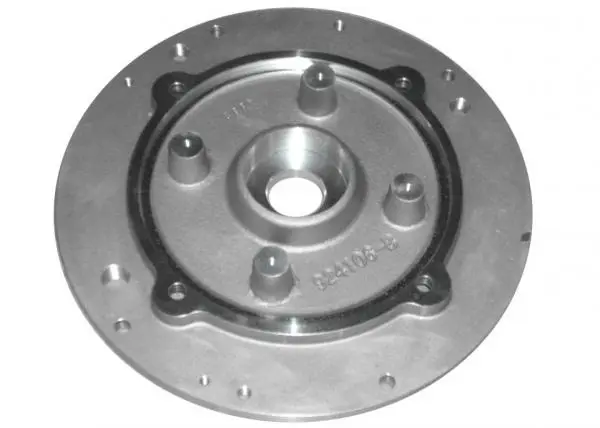
Molten Aluminum Injection and Solidification (Core Molding Stage)
Die Preparation
Before the molten aluminum can be cast, the die must be prepared. Dies are typically made from high-grade tool steel and are designed to withstand the high pressures and temperatures involved in the casting process. The die's surface is treated with a release agent to prevent the aluminum from sticking and to facilitate easy removal of the cast part.
Injection Process
In aluminum alloy die casting, the molten metal is injected into the die cavity at high pressure. This process can be broken down into three phases:
- Slow shot phase: The molten aluminum is pushed slowly into the shot sleeve.
- Fast shot phase: The metal is rapidly injected into the die cavity, filling all the intricate details.
- Intensification phase: Additional pressure is applied to ensure complete filling and to compensate for shrinkage during solidification.
Solidification and Cooling
Once the die is completely filled, the molten aluminum begins the crucial process of solidification. During this stage, the cooling rate must be carefully monitored and controlled to achieve the desired balance of strength, durability, and surface finish. Faster cooling generally produces a finer grain structure, which enhances mechanical properties such as tensile strength and toughness. Conversely, slower cooling can help reduce internal stresses and minimize the risk of cracking, ensuring a more stable and reliable final component.
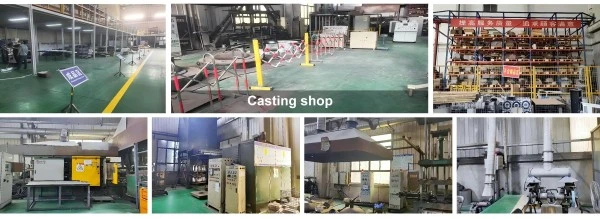
Post-processing of Ingot (Finishing and Standard-Reaching Stage)
Part Ejection and Trimming
After solidification, the die is carefully opened, and the cast part is ejected from the mold cavity. At this stage, the component often carries excess material in the form of runners, gates, and flash, which must be removed to achieve the desired shape. This trimming process can involve manual cutting, precision grinding, or the use of specialized trimming machines for efficiency.
Heat Treatment
Many aluminum alloy die castings undergo heat treatment to enhance their mechanical properties. This process can involve solution treatment, quenching, and aging. Heat treatment can significantly improve strength, hardness, and dimensional stability.
Surface Finishing
Depending on the application, cast parts may undergo various surface finishing processes. These can include:
- Polishing for a smooth, reflective surface
- Anodizing to improve corrosion resistance and allow for coloring
- Powder coating or painting for aesthetic purposes and additional protection
Quality Control and Inspection
Throughout the casting process, rigorous quality control measures are implemented. These may include visual inspections, dimensional checks, and nondestructive testing methods such as X-ray or ultrasonic inspection. These steps ensure that the final product meets all specified requirements and standards.
The process of aluminum casting, particularly aluminum alloy die casting, is a complex yet fascinating journey from raw material to finished product. Each stage requires precision, expertise, and attention to detail to produce high-quality components that meet the demanding requirements of industries such as automotive, aerospace, and electronics.
For those seeking a reliable partner in aluminum alloy die casting, look no further than Rongbao Enterprise. As a professional manufacturer with nearly two decades of experience, Rongbao offers customized solutions and competitive pricing for a wide range of applications.
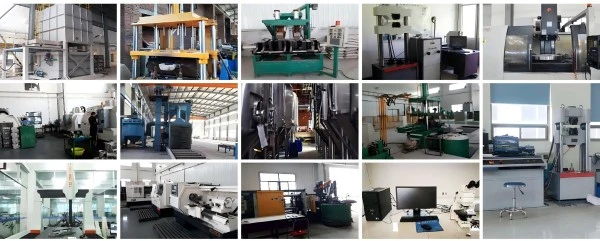
Aluminum Alloy Die Casting Supplier: Rongbao Enterprise
Rongbao Enterprise, founded in 2003, has established itself as a leader in aluminum alloy casting and precision processing. With a commitment to quality, innovation, and sustainability, Rongbao delivers integrated component supply solutions for equipment manufacturers across various industries.
Our product range includes:
- Casting motor end covers
- Sensor covers for oil tank protection in mining machinery
- Cast housings for connectors
- Casting agitator base parts for mixers
- Cast sink filters for bearing end covers
- Casting accessories for natural gas control valves
Whether you're in the automotive, aerospace, medical, or electrical and electronic industries, Rongbao has the expertise and capabilities to meet your aluminum alloy die casting needs. Our focus on reasonable cost control, stable and timely delivery, and exceptional after-sales service makes us the preferred choice for discerning buyers and decision-makers.
Ready to elevate your manufacturing process with high-quality aluminum alloy die castings? Contact Rongbao Enterprise today for a free sample and experience the difference that true expertise can make. Reach out to our team at steve.zhou@263.net or zhouyi@rongbaocasting.com to discuss your specific requirements and discover how we can contribute to your success.