A Casting Method Revolutionizing Manufacturing
Understanding Low Pressure Die Casting
Low weight kick the bucket casting is an inventive metal shaping handle that has picked up noteworthy footing in later a long time. Not at all like customary high-pressure pass on casting, this strategy utilizes lower weights to fill the shape depression, coming about in a more controlled and exact casting handle. The procedure is especially well-suited for creating complex, high-quality components with fabulous surface wraps up and negligible porosity.
The Fundamental Principles
At its core, low pressure casting relies on the principle of controlled metal flow. A furnace containing molten metal is positioned beneath the die, and pressurized gas is used to force the liquid metal upwards into the mold cavity. This bottom-up filling approach ensures a laminar flow, reducing turbulence and minimizing the risk of air entrapment – a common issue in other casting methods.
Applications Across Industries
The flexibility of low pressure casting has driven to its selection over a wide extend of businesses. In the car division, it's utilized to deliver motor squares, barrel heads, and wheels. Aviation producers depend on this method for making complex auxiliary components. Indeed the customer merchandise industry has grasped moo weight casting for things like high-end cookware and enriching elements.
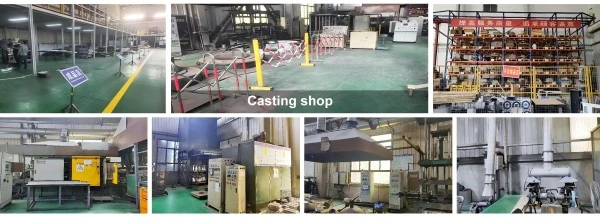
Process Flow: From Molten Metal to Finished Product
Preparation and Setup
The low pressure casting process begins with meticulous preparation. The die, typically made of high-grade tool steel, is carefully designed to accommodate the intricacies of the desired part. Before casting commences, the die is preheated to an optimal temperature, ensuring uniform cooling and preventing premature solidification of the metal.
The Casting Cycle
Once setup is complete, the casting cycle unfolds in several stages:
1. Metal Melting: The chosen alloy is melted in a furnace located beneath the die.
2. Pressure Application: Inert gas pressure is applied to the surface of the molten metal, forcing it upwards through a feed tube.
3. Mold Filling: The metal rises slowly into the die cavity, filling it completely and taking on its shape.
4. Solidification: The filled die is cooled, allowing the metal to solidify under continued pressure.
5. Ejection: Once solidified, the cast part is ejected from the die.
Post-Casting Operations
After ejection, the cast part may undergo various finishing processes. These can include trimming excess material, heat treatment to enhance mechanical properties, and surface finishing for improved aesthetics or functionality. The specific post-casting operations depend on the part's intended use and the customer's requirements.
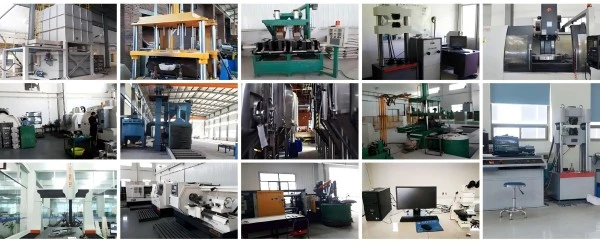
Process Advantages: Why Low Pressure Casting Stands Out?
Superior Quality and Consistency
One of the most critical preferences of low pressure casting is the remarkable quality and reliability of the finished components. Unlike traditional methods, the controlled filling process allows molten metal to rise gently into the mold cavity under precise pressure. This reduces turbulence, minimizing porosity and ensuring a smooth, uniform surface finish. The superior consistency achieved through this technique is essential for industries where safety and durability are non-negotiable, such as aerospace, automotive, and defense, where every part must meet stringent performance requirements.
Material Efficiency and Cost-Effectiveness
Low pressure casting boasts impressive material efficiency. The process typically achieves metal yields of 90% or higher, which drastically reduces raw material wastage compared to other casting methods. Furthermore, the use of lower operating temperatures translates into reduced energy consumption and improved furnace life. This energy efficiency, combined with high material utilization, directly lowers overall production costs. For manufacturers seeking both economic benefits and sustainability, low pressure casting provides an ideal solution without compromising part quality.
Versatility in Design and Production
Versatility in Design and Production makes low pressure casting stand out as a highly flexible manufacturing process. It supports the production of components with thin walls, intricate geometries, and fine structural details that would otherwise be difficult to achieve. Additionally, the method adapts seamlessly to both small-batch custom projects and high-volume industrial production, offering unmatched scalability. This balance of precision and adaptability allows industries to innovate faster, produce more complex designs, and remain competitive, making low pressure casting an indispensable technology in modern manufacturing.
Low weight kick the bucket casting speaks to a noteworthy jump forward in fabricating innovation. Its capacity to deliver high-quality, complex parts with great fabric proficiency makes it an priceless instrument for cutting edge businesses. As producers proceed to look for ways to make strides quality whereas lessening costs, moo weight casting is likely to play an progressively vital part in the future of production.

Low Pressure Casting Supplier: Rongbao Enterprise
For those in look of a solid accomplice in moo weight casting, see no assist than Rongbao Endeavor. With a bequest dating back to 2003, Rongbao has built up itself as a pioneer in aluminum combination casting and accuracy handling. Our mastery amplifies past low pressure casting to incorporate high-pressure pass on casting, gravity casting, and exactness machining services.
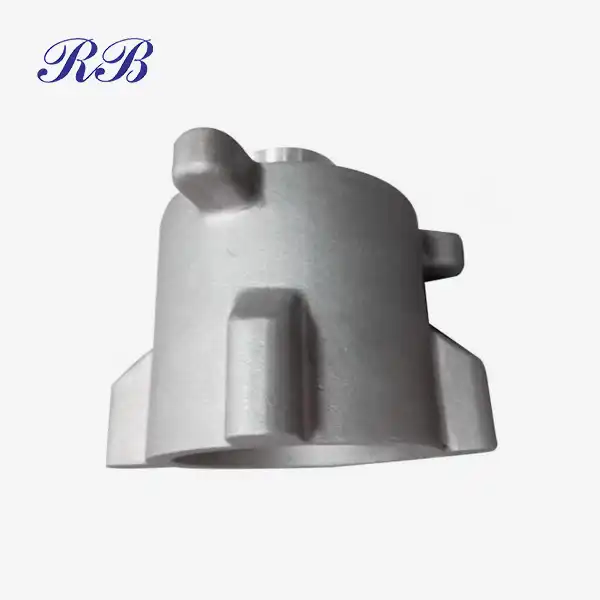
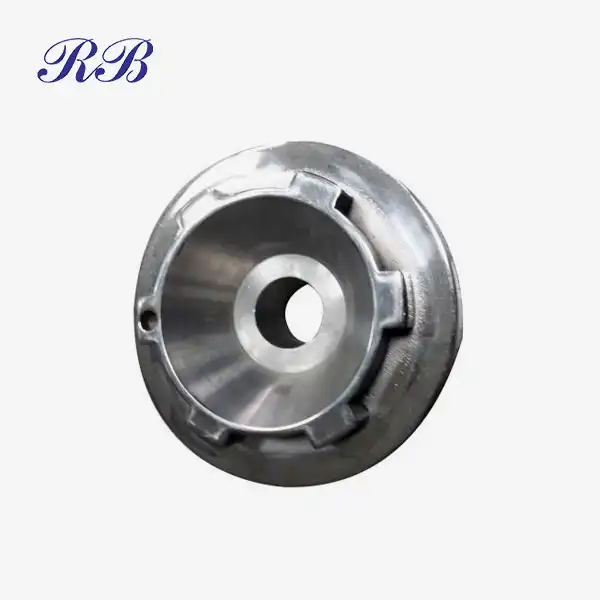
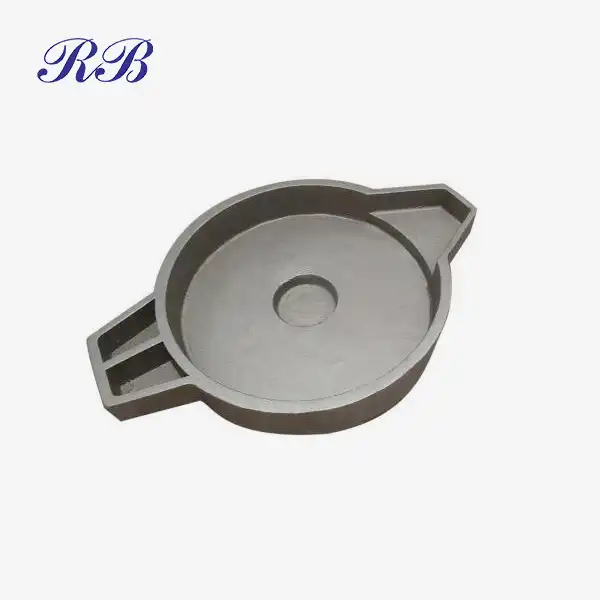
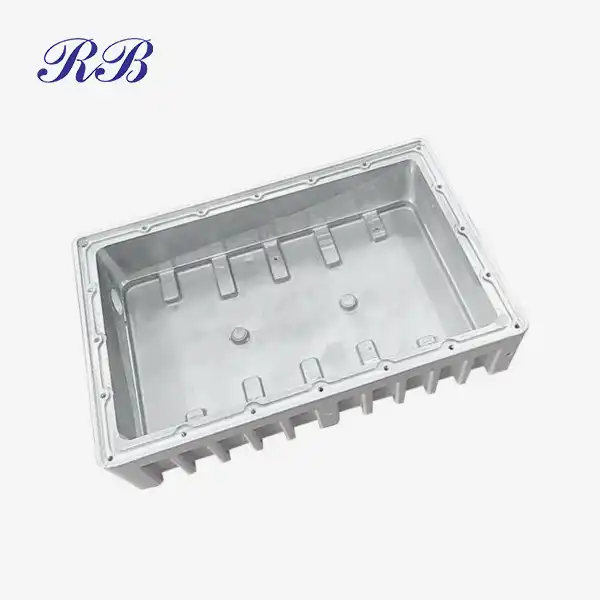
From robust motor cover castings and stator housings to aluminum door handles and decorative ornaments, our diverse product range showcases the versatility and precision of our low pressure casting capabilities. Whether you require functional components like cast axial flow fan accessories and impellers or aesthetic pieces such as craft souvenirs, Rongbao has the expertise and capacity to exceed your expectations.
Ready to elevate your manufacturing process with high-quality low pressure castings? Contact Rongbao Enterprise today. Reach out to our team at steve.zhou@263.net or zhouyi@rongbaocasting.com to discuss how we can meet your specific casting needs and contribute to the success of your projects.