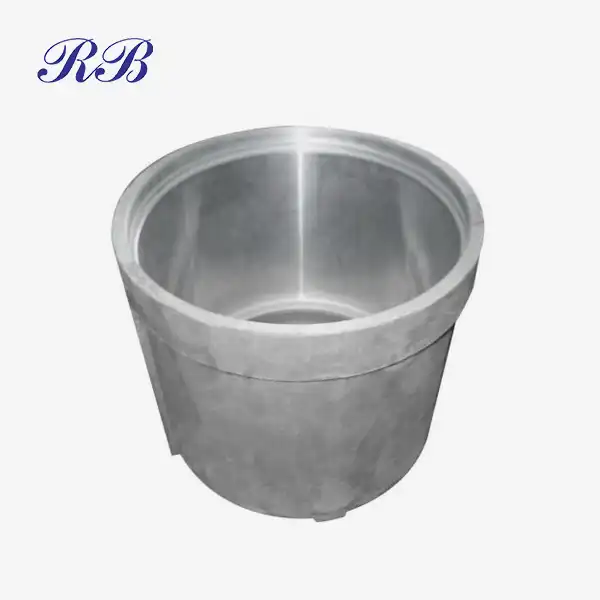
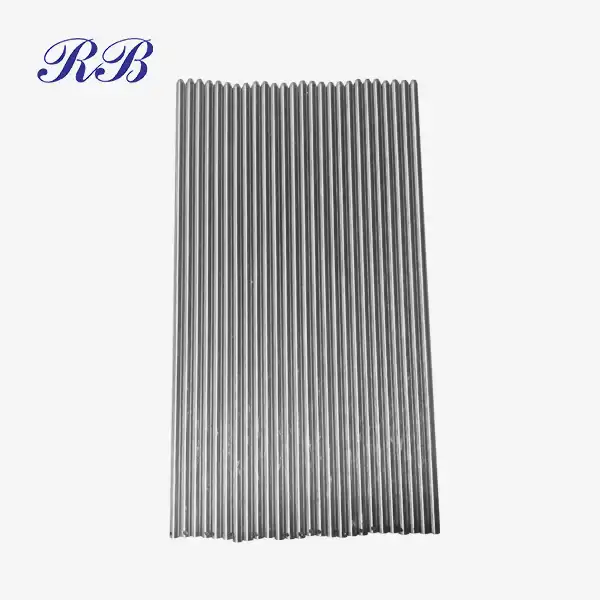
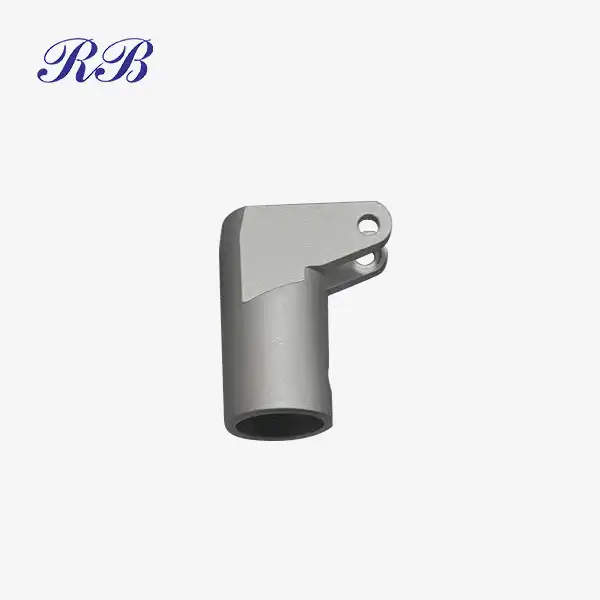
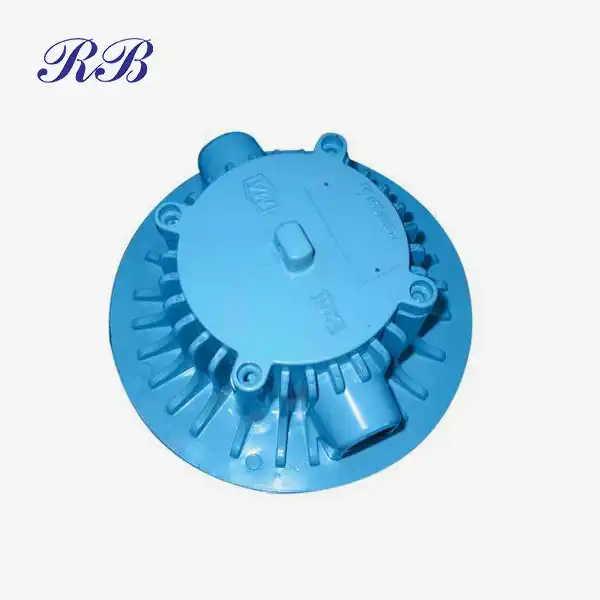
The pressure capacity of outlet pipes manufactured through casting processes depends on multiple interrelated factors. Aluminum alloy ZL101A, commonly specified for these applications, provides a favorable strength-to-weight ratio while resisting corrosion in water-based fire suppression systems. However, the nominal pressure rating extends beyond material selection alone. Wall thickness variations, casting defects, surface finish quality, and thermal treatment protocols each contribute to the final pressure threshold. Medium pressure classifications typically range from 1.0 MPa to 2.5 MPa in fire protection contexts, though actual ratings require verification through hydrostatic testing protocols outlined in industry standards. The interplay between design specifications and manufacturing execution determines whether a component meets its intended pressure rating consistently across production batches.
High-Vibration Systems
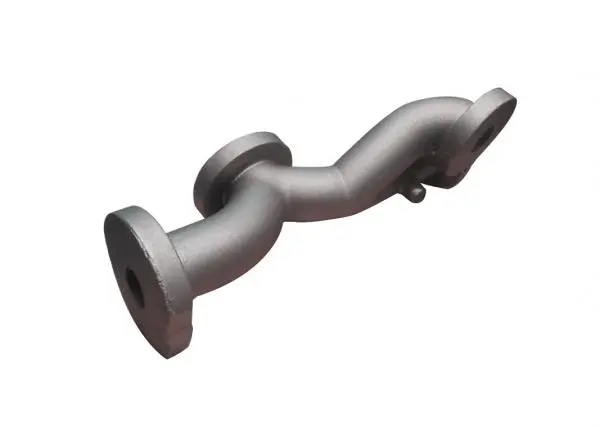
Cast medium pressure outlet pipes operate under conditions that generate substantial mechanical vibration, particularly during startup sequences and when flow rates fluctuate rapidly. The outlet pipe experiences cyclic stress from both internal pressure surges and external vibration transmitted through mounting interfaces. Cast components respond differently to these dynamic loads compared to wrought or forged alternatives. The grain structure formed during solidification in gravity casting creates specific mechanical properties that influence fatigue resistance. When pump impellers accelerate fluid from rest to full discharge pressure within seconds, pressure waves propagate through the outlet assembly. These transient conditions can exceed steady-state pressure ratings by 30 to 50 percent for brief intervals.
The cast medium pressure outlet pipe must maintain dimensional stability despite repetitive stress cycles that occur throughout its service life. Vibration amplitudes vary depending on pump motor speed, impeller balance quality, and piping system resonance characteristics. Research conducted at industrial testing facilities has documented outlet pipe failures occurring not at maximum static pressure, but during sustained vibration exposure combined with moderate pressure levels. The casting process inherently produces a microstructure with some porosity, which becomes relevant when analyzing fatigue crack initiation sites. Surface treatment through shot blasting improves resistance to crack propagation by introducing beneficial compressive stresses in the outer layers of the material.
Installation practices significantly affect how vibration loads transfer into the outlet pipe structure. Rigid mounting configurations can amplify vibration effects, while properly designed flexible couplings and vibration isolators reduce transmitted forces. The 7kg weight of a typical outlet pipe assembly creates inertial forces during vibration that add to stress concentrations at mounting points and transition geometries. Engineers designing fire pump installations must account for both the pressure rating and the vibration environment when selecting components. Testing protocols that simulate real-world vibration profiles provide more accurate performance predictions than static pressure tests alone, though both evaluation methods remain necessary for comprehensive validation.
Pressure Rating Is Guaranteed By Strict Manufacturing Processes
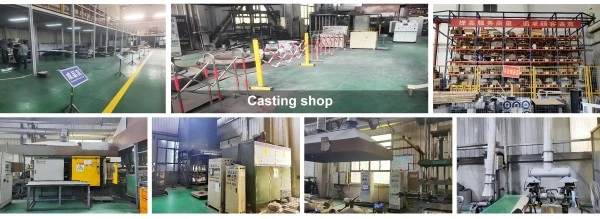
The basis for creating cast medium-pressure outlet pipes with reliable pressure ratings is laid by gravity casting. When process conditions are kept under control, this method uses gravity to fill mold cavities with molten aluminum alloy, producing castings with predictable mechanical qualities. The pouring temperature, mold preheating schedule, and cooling rate each influence the final grain structure and potential defect distribution. Manufacturers monitor these variables to minimize porosity and shrinkage cavities that could compromise pressure containment capability. The ZL101A alloy specification requires particular attention to silicon content and magnesium levels, as these elements affect both castability and mechanical strength after solidification.
Following the casting operation, CNC precision machining removes surface irregularities and achieves the dimensional tolerances required for proper sealing and assembly. Machining operations also eliminate the outer casting skin, which may contain higher concentrations of inclusions or microporosity. Computer-controlled equipment ensures that wall thicknesses remain within specified ranges, preventing thin sections that could fail under pressure or excessively thick areas that add unnecessary weight. The machining process for fire pump outlet pipes typically includes operations on internal flow passages, external mounting surfaces, and threaded connections. Functional criteria, such as fatigue performance, corrosion resistance, or sealing efficacy, are related to each surface finish standard.
Quality control procedures verify that manufacturing processes produce cast medium pressure outlet pipes meeting pressure rating specifications. Dimensional inspection confirms that critical features fall within tolerance bands established during design validation. Non-destructive testing methods may include pressure testing of sample units or ultrasonic examination to detect internal discontinuities. The ISO 9001:2015 certification framework requires documented procedures for process control, inspection criteria, and corrective actions when defects occur. Environmental management systems per ISO 14001 and occupational health standards under ISO 45001 complement quality assurance by ensuring manufacturing consistency. These certifications demonstrate systematic approaches to process control rather than simply verifying finished product dimensions. Transportation in wooden boxes protects machined surfaces from damage that could initiate failure points, maintaining the integrity established during manufacturing.

Pressure Rating Complies With International Standards
Pressure ratings for cast components in fire prevention systems are defined by international standards, which also include testing procedures and acceptance criteria. Organizations including the International Organization for Standardization and various national standards bodies publish requirements for hydrostatic testing, material specifications, and design calculations. Usually requiring burst pressures to be three to five times greater than working pressure, these standards set minimum safety factors between rated working pressure and failure pressure. Compliance verification involves subjecting representative samples to pressure levels well beyond normal operating conditions while monitoring for leakage or permanent deformation.
The testing protocols specify hold times at elevated pressure, cycling frequencies to simulate service conditions, and temperature ranges representing installation environments. A cast medium pressure outlet pipe intended for fire pump applications undergoes evaluation based on standards applicable to its specific service classification. Test reports document pressure thresholds where initial leakage occurs, pressure levels causing permanent deformation, and ultimate burst pressure. Manufacturers who customize specifications for particular applications must ensure their design calculations and validation testing align with relevant standard requirements. The customized nature of many fire protection installations means that outlet pipes may require project-specific testing beyond standard catalog component validation.
Regulatory acceptance in different jurisdictions depends on demonstrating compliance with applicable standards. Facilities in various countries reference different standard sets, though substantial harmonization has occurred in fire protection requirements. Engineers specifying cast outlet pipes for international projects verify which standards apply and confirm that component certifications satisfy local authority requirements. The combination of material certification, process documentation through ISO registration, and performance test results provides the technical basis for pressure rating claims. Rongbao manufactures cast medium pressure outlet pipes in Xi'an, China, with capabilities for OEM and ODM customization to meet specific pressure rating requirements and connection configurations demanded by diverse fire protection applications.
For technical specifications, custom designs, or pressure rating verification documentation, contact Rongbao directly:
A cast medium-pressure outlet pipe's pressure rating is determined by combining established testing procedures, manufacturing accuracy, and material science. Fire pump applications demand components that perform reliably under both steady-state pressure conditions and the dynamic loading environment created by operational vibration. Gravity casting combined with CNC machining produces outlet pipes with the dimensional accuracy and material integrity necessary for pressure containment, while quality management systems ensure consistency across production volumes. Verification that components fulfill industry-accepted safety margins and performance requirements is provided by adherence to international standards. Facility designers and system integrators selecting cast outlet pipes must consider not only the nominal pressure rating but also the specific installation conditions that influence long-term reliability. Manufacturers are able to meet the diverse needs of commercial, industrial, and specialty fire protection systems around the globe thanks to the technological skills shown via certification programs and customization possibilities.
References
- Kaufman, J.G. & Rooy, E.L. (2004). Aluminum Alloy Castings: Properties, Processes, and Applications. ASM International, Materials Park, Ohio.
- National Fire Protection Association. (2021). NFPA 20: Standard for the Installation of Stationary Pumps for Fire Protection. Quincy, Massachusetts.
- Campbell, J. (2015). Complete Casting Handbook: Metal Casting Processes, Metallurgy, Techniques and Design. Butterworth-Heinemann, Oxford.
- International Organization for Standardization. (2018). ISO 7-1: Pipe threads where pressure-tight joints are made on the threads - Part 1: Dimensions, tolerances and designation. Geneva, Switzerland.
- Davis, J.R. (Ed.). (1993). Aluminum and Aluminum Alloys. ASM Specialty Handbook. ASM International, Materials Park, Ohio.