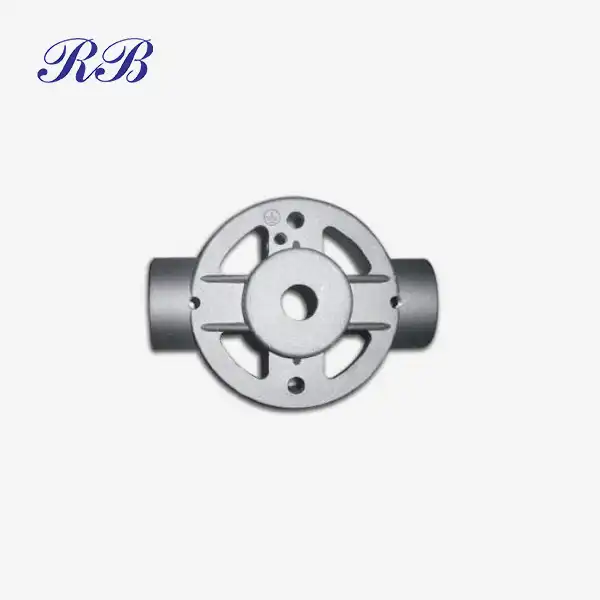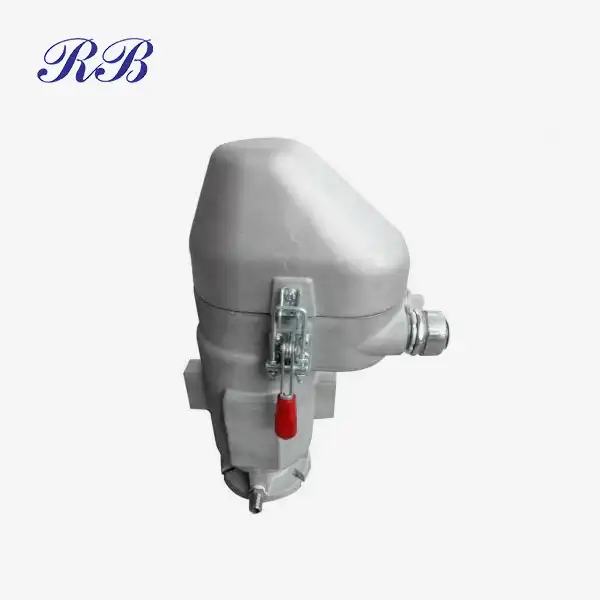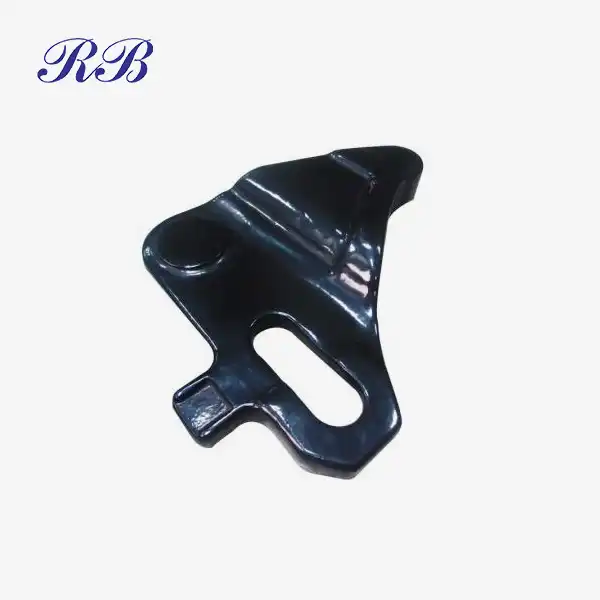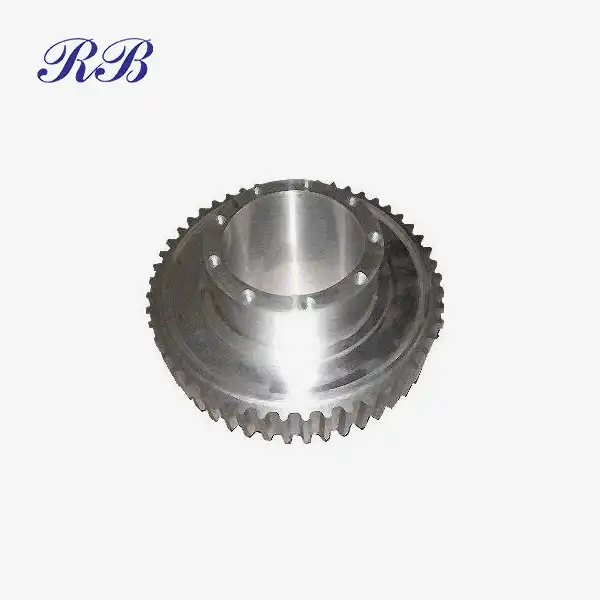
Sand Casting: Widely Used Metal Casting Processes Globally
The Fundamentals of Sand Casting
Sand casting, at its center, is a handle that includes pouring liquid metal into a form made essentially of sand. This strategy has been utilized for centuries, with prove of its hone dating back to old civilizations. The effortlessness and adequacy of sand casting have guaranteed its life span in the fabricating world.
The prepare starts with making a design, regularly made of wood, metal, or plastic, which is the correct shape of the craved last item. This design is at that point utilized to shape a depression in the sand shape. Once the shape is arranged, liquid metal is poured into it. After cooling and hardening, the sand is broken absent, uncovering the cast part.
Global Adoption and Industry Applications
Sand casting's widespread use can be attributed to its adaptability across various industries. From small workshops to large-scale manufacturing plants, this method is employed globally for producing a wide array of components.
- Automotive: Engine blocks, cylinder heads, transmission cases
- Aerospace: Turbine blades, structural components
- Construction: Manhole covers, large pipes, architectural elements
- Marine: Propellers, engine parts for ships
- Energy: Pump housings, valve bodies, turbine components
The versatility of sand casting allows for the production of parts ranging from a few ounces to several tons, making it an invaluable process across diverse manufacturing sectors.
Technological Advancements in Sand Casting
While the essential standards of sand casting have remained unaltered for centuries, present day innovation has altogether improved the prepare. Computer-aided plan (CAD) and recreation program presently permit for exact form creation and optimization of the casting handle. 3D printing innovations are moreover being coordinates, empowering quick prototyping of designs and molds.
These headways have driven to progressed exactness, decreased abandons, and expanded effectiveness in operations. As a result, this time-tested strategy proceeds to advance, assembly the requesting prerequisites of present day manufacturing.
Characteristics of Sand Casting
Material Versatility and Complexity
One of the most eminent characteristics of sand casting is its capacity to work with a wide run of metals. From press and steel to aluminum, copper, and indeed valuable metals like gold and silver, sand casting obliges different amalgams. This flexibility makes it an alluring alternative for producers managing with assorted fabric requirements.
Moreover, sand casting exceeds expectations in creating parts with complex geometries. Complicated inside cavities, which might be challenging or incomprehensible with other fabricating strategies, can be accomplished through cautious shape plan and center arrangement. This capability is especially profitable in businesses like car and aviation, where components frequently require complex inside structures.
Cost-Effectiveness and Scalability
Sand casting is eminent for its cost-effectiveness, particularly for moo to medium generation volumes. The tooling costs are moderately moo compared to other casting strategies, making it an prudent choice for prototyping and small-batch generation. As generation volumes increment, the fetched per unit diminishes, advertising versatility that offers to numerous manufacturers.
Additionally, the capacity to reuse sand in the molding prepare contributes to its financial advantage. Numerous foundries actualize sand recovery frameworks, diminishing squander and bringing down fabric costs over time.
Surface Finish and Dimensional Accuracy
The surface wrap up of sand cast parts can change depending on the sand grain estimate and form planning strategies. Whereas sand casting may not accomplish the smooth wrap up of pass on casting, it offers a interesting surface that can be alluring in certain applications. For parts requiring smoother surfaces, auxiliary wrapping up operations like machining or cleaning can be applied.
In terms of dimensional precision, sand casting has made noteworthy strides with advanced methods. Whereas customarily known for looser resiliences compared to a few other fabricating strategies, progressions in shape making and prepare control have enormously moved forward accuracy. Nowadays, gifted foundries can accomplish resistances as tight as ±0.005 inches (0.127 mm) in a few applications.

Why Is Sand Casting Widely Used?
Flexibility in Design and Production
The far reaching appropriation of sand casting can be ascribed to its surprising adaptability. This handle permits for quick plan changes without the require for costly tooling adjustments. Engineers and creators appreciate this dexterity, particularly amid the prototyping and item improvement phases.
Furthermore, sand casting obliges a wide extend of portion sizes. From little, complicated components weighing fair a few ounces to enormous castings weighing a few tons, this flexibility is unmatched by numerous other fabricating forms. This adaptability makes sand casting an perfect choice for businesses with differing item lines or those managing with custom, one-off productions.
Environmental Considerations and Sustainability
In an era of increasing environmental awareness, sand casting offers several sustainable advantages. The primary material – sand – is abundant and natural. Many foundries implement sand reclamation systems, recycling up to 95% of the sand used in the process. This not only reduces waste but also lowers the environmental impact of the operation.
Additionally, the energy consumption in sand casting can be lower compared to some alternative manufacturing methods, especially for large parts. The ability to cast near-net-shape components also reduces the need for extensive machining, further conserving energy and materials.
Compatibility with Modern Manufacturing Trends
Despite being an ancient technique, sand casting has proven highly adaptable to modern manufacturing trends. The integration of digital technologies, such as 3D printing for pattern making and computer simulation for mold filling and solidification analysis, has revolutionized the process. These advancements have led to improved quality, reduced lead times, and enhanced predictability in production outcomes.
Moreover, the rise of additive manufacturing has not diminished the relevance. Instead, these technologies often complement each other, with 3D printing being used to create complex patterns or cores for sand casting molds. This synergy exemplifies how traditional methods can evolve and remain crucial in the age of Industry 4.0.
Sand casting's persevering notoriety in the fabricating world is a confirmation to its flexibility, cost-effectiveness, and versatility. From its capacity to handle a wide run of materials and portion sizes to its compatibility with present day innovative headways, sand casting proceeds to be an vital handle over various industries.
As we see to the future, it's clear that sand casting will stay a imperative fabricating method, advancing nearby modern advances whereas keeping up its center qualities. For businesses and people looking for solid, adaptable, and productive metal shaping arrangements, sand casting offers a time-tested strategy that proceeds to meet the challenges of advanced manufacturing.

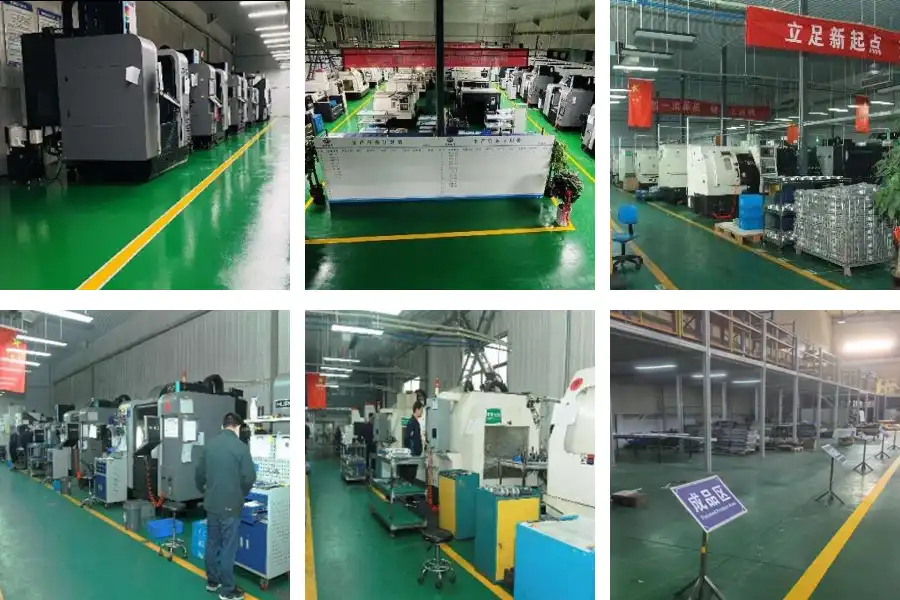
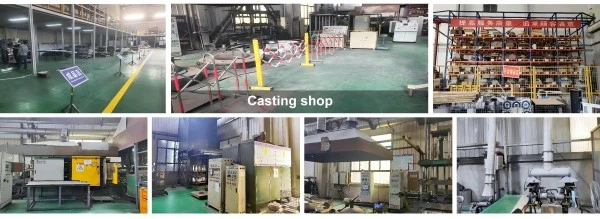
Sand Casting Supplier: Rongbao Enterprise
Rongbao's ability amplifies past sand casting to incorporate high-pressure pass on casting, low-pressure kick the bucket casting, gravity casting, and accuracy machining administrations. Their commitment to quality is apparent through their certifications, counting ISO 9001:2016 for Quality Administration, ISO 14001 for Natural Administration, and ISO 45001 for Word related Wellbeing and Security Management.
The company's product range is diverse, catering to multiple applications such as:
- Cast rectangular hoppers and collection boxes for rainwater harvesting
- Precision sand cast parts for pump housings in fire pump control stations
- Specialized valve body castings for fire pipe control systems
- Cast components for fire pump conversion joints and connectors
- Cast elbow pipes and engine bearings for water drop channels
With 70% of their products exported to markets in the United States, Europe, Japan, and beyond, Rongbao has established itself as a global player in the casting industry. Their dedication to environmental sustainability, innovation, and precision makes them an ideal partner for businesses seeking reliable sand casting solutions.
For inquiries and free samples, contact Steve Zhou at steve.zhou@263.net or Zhou Yi at zhouyi@rongbaocasting.com.