Modern security marvels like the alarm control box have found homes in urban neighborhoods as well as large industrial complexes. Its essential work is to centralize and oversee numerous security zones, permitting for a nuanced and responsive approach to danger discovery and anticipation. But what exactly makes this particular configuration so valuable in the security landscape? Let's take a look at the device's features one by one and see how it helps build flexible security networks.

Manages Multiple Security Zones
At its core, the twelve-way alarm control box excels in its capacity to oversee and coordinate multiple security zones simultaneously. This functionality is particularly crucial in larger premises or those with complex layouts requiring compartmentalized security measures. Each of the twelve 'ways' or channels can be assigned to a specific area or type of sensor, allowing for granular control and monitoring.
Consider, for instance, a manufacturing facility with various departments - production floors, storage areas, administrative offices, and loading docks. The twelve-way alarm control box can dedicate separate channels to each of these zones, ensuring that security protocols are tailored to the unique requirements of each space. The ability to divide the network into zones improves safety in general and makes responding to and investigating incidents much easier.
The capacity to control several zones has real-world applications in both security and day-to-day operations. Authorized personnel can arm or disarm specific zones as needed, without compromising the security of the entire premises. Businesses with varied schedules or places that need different levels of access throughout the day may find this flexibility helpful.
The sophistication of zone management extends beyond simple on/off functionality. Modern twelve-way alarm control boxes often incorporate programmable logic, allowing for complex conditional responses. For example, an alarm triggered in one zone might automatically lock down adjacent areas, or activate additional surveillance measures in specific locations. This smart, networked method of security zoning is a huge improvement over older, more isolated security systems.

Connects To Anti-Theft Sensors
One of the primary functions of a twelve-way alarm control box is its seamless integration with a wide array of anti-theft sensors. By allowing the central control unit to receive and interpret signals from several detection devices distributed within a protected area, this connection serves as the backbone of any complete security system.
The types of sensors that can be connected to a twelve-way alarm control box are diverse, each designed to detect specific types of security breaches. For example, motion sensors may be installed in key places to keep an eye on any activity there. Door and window sensors alert the system to unauthorized access points being compromised. Additional security measures may be implemented with the help of glass break detectors, which can detect the unique pattern of glass breaking and potentially signal an attempt at forced entry.
What sets the twelve-way alarm control box apart is its ability to not just connect to these sensors but to intelligently interpret and respond to the data they provide. When a sensor is triggered, the control box can differentiate between various types of alerts, prioritize responses, and initiate appropriate actions. This might include sounding local alarms, notifying security personnel, or even alerting law enforcement agencies directly.
Modern twelve-way alarm control boxes may also integrate with more advanced anti-theft systems. Interfacing with video surveillance systems is one use case; this enables real-time visual confirmation of notifications. Connectivity to asset monitoring systems is a feature of certain more sophisticated versions, allowing for the provision of real-time data about the whereabouts and condition of precious possessions inside the secure area.
Because of how adaptable these connections are, they may also be tailored to meet the demands of certain security protocols. In a retail environment, for instance, the control box might be configured to work with electronic article surveillance (EAS) systems at exit points. It might be integrated with biometric access control systems in a highly secure location, providing an additional safeguard against unapproved access.

Integrates With Fire Prevention Early Warning Devices
The twelve-way alarm control box is an integral component of fire protection systems, in addition to its function in preventing theft. Its ability to integrate with fire prevention early warning devices transforms it from a simple security tool into a comprehensive life safety system. This integration is not a matter of comfort; it's regularly an administrative necessity in numerous locales, underscoring the significance of this functionality.
Fire alarms, heat detectors, and carbon monoxide detectors are all compatible with the control box. When any of these devices detects a potential fire hazard, the signal is immediately relayed to the control box . Afterwards, the system goes into gear, starting a sequence of actions that are already programmed to safeguard people and their possessions.
These reactions might be complex and personalized to meet the demands of the building and its inhabitants. For instance, upon detecting smoke, the system might activate audible and visual alarms to alert occupants. Simultaneously, it could trigger the automatic closure of fire doors to contain the spread of smoke and flames. In more advanced setups, the control box might even interface with the building's HVAC system to control air flow and prevent the circulation of smoke.
The integration doesn't stop at detection and alarm activation. Many twelve-way alarm control boxes are designed to communicate directly with fire departments or monitoring stations. This rapid, automated notification can significantly reduce response times, potentially saving lives and minimizing property damage. More efficient firefighting tactics are possible in big commercial or industrial areas because of the system's ability to provide first responders with crucial information on the location and kind of the fire.
Also, bigger structures or complexes benefit greatly from the twelve-way configuration's zoned fire protection. Different areas can have customized fire prevention protocols based on their specific risks and requirements. For example, a server room might have specialized fire suppression systems that are activated differently from those in a general office area.
It should be mentioned that there are practical advantages to testing and maintenance when fire and security systems are integrated via a twelve-way alarm control box. Regular system checks can be conducted more efficiently, ensuring that all components of the life safety system are functioning correctly and in harmony.
The twelve-way alarm control box represents a cornerstone in modern security and safety systems. Its ability to manage multiple security zones, connect to various anti-theft sensors, and integrate with fire prevention early warning devices makes it an indispensable tool in protecting lives and property. The flexibility and versatility of these frameworks guarantee that they can be custom-fitted to meet the special needs of differing situations, from small businesses to expansive mechanical complexes.
These control boxes are already rather advanced, but they're sure to become much smarter with time. Think: AI-driven threat analysis and Internet of Things integration. For businesses and property managers looking to enhance their security measures, investing in a high-quality twelve-way alarm control box is a critical step towards creating a comprehensive and effective security strategy.
Twelve-Way Alarm Control Box Manufacturer
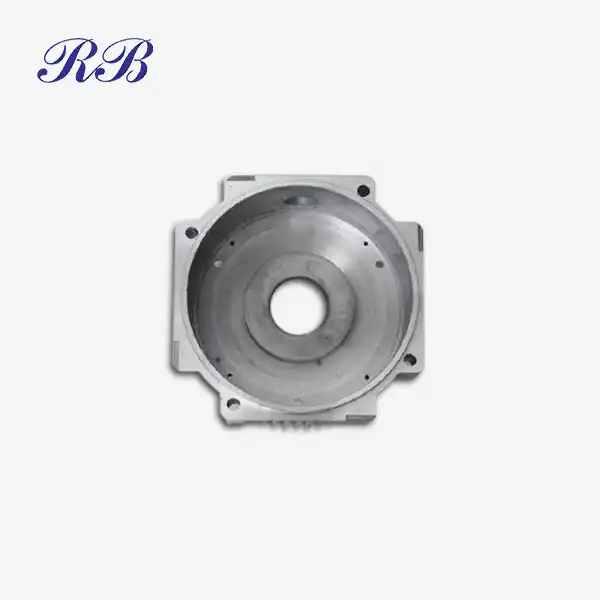
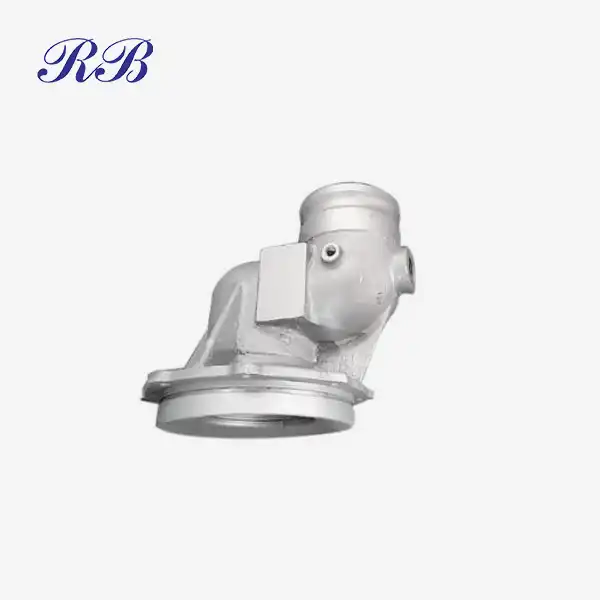
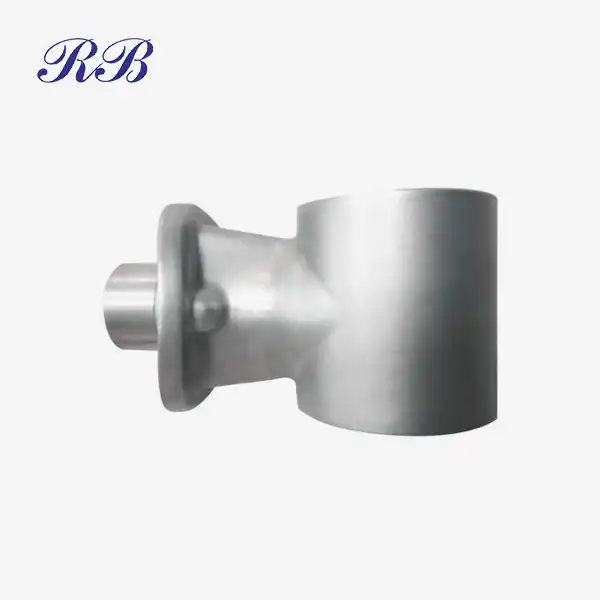
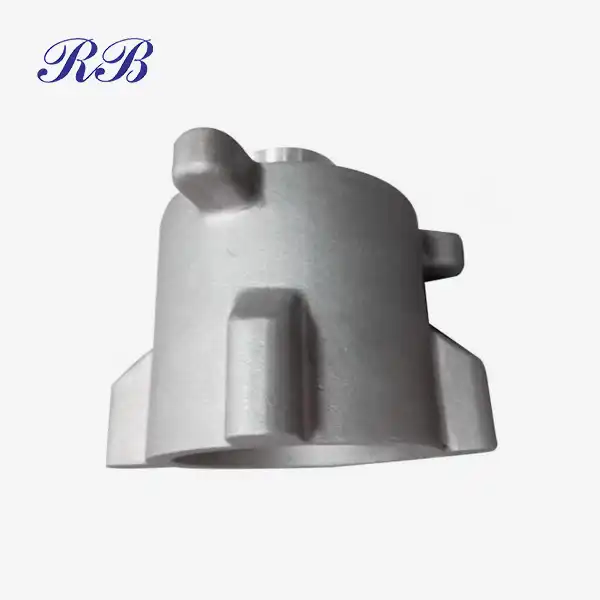
As far as alarm control boxes go, Rongbao Enterprise is head and shoulders above the competition. Established in 2003, Rongbao has built a solid reputation in the aluminum alloy casting and precision processing industry. Critical components for security systems are also part of their expertise.
Certifications like as ISO9001:2015, ISO14001, and ISO45001 attest to Rongbao's dedication to quality. Their commitment to quality management, environmental consciousness, and worker safety is shown by these certifications.
The alarm control boxes made by the firm are compatible with a broad variety of security systems since they are particularly built for use with alarm devices. With a production capacity of 50,000 pieces, Rongbao is well-equipped to meet large-scale demands without compromising on quality or delivery times.
Responding quickly and adaptively to client demands is a strength of Rongbao. As a result of their versatility and modern manufacturing processes, such as gravity casting, high-pressure die casting, low-pressure die casting, and precision machining services, Rongbao is a dependable and flexible partner for security system manufacturers and integrators.
Rongbao, based in Xi'an, China, uses well-thought-out packing options, such as hardwood boxes and cartons, to guarantee the safe and effective shipment of their goods. This attention to detail extends from production to delivery, ensuring that their alarm control boxes reach customers in perfect condition.
For those looking to enhance their security systems with top-quality twelve-way alarm control boxes, reaching out to Rongbao is a smart move. Their team of experts is ready to assist with your specific needs and can be contacted at steve.zhou@263.net or zhouyi@rongbaocasting.com. With Rongbao's commitment to quality, customization capabilities, and extensive experience, you can trust that your security component needs will be met with precision and reliability.
References
1. National Fire Protection Association (NFPA). NFPA 72: National Fire Alarm and Signaling Code, 2022 Edition. Quincy, MA: NFPA, 2022.
2. International Organization for Standardization. ISO 9001:2015 – Quality management systems — Requirements. Geneva: ISO, 2015.
3. International Organization for Standardization. ISO 14001:2015 – Environmental management systems — Requirements with guidance for use. Geneva: ISO, 2015.
4. International Organization for Standardization. ISO 45001:2018 – Occupational health and safety management systems — Requirements with guidance for use. Geneva: ISO, 2018.
5. British Standards Institution (BSI). BS EN 54 – Fire detection and fire alarm systems. London: BSI, 2019.