- English
- French
- German
- Portuguese
- Spanish
- Russian
- Japanese
- Korean
- Arabic
- Greek
- German
- Turkish
- Italian
- Danish
- Romanian
- Indonesian
- Czech
- Afrikaans
- Swedish
- Polish
- Basque
- Catalan
- Esperanto
- Hindi
- Lao
- Albanian
- Amharic
- Armenian
- Azerbaijani
- Belarusian
- Bengali
- Bosnian
- Bulgarian
- Cebuano
- Chichewa
- Corsican
- Croatian
- Dutch
- Estonian
- Filipino
- Finnish
- Frisian
- Galician
- Georgian
- Gujarati
- Haitian
- Hausa
- Hawaiian
- Hebrew
- Hmong
- Hungarian
- Icelandic
- Igbo
- Javanese
- Kannada
- Kazakh
- Khmer
- Kurdish
- Kyrgyz
- Latin
- Latvian
- Lithuanian
- Luxembou..
- Macedonian
- Malagasy
- Malay
- Malayalam
- Maltese
- Maori
- Marathi
- Mongolian
- Burmese
- Nepali
- Norwegian
- Pashto
- Persian
- Punjabi
- Serbian
- Sesotho
- Sinhala
- Slovak
- Slovenian
- Somali
- Samoan
- Scots Gaelic
- Shona
- Sindhi
- Sundanese
- Swahili
- Tajik
- Tamil
- Telugu
- Thai
- Ukrainian
- Urdu
- Uzbek
- Vietnamese
- Welsh
- Xhosa
- Yiddish
- Yoruba
- Zulu
What are engine bearings made of?
Engine bearings are precision-engineered components that sit between rotating shafts and stationary housings inside an engine, reducing metal-to-metal contact and distributing load across a lubricated surface. Most engine bearings are manufactured from multi-layer metal systems — typically a steel backing bonded to softer overlay materials such as aluminum alloys, copper-lead composites, or babbitt metal. Cast engine bearings represent a distinct category where material is shaped through controlled casting processes, delivering complex geometries with consistent mechanical properties. Understanding what goes into these components is the first step toward smarter procurement decisions.

Engine Bearings: Composition and Function
The Core Role of Bearing Materials
When the crankshaft turns, it pushes against the bearing surface, sometimes with more than 5,000 psi of force. This load has to be taken on by the bearing material while keeping a thin oil film between the surfaces. If you choose the right bearing material, you can keep your engine from seizing up, keep it from getting too hot, and keep it running for longer. A rigid steel shell provides structural support, and a softer overlay alloy manages conformability and embeddability, which means it can take in microscopic debris without damaging the surface. This is how most industrial-grade bearings are made.
How Cast Bearings Differ from Other Types
Powder metallurgy or rolling is used to shape sintered and wrought bearings. Cast engine bearings, on the other hand, are made by pouring molten alloy into precise molds. This gives the designer more control over the alloy's microstructure, wall thickness, and bore geometry. SAE International research shows that in mid-load diesel applications, cast aluminum alloy bearings have up to 15% better fatigue strength uniformity than some wrought alternatives. This method of making things is especially helpful when making complicated forms, like water drop channels and flanged inserts, that can't be made quickly with rolling.
Types of Engine Bearing Materials and Their Properties
When buying bearings, choosing the right material is one of the most important decisions that must be made. Each family of alloys has different trade-offs between cost, weight, load capacity, and resistance to rust. Here is a useful breakdown of the main types of materials used in manufacturing today:
- Lead-based alloys (babbitt metal): These are a type of white metal that can be shaped easily and is gentle on shaft surfaces, which means they can handle being out of line. Because they don't resist fatigue very well, they work best in low- to medium-load situations. Environmental laws in some markets now limit the amount of lead that can be used, which is forcing buyers to look for other chemicals.
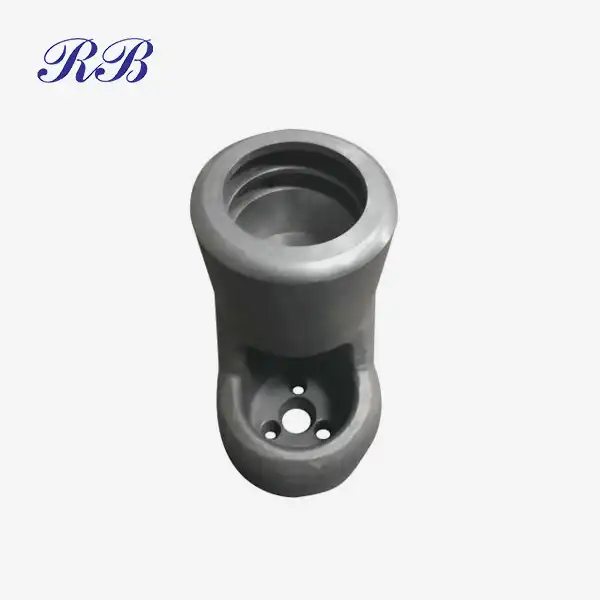
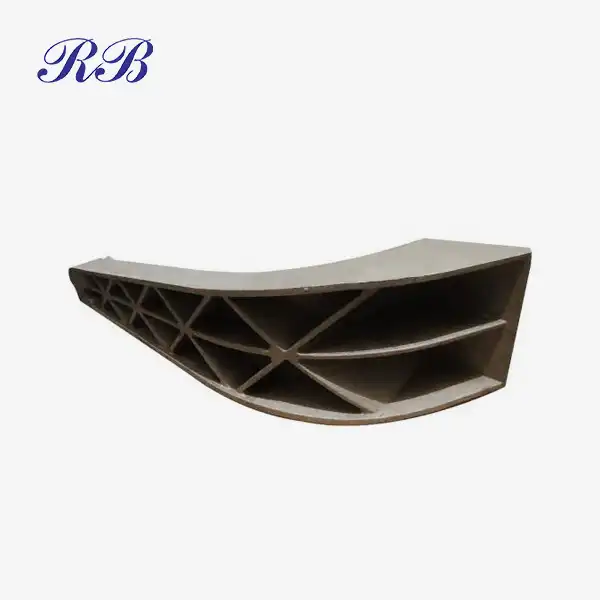
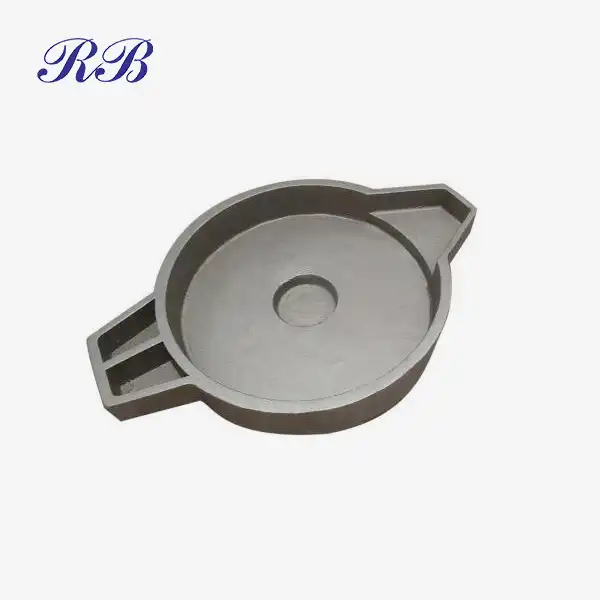
- Aluminum alloys (including ZL101A): Aluminum-silicon alloys have a high strength-to-weight ratio and don't rust easily. ZL101A is a popular casting grade in China that is the same as A356 and is used to make industrial bearing housings and channel parts. With a weight of only 0.22 kg per piece and a finish made by CNC machining, these parts meet tight tolerances for size while still being affordable.
- Copper-lead and lead-bronze alloys: These are the most common types of materials used in heavy business vehicles and stationary diesel engines because they can safely handle high temperatures and high dynamic loads. Because they are good at transferring heat, the bearing temperatures stay lower during long-term use.
- Polymer and PTFE-coated composites: In modern three-metal bearings, a PTFE or resin layer is often added on top of the metal base. According to bearing tribology studies, about 40% of engine wear happens when the engine is cold. This coating lowers friction during cold starts and increases the time between relubrications.
Each of these groups of materials meets a different set of operational needs, and procurement managers who are good at their job rarely buy from just one alloy family. Reliable bearing performance starts with matching the material to the load curve of the application.

How to Choose the Right Engine Bearing Material for Your Application?
Three operating parameters—load size, rotational speed, and sustained temperature—help you choose the right material. Aluminum metal cast engine bearings are better for high-speed diesel engines that go over 3,000 rpm because they are lighter and have less friction. Copper-lead cores tend to work better in heavy-duty fixed engines that run at low rpm but high power.
OEM-specified materials come with warranties and have been proven to work by engine dyno testing. This is a big plus for buying teams that have to handle guarantee claims later on. Aftermarket options can work as well as OEM parts if they come from qualified makers with ISO9001:2015, ISO14001, and ISO45001 credentials. These credentials show that the manufacturing process is controlled consistently from receiving the raw materials to final review.
Custom-designed bearing housings should also be taken into account. If the equipment you're designing has non-standard bore sizes or needs built-in fluid channels, like water drop channel configurations, a sand casting supplier that can do OEM/ODM can make matched tools and make batches of 5,000 pieces or more without changing the sizes. This one-source approach gets rid of the need to coordinate with multiple suppliers, which adds to the cost of procurement.
Maintenance and Failure Prevention of Engine Bearings
Recognizing Early Warning Signs
A drop in oil pressure below the minimum level recommended by the engine maker, a low-frequency knock that can be heard at idle, and high bearing temperatures seen with thermal imaging are the three most accurate early warning signs of bearing damage. When compared to fixing problems after a seizure, catching these signals early usually cuts repair costs by 60–70%.
Common Wear Mechanisms
Wear on bearings happens in predictable ways. Lack of lubrication speeds up mechanical wear because the oil film breaks down, letting metal touch metal. Particles bigger than 10 microns get stuck in soft overlay materials and score the shaft journal. Fatigue breaking starts where there is a lot of stress in the top layer and moves to the back steel as the temperature changes.
Routine inspections that happen at the same time as oil changes—usually every 250 to 500 hours for industrial diesel applications—let quality teams use plastic strips to measure bearing gaps and find patch degradation before a major failure happens.
Procurement Insights: Buying Engine Bearings Based on Material and Quality
If you buy cast engine bearings from direct manufacturers instead of multiple distributors, you can cut down on lead time and price layering. For business-to-business buyers who manage large monthly orders, having a direct relationship with a maker can also give them access to blanket order agreements that keep prices stable when the cost of raw materials changes.
When buying bearings, the prices depend on three things: the metal grade, the wall thickness tolerance, and the surface treatment standard. For example, shot blasting makes the surface cleaner and increases fatigue life by creating compressive residual stress. This is a standard step after making certified industrial castings and should be clearly stated in the supplier's quality documentation.
When looking for providers, try to find ones that ship in safe board boxes, have triple system certification (ISO9001, ISO14001, and ISO45001), and have CNC machining capabilities in-house. When casting and machining are done in the same building, the risk of tolerance stack-up is lower, and the time from sample to production is shortened. This is important when your device assembly plan has no room for error.

Conclusion
Engine bearings are made up of many layers, and each one has a specific mechanical job to do. These layers include the steel backing and the surface overlay. The choice of material directly affects how much weight it can hold, how long it will last, and how well it works with your engine's conditions. Cast engine bearings made from aluminum alloys like ZL101A have a great mix of complicated shapes, low weight, and precision in the manufacturing process. A strong supply chain pairs the right material with a qualified full-process producer. A weak supply chain does not do this. Start with the material specification, make sure it matches your working parameters, and buy from suppliers whose quality records have been checked by a third party.
FAQ
Does bearing material affect engine fuel efficiency?
Yes. Aluminum and other lighter alloys have less moving mass, which means that there is less friction at the axle. Studies published in tribology journals show that improving bearing clearance and matching materials can cut down on hydrodynamic friction losses in diesel engines for passenger cars by 3 to 8 percent. For industrial machines that run on steady job cycles, these efficiency gains directly lead to lower energy costs over the course of a year.
How often should cast engine bearings be replaced?
Wear and tear, lubrication quality, and operating temperature all affect how often parts need to be replaced. Aluminum and copper-lead cast engine bearings usually last between 8,000 and 15,000 service hours in industrial engines that are well taken care of and have clean oil systems. That number can be cut in half by dirty oil or filters that aren't changed often enough. At every big repair interval, you should always check the engine manufacturer's bearing clearance specification against what you're doing.
Is it risky to substitute aftermarket materials for OEM-specified bearing grades?
The risk is different for each use. In a high-speed turbocharged engine, using a lower-grade overlay alloy increases the risk of fatigue failure by a large amount. When it comes to moderate-load utility engines, certified aftermarket bearings from ISO9001-compliant manufacturers usually work just as well as OEM bearings. Before allowing a material replacement in production, it is important to get approval papers and hardness test results for the new material.
Source Your Cast Engine Bearings from Rongbao Enterprise
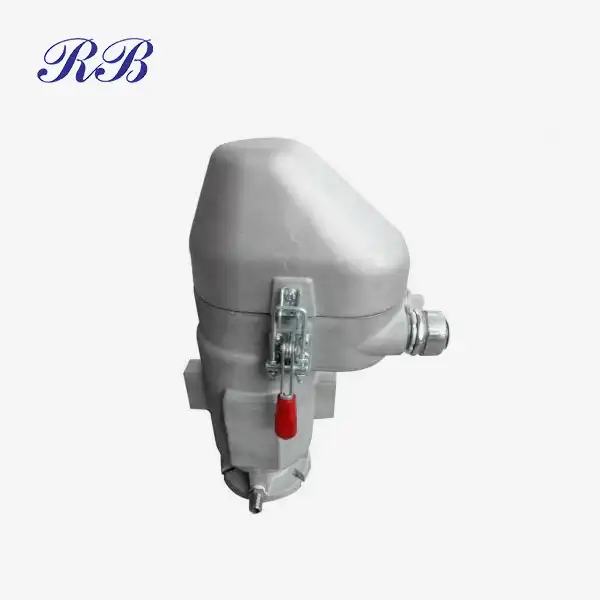
Rongbao Enterprise is a company in Xi'an, China, that has been making approved cast engine bearings and precise industrial castings for 20 years. We are a reliable supplier of cast engine bearings and have ISO9001:2015, ISO14001, and ISO45001 certifications. We can do everything, from sand casting and gravity casting to CNC machining and shot blasting. We can make up to 5,000 pieces in a batch, and we can do OEM/ODM customization. To get a price, email our team at steve.zhou@263.net or zhouyi@rongbaocasting.com, or go to rongbaocasting.com.
References
- SAE International — Engine Bearing Materials and Tribological Performance, SAE Technical Paper Series, 2019.
- ASM International — Aluminum Alloy Castings: Properties, Processes, and Applications, ASM Handbook Volume 15, 2008.
- Taylor & Francis — Tribology Transactions: Lubrication and Wear in Internal Combustion Engine Bearings, 2021.
- Elsevier — Tribology International: Cold-Start Wear Mechanisms in Automotive Bearing Surfaces, 2020.
- ISO — ISO 9001:2015 Quality Management Systems — Requirements, International Organization for Standardization, 2015.
- Engineers Edge — Engine Bearing Design and Material Selection Reference Guide, Engineering Reference Library, 2018.
Learn about our latest products and discounts through SMS or email