- English
- French
- German
- Portuguese
- Spanish
- Russian
- Japanese
- Korean
- Arabic
- Greek
- German
- Turkish
- Italian
- Danish
- Romanian
- Indonesian
- Czech
- Afrikaans
- Swedish
- Polish
- Basque
- Catalan
- Esperanto
- Hindi
- Lao
- Albanian
- Amharic
- Armenian
- Azerbaijani
- Belarusian
- Bengali
- Bosnian
- Bulgarian
- Cebuano
- Chichewa
- Corsican
- Croatian
- Dutch
- Estonian
- Filipino
- Finnish
- Frisian
- Galician
- Georgian
- Gujarati
- Haitian
- Hausa
- Hawaiian
- Hebrew
- Hmong
- Hungarian
- Icelandic
- Igbo
- Javanese
- Kannada
- Kazakh
- Khmer
- Kurdish
- Kyrgyz
- Latin
- Latvian
- Lithuanian
- Luxembou..
- Macedonian
- Malagasy
- Malay
- Malayalam
- Maltese
- Maori
- Marathi
- Mongolian
- Burmese
- Nepali
- Norwegian
- Pashto
- Persian
- Punjabi
- Serbian
- Sesotho
- Sinhala
- Slovak
- Slovenian
- Somali
- Samoan
- Scots Gaelic
- Shona
- Sindhi
- Sundanese
- Swahili
- Tajik
- Tamil
- Telugu
- Thai
- Ukrainian
- Urdu
- Uzbek
- Vietnamese
- Welsh
- Xhosa
- Yiddish
- Yoruba
- Zulu
Top Copper Casting Suppliers: B2B Stable Alloy Casting Capacity
When sourcing precision metal components for demanding applications, finding the right copper alloy casting partner makes all the difference. Leading copper casting suppliers combine advanced manufacturing techniques with rigorous quality standards to deliver reliable solutions for industries spanning automotive, kitchenware, industrial equipment, and beyond. Copper sand casting stands out among these processes for its versatility in producing complex geometries while maintaining excellent dimensional accuracy and surface finish. B2B buyers increasingly recognize that partnering with experienced suppliers who understand both material science and production efficiency is essential for maintaining competitive advantage in today's global marketplace.
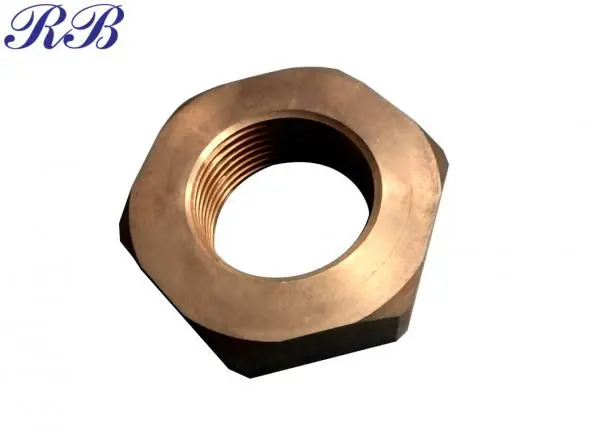
Copper Sand Casting: Key Insights for B2B Buyers
Copper sand casting using sand mold technology is a tried-and-true way to make things that balances low cost with high quality. To do this, a temporary sand mold is made around the design, molten copper alloy is poured into the hole, the solidification process is managed, and finally, the casting is taken out of the broken mold. The method is very good at making parts of all sizes, from small precise parts to bigger structural elements.
The Fundamental Process Behind Sand Casting
The journey starts with making a pattern. This is where a copy of the part that is wanted is made out of wood, metal, or plastic. To make the mold hole, skilled workers pack specially made sand around this design. Green sand mixed with clay binders or chemically bound sands that are better at keeping their shape are often used in modern foundries. After putting the two halves of the mold together, molten copper alloy heated to exact temperatures runs into the hole thru a system of gates that are meant to keep air from getting stuck and causing turbulence.
Material Properties That Set Copper Alloys Apart
Copper sand casting parts are better when they are made with copper-based metals. H60 brass is widely used for kitchenware like hexagonal nuts and fittings because it is easy to machine and doesn't rust. These alloys keep their shape even when the temperature changes, and they naturally kill germs, which is especially useful in food-contact applications. Copper castings are much better at transferring heat than aluminum alternatives, which makes them perfect for heat transfer applications.
Critical Factors Affecting Casting Quality
Controlling the temperature during the melting and pouring stages has a direct effect on the quality of the final part. Foundries have to keep exact records of the alloy's composition, making sure that all of its parts are carefully balanced to get the right mechanical properties. Sand grain size, moisture content, and packing density all have an effect on the finish and accuracy of the measurements. Experienced suppliers keep an eye on these parameters all the time and change their processes based on real-time feedback to make sure that the results are the same from one production run to the next.
Selecting the Right Copper Sand Casting Supplier: What B2B Buyers Should Know
When looking for a manufacturing partner that can consistently deliver high-quality copper sand casting, you need to look at more than just price. When choosing a supplier, people who work in procurement should be methodical and look at credentials, skills, and cultural fit.
Essential Certifications and Quality Standards
Reputable foundries keep their certifications up to date across a number of management systems. ISO9001:2015 certification shows that quality management practices are standardized. This makes sure that methods are the same from taking orders to checking the end product. Getting ISO14001 certification shows that you care about the environment and are committed to managing waste and reducing emissions. ISO45001 certification proves safety rules for the workplace that keep workers and guests safe. As skilled suppliers see these certifications as normal practice, they don't set the bar for what else is available.
Technical Expertise and Customization Capabilities
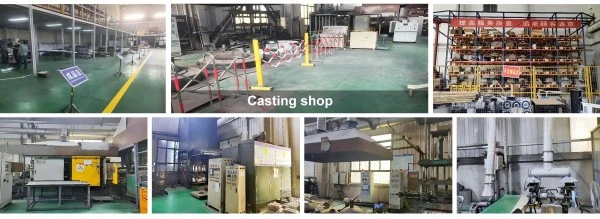
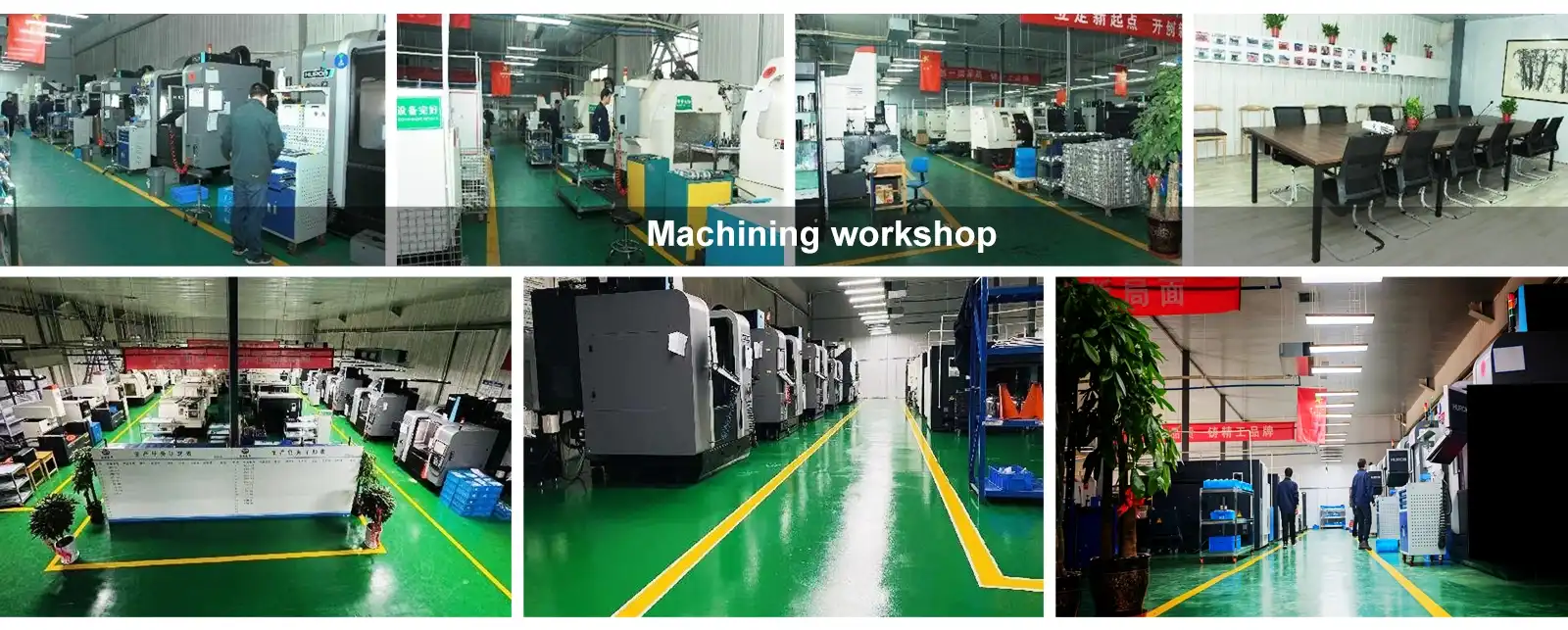
Some providers are better than others because they can help customers from the design idea stage all the way thru production. Look for partners who can help you make molds, which will let you do rapid prototyping and design changes. Having CNC machining skills in-house speeds up production processes and gets rid of the problems that come with coordinating with different providers. Surface treatments, such as shot blasting, make parts last longer and look better. We offer full customization for specifications and work with OEM and ODM partners to make your product ideas come to life.
Evaluating Production Capacity and Flexibility
When it comes to bigger orders, production capacity has a direct effect on how reliable delivery is. Suppliers with automated machinery and regular production lines are better able to handle changes in volume. Our factory can handle production runs of 500 pieces or more for custom applications or 5,000 or more pieces for standard parts, and it can be expanded to meet the needs of growing partnerships. Castings are safely shipped internationally in a variety of packaging options, such as wooden boxes. When they arrive, they are ready to be put together.
Common Challenges and How Leading Suppliers Address Them
Copper sand casting methods have their own technical problems that set experienced suppliers apart from less skilled ones. Knowing how manufacturers handle these problems before they happen helps buyers make smart partnerships.
Preventing Porosity and Shrinkage Defects
Porosity happens when gasses get stuck during solidification, leaving holes inside the structure that weakens it. Leading foundries deal with this by carefully designing gates, making sure there is enough air flow, and using controlled pouring methods. When molten metal isn't fed into the casting enough as it cools, it can cause defects called shrinkage. Software for strategic riser placement and solidification modeling helps engineers see these problems coming and stop them before production starts. For important uses, quality control methods include non-destructive testing, which makes sure that only sound castings get to customers.
Quality Assurance Through the Production Chain
Comprehensive quality management includes all stages of production, not just the final check. Before melting starts, the makeup of the metal is checked to make sure it meets the requirements. Preparing the mold, pouring temperatures, and cooling processes are all tracked by in-process tracking. By using precise measuring tools for dimensional checking, you can be sure that the finished castings meet the requirements of the drawing. Our three international certifications and this full-chain quality control system give you peace of mind that parts will work as they should in tough situations.
Workplace Safety and Operational Excellence
Modern foundries put worker safety first by providing ongoing training, safety gear, and ways to reduce hazards. Handling molten metal requires strict adherence to set processes. Regular safety checks find ways to make things safer. Environmental controls keep the levels of noise, dust, and fumes within the limits set by law. These operational safeguards help customers in a roundabout way by keeping workers skilled and preventing interruptions in production.
Procurement Process and Tips: Streamlining Your Copper Sand Casting Orders
Effective procurement practices cut down on lead times and make sure that technical needs are shared and understood properly. Miscommunications that cost a lot of money can be avoided by following structured processes from the first question to the fulfillment of the order, especially for copper sand casting projects.
Preparing Comprehensive RFQ Documentation
Complete technical models with dimensional tolerances, material specs, surface finish standards, and acceptance criteria should be included in detailed requests for quotes. Provide yearly number estimates so that providers can suggest the right investments in tooling. Include where you want to ship to and how you'd like to package the items. It's faster to get a quote and less time-consuming to make changes when there is clear paperwork up front. When asking for quotes on things like our H60 brass hexagon nuts for kitchen use, sending sample parts along with drawings makes sure that everyone knows what to expect.
Understanding Lead Times and Production Scheduling
When new tools need to be made for an initial order, it usually takes 6 to 8 weeks from the time the order is confirmed until the first item is inspected. Because of existing tooling, repeat orders cut lead times to 3–4 weeks, depending on the production queue. Due to seasonal patterns in demand, companies that make kitchenware may need to plan ahead to make sure they have production slots during busy times. Building long-term ties with suppliers can help you get priority booking during times when capacity is limited.
Negotiating Terms That Benefit Both Parties
Competitive price takes into account the costs of production, such as the cost of materials, labor, energy, and fees. With volume agreements, sellers can plan their production runs more efficiently, which helps customers save money by giving them better prices. Payment terms that balance the buyer's financial policies with the supplier's cash flow needs make relationships stronger. It is better to talk about the total cost of ownership instead of just the piece price when making strategic sourcing decisions. We've been in this business for 20 years, and 70% of our goods are sold in North America, Europe, and Japan. That's why we know how important it is to have terms that help both sides grow.
Conclusion
To find the best copper casting suppliers, you need to look at more than just prices. You need to look at their professional skills, quality systems, and prospects for partnerships. Copper sand casting can be used to make a wide range of parts that need good material qualities, low production rates, and inexpensive tools. B2B buyers benefit from partners who offer full services, from helping with the design to finishing the job, and who have a track record of success and certifications. Procurement pros can make smart choices that improve their supply lines and product quality by learning about casting methods, comparing benefits, and best practices in procurement.
FAQ
What minimum order quantities do copper casting suppliers typically require?
Minimum order amounts change based on how complicated the part is and how many tools are needed. For prototype and trial production, many suppliers will take orders as low as 500 to 1,000 pieces at first. Our building can handle production runs of 500 pieces or more for specialized uses or 5,000 or more pieces for standard parts. As partnerships grow, we can add more space as needed. During the initial discussions, be honest about your volume projections. Suppliers will often come up with creative ways to meet your needs at a low cost.
How do I verify a supplier's quality certifications are current and legitimate?
Ask the supplier for copies of the certification documents and write down the name of the organization that issued them and the dates they expire. ISO certificates should have the approval marks of the certifying body on them. You can check certifications on the website of the organization that issued them or by calling them directly. Site visits give you more trust because they let you see how quality systems work in action. Suppliers with a good reputation will welcome these questions because they show that you are serious about doing your research.
Can copper sand casting meet food-grade safety requirements for kitchenware?
When the right materials and methods are used, copper sand casting that is done correctly meets all food-grade safety standards. H60 brass, which is often used for cooking parts, has the right amount of copper and zinc for food contact. Suppliers must keep track of the metal makeup and use controls to stop contamination during production. Before the final inspection, surface treatments like shot blasting get rid of any dirt or dust on the surface. Ask for certificates and test results for the materials that show they meet the food safety rules in the places you want to sell to.
Partner With Rongbao Enterprise for Your Copper Alloy Casting Needs
Rongbao Enterprise has been casting for 20 years and works with businesses in the automobile, food, and industrial equipment sectors. At our Xi'an facility, we offer full component solutions that include gravity casting, precise CNC machining, and shot blasting surface treatments. We follow strict quality standards throughout production and are certified to ISO9001:2015, ISO14001, and ISO45001 standards. Our team can help you with your project from the first idea to mass production, whether you need custom H60 brass hexagon nuts for kitchen equipment or complicated copper alloy parts. Get in touch with our skilled copper sand casting supply team at steve.zhou@263.net or zhouyi@rongbaocasting.com to talk about how our services fit with your needs.
References
- American Foundry Society. (2021). "Sand Casting Process Guide: Principles and Best Practices for Metal Casting Operations." Des Plaines: AFS Technical Publications.
- Davis, J.R. (2018). "Copper and Copper Alloys: Material Properties and Industrial Applications." Materials Park: ASM International Handbook Committee.
- Beeley, P.R. (2020). "Foundry Technology: Quality Assurance in Metal Casting Processes." Oxford: Butterworth-Heinemann Technical Publishing.
- Zhang, L. & Wang, S. (2019). "Comparative Analysis of Casting Methods for Copper Alloy Components in Industrial Manufacturing." International Journal of Metalcasting, 13(4), 892-908.
- Campbell, J. (2022). "Complete Casting Handbook: Metal Casting Processes, Metallurgy, and Design Considerations." Amsterdam: Elsevier Science Publishers.
- European Copper Institute. (2020). "Copper Alloys for Food Service Equipment: Material Selection and Safety Compliance Standards." Brussels: ECI Industry Guidelines.
_1750923522843.webp)
Learn about our latest products and discounts through SMS or email