- English
- French
- German
- Portuguese
- Spanish
- Russian
- Japanese
- Korean
- Arabic
- Greek
- German
- Turkish
- Italian
- Danish
- Romanian
- Indonesian
- Czech
- Afrikaans
- Swedish
- Polish
- Basque
- Catalan
- Esperanto
- Hindi
- Lao
- Albanian
- Amharic
- Armenian
- Azerbaijani
- Belarusian
- Bengali
- Bosnian
- Bulgarian
- Cebuano
- Chichewa
- Corsican
- Croatian
- Dutch
- Estonian
- Filipino
- Finnish
- Frisian
- Galician
- Georgian
- Gujarati
- Haitian
- Hausa
- Hawaiian
- Hebrew
- Hmong
- Hungarian
- Icelandic
- Igbo
- Javanese
- Kannada
- Kazakh
- Khmer
- Kurdish
- Kyrgyz
- Latin
- Latvian
- Lithuanian
- Luxembou..
- Macedonian
- Malagasy
- Malay
- Malayalam
- Maltese
- Maori
- Marathi
- Mongolian
- Burmese
- Nepali
- Norwegian
- Pashto
- Persian
- Punjabi
- Serbian
- Sesotho
- Sinhala
- Slovak
- Slovenian
- Somali
- Samoan
- Scots Gaelic
- Shona
- Sindhi
- Sundanese
- Swahili
- Tajik
- Tamil
- Telugu
- Thai
- Ukrainian
- Urdu
- Uzbek
- Vietnamese
- Welsh
- Xhosa
- Yiddish
- Yoruba
- Zulu
Titanium Alloy Machined Parts: The Best High-Performance Industry's Choice Explained
When engineers and procurement leads evaluate materials for demanding applications, titanium alloy machined parts consistently rise to the top. Their unique combination of high strength, low density, corrosion resistance, and biocompatibility makes them a preferred choice across aerospace, medical devices, and industrial equipment. Whether you are sourcing components for a rehabilitation robot or a precision surgical instrument, understanding what sets titanium apart—and how to procure it reliably—can meaningfully impact your product's performance and your supply chain's stability.
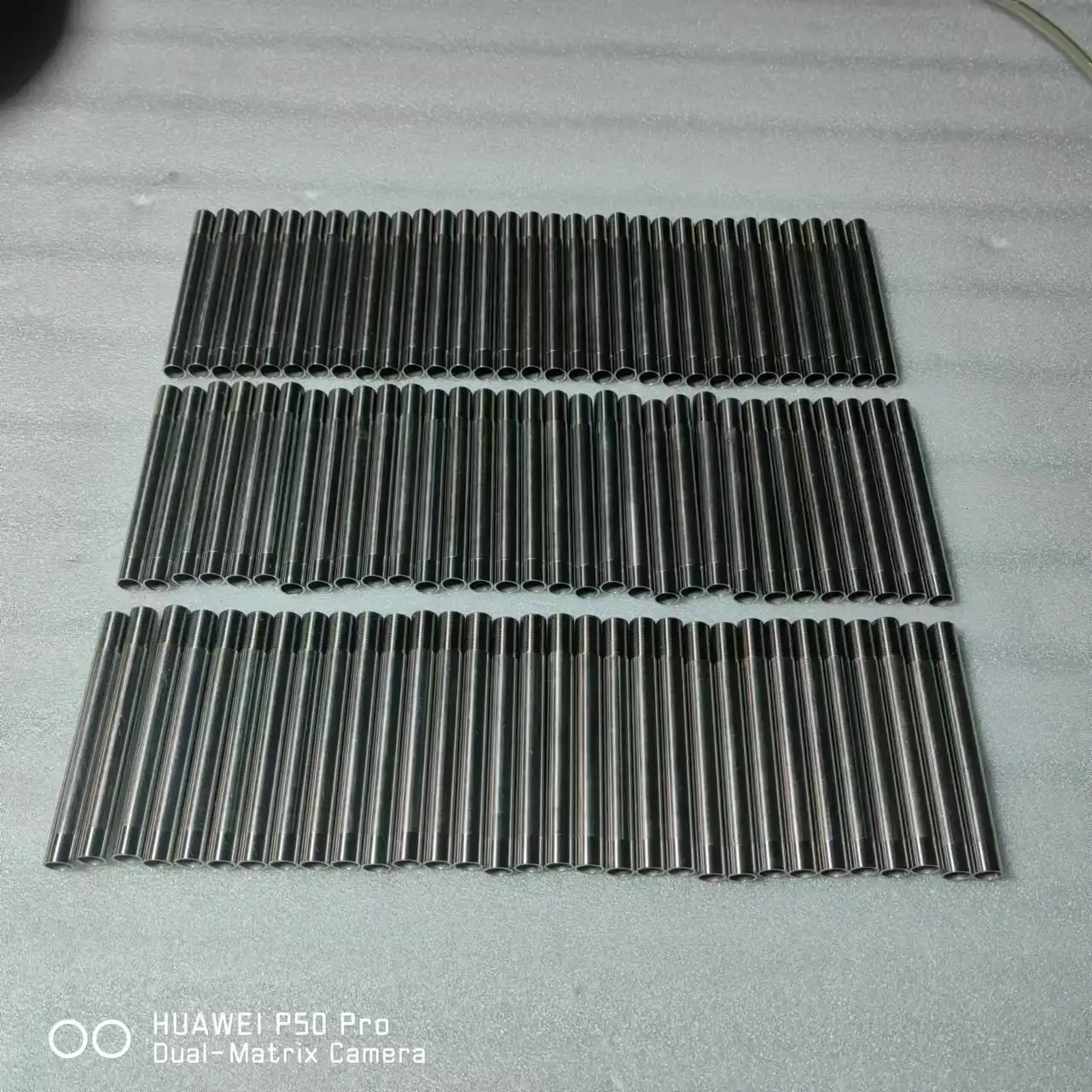
Understanding Titanium Alloy Machined Parts: Properties and Manufacturing Process
Graded Material Classification and Core Performance Attributes
Alloys made of titanium are not all the same. Different grades have different chemical and mechanical properties that make them suitable for different uses, laying the performance foundation for reliable titanium alloy machined parts. Most of the time, grade 5 titanium, which is also called Ti-6Al-4V, is used in precision manufacturing. According to ASM International (2021), it has a tensile strength of about 950 MPa and weighs about 60% less than steel. Grade 2, which is the widely pure version, is very good at resisting rust and being flexible, so it can be used in chemical processes and medical implants. Grade 23, a low-interstitial form of Ti-6Al-4V, meets the strict biocompatibility requirements set out in ISO 10993. This makes it a common choice for parts of orthopaedic and therapy devices.
Precision Machining and Surface Finishing Technology
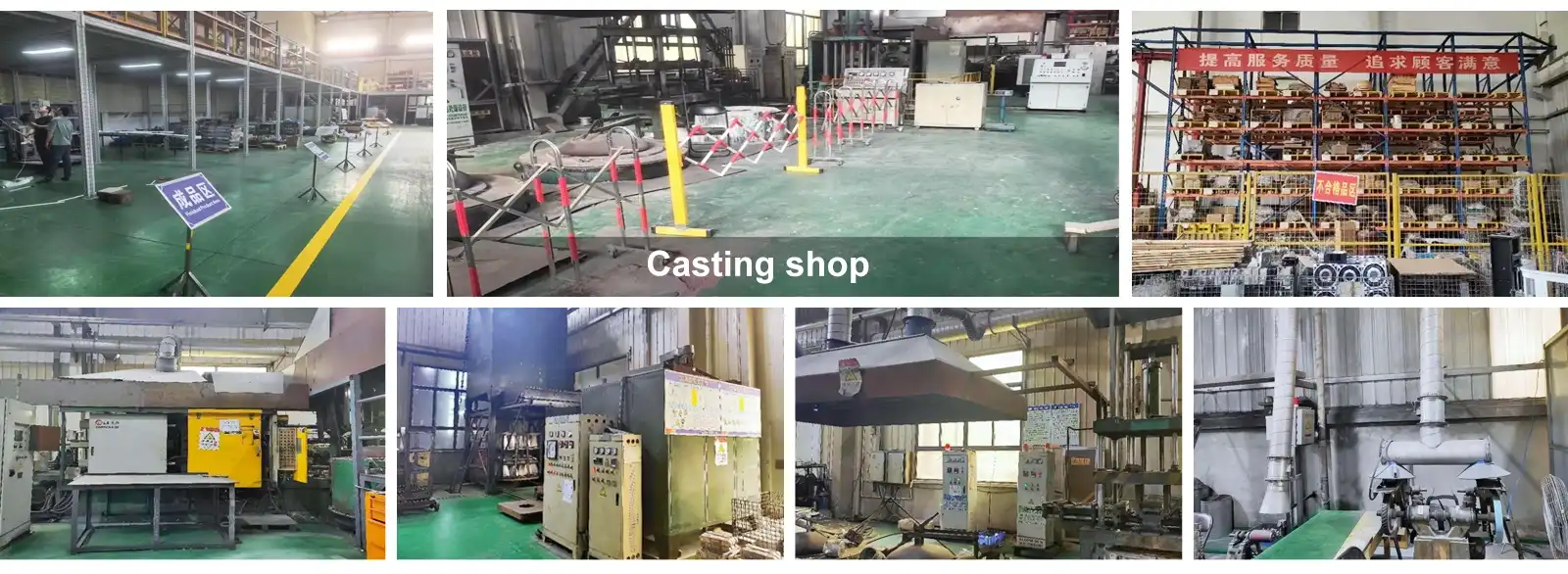
To make tight-tolerance precision components, manufacturers rely on mature and standardized CNC manufacturing processes for titanium alloy machined parts. CNC machining, which includes milling and turning on multiple axes, lets manufacturers get dimensions as accurate as ±0.005 mm, which is very important for medical-grade assemblies. After cutting, shot blasting is often used to get rid of surface oxides, make the finish smooth, and improve wear resistance. Rongbao Enterprise packages finished parts in wooden boxes to keep them safe during shipping. They can make up to 5,000 pieces per batch, so they can handle both small orders and large orders.
Advantages of Titanium Alloy Machined Parts Over Traditional Materials
Comprehensive Performance Advantages of Titanium Components
Titanium's high price makes many buying teams hesitant at first. When lifetime efficiency is taken into account, that hesitation goes away quickly, as titanium alloy machined parts deliver irreplaceable comprehensive performance that outperforms traditional metal materials. Ti-6Al-4V achieves strength comparable to many high-alloy steels at less than half the density. In rehabilitation robots and prosthetic joint systems, this translates directly into actuator efficiency and patient comfort [Journal of Materials Engineering and Performance, 2020]. Titanium forms a stable, self-repairing oxide layer that resists saline, acidic, and biological fluids without requiring coatings. This is particularly valuable in implantable devices and marine equipment where stainless steel would require frequent maintenance. Additionally, titanium alloys maintain mechanical integrity across a broad temperature range, from cryogenic conditions to sustained heat exposure above 300°C, outperforming most aluminum alloys in thermally demanding applications [Materials Science and Engineering: A, 2019].
Industry Market Value and Replacement Potential
These performance advantages drive the continuous growth of market demand for high-end precision components. The world market for titanium made parts was worth USD 4.2 billion in 2022, and it's expected to keep growing at a rate of 6.1% per year until 2030 [Grand View Research, 2023]. The medical technology and aerospace industries will be the main drivers of this growth. Aluminium and 316L stainless steel are two traditional materials that still occupy important industrial application scenarios. However, titanium components are hard to replace in scenarios requiring stable load-bearing capacity, excellent corrosion resistance and biological safety, making titanium alloy machined parts the optimal high-performance choice for high-standard industrial manufacturing.
Selecting the Right Titanium Alloy Grade for Machined Parts
Targeted Grade Matching for Different Application Scenarios
One of the most important decisions in the design cycle for a component is the grade selection, which directly determines the service effect of titanium alloy machined parts in specific working conditions. Grade 1 and Grade 2 alloys are good for uses where shapeability and resistance to corrosion are more important than strength. Chemical vessels and pipe systems are common examples of these. Grade 5 (Ti-6Al-4V) is mostly used in aircraft and structural uses that need long fatigue life and high-cycle load performance. For medical implants and Class III device parts that need ISO 10993 biocompatibility approval, Grade 23 is the best choice.
Supplier Compliance and Material Traceability Verification
Material provenance is a mandatory requirement for regulated industries, and it is the core guarantee for qualified titanium alloy machined parts. Teams that buy parts for medical devices under FDA 21 CFR Part 820 or EU MDR must demand full material tracking, which includes mill certificates, heat number records, and compliance with ASTM B265 or AMS 4928. Suppliers who have ISO 13485 approval show that they use quality control systems that are built to work with medical devices. Rongbao Enterprise has certifications for ISO 9001:2015, ISO 14001, and ISO 45001, which standardizes production processes, facilitates customer audits and global regulatory submissions, and ensures full compliance of finished components.
Procurement Best Practices for Titanium Alloy Machined Parts
Professional Equipment and Industry Standard Verification
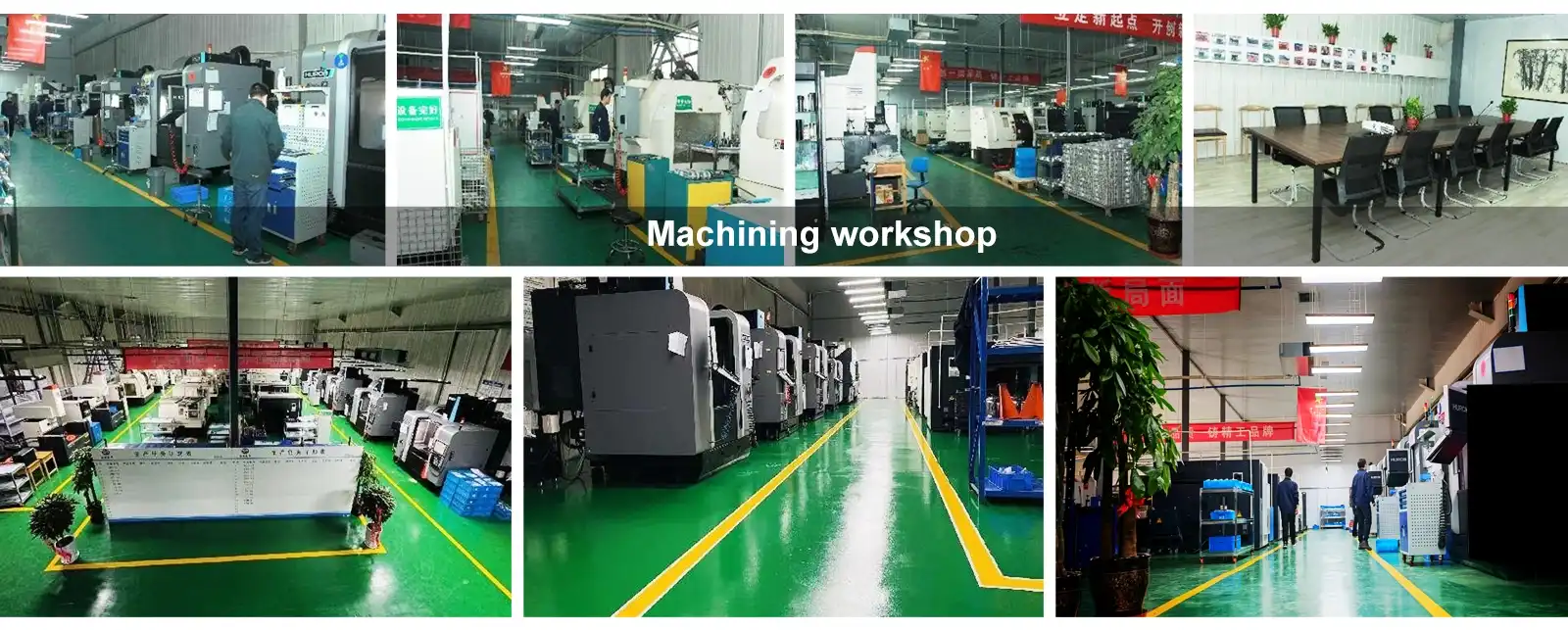
Sourcing high-precision industrial components requires systematic technical assessment, rather than simple unit price comparison for titanium alloy machined parts. Evaluating a professional manufacturer starts with inspecting its hardware equipment and standard mastery. It is necessary for qualified suppliers to be equipped with multi-axis CNC machining centers, in-process CMM (Coordinate Measuring Machine) checking, and professional material testing tools. Meanwhile, suppliers must be proficient in industry-specific tolerance standards, such as CT4 to CT6 high-precision accuracy grades required for medical device applications, to ensure dimensional consistency of finished products.
Flexible Prototyping and Customization Service Capability
In R&D-driven high-end manufacturing industries, flexible prototype iteration capability is crucial for project progress, which is a key advantage of reliable suppliers of titanium alloy machined parts. Medical device designers often need multiple design iterations before mass production. Excellent suppliers support small-batch sampling of 5 to 20 pieces, adopting the same strict process control standards as formal mass production. Rongbao Enterprise provides professional OEM and ODM customization services, supporting customers to provide design drawings, complete precision sample testing and verification, and realize seamless scaling from prototype trial production to batch production.
Intellectual Property Security and Confidentiality Mechanism
Core product design data involves enterprise R&D intellectual property, so confidentiality management is an indispensable link in the procurement process of titanium alloy machined parts. Reputable formal suppliers will sign non-disclosure agreements in advance before technical design review, and establish independent data access authority management mechanisms to strictly isolate and protect customer confidential geometric structures and assembly specification data, effectively avoiding intellectual property leakage risks.
Overcoming Challenges in Machining Titanium Alloys: Solutions and Innovations
Heat Accumulation and Tool Wear Control Technology
Titanium’s poor thermal conductivity brings inherent processing difficulties for manufacturing high-quality titanium alloy machined parts. Its heat conduction efficiency is only about one-sixth of steel, leading to concentrated heat in the cutting area instead of diffusing through workpieces and chips. This problem easily causes rapid tool wear and residual stress on the surface of finished parts. Industry authoritative research points out that the combined application of high-pressure coolant system and TiAlN-coated carbide tooling is the mature and effective technical solution to extend tool life and protect workpiece surface integrity [International Journal of Machine Tools and Manufacture, 2021].
Intelligent Automation Ensures Process Consistency
Traditional manual cutting is prone to parameter deviation and vibration errors, affecting the batch stability of precision components. Modern intelligent CNC machining centers solve this problem perfectly for titanium alloy machined parts. Equipped with adaptive feed control and real-time vibration tracking systems, the equipment can automatically identify tool chattering and deflection during cutting, adjust processing parameters in real time, and protect tools and workpieces. This intelligent control mode ensures consistent dimensional accuracy of products in high-volume production, meeting the strict quality requirements of ISO 13485 regulated medical assembly lines.
Conclusion
Titanium alloys are one of a kind in precision manufacturing. No other widely available structural material has the same combination of strength-to-weight ratio, resistance to corrosion, and biocompatibility. As performance standards for products get higher, the case for titanium-based parts gets stronger for people who make decisions about medical devices, aircraft, or advanced industrial equipment. Three important parts of a good procurement plan are choosing the right grade, making sure the seller is qualified, and knowing the limits of the machine. If you make these choices correctly from the beginning, you can protect both development timelines and legal compliance.
FAQ
What industries use titanium alloy machined parts most extensively?
The main application fields cover high-end precision manufacturing industries such as medical devices, aerospace, and motorsports. In medical technology, it is widely used for surgery tools, orthopaedic implants, and rehabilitation exoskeleton components. In aerospace manufacturing, it is applied to high-structure parts such as solid aircraft brackets. In high-performance automobile manufacturing, it serves core components including tailpipe and suspension systems, relying on its unique comprehensive performance advantages.
How does titanium compare to aluminum in cost and performance?
The raw material cost of titanium is three to five times that of aerospace-grade aluminium. Nevertheless, titanium has nearly twice the tensile strength and far superior corrosion resistance, which greatly reduces later maintenance and replacement costs. When comprehensively evaluating indicators such as material weight, load capacity and long-term service life, titanium alloy components have lower overall total cost of ownership and higher long-term cost performance.
What should I look for in a reliable titanium machined parts supplier?
Enterprises should prioritize suppliers with complete and verifiable ISO system certifications, independent CMM precision inspection capabilities and standardized material traceability records. It is necessary to confirm that the supplier has mature small-batch prototype testing capabilities, rich industry customized service experience, and standardized IP confidentiality mechanisms such as NDA signing. Before formal bulk ordering, you can verify the supplier’s quality control level by requesting inspection reports and non-conforming product handling cases.
Partner with Rongbao Enterprise for Precision Titanium Components
Rongbao Enterprise has 20 years of professional precision machining experience, holding ISO 9001:2015, ISO 14001, and ISO 45001 full system certifications, and implements full-chain quality control for all customized titanium alloy machined parts. The company’s professional CNC machining and OEM/ODM customized services have been recognized by customers from the U.S., Europe, Japan and other global regions. For product quotation, sample testing and customized scheme consultation, you can send emails via steve.zhou@263.net and zhouyi@rongbaocasting.com, or visit the official website rongbaocasting.com for detailed inquiries.
References
ASM International. (2021). Titanium and Titanium Alloys: Fundamentals and Applications. ASM International.
Grand View Research. (2023). Titanium Machined Components Market Size, Share & Trends Analysis Report.
Journal of Materials Engineering and Performance. (2020). Mechanical Performance of Ti-6Al-4V in Biomedical Device Applications. Springer.
Materials Science and Engineering: A. (2019). Thermal Stability and Fatigue Behavior of Titanium Alloys Under Cyclic Loading. Elsevier.
International Journal of Machine Tools and Manufacture. (2021). Advances in Titanium Alloy Machining: Tooling, Cooling, and Surface Integrity. Elsevier.
ASTM International. (2022). ASTM B265: Standard Specification for Titanium and Titanium Alloy Strip, Sheet, and Plate.
Learn about our latest products and discounts through SMS or email