- English
- French
- German
- Portuguese
- Spanish
- Russian
- Japanese
- Korean
- Arabic
- Greek
- German
- Turkish
- Italian
- Danish
- Romanian
- Indonesian
- Czech
- Afrikaans
- Swedish
- Polish
- Basque
- Catalan
- Esperanto
- Hindi
- Lao
- Albanian
- Amharic
- Armenian
- Azerbaijani
- Belarusian
- Bengali
- Bosnian
- Bulgarian
- Cebuano
- Chichewa
- Corsican
- Croatian
- Dutch
- Estonian
- Filipino
- Finnish
- Frisian
- Galician
- Georgian
- Gujarati
- Haitian
- Hausa
- Hawaiian
- Hebrew
- Hmong
- Hungarian
- Icelandic
- Igbo
- Javanese
- Kannada
- Kazakh
- Khmer
- Kurdish
- Kyrgyz
- Latin
- Latvian
- Lithuanian
- Luxembou..
- Macedonian
- Malagasy
- Malay
- Malayalam
- Maltese
- Maori
- Marathi
- Mongolian
- Burmese
- Nepali
- Norwegian
- Pashto
- Persian
- Punjabi
- Serbian
- Sesotho
- Sinhala
- Slovak
- Slovenian
- Somali
- Samoan
- Scots Gaelic
- Shona
- Sindhi
- Sundanese
- Swahili
- Tajik
- Tamil
- Telugu
- Thai
- Ukrainian
- Urdu
- Uzbek
- Vietnamese
- Welsh
- Xhosa
- Yiddish
- Yoruba
- Zulu
Rehabilitation Robots In Physical Therapy
Rehabilitation robots are changing how physical therapy is done, giving those who are recuperating from accidents or neurological problems additional options. These new medical gadgets, including lower limb rehabilitation robots, are changing the way therapists do repetitive exercises, give individualised help, and make sure patients are safe during therapy. As the need for new rehabilitation solutions develops, firms like Rongbao are leading the way in making and developing high-quality medical rehabilitation robots through precise mechanical processing.
Amplify Repetitive Practice
One of the core principles in physical therapy is the importance of repetitive practice to reinforce motor learning and promote neuroplasticity. Rehabilitation robots excel in this area by enabling patients to perform a higher volume of repetitions with greater consistency than traditional therapy methods alone.
Lower limb rehabilitation robots, for instance, can guide patients through hundreds of precise stepping motions in a single session, far surpassing what would be possible with manual assistance from a therapist. Amplified practice is particularly beneficial for patients recovering from stroke, spinal cord injuries, or other neurological conditions affecting gait and mobility.
The ability of rehabilitation robots to deliver high-intensity, high-volume training has several key advantages:
- Accelerated recovery: More repetitions can lead to faster improvements in motor function and coordination.
- Increased neuroplasticity: Consistent, repetitive movements stimulate the brain's ability to form new neural connections.
- Improved stamina: Patients can gradually build endurance through extended training sessions.
- Enhanced motivation: Robotic systems often incorporate game-like interfaces, making repetitive exercises more engaging.
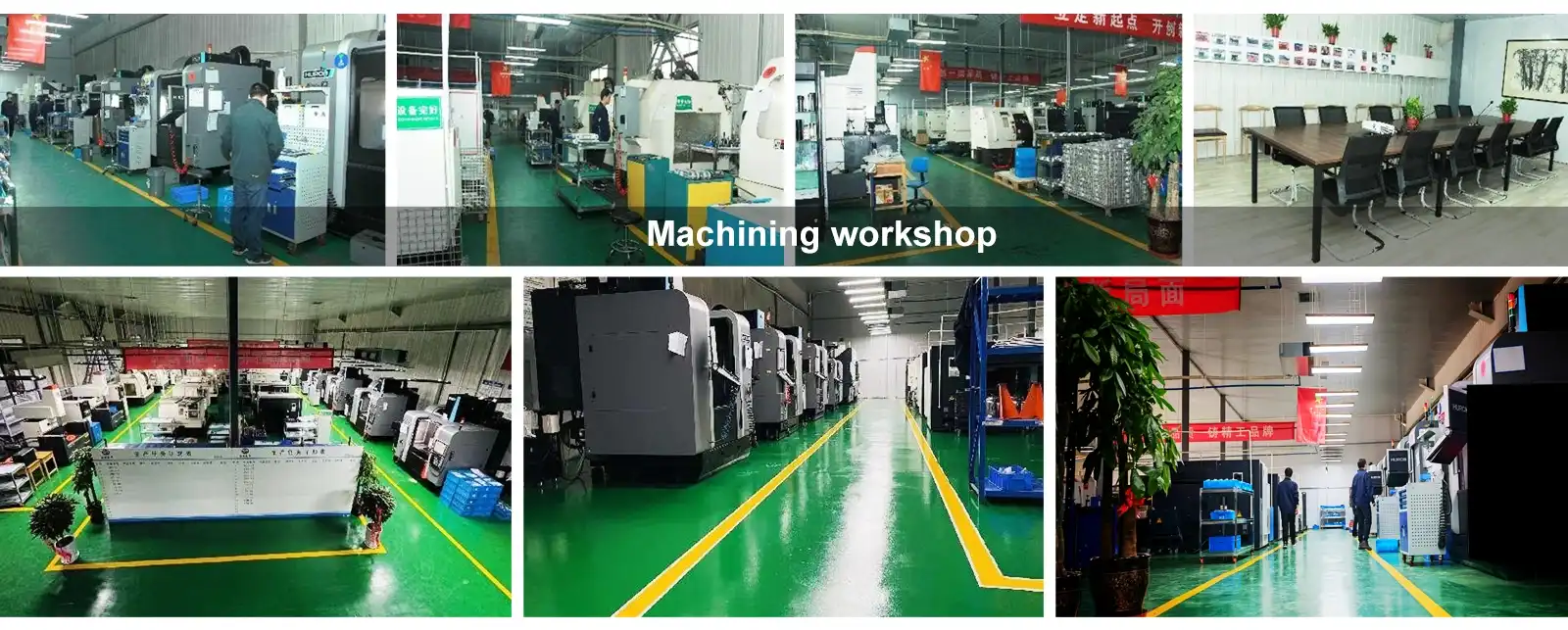
Rongbao's medical rehabilitation robots are designed to optimize this repetitive practice. Crafted from durable aluminum through precise CNC machining, these devices can withstand the rigors of intensive daily use while maintaining consistent performance. The company's ISO9001:2015 certification ensures that each robot meets stringent quality standards, providing reliable support for amplified repetitive training.

Provide Adaptive Assistance
Another significant advantage of rehabilitation robots is their ability to provide adaptive assistance tailored to each patient's unique needs and capabilities. This personalized approach is crucial for maximizing the effectiveness of physical therapy interventions.
Advanced medical rehabilitation robots utilize sophisticated sensors and control algorithms to continuously assess a patient's movements and adjust the level of support provided in real-time. This adaptive assistance can take several forms:
- Force modulation: The robot can increase or decrease the amount of physical support provided based on the patient's strength and control.
- Range of motion adjustment: The device can adapt to the patient's current mobility limitations and gradually increase the range of motion as they improve.
- Speed control: The pace of exercises can be automatically adjusted to match the patient's capabilities and progress.
- Error augmentation: Some robots can slightly exaggerate movement errors to encourage active correction by the patient, promoting motor learning.
Rongbao's lower limb rehabilitation robots exemplify this adaptive approach. The customizable nature of their products allows therapists to fine-tune the assistance provided to each patient. Rongbao can address the growing need for personalised rehabilitation solutions in many healthcare settings because it can make 500 pieces at a time.
Medical rehabilitation robots can adjust to different situations, which not only makes the rehabilitation process better, but also lets workouts progress more slowly and safely, which is especially crucial for people who are recuperating from complicated injuries or who have different levels of impairment.

Enhance Safety
Safety is paramount in any physical therapy intervention, and rehabilitation robots offer several features that significantly enhance patient protection during treatment sessions. These advanced systems incorporate multiple safety mechanisms to prevent injuries and ensure a secure training environment.
Key safety features of medical rehabilitation robots include:
- Force limitation: Robots are programmed with maximum force thresholds to prevent excessive stress on patients' joints or muscles.
- Emergency stop functions: Easily accessible buttons allow immediate cessation of robot movement if needed.
- Collision detection: Advanced sensors can detect potential collisions and automatically stop or adjust the robot's motion.
- Fatigue monitoring: Some systems can track signs of patient fatigue and adjust the therapy intensity accordingly.
- Proper alignment guidance: Robots can ensure correct posture and movement patterns, reducing the risk of compensatory movements that could lead to injury.
Rongbao's commitment to safety is evident in their adherence to international standards. Their medical rehabilitation robots are certified under ISO14001 and ISO45001, ensuring that both environmental and occupational health and safety considerations are integrated into the manufacturing process.
The advanced security offered by rehabilitation robots not only safeguards patients but also enhances therapists' assurance in expanding the frontiers of rehabilitation, leading to more vigorous and substantial therapy sessions, possibly hastening recovery periods and boosting overall results.

Discover the Benefits of Rongbao's Lower Limb Rehabilitation Robot
-
Application: Tailored for lower limb rehabilitation, our medical rehabilitation robot provides targeted and precise therapy.
-
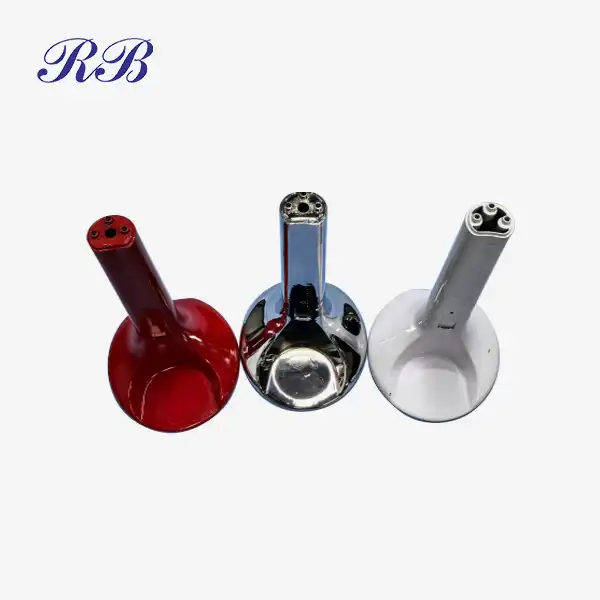
Material: Constructed from durable aluminum, ensuring long-lasting performance.
-
Process: Manufactured through advanced mechanical processing and CNC machining, guaranteeing high precision.
-
Surface Treatment: Electroplating enhances durability and provides a smooth finish.
-
Certifications: ISO9001:2015, ISO14001, and ISO45001 certified, ensuring our products meet the highest quality and safety standards.
-
Expertise: Our experienced team specializes in mechanical machining and medical device manufacturing.
-
Customization: We understand that each client has unique needs. Our customized solutions ensure that our robots meet your specific requirements.
Join the Future of Rehabilitation with Rongbao!
Don't miss the chance to elevate your medical rehabilitation services with Rongbao's lower limb rehabilitation robot. Contact us today to learn more about our innovative products and services. Reach out to us at zhouyi@rongbaocasting.com or steve.zhou@263.net.
References
- Krebs, H. I., & Hogan, N. (2006). Therapeutic robotics: A technology push. Proceedings of the IEEE, 94(9), 1727-1738.
- Mehrholz, J., Pohl, M., Platz, T., Kugler, J., & Elsner, B. (2018). Electromechanical and robot‐assisted arm training for improving activities of daily living, arm function, and arm muscle strength after stroke. Cochrane Database of Systematic Reviews, (9).
- Maciejasz, P., Eschweiler, J., Gerlach-Hahn, K., Jansen-Troy, A., & Leonhardt, S. (2014). A survey on robotic devices for upper limb rehabilitation. Journal of neuroengineering and rehabilitation, 11(1), 3.
- Díaz, I., Gil, J. J., & Sánchez, E. (2011). Lower-limb robotic rehabilitation: literature review and challenges. Journal of Robotics, 2011.
- Marchal-Crespo, L., & Reinkensmeyer, D. J. (2009). Review of control strategies for robotic movement training after neurologic injury. Journal of neuroengineering and rehabilitation, 6(1), 20.



Learn about our latest products and discounts through SMS or email