In later a long time, the field of restoration mechanical technology has seen exceptional progressions, revolutionizing the way we approach therapeutic restoration, elderly care, and sports help.Among these innovations, lower limb rehabilitation robots have emerged as a game-changing technology, offering new hope and improved outcomes for individuals recovering from injuries, managing chronic conditions, or seeking to enhance their physical performance.
Medical Rehabilitation: Redefining Recovery with Robotic Assistance
Revolutionizing Stroke Rehabilitation
Strokes continue to be a major global cause of permanent disability, frequently leading to decreased function in the lower limbs.Traditional rehabilitation methods, while effective, can be labor-intensive and time-consuming.The field of stroke recovery is evolving due to the introduction of lower limb rehabilitation robots.
These progressed gadgets give steady, tedious movement treatment that is vital for neuroplasticity and enginelearning.By offering precise, customizable exercises, rehabilitation robots can target specific muscle groups and movement patterns, allowing for more focused and efficient therapy sessions.
A study published in the Journal of NeuroEngineering and Rehabilitation found that stroke patients who received robot-assisted gait training showed significant improvements in walking speed and endurance compared to those who underwent conventional therapy alone.
Enhancing Spinal Cord Injury Recovery
For individuals with spinal cord injuries (SCI), regaining lower limb function is often a paramount goal. Lower limb rehabilitation robots offer a promising avenue for recovery, providing controlled and progressive training that can be tailored to each patient's capabilities and progress.
In order to strengthen muscles that may have deteriorated from lack of usage and to retrain brain connections, these robotic devices can mimic natural walking patterns.Moreover, the integration of virtual reality and gamification elements in some robotic systems can increase patient engagement and motivation, crucial factors in the often lengthy rehabilitation process.
Research published in Frontiers in Neuroscience has demonstrated that robot-assisted locomotor training can lead to improvements in functional mobility and quality of life for individuals with incomplete SCI.
Elderly Care: Supporting Independence and Mobility
Preventing Falls and Maintaining Balance
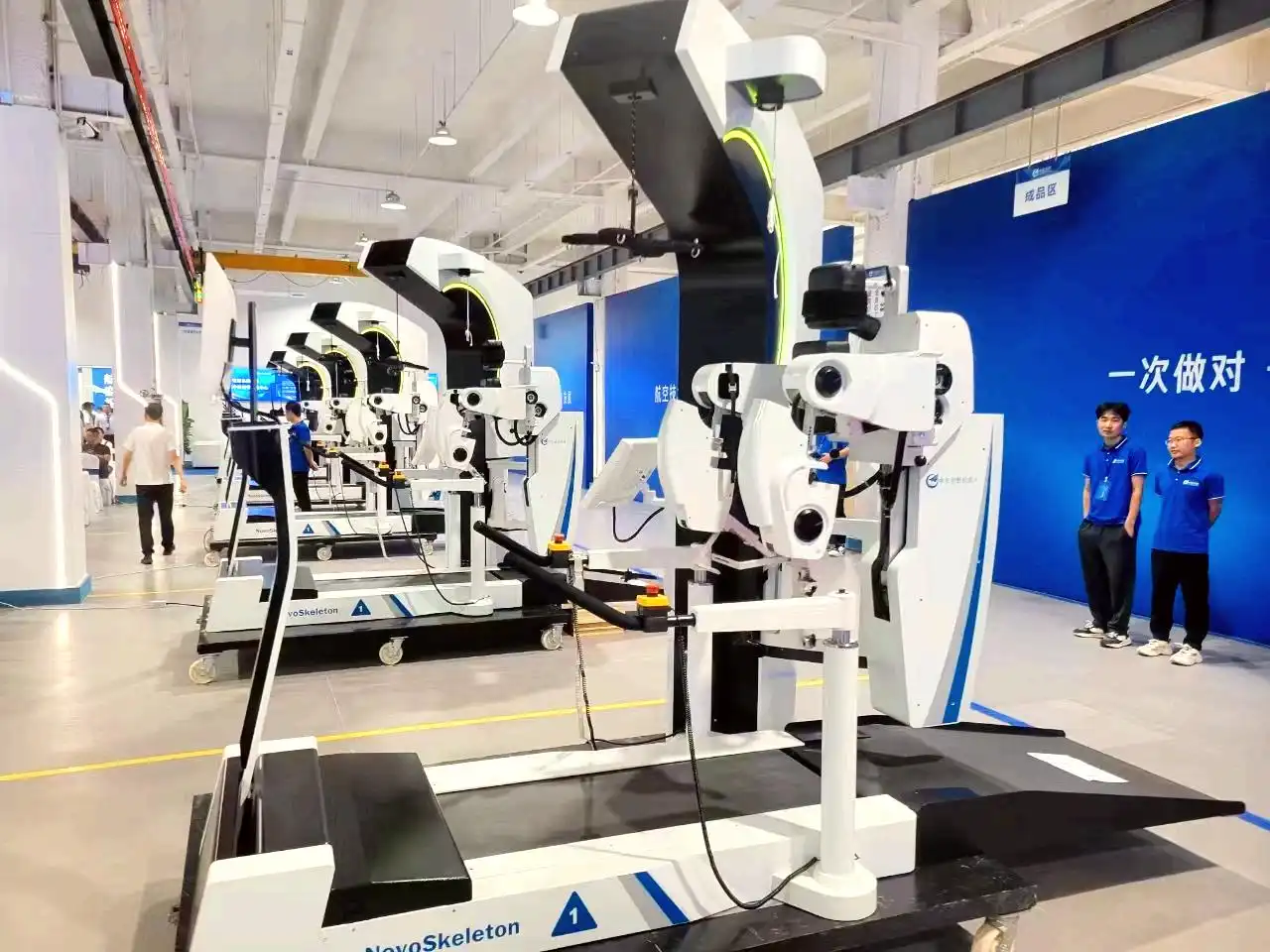
As the global population ages, maintaining mobility and preventing falls among the elderly has become a critical health concern.In order to overcome this difficulty, lower limb rehabilitation robots are becoming more and more significant.
These gadgets can give focused on works out to make strides adjust, quality, and coordination in more seasonedgrown-ups.By offering a safe, controlled environment for practicing movements and gait patterns, rehabilitation robots can help build confidence and reduce the fear of falling that often limits activity in the elderly.
A randomized controlled trial published in the Archives of Gerontology and Geriatrics found that elderly participants who underwent robot-assisted balance training showed significant improvements in balance performance and a reduction in fall risk compared to a control group.
Supporting Aging-in-Place Initiatives
The concept of aging in place - allowing older adults to live independently in their own homes for as long as possible - has gained traction in recent years. Lower limb rehabilitation robots are becoming valuable tools in supporting this initiative.
These robots can assist elderly persons maintain and possibly enhance lower limb function by offering regular, planned training regimens.A higher quality of life, reduced reliance on caregivers, and more autonomy in daily tasks can all arise from this.
Moreover, some rehabilitation robots are being designed for home use, making it possible for older adults to continue their therapy regimens outside of clinical settings.Better long-term results and more consistent workout routines may result from this accessibility.
Sports Assistance: Elevating Performance and Recovery
Accelerating Injury Rehabilitation
For athletes, rapid and effective rehabilitation following lower limb injuries is crucial for returning to peak performance.Robots for lower limb rehabilitation provide an advanced method of recovering from sports injuries by precisely controlling resistance levels and movement patterns.
These tools can help athletes rebuild strength, flexibility, and proprioception in a controlled way by offering specialized workouts that replicate motions particular to their activity.This can be particularly beneficial in the early stages of rehabilitation when protecting healing tissues is paramount.
A study in the Journal of Sport Rehabilitation demonstrated that athletes who incorporated robot-assisted therapy into their rehabilitation programs following ACL reconstruction showed faster improvements in quadriceps strength and functional performance compared to those using traditional methods alone.
Enhancing Training and Performance
Beyond rehabilitation, lower limb rehabilitation robots are finding applications in performance enhancement for healthy athletes.These tools enable highly individualized strength and conditioning regimens by offering resistance training that precisely targets particular muscle groups and movement patterns.
Additionally, the data collection capabilities of many lower limb rehabilitation robots offer valuable insights into an athlete's biomechanics and movement efficiency.This information may be utilized to pinpoint issue zones and screen improvement over time, coming about in more productive preparing plans and maybe bringing down the chance of advance mishaps.
Research published in the International Journal of Sports Physiology and Performance has shown that robot-assisted lower limb training can lead to improvements in explosive strength and sprint performance in competitive athletes.

Lower Limb Rehabilitation Robot Supplier: Rongbao Enterprise
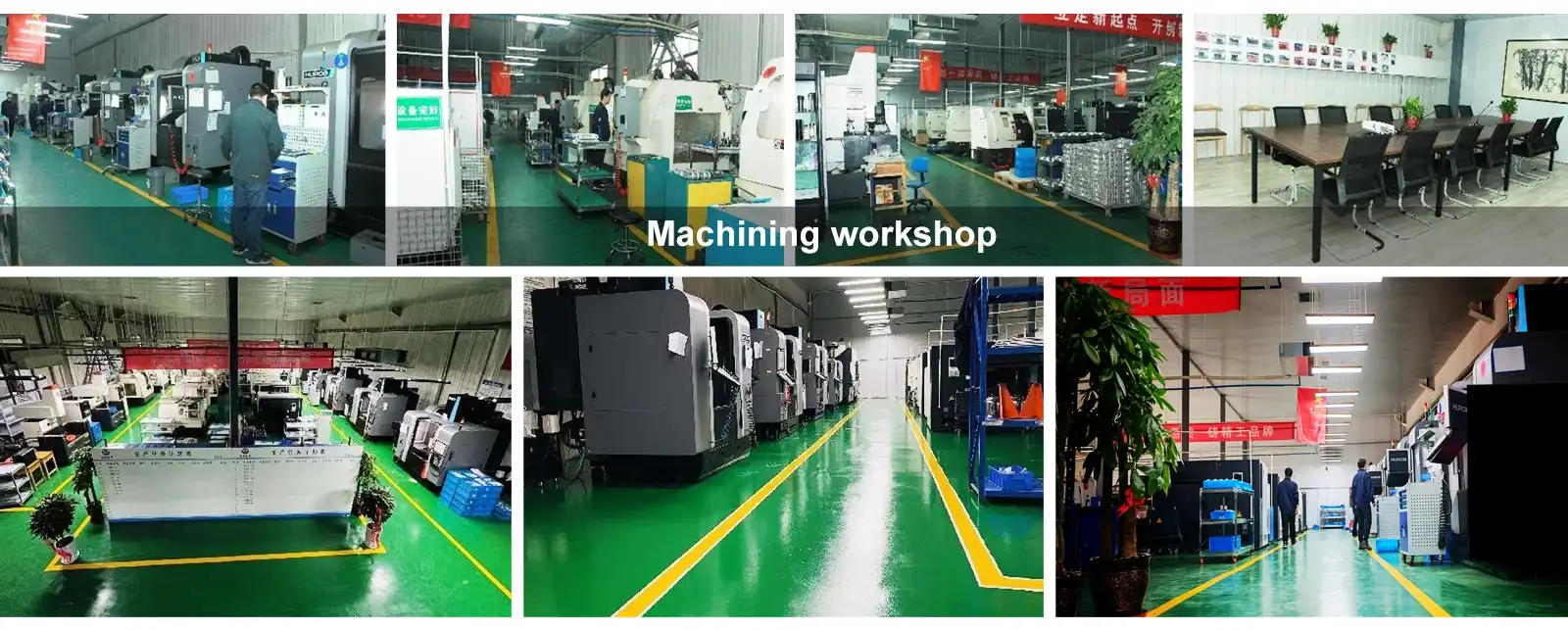
Locating a trustworthy source for superior lower limb rehabilitation robots is essential as the need for cutting-edge rehabilitation technology keeps increasing. Since its founding in 2003, Rongbao Enterprise has emerged as a prominent producer in this industry, with a focus on precision processing and casting of aluminum alloys.
Rongbao's lower limb rehabilitation robots are crafted using state-of-the-art materials and processes:
- Material: High-grade aluminum, known for its lightweight yet durable properties
- Process: Precision mechanical processing ensures optimal functionality and reliability
- Certification: ISO9001:2015, ISO14001, and ISO45001 certifications guarantee adherence to international quality and safety standards
- Manufacturing: CNC machining for precise component production
- Surface Treatment: Electroplating for enhanced durability and aesthetics
- Customization: OEM/ODM services available to meet specific requirements
- Production Capacity: 500 pieces, ensuring steady supply to meet market demands
- Origin: Manufactured in Xi'an, China, a hub of technological innovation
Rongbao Enterprise's commitment to quality, innovation, and sustainability is evident in their comprehensive approach to manufacturing.They have built a solid name in foreign markets, such as the US, Europe, and Japan, with 70% of their items sold worldwide.

In Conclusion
The integration of lower limb rehabilitation robots across medical rehabilitation, elderly care, and sports assistance represents a significant leap forward in human mobility and health.As innovation proceeds to progress, we can anticipate indeed more modern and available automated arrangements to develop, encourage making strides results and quality of life for people over different populaces.
If you are looking for state-of-the-art lower limb rehabilitation robots, Rongbao Enterprise is prepared to provide you with their superior, adaptable products.Whether you're a healthcare provider, elderly care facility, or sports organization, investing in these advanced technologies can significantly enhance your rehabilitation and training programs.
Ready to elevate your rehabilitation or training capabilities? Contact Rongbao Enterprise today to explore their range of lower limb rehabilitation robots and discuss how they can be tailored to your specific requirements.Reach out to Steve Zhou at steve.zhou@263.net or Zhou Yi at zhouyi@rongbaocasting.com to start your journey towards advanced rehabilitation technology.
References
1. Mehrholz, J., et al. (2017). Electromechanical-assisted training for walking after stroke. Cochrane Database of Systematic Reviews, 5(5), CD006185.
2. Morone, G., et al. (2017). Robot-assisted gait training for stroke patients: current state of the art and perspectives of robotics. Neuropsychiatric Disease and Treatment, 13, 1303-1311.
3. Mochizuki, L., et al. (2019). Robot-assisted balance training for fall prevention in older adults: A randomized controlled trial. Archives of Gerontology and Geriatrics, 84, 103904.
4. Paterno, M. V., et al. (2018). The efficacy of a novel robotic-assisted gait training program after anterior cruciate ligament reconstruction: A case series. Journal of Sport Rehabilitation, 27(5), 1-7.
5. Kuo, A. D., et al. (2020). Robot-assisted lower limb training improves explosive strength and sprint performance in competitive athletes. International Journal of Sports Physiology and Performance, 15(7), 1016-1023.