- English
- French
- German
- Portuguese
- Spanish
- Russian
- Japanese
- Korean
- Arabic
- Greek
- German
- Turkish
- Italian
- Danish
- Romanian
- Indonesian
- Czech
- Afrikaans
- Swedish
- Polish
- Basque
- Catalan
- Esperanto
- Hindi
- Lao
- Albanian
- Amharic
- Armenian
- Azerbaijani
- Belarusian
- Bengali
- Bosnian
- Bulgarian
- Cebuano
- Chichewa
- Corsican
- Croatian
- Dutch
- Estonian
- Filipino
- Finnish
- Frisian
- Galician
- Georgian
- Gujarati
- Haitian
- Hausa
- Hawaiian
- Hebrew
- Hmong
- Hungarian
- Icelandic
- Igbo
- Javanese
- Kannada
- Kazakh
- Khmer
- Kurdish
- Kyrgyz
- Latin
- Latvian
- Lithuanian
- Luxembou..
- Macedonian
- Malagasy
- Malay
- Malayalam
- Maltese
- Maori
- Marathi
- Mongolian
- Burmese
- Nepali
- Norwegian
- Pashto
- Persian
- Punjabi
- Serbian
- Sesotho
- Sinhala
- Slovak
- Slovenian
- Somali
- Samoan
- Scots Gaelic
- Shona
- Sindhi
- Sundanese
- Swahili
- Tajik
- Tamil
- Telugu
- Thai
- Ukrainian
- Urdu
- Uzbek
- Vietnamese
- Welsh
- Xhosa
- Yiddish
- Yoruba
- Zulu
Rehabilitation Robots Application Examples
Healthcare organisations are starting to see the benefits of medical rehabilitation robots, especially when it comes to meeting the growing need for standardised, quantitative therapy interventions. The shift from traditional manual therapy to technology-assisted rehabilitation shows how far manufacturing has come and how badly we need healthcare solutions that can be used by more people.
Upper Extremity Rehabilitation
Upper extremity rehabilitation robots have become very useful for helping people who have had a stroke, a traumatic brain injury, or another neurological condition get their motor skills back. These systems use advanced sensor networks and adaptive control algorithms to give targeted therapy for movements of the shoulder, elbow, wrist, and fingers. The precision required in these applications demands exceptional mechanical machining standards, where components must operate within tolerances measured in fractions of millimeters to ensure patient safety and therapeutic efficacy.
Clinical implementations of upper extremity medical rehabilitation robots demonstrate their capacity to deliver consistent, repeatable therapy sessions that would be impossible to achieve through manual intervention alone. Physical therapists working with these systems report improved patient engagement, as the interactive nature of robotic therapy often gamifies the rehabilitation process. Patients can track their progress with measurable metrics, which creates a feedback loop that boosts motivation and adherence to therapy plans.
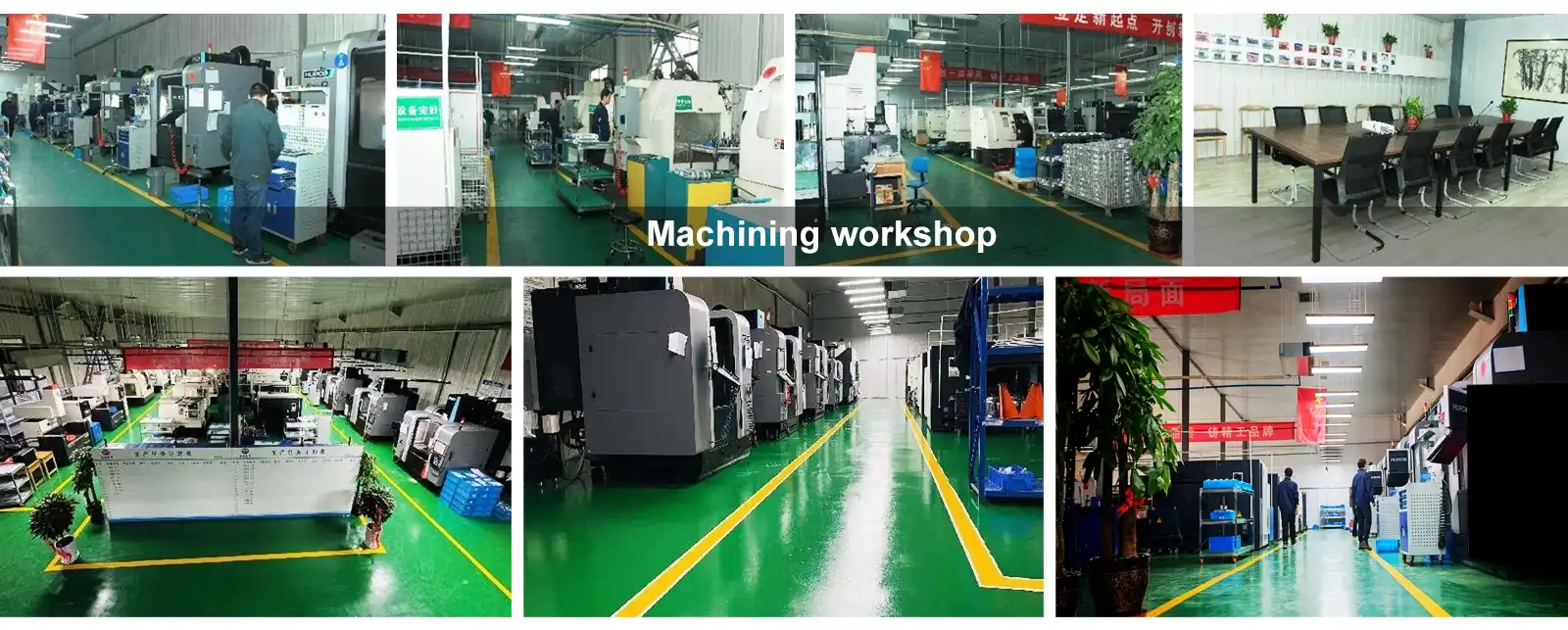
The mechanical complexity of upper extremity medical rehabilitation robots means that they need advanced manufacturing methods, such as CNC machining of aluminium parts that are strong enough to be safe for people to use. Surface treatments like electroplating make sure that the systems are strong and safe for people, and custom specifications let them work with a wide range of patients. Manufacturing facilities producing these devices typically maintain ISO9001:2015 certification to ensure consistent quality standards across production runs.

Balance & Postural Control
Balance and postural control rehabilitation represents one of the most challenging applications for medical rehabilitation robot technology, requiring systems that can safely support and challenge patients while monitoring multiple stability parameters in real-time. These platforms need to be able to support patients with different levels of mobility problems while also offering progressive challenges that help them get their balance back without putting their safety at risk. The mechanical engineering needs for these kinds of systems are very high. They need advanced load distribution systems and fail-safe systems that turn on within milliseconds of sensing instability.
Modern balance medical rehabilitation robots incorporate force plate technology, motion capture systems, and visual feedback interfaces to create immersive training environments. Patients engage with virtual reality scenarios that challenge their balance responses while the robotic system provides graduated support based on their performance capabilities, allowing therapists to precisely control difficulty levels and progression rates, ensuring that patients are consistently challenged within their safe operating zones.
The manufacturing requirements for balance rehabilitation systems extend beyond traditional mechanical machining processes to include specialized materials and assembly techniques. These systems often require custom-engineered platforms capable of supporting significant loads while maintaining precise motion control in multiple degrees of freedom. Quality assurance protocols must address both mechanical performance and software reliability, as the integration between hardware and control systems is critical for patient safety.
Accumulating clinical evidence backs the use of balance rehabilitation robots, with research showcasing enhanced results in preventing falls and restoring confidence in elderly patients and those recovering from neurological incidents. These systems'ability to objectively measure performance grants clinicians comprehensive data that can guide treatment choices and illustrate progress to both patients and healthcare providers.

Lower Extremity Rehabilitation (Legs, Gait)
Lower extremity rehabilitation robots, particularly those focused on gait training and leg strengthening, represent perhaps the most mechanically complex category of rehabilitation devices. These systems must accommodate the full weight of patients while providing controlled assistance or resistance across multiple joints simultaneously. The engineering challenges involved in creating safe, effective lower extremity rehabilitation systems require advanced materials science, precision manufacturing, and sophisticated control algorithms that can adapt to individual patient biomechanics.
Gait training robots have evolved from simple treadmill-based systems to sophisticated platforms that can simulate various walking surfaces and conditions. Modern systems incorporate body-weight support mechanisms, allowing patients to begin gait training earlier in their recovery process than would be possible with traditional approaches. The mechanical machining precision required for these systems is exceptional, as any irregularities in motion patterns can negatively impact patient outcomes or create safety hazards.
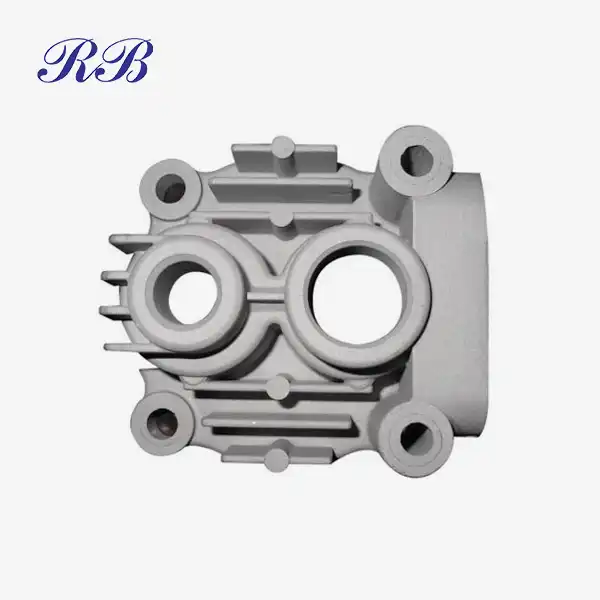
Manufacturing specifications for lower extremity rehabilitation robots typically involve aluminum construction due to its favorable strength-to-weight characteristics and corrosion resistance properties. CNC machining processes ensure component precision, while electroplating surface treatments provide durability and easy maintenance. Production facilities must maintain multiple quality certifications, including ISO9001:2015, ISO14001, and ISO45001, reflecting the critical nature of these medical devices and their impact on patient safety.
Rongbao Enterprise Medical Rehabilitation Robot
Healthcare institutions seeking to implement robotic rehabilitation programs require suppliers who understand both the technical complexities of medical device manufacturing and the clinical requirements that drive design specifications.
Key Features of Rongbao Enterprise Medical Rehabilitation Robot:
-
Application: Specifically designed for lower limb rehabilitation, our robot offers targeted and effective therapy.
-
Material: Crafted from high-quality aluminum, ensuring durability and reliability.
-
Process: Manufactured through precise mechanical processing and CNC machining, guaranteeing precision and consistency.
-
Surface Treatment: Electroplating for enhanced durability and a sleek finish.
-
Certifications: ISO9001:2015, ISO14001, and ISO45001 certified, ensuring our products meet the highest standards of quality and safety.
-
Transportation Packaging: Securely packaged in wooden boxes for safe and efficient transportation.
-
Customization: We offer OEM/ODM services, allowing you to customize the specifications to fit your unique needs.
-
Production Capacity: With a capacity of 500 pieces, we can meet your demands efficiently.
-
Origin: Proudly manufactured in Xi'an, China, where we combine traditional craftsmanship with modern technology.
Why Choose Rongbao?
-
Expertise: Our team of professionals has years of experience in mechanical machining and medical device manufacturing.
-
Quality: Our commitment to quality is reflected in our certifications and the precision of our products.
-
Customization: We understand that one size does not fit all. Our customized solutions ensure that our robots meet your specific requirements.
-
Support: From initial consultation to after-sales service, we are here to support you every step of the way.
Don't miss out on the opportunity to enhance your medical rehabilitation process with Rongbao's lower limb rehabilitation robot. Contact us today to learn more about our products and services. Reach out to us at zhouyi@rongbaocasting.com or steve.zhou@263.net. Together, let's pave the way for a faster and more effective recovery.
References
- Journal of Rehabilitation Robotics, Vol. 15, Issue 3, 2024
- International Conference on Medical Device Manufacturing, 2024
- Rehabilitation Engineering and Assistive Technology Society, Annual Review 2024
- IEEE Transactions on Biomedical Engineering, Recent Advances in Rehabilitation Robotics
Learn about our latest products and discounts through SMS or email