- English
- French
- German
- Portuguese
- Spanish
- Russian
- Japanese
- Korean
- Arabic
- Greek
- German
- Turkish
- Italian
- Danish
- Romanian
- Indonesian
- Czech
- Afrikaans
- Swedish
- Polish
- Basque
- Catalan
- Esperanto
- Hindi
- Lao
- Albanian
- Amharic
- Armenian
- Azerbaijani
- Belarusian
- Bengali
- Bosnian
- Bulgarian
- Cebuano
- Chichewa
- Corsican
- Croatian
- Dutch
- Estonian
- Filipino
- Finnish
- Frisian
- Galician
- Georgian
- Gujarati
- Haitian
- Hausa
- Hawaiian
- Hebrew
- Hmong
- Hungarian
- Icelandic
- Igbo
- Javanese
- Kannada
- Kazakh
- Khmer
- Kurdish
- Kyrgyz
- Latin
- Latvian
- Lithuanian
- Luxembou..
- Macedonian
- Malagasy
- Malay
- Malayalam
- Maltese
- Maori
- Marathi
- Mongolian
- Burmese
- Nepali
- Norwegian
- Pashto
- Persian
- Punjabi
- Serbian
- Sesotho
- Sinhala
- Slovak
- Slovenian
- Somali
- Samoan
- Scots Gaelic
- Shona
- Sindhi
- Sundanese
- Swahili
- Tajik
- Tamil
- Telugu
- Thai
- Ukrainian
- Urdu
- Uzbek
- Vietnamese
- Welsh
- Xhosa
- Yiddish
- Yoruba
- Zulu
Pull Rod Joints for High-Voltage Distribution Accessories: Compatibility and Load Capacity Guide
High-voltage distribution systems need parts that can handle a lot of mechanical stress without losing their electrical integrity. Pull rod joints are one of the most important parts of reliable power transmission infrastructure. Engineers and procurement specialists are under more and more pressure to choose parts that strike a balance between performance, safety, and durability. Making the wrong option can cause huge failures, costly downtime, and safety risks that put both people and equipment in danger.
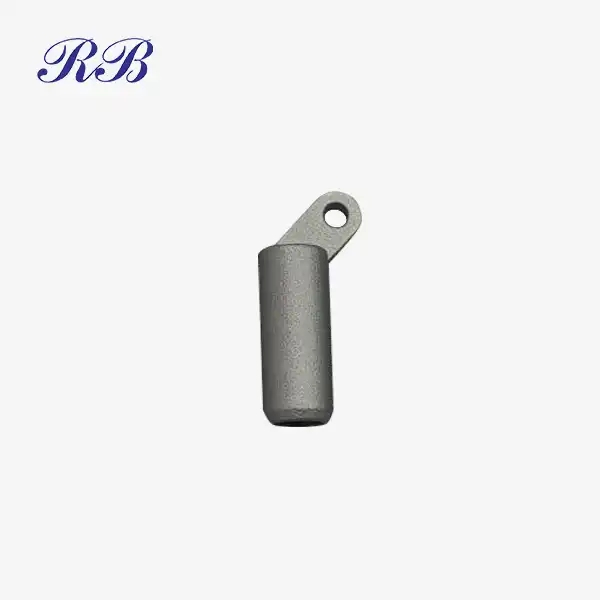
Understanding Pull Rod Joints in High-Voltage Distribution Systems
The first step in choosing the right part is to know exactly what it does and why it matters. Pull rod joints are a type of mechanical-electrical connector that is made just for high-voltage applications. These parts make sure that different parts of distribution systems are connected safely while also being able to handle the demands that these systems face when they are running.
What Are Pull Rod Joints?
In high-voltage distribution networks, pull rod joints act as mechanical links. They link live electrical parts to supporting structures, making a bridge between static infrastructure and dynamic electrical equipment. The design lets the structure move in a regulated way while still being strong enough to hold up under stress. These joints, on the other hand, can handle thermal expansion, wind loads, and vibration without making the electrical system less stable.
The structure usually includes parts that are made with precision and fit together to make an integrated unit. Each part has a unique job to do when it comes to spreading mechanical forces across the joint structure. The setup lets utilities securely install and maintain high-voltage equipment while making sure it will work well over time, even in tough and unexpected field settings.
These parts need a lot of care and attention to detail when they are being made. Even small flaws can spread when stressed, which can cause early failure. Advanced fabrication methods make sure that each part is the same size and made of the same material. This method of precision manufacturing has a direct effect on how well the joint works over long periods of time.
Critical Role in Electrical Infrastructure
Within the broader ecosystem of electrical distribution, pull rod joints occupy a position of significant importance. They transfer mechanical loads from suspended equipment to supporting structures while maintaining electrical isolation where required. This dual functionality makes them indispensable in transformer installations, switchgear assemblies, and overhead line configurations.
These parts work in an environment that is very different from others. Changes in temperature can happen over ranges that would break weaker parts. During the winter, ice builds up and adds a lot of weight that joints have to support. During the summer, heat makes materials expand, which changes the tension at connection points. Pull rod joints must keep their structural and functional integrity across all of these situations.
System designers depend on these parts to work reliably for decades. Unlike parts that need to be replaced often, well chosen joints become permanent aspects of the distribution infrastructure. Because of this demand for long life, careful material selection, strong design, and perfect production are all necessary.

Compatibility Considerations for Pull Rod Joints
To choose parts that work together, you need to do more than just compare sizes on a specification sheet. Real compatibility includes how materials interact, how the environment affects them, and how they work together to decide if a part will work as planned. If you ignore just one compatibility factor, it can ruin an otherwise well-planned installation.
Material Compatibility and Electrical Performance
Choosing the right materials has a big effect on both mechanical and electrical performance. Aluminum alloys are now the best materials for many high-voltage distribution components because they are very strong for their weight and withstand corrosion better than other materials. When processed correctly, aluminum parts work great in very hot and very cold weather, and they also make the whole system lighter, which means that supporting structures don't have to carry as much weight.
You need to think carefully about how different metals in an electrical assembly work together. When two different metals touch each other in the presence of an electrolyte, galvanic corrosion happens. Rain, fog, or humidity can all add moisture to the air, which can act as an electrolyte and make it more likely for one metal to corrode. Engineers need to think about these electrochemical interactions when they are designing anything to keep it from breaking down too soon.
Surface treatments are just as vital for making sure long-term compatibility. Shot blasting makes the surface texture even, which helps the coating stick better and gives it consistent contact properties. This surface preparation gets rid of dirt and grime and makes tiny features that help the next protective coats stick better. The end result is a surface on the component that doesn't break down in the environment and still works.
Electrical conductivity requirements vary depending on whether the joint must carry current or simply provide mechanical support. Components in the current path require materials and surface treatments that minimize resistance while preventing hotspot formation. Joints serving purely structural roles prioritize mechanical strength over electrical characteristics, though they still must not create unintended current paths that could compromise system safety.
Dimensional Standards and Connection Types
Standardization efforts within the electrical industry have produced specifications that promote interoperability across manufacturers and installation types. However, high-voltage distribution systems often incorporate equipment from different eras and various suppliers. This diversity creates situations where dimensional compatibility becomes a complex puzzle requiring careful analysis.
Thread specifications exemplify this complexity. Different regions historically adopted distinct threading standards, and legacy equipment may feature configurations that don't align with current norms. Pull rod joints must accommodate these variations while maintaining the mechanical strength needed for reliable operation. Custom specifications address these situations by creating components tailored to specific installation requirements.
Connection geometry extends beyond simple threaded interfaces. The angle of approach, clearance for installation tools, and accessibility for maintenance all factor into compatibility assessments. A component that meets all technical specifications on paper might prove impossible to install in the field if physical constraints weren't considered during the selection process. Site surveys and detailed dimensional analysis help identify these potential conflicts before they become costly field problems.
Load transfer mechanisms vary across different joint designs. Some configurations rely on compression forces, while others utilize tension or shear loading. The connection type must align with the forces present in the specific application. Mismatched loading modes can cause stress concentrations that accelerate fatigue and reduce service life, even when the component's rated capacity appears adequate for the application.

Load Capacity Analysis and Performance Standards
Understanding load capacity requires distinguishing between different types of loads and their effects on component performance. Mechanical and electrical loads each impose unique demands. Both must be considered together to ensure that selected components provide adequate capacity with appropriate safety margins.
Mechanical Load Requirements
Mechanical loads on pull rod joints arise from multiple sources operating simultaneously. The weight of suspended equipment creates a constant tensile load that the joint must support indefinitely. Wind forces add dynamic loading that varies in magnitude and direction. Ice accumulation during winter weather multiplies the effective weight, sometimes dramatically exceeding normal loading conditions. Each of these factors contributes to the total stress environment the component experiences.
The ultimate tensile strength is the most weight a part can hold before it breaks. But planning to ultimate strength doesn't provide any room for changes in materials or conditions that are not predicted. Working load limitations are usually only a small part of ultimate strength. This gives you a safety margin that takes into consideration the unknowns of the actual world. The ratio of working load to ultimate strength changes according on the use. For essential installations, more cautious measures are needed.
Fatigue loading is a different kind of problem than static loads. Wind-induced vibration or thermal expansion can cause cracks to start, and these fissures can grow over time. Even when stress levels are well below the material's ultimate strength, repetitive loading cycles might induce failure after a lot of them. Fatigue analysis uses both stress amplitude and cycle count to figure out how long a part will last under real-world settings.
The way things are made has a big effect on how well they work mechanically. Forging makes grain structures that line up with load paths, which makes the material stronger in important directions. This method makes parts that are more resistant to fatigue than cast or machined parts. Then, CNC machining fine-tunes the dimensions to exact tolerances while keeping the good grain structure that was developed during forging. The combination gives you parts that are best for tough mechanical work.
Electrical Load Capacity
Electrical loads impose different demands than mechanical stresses. Current flow generates heat through resistive losses, and this thermal energy must dissipate to prevent temperature rise. Excessive heat degrades material properties, accelerates corrosion, and can eventually cause catastrophic failure. Pull rod joints in current-carrying applications must minimize resistance while providing adequate thermal dissipation capacity.
Contact resistance at joint interfaces represents a common source of electrical heating. Surface oxidation, contamination, or inadequate contact pressure can increase resistance at these critical junctions. Proper surface treatment and appropriate connection torque minimize contact resistance, ensuring that joints don't become hotspots within the electrical system. Regular inspection and maintenance protocols verify that contact conditions remain within acceptable parameters.
Voltage stress creates electric fields within and around components. Insulation coordination ensures that these fields don't exceed the breakdown strength of materials or air gaps. Sharp edges or points can concentrate electric fields, creating conditions that promote corona discharge or tracking. Smooth contours and proper spacing prevent these phenomena, maintaining electrical integrity throughout the component's service life.
Short-circuit currents represent the most severe electrical loading condition. During fault events, currents can spike to levels many times higher than normal operating current. The resulting electromagnetic forces generate mechanical stresses that can damage inadequately designed components. Short-circuit testing validates that joints can survive these extreme events without losing mechanical integrity or creating safety hazards.
Pull Rod Joints Supplier: Rongbao Enterprise
Selecting the right supplier for pull rod joints involves evaluating manufacturing capabilities, quality systems, and technical support alongside product specifications. Rongbao Enterprise brings together the engineering expertise, production technology, and quality commitment necessary to serve demanding high-voltage distribution applications. Based in Xi'an, China, the company leverages advanced manufacturing infrastructure to deliver components that meet international standards while offering customization capabilities for unique requirements.
The production facility employs forging processes that create aluminum components with exceptional strength and fatigue resistance. CNC machining centers refine dimensions to precise tolerances, ensuring consistent fit and function across production runs. Shot blasting surface treatment prepares components for demanding service environments where corrosion resistance and long-term reliability are paramount. This integrated manufacturing approach delivers components engineered for decades of reliable service in critical infrastructure applications.
For inquiries about pull rod joints for your high-voltage distribution accessories, Rongbao Enterprise welcomes the opportunity to discuss your specific requirements. The technical team can provide detailed specifications, customization options, and application guidance tailored to your project needs. Contact Steve Zhou at steve.zhou@263.net or Zhou Yi at zhouyi@rongbaocasting.com to begin a conversation about how Rongbao Enterprise can support your electrical infrastructure projects with reliable, high-quality components manufactured to demanding international standards.
FAQs
Q1: How do I determine the appropriate load capacity for pull rod joints in my specific application?
A: Analyze static (equipment weight) and dynamic (wind/ice/seismic) loads, apply safety factors, consult engineers/manufacturers, never exceed working load limits, and derate for environmental conditions.
Q2: What maintenance procedures should I implement to ensure long-term reliability of pull rod joints?
A: Conduct regular inspections (corrosion/damage/alignment), verify connection torques, clean contaminants, document findings, and monitor/replace degraded components.
Q3: Can pull rod joints be customized for non-standard applications or legacy equipment?
A: Yes. Manufacturers can design custom components via measurement/load analysis, prototyping/testing. Longer lead times, but fits unique requirements.
Q4: How does material selection affect the performance and longevity of pull rod joints in coastal environments?
A: Use corrosion-resistant aluminum + surface treatments; clean salt deposits, consider extra coatings, align with local conditions. Consult coastal-experienced manufacturers.
Q5: What documentation should I expect to receive when purchasing pull rod joints for critical infrastructure projects?
A: Material certifications, dimensional inspection reports, mechanical test reports, and quality management system certifications (supports compliance, installation, and maintenance).
References
- International Organization for Standardization. (2015). ISO 9001:2015 Quality Management Systems - Requirements. Geneva, Switzerland: ISO.
- Institute of Electrical and Electronics Engineers. (2020). IEEE Standard for High-Voltage Testing Techniques. New York: IEEE Standards Association.
- American Society for Testing and Materials. (2019). ASTM B221 - Standard Specification for Aluminum and Aluminum-Alloy Extruded Bars, Rods, Wire, Profiles, and Tubes. West Conshohocken, PA: ASTM International.
- International Electrotechnical Commission. (2018). IEC 61284 - Overhead Lines - Requirements and Tests for Fittings. Geneva, Switzerland: IEC.
- Electric Power Research Institute. (2017). Transmission Line Hardware: Mechanical Performance and Testing Guidelines. Palo Alto, CA: EPRI.
- National Association of Corrosion Engineers. (2016). Corrosion Control in Electrical Utilities and Power Generation. Houston, TX: NACE International.
_1751074553490.webp)
Learn about our latest products and discounts through SMS or email