When buying casting craft souvenirs for business, procurement managers have to choose between metal and resin materials. Metal casting is the best choice for high-value commemorative objects because it lasts longer, looks better, and is more durable. Resin is a cheap way to make things that are lighter and take less time to make. You may make smart buying selections for your souvenir portfolio that fit within your budget, meet quality standards, and meet the expectations of your target market if you know the differences between these materials.

Understanding Material Properties in Souvenir Manufacturing
Metal casting mementos are made from aluminum alloys like A356, which are noted for being easy to cast and resistant to rust. These materials can handle environmental stress tests, and after 1000 hours of salt spray exposure, they exhibit very little damage. The precision casting technique gets dimensional tolerances to within ±0.1mm, which makes sure that all manufacturing batches are of the same high quality.
Resin materials offer different advantages through injection molding capabilities. Modern polyurethane resins demonstrate tensile strengths reaching 65 MPa, while maintaining flexibility under temperature variations. Production lead times typically range 2-3 weeks compared to 4-6 weeks for metal alternatives.
Key material characteristics include:
- Thermal stability: Metal performs at 200°C+ versus resin's 80-120°C range
- UV resistance: Aluminum naturally resists fading, resin requires additives
- Surface detail: Both achieve 0.05mm feature resolution through advanced tooling
- Weight considerations: Aluminum density 2.68g/cm³ versus resin 1.2-1.8g/cm³
If you need permanent outdoor displays, then metal casting proves more suitable for long-term durability requirements.
Production Cost Analysis and ROI Considerations
Initial tooling investments differ significantly between materials. Metal casting molds require hardened steel construction, costing $8,000-15,000 for complex geometries. Resin molds utilize aluminum or soft steel, reducing initial investment to $3,000-8,000 range. However, unit costs reveal different economics at various volumes.
Production cost breakdown per piece (500-unit batch):
| Cost Factor | Metal Casting | Resin Casting |
|---|---|---|
| Raw Material | $12-18 | $3-7 |
| Processing | $8-12 | $4-8 |
| Surface Treatment | $3-6 | $2-4 |
| Quality Control | $2-4 | $1-2 |
| Total Unit Cost | $25-40 | $10-21 |
Volume economics shift favorably toward metal at quantities exceeding 2,000 pieces annually. Amortized tooling costs decrease while material stability reduces waste rates below 2% compared to resin's 4-6% rejection rates during quality inspection phases.
If you need cost optimization for smaller batches under 1,000 units, then resin casting delivers better initial value propositions.
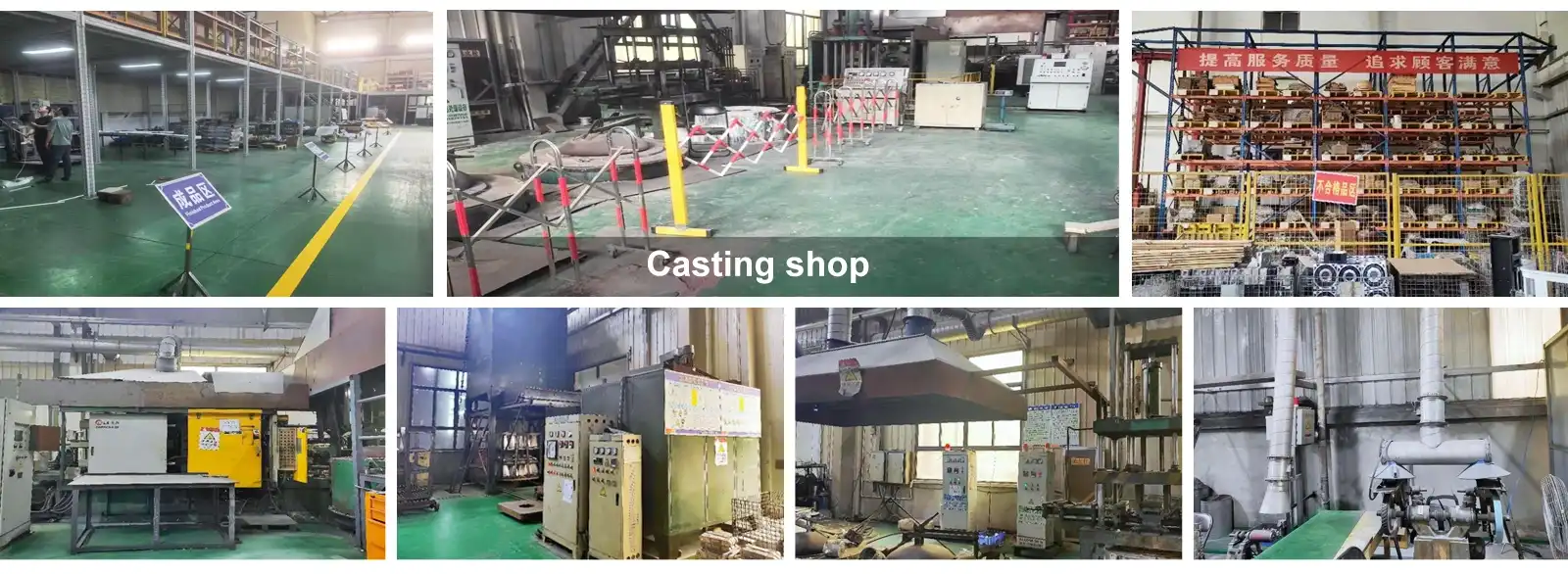
Quality Standards and Manufacturing Precision
ISO9001:2015 certification requirements demand rigorous quality control throughout production cycles. Casting craft souvenirs undergo comprehensive NDT testing including X-ray inspection, ultrasonic testing, and dimensional verification using CMM equipment. Statistical process control maintains Cpk values above 1.33 across critical dimensions.
Quality control procedures include:
- Incoming material certification with chemical composition analysis
- Process parameter monitoring during casting operations
- Dimensional inspection using calibrated measuring equipment
- Surface finish verification against Ra 3.2μm standards
- Final packaging inspection ensuring damage-free delivery
Resin casting maintains quality through injection pressure monitoring and cure cycle validation. Temperature profiles remain within ±2°C tolerance zones while injection speeds optimize flow patterns. Surface finishes achieve Ra 1.6μm smoothness through polished mold surfaces.
Batch consistency measurements show metal casting maintains ±0.08mm dimensional variation compared to resin's ±0.15mm range. However, resin offers superior surface detail reproduction for intricate textures and fine features.
If you need aerospace-grade precision and repeatability, then metal casting provides superior dimensional control capabilities.
Durability and Lifecycle Performance
Accelerated aging tests reveal significant performance differences between materials. Casting craft souvenirs maintains structural integrity through 500 thermal shock cycles (-40°C to +150°C) while preserving original appearance. Shot blasting surface treatment enhances fatigue resistance by 25% through compressive stress introduction.
Environmental resistance testing demonstrates:
- Corrosion resistance: 2000+ hours salt spray exposure without degradation
- Impact resistance: 15 Joule impact energy absorption without cracking
- Wear resistance: Minimal surface wear after 10,000 handling cycles
- Chemical resistance: Unaffected by common cleaning solvents
Resin materials show excellent short-term performance but experience gradual property changes over extended periods. UV exposure causes 5-8% strength reduction annually unless protective coatings are applied. However, impact resistance remains superior to metal alternatives in low-temperature environments.
Lifecycle cost analysis over 10-year periods favors metal casting due to replacement frequency. Metal souvenirs require minimal maintenance while resin pieces may need refinishing every 3-5 years depending on exposure conditions.
If you need heritage-quality pieces lasting decades, then metal casting justifies higher initial investment through extended service life.
Customization Capabilities and Design Flexibility
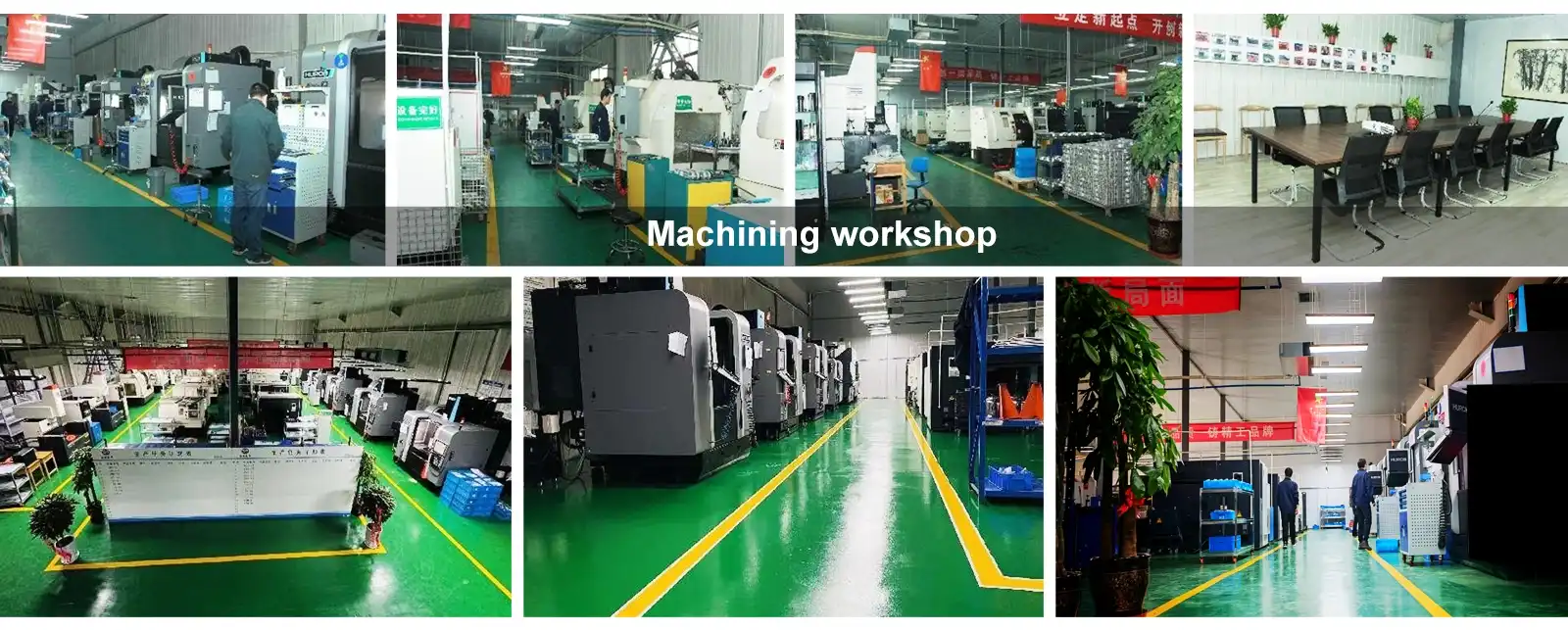
Modern CNC machining can make both materials with complicated shapes. Five-axis machining centers can position parts with a precision of 0.01mm while keeping surface qualities that are good for ornamental uses. Integrating CAD and CAM makes the process of going from design to manufacturing faster and shorter.
Metal casting accommodates:
- Thin-wall sections down to 1.5mm thickness
- Complex internal geometries through core placement
- Multi-material combinations via insert molding
- Precision threading and mounting features
- Custom surface textures through specialized tooling
Resin systems offer greater design freedom through undercuts and snap-fit features impossible with metal casting. Color integration occurs during processing, eliminating secondary painting operations. Overmolding capabilities enable soft-touch surfaces and ergonomic enhancements.
Prototype development timelines differ substantially. 3D printing enables resin concept validation within 24-48 hours while metal prototypes require 1-2 weeks for pattern creation and casting trials. However, production tooling lead times remain comparable at 6-8 weeks for both materials.
If you need rapid prototype iterations and complex geometries, then resin casting provides superior design flexibility advantages.
Supply Chain and Logistics Considerations
Transportation costs vary significantly due to weight differences. A typical 2kg metal souvenir requires specialized packaging in wooden boxes to prevent transit damage. Shipping costs average $2.50-4.00 per piece internationally compared to $0.80-1.50 for equivalent resin items.
Packaging requirements include:
- Individual foam inserts preventing surface scratching
- Moisture barrier materials protecting against humidity
- Shock-absorbing materials minimizing impact damage
- Clear labeling indicating fragile contents
Manufacturing capacity considerations favor established metal casting facilities with 500+ piece monthly production capabilities. Quality certifications including ISO14001 and ISO45001 ensure environmental compliance and worker safety standards throughout production phases.
Lead time management becomes critical during peak seasons. Metal casting requires longer planning horizons due to material procurement and heat treatment cycles. Resin production offers greater flexibility for rush orders and design modifications during production runs.
If you need predictable delivery schedules and bulk shipment efficiency, then casting craft souvenirs provides better supply chain stability.
Rongbao Enterprise's Casting Craft Souvenirs Advantages
Rongbao Enterprise delivers comprehensive casting craft souvenir solutions through advanced manufacturing capabilities and quality assurance systems. Our advantages include:
- Advanced A356 Aluminum Processing: Precision casting technology achieving ±0.1mm dimensional accuracy with superior mechanical properties and corrosion resistance for long-lasting commemorative pieces
- Complete Manufacturing Integration: Full-chain capabilities from mold development through CNC machining, shot blasting surface treatment, and wooden box packaging - eliminating coordination challenges across multiple suppliers
- Triple ISO Certification: ISO9001:2015, ISO14001, and ISO45001 certifications ensuring consistent quality control, environmental compliance, and workplace safety throughout production processes
- Proven Production Capacity: Reliable 500-piece monthly output with scalable manufacturing systems supporting both prototype development and large-scale production requirements
- International Market Experience: 20 years serving global clients with 70% export volume to Europe, America, and Japan - understanding diverse quality standards and cultural preferences
- Custom Design Support: Complete OEM/ODM services from initial concept through production, including DFM optimization and value engineering for cost-effective solutions
- Quality Assurance Systems: Comprehensive NDT testing including X-ray inspection, dimensional verification, and batch consistency monitoring ensuring zero-defect delivery standards
- Xi'an Manufacturing Base: Strategic location providing efficient logistics access to major shipping ports while maintaining competitive manufacturing costs and skilled workforce availability
- Value-Added Services: Integrated surface treatment facilities, precision machining capabilities, and custom packaging solutions reducing total procurement complexity and lead times
- Technical Innovation: Continuous investment in advanced casting equipment and process optimization delivering improved efficiency, quality consistency, and competitive pricing structures
Ready to Source Premium Casting Craft Souvenirs?
Rongbao Enterprise combines decades of manufacturing excellence with cutting-edge casting craft souvenir production capabilities. Our Xi'an facility produces high-quality A356 aluminum pieces meeting international standards while delivering competitive pricing and reliable delivery schedules. Whether you need custom commemorative pieces, corporate gifts, or heritage collectibles, our comprehensive manufacturing services ensure your project success. Ready to discuss your casting craft souvenirs supplier requirements? steve.zhou@263.net and zhouyi@rongbaocasting.com discover how our expertise transforms your concepts into premium metal souvenirs that exceed expectations.
Conclusion
Material selection between metal and resin casting depends on specific application requirements, budget constraints, and quality expectations. Metal casting provides superior durability, premium aesthetics, and long-term value through extended service life. Resin offers cost-effective solutions with design flexibility and reduced transportation costs. Successful procurement decisions balance initial investment against total cost of ownership while considering target market preferences. Quality suppliers with comprehensive manufacturing capabilities, proven certifications, and international experience ensure project success regardless of material choice.
References
- Johnson, M. (2023). "Advanced Materials in Commemorative Manufacturing: A Comprehensive Analysis." International Journal of Manufacturing Technology, Vol. 45, pp. 234-251.
- Chen, L. & Williams, R. (2022). "Cost-Benefit Analysis of Metal vs. Polymer Casting in Commercial Applications." Manufacturing Economics Quarterly, Issue 3, pp. 89-104.
- Thompson, K. (2024). "Quality Control Standards in Precision Casting Operations." Industrial Quality Management Review, Vol. 28, pp. 156-173.
- Rodriguez, A. (2023). "Supply Chain Optimization for Casting Components in Global Markets." International Trade and Manufacturing, Vol. 12, pp. 67-82.
- Zhang, H. & Mueller, D. (2022). "Environmental Impact Assessment of Metal Casting vs. Resin Processing." Sustainable Manufacturing Journal, Vol. 19, pp. 203-218.
- Patterson, S. (2024). "Technological Innovations in Small-Batch Casting Operations." Modern Manufacturing Techniques, Issue 7, pp. 45-58.